The Core Philosophy of Youth Practice: Eliminating Standing Lines
Running an effective youth baseball or tee ball practice begins with a simple shift in mindset: young players learn through movement, repetition, and play rather than listening to lengthy lectures. The most common mistake new coaches make is setting up a traditional batting drill where one child hits, nine stand in the field waiting for a ball, and three adults watch from the dugout. Within four minutes, attention drifts, dirt gets kicked into cleats, and interest in the sport quickly evaporates. Successful practices break the roster down into small groups of three or four players who rotate through active, short-duration stations.
When planning your field time, aim for high touch counts over perfect mechanics. A four-year-old or six-year-old child does not possess the kinesthetic awareness to parse complex instructions about hip rotation or elbow angles. Instead, early development relies on engaging challenges that teach fundamental body mechanics organically. If a drill requires a child to wait behind more than two teammates, adjust the drill immediately by adding another station or introducing simple partner games.
Managing energy is equally as important as managing technique. Young attention spans typically mirror a child's age in minutes, meaning a five-year-old can focus intensely on a single task for roughly five to seven minutes before needing a reset. By structuring practice around rapid-fire station rotations and playful language, you keep heart rates up, minimize behavioral distractions, and build a lasting love for baseball.
Structuring an Action-Packed Forty-Five Minute Practice Schedule
For introductory tee ball, forty-five to fifty minutes is the sweet spot for keeping practices productive and fun. A standard schedule should kick off with a five-minute team meeting and playful warm-up, followed by thirty minutes of rotating stations, and conclude with a ten-minute high-energy game or base race. Arriving early to set down cones, place balls in buckets, and brief any parent helpers ensures that not a single minute of scheduled practice is wasted on setup.
The bulk of practice should feature three distinct stations running concurrently for roughly eight to ten minutes each: a hitting station, a throwing and catching station, and a fielding station. Dividing a roster of ten to twelve players into groups of three or four ensures that every child receives constant repetitions. When the whistle blows, groups rotate systematically, giving every player exposure to each discipline without cognitive overload.
Wrap up every practice on a high-energy note rather than a mechanical lecture. Running the bases, playing a modified tag game, or running a fun team relay leaves the kids tired, smiling, and eager to come back next week. Never use physical conditioning, such as running laps or push-ups, as a punitive measure at this age; movement should always feel like an enjoyable reward.
Dynamic Warm-Ups and Baserunning Adventures
Traditional static stretching has little value for young children whose muscles and tendons are naturally flexible. Instead, warm-up periods should focus on spatial awareness, listening to auditory cues, and getting the body moving through space. Begin with dynamic animal movements across the outfield grass, such as bear crawls, kangaroo hops, and cheetah sprints from foul line to foul line to elevate heart rates and wake up growing joints.
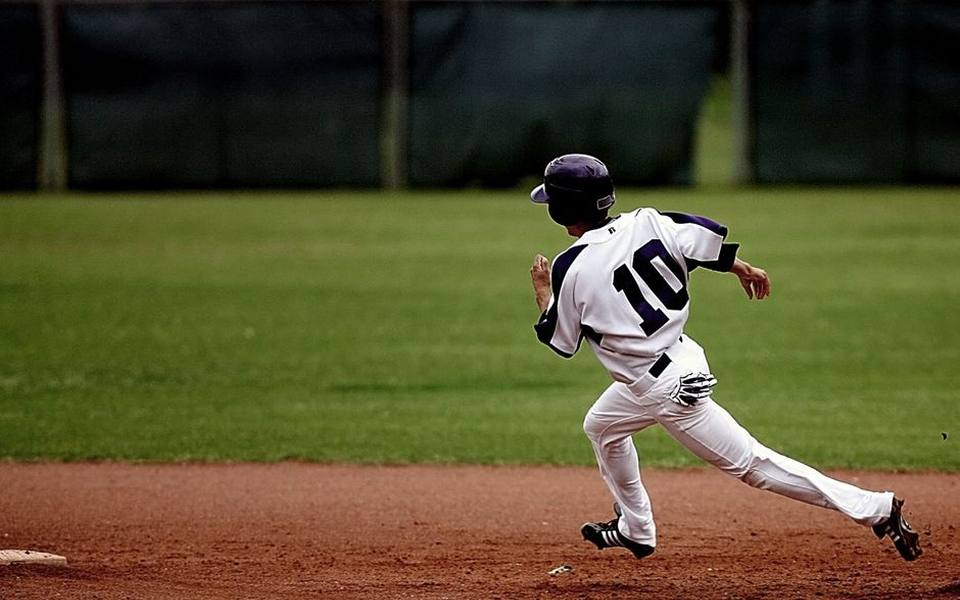
Baserunning is one of the most exciting parts of the game for beginner athletes, yet understanding the physical layout of the diamond takes repetition. The 'Home Run Derby' drill works well here: have players line up at home plate and take turns sprinting all the way around the bases while coach yells out the names of first, second, third, and home as they touch them. This reinforces the counter-clockwise direction of the diamond, which is notoriously confusing for first-year players.
Another effective drill is 'Traffic Light Baserunning.' Position an adult coach at second base acting as the stoplight. When the coach calls green, the runner advances from first; when yellow is called, they must decelerate into an athletic breakdown position; on red, they freeze in place. This exercise builds body control, teaches players how to stop on a base without overshooting, and introduces basic visual coaching cues.
Throwing Fundamentals Through Target Games
Teaching the throwing motion to young players requires breaking down a complex kinetic chain into memorable, physical metaphors. Begin by teaching the two-finger or three-finger grip across the seams, reminding children not to palm the ball like an apple. Have them stand sideways relative to their target, creating an athletic 'T' or 'star' shape with their arms extended out wide, with the throwing elbow raised level with the shoulder.
Rather than having two inexperienced five-year-olds throw erratically to each other, introduce fixed target stations. Setting up empty plastic buckets, oversized cardboard boxes, or colorful hula hoops hung from a chain-link fence gives kids something concrete to aim toward. Turn throwing into a points game: one point for hitting the bucket, and three points for landing a tennis ball or safety baseball directly inside.
To teach the lower-body stride, place a colored poly-spot or drawn chalk circle where their lead foot needs to land. Emphasize the simple rhythm: 'Step with the front foot, point the front glove, and throw over the top.' Using light, softer safety balls or squishy foam training balls eliminates the fear of getting struck, allowing athletes to throw with maximum natural velocity without flinching.
Early Catching and Soft-Hands Glove Work
Catching a thrown or batted projectile is inherently unnatural for young brains that are still developing depth perception and fine motor tracking. Starting with standard hard baseballs often breeds fear, causing children to turn their heads, close their eyes, or cower behind their gloves. To build confidence, ditch standard baseballs during early catching work in favor of foam balls, fleece balls, or even lightweight beanbags.
Introduce the concept of 'Alligator Hands' for fielding ground balls. Have fielders stand in a wide, balanced stance with their knees bent and bottoms down. When a ball rolls toward them, their glove rests flat on the dirt like the alligator's bottom jaw, and their bare throwing hand snaps down gently over the ball like the top jaw. Rolling balls barehanded or using flat foam training paddles forces players to get their bodies directly in front of the ball.
For aerial balls, play simple self-toss catching games before attempting coach tosses. Have each child hold a beanbag, toss it gently six inches into the air, and catch it with two hands against their chest. Once comfortable, transition to soft underhand tosses from an adult kneeling only five feet away. Keeping the distance short ensures high success rates, which instantly replaces anxiety with genuine excitement.
Tee Ball Batting Drills That Build Solid Contact
A proper batting setup starts from the ground up, but complex mechanical lectures rarely translate to four- and five-year-olds. Use visual aids like taped footprints on a rubber mat or two chalk lines on the dirt to show players where their feet belong. Teach them to establish an athletic, balanced base slightly wider than shoulder-width, with knees bent and the bat held off the back shoulder pointing up toward the sky.
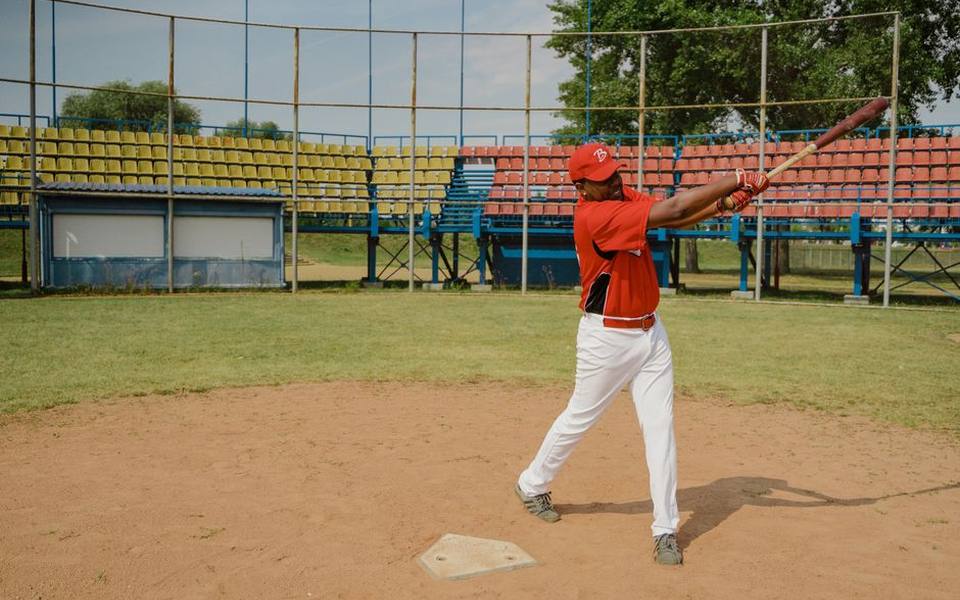
Adjusting the batting tee to the correct height is critical. Many volunteer coaches set the tee too high, forcing young hitters to chop downward or swing upward like a golf club. The tee ball should sit roughly level with the child's belt buckle or slightly below their chest. For supplemental indoor reps or winter mechanical work, many parents take advantage of commercial batting cages and hitting facilities, where adjustable commercial tees and designated turf areas make repeated practice effortless.
Use the 'Belly Button to the Pitcher' drill to teach hip rotation without confusing terminology. As the hitter finishes swinging through the ball on the tee, have them freeze in their follow-through and check if their belt buckle or shirt logo is facing directly out toward the pitcher. Pairing this cue with soft, focused swing mechanics ensures they rotate their hips rather than merely swinging with their arms.
For families seeking deeper technical foundations as players grow, visiting dedicated batting cages with hitting lessons can pair your child with an instructor who specializes in early motor skill acquisition. A coach with specialized youth credentials can correct a cross-handed grip or drifting eye within just a few private swings.
Tailoring Drills for Four- and Five-Year-Old Attention Spans
Working with preschool and kindergarten athletes requires an entirely different approach than coaching eight- or nine-year-olds. At four years old, children are still developing basic spatial boundaries and gross motor balance. Practice designs must feel like structured playground games rather than repetitive athletic drills, framing baseball skills inside imaginative, narrative-driven challenges.
One beloved staple is 'Clean Up Your Room.' Split the team into two sides of a chalk line or low ribbon across the outfield. Scatter twenty tennis balls or foam balls across both sides. On the whistle, players have thirty seconds to scoop up grounders from their side and throw them over the line onto the coach's side. This frantic game teaches bent-knee grounder fielding and rapid throwing without any of the pressure of traditional baseball reps.
Another effective game is 'Sleeping Giant.' The coach stands on second base pretending to sleep with their back turned while players creep forward from first base. When the coach turns around and shouts, players must drop into an athletic fielding freeze. These games camouflage fundamental mechanics inside imaginative play, ensuring that four-year-olds leave the field energized rather than exhausted or tearful.
Indoor Baseball Drills for Rainy Days and Winter Months
Inclement weather does not mean youth development must stop. A garage, finished basement, or school gymnasium offers plenty of space for productive, low-impact skill work. Indoors, hard baseballs must be substituted with soft squishy balls, wiffle balls, or rolled-up socks to eliminate safety hazards and prevent property damage.
Indoor ground-ball tracks can be run on carpet or hardwood using a soft foam ball. Have the player sit on the floor with their legs spread in a 'V' shape, rolling the ball gently back and forth to a partner or coach. This isolates the upper body and hands, reinforcing the concept of fielding the ball out in front of the eyes without relying on erratic footwork. Progress from sitting to kneeling, and finally to an athletic crouch.
When cabin fever strikes during sustained winter storms, moving practice to commercial indoor batting cages provides access to open turf, batting tunnels, and climate-controlled throwing space. Facilities designed for ballplayers allow whole teams to complete full throwing and tee sessions rain or shine, keeping youth teams sharp well before opening day.
Progressing Beyond the Tee Toward Coach-Pitch Mechanics
As players reach the upper limits of early tee ball—usually around age six or seven—they begin transitioning toward coach-pitch formats. Moving away from the static tee requires learning to track a moving object in flight, a visual skill that demands gradual progression. Hurling standard baseballs from thirty feet away right away often results in immediate strikeout frustration and developing a flinching habit at the plate.
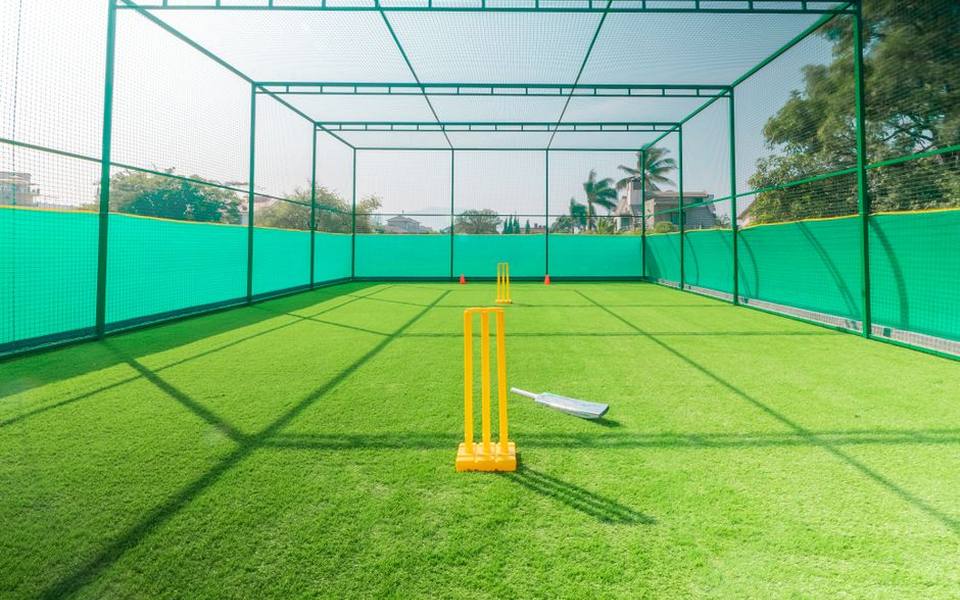
Start this progression with soft-toss or side-toss from an angled, kneeling position just five feet away from the hitter's hip. Toss soft wiffle balls or safety balls underhand into the hitting zone so the child learns to time their swing while watching the ball through the hitting plane. Once they make consistent contact from the side, transition to front-toss from behind a protective screen.
For teams ready to take their skills further, comprehensive baseball and softball training facilities offer pitching tunnels, specialized developmental gear, and slow-pitch mechanized options. While local directories list upwards of 3,392 baseball facilities across the country's top sporting states, finding local turf space to work on tracking moving pitches can turn an anxious hitter into a confident slugger.
Enlisting Parents and Building a Lifelong Team Culture
No volunteer coach can manage a roster of twelve four-to-six-year-olds alone. The secret to running smooth, organized practices is turning enthusiastic parents from passive bleacher spectators into active station facilitators. Hold a five-minute parent meeting before the first practice to outline expectations and assign two or three parents to specific drill stations each week.
Keep parental roles delightfully simple: one parent holds the tee and places the ball, another retrieves balls from the outfield net, and a third directs traffic between bases. Parents do not need deep baseball knowledge to hand a tennis ball to a four-year-old or cheer enthusiastically when someone touches second base. Distributing these duties prevents drill bottlenecks and frees the head coach to observe and instruct.
Finally, prioritize joy, encouragement, and emotional safety above any competitive outcome. Children at this age will not remember the final score of a scrimmage or how many hits they recorded, but they will vividly remember how their coaches made them feel. Celebrate effort, hustle, and sportsmanship to cultivate a supportive athletic community that keeps players returning to the diamond season after season.
Published 2026-09-21 · reviewed with each rebuild, last October 2026.
Find batting cages & baseball training near you
The directory lists 7,750 batting cages & baseball training by state and city — pick your state or use the “Near me” button in the header.
More guides
-
 Owning
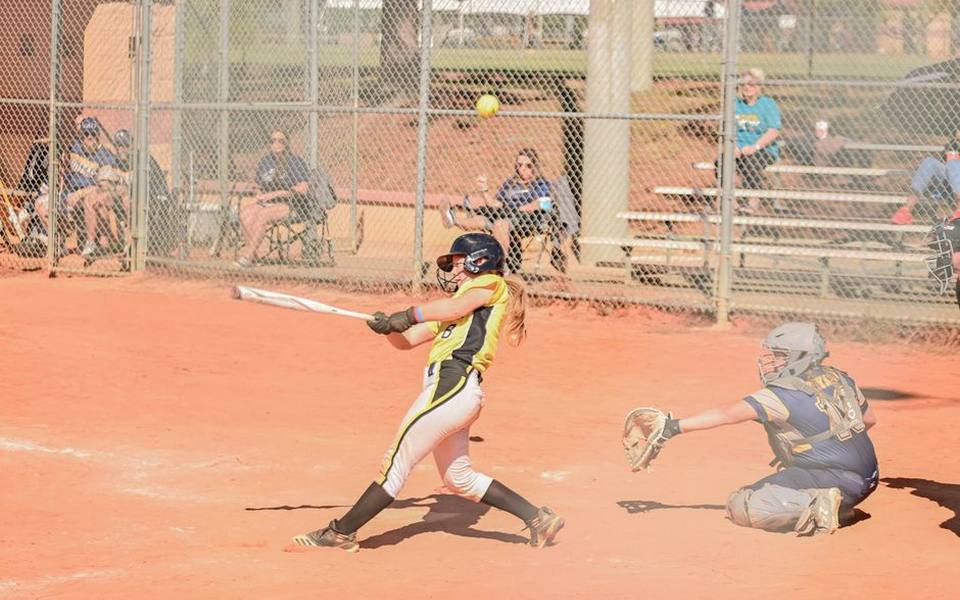
Mastering Softball Mechanics: From Cage Drills to Game-Day Power
-
 Money
MoneyUnderstanding the Expenses of Renting and Building Batting Cages
-
 Safety
Pitching Mechanics: How to Throw Breaking Balls and Build Arm Velocity
-
 Service
Fundamental Swing Mechanics and Handling Breaking Pitches
-
 Owning
Slow Pitch Softball Hitting Guide: Mechanics for Power and Contact
-
 Owning
Building a Consistent Softball Swing: Mechanics, Drills, and Practice Routines
-
 Safety
Pitching Mechanics: Throwing Breaking Pitches and Building Velocity Safely
-
 Owning
Understanding Travel Baseball: Costs, Commitments, and Evaluating the Fit
-
 Buying
Ultimate Guide to Batting Cages and Hitting Nets: Types, Sizing, and Setup
-
 Safety
Youth Baseball Rules: Field Dimensions, Pitch Limits, and Age Brackets
-
 Owning
Batting Practice Essentials: Pitching Machines, Hitting Drills, and Training Equipment
-
 Buying
Baseball & Softball Bat Buying Guide: Sizing, Materials, Certifications, and Custom Options
-
 Owning
Agility Ladder Workouts and Footwork Drills for Baseball and Softball
-
 Safety
Protective Baseball Gear Guide: Catchers Gear, Thumb Guards, and Helmet Sizing
-
 Owning
Baseball & Softball Glove Guide: Sizing, Break-In, Relacing, and Maintenance
-
 Buying
Official MLB and Minor League Team Stores: Buying Authentic Fan Gear
-
 Service
Understanding Baseball Sabermetrics: Core and Advanced Stats Explained
-
 Service
Corporate Team Building Guide: Outings, Events, and Venue Selection
-
 Buying
A Complete Guide to Ordering Custom Baseball Uniforms and Team Apparel
-
 Buying
Custom Sports Jerseys Guide: Outfitting Soccer, Track, Volleyball, and Football Teams
-
 Owning
Complete Little League Guide: Schedules, Divisions, Rules, and Grants
-
 Buying
Local Sporting Goods Stores: Finding Gear, Trade-Ins, and Used Bats
-
 Buying
Baseball Birthday Party Ideas: Decorations, Supplies, and Themes
-
 Service
Youth Baseball and Softball Camps: Showcases, Academies, and Clinics
-
 Buying
Custom Fan Apparel and Varsity Jackets: Customization and Sizing
-
 Safety
Youth Pitching Arm Safety: Treating Little League Elbow and Shoulder Injuries
-
 Buying
Custom Baseball and Softball Uniforms: Design, Sublimation, and Ordering Guide
-
 Safety
Youth Baseball Sizing Guide: Batting Helmets, Gloves, and Protective Gear
-
 Buying
Commercial and Backyard Pitching Machines: Buyer's Guide and Field Maintenance
-
 Service
How to Choose and Enroll in Baseball and Softball Training Camps
-
 Service
Baseball & Softball Hitting Instruction, Swing Tech & Private Coaching Guide
-
 Safety
Baseball & Softball Helmet Sizing and Fit Guide
-
 Owning
How to Build and Outfit a Batting Cage and Hitting Facility
-
 Service
Baseball & Softball Glove Relacing, Restringing, and Care Guide
-
 Safety
Catcher's Gear Sizing, Protection, and Defensive Blocking Mechanics
-
 Service
Baseball Camps, Youth Academies, and Showcase Tryouts Guide
-
 Owning
Adult Baseball, Softball, and Backyard Leagues: A Complete Guide to Modern Formats
-
 Service
Planning Team Building Events, Parties, and Fundraisers at Sports Venues
-
 Service
Softball Mechanics, Pitch Grips, and Gear Sizing Guide