Why Precise Sizing Matters for Young Ballplayers
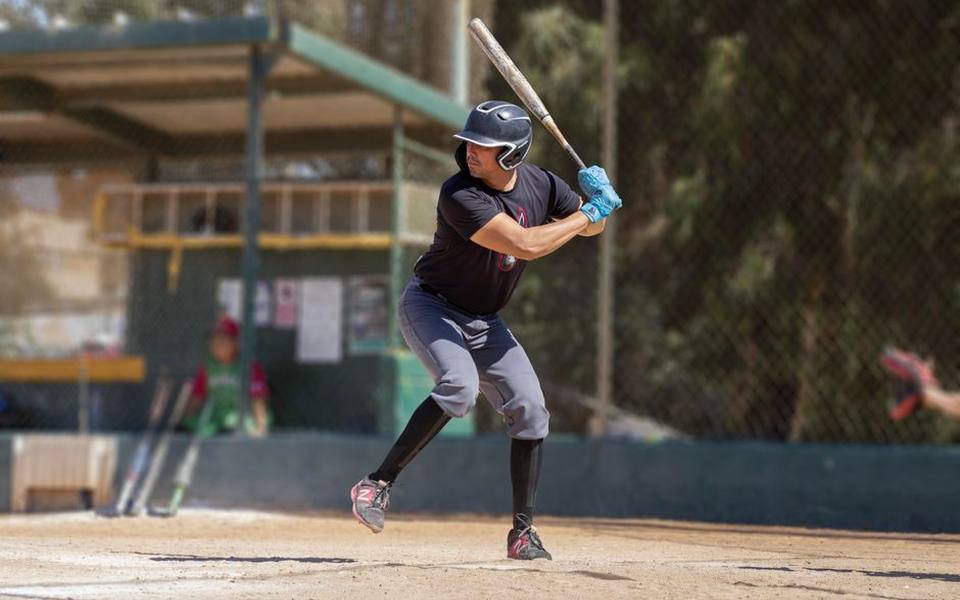
Finding protective gear that fits properly is the single most important safety step before a young player takes their first swing in the batter's box. Many parents make the mistake of buying equipment a size or two larger with the intention of letting their child grow into it over several seasons. In baseball and softball, an oversized batting helmet shifts across the player's eyes during a swing or while running the bases, creating a dangerous distraction and leaving vulnerable temple zones exposed to incoming pitches.
A helmet that sits too low impairs field vision, while a loose batting glove causes the bat handle to slip inside the palms, encouraging poor mechanics and blisters. Improperly seated protective gear also erodes a child's confidence at the plate. When hitters feel comfortable and can see clearly without constantly adjusting their gear between pitches, their swing mechanics develop naturally, whether they are hitting off a tee in the backyard or practicing at indoor batting cages during offseason workouts.
Manufacturers design modern protective equipment using advanced density foams and impact-resistant polymers, but these materials only disperse kinetic force as intended when they rest firmly against the child's head or hands. Taking fifteen minutes to measure your child accurately using a soft tape measure saves money on returns, prevents nagging hand sores, and ensures full compliance with youth league safety standards across every inning of play.
Measuring Head Circumference for an Accurate Helmet Fit
Before looking at any manufacturer sizing chart, you need an exact measurement of your child's head circumference. To get this number, wrap a flexible fabric tape measure around their head roughly one inch above the eyebrows, passing just above the tips of both ears and across the widest ridge at the back of the skull. Keep the measuring tape level from front to back without pulling it so tight that it pinches the skin.
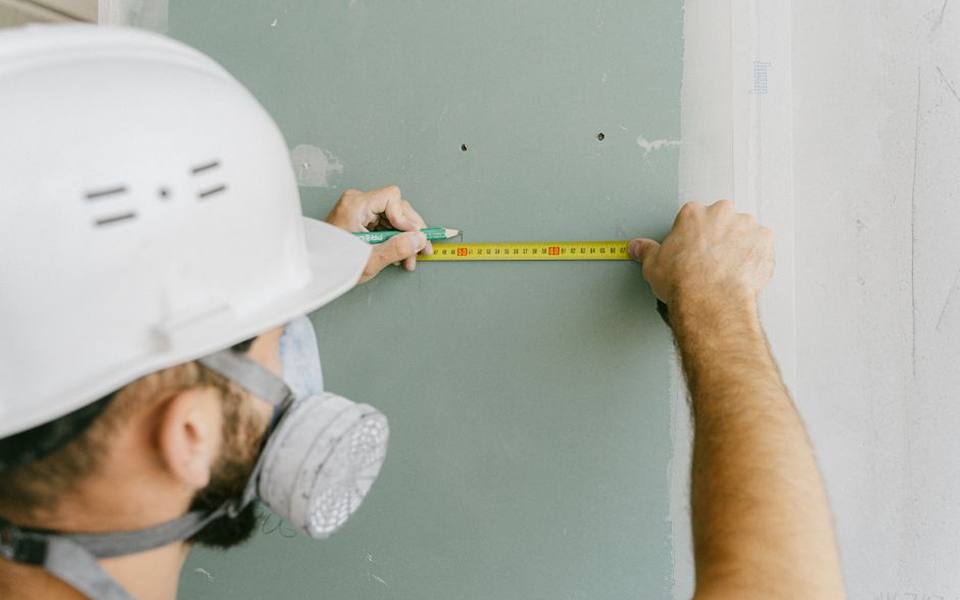
If you do not have a tailor's tape measure at home, use a piece of non-stretching string or yarn, mark the intersection point with a pen, and lay it flat against a standard metal tape measure or ruler. Record the measurement in both inches and centimeters, as some brands scale their helmets in half-centimeters while others rely on traditional fitted hat increments ranging from six to seven and a half.
Take the measurement two or three times to verify consistency, especially with active younger kids who tend to fidget. Hair volume also plays a significant role; if your player wears thick braids, pony tails, or curls during games, take the measurement with their hair styled exactly as it will be worn beneath the helmet during league play. Checking this before visiting local baseball and softball training facilities prevents unexpected discomfort during team practices.
Tee-Ball Helmet Sizing and Beginner Fit Checks
First-time ballplayers entering tee-ball typically require helmets built on smaller, lighter shells designed to fit head sizes from 6 to 6 1/2, which corresponds to roughly 19 to 20.5 inches in circumference. Because four- to six-year-olds have neck muscles that are still developing, beginner helmets prioritize lightweight composite shells and open-cell interior padding that cushions without adding unnecessary top-heavy bulk.
A proper tee-ball helmet should sit level on the head roughly one finger-width above the eyebrows. If the helmet tilts backward and exposes the forehead, or tilts forward over the eyes, it is either shaped incorrectly for your child's head shape or simply too large. A dependable test is the shake check: have your child shake their head gently from side to side and nod up and down. The helmet should move with the scalp rather than slide freely across the hair.
Many youth leagues mandate a protective face guard or chin strap on beginner helmets. When installing these accessories, make sure the added hardware does not pull the helmet forward or create awkward pressure along the temples. If a standard junior helmet feels slightly loose on a very young player, manufacturers often offer youth foam padding adjustment kits that line the interior crown to snug up the fit until the player grows.
Easton Helmet Sizing Standards Across Age Groups
Easton has long been a staple in dugout racks, and their youth helmets generally follow a straightforward three-tier size bracket covering Tee Ball, Junior, and Senior profiles. The Tee Ball model typically covers hat sizes 6 to 6 1/2 (19 to 20.5 inches), the Junior shell fits hat sizes 6 3/8 to 7 1/8 (20.5 to 22.25 inches), and the Senior version accommodates sizes 7 to 7 3/4 (22 to 24.25 inches).
Most players between ages seven and twelve fall squarely into the Junior sizing bracket. Easton designs their helmets with a slightly rounder internal crown and contoured ear pads, which tend to fit comfortably on children with broader head shapes. Their dual-density foam liners compress lightly against the temples to provide a locked-in feel without pinching behind the ears.
When testing an Easton helmet, pay attention to the jaw flaps and the contact points around the cheekbones. The padding should make full contact with the cheeks without forcing the player to bite their inner lips when talking. If your player is working through batting drills at batting cages and hitting facilities, an accurately fitted Easton helmet stays stationary through aggressive swings and abrupt slide stops.
Rawlings Helmet Dimensions and Shell Geometries
Rawlings batting helmets are ubiquitous in amateur leagues and travel ball tournaments across the country. Their sizing architecture generally splits into distinct categories: T-Ball (fits hat sizes 6 1/4 to 6 7/8), Youth/Junior (covering roughly 6 1/2 to 7 1/4), and Senior/Adult (fitting 7 1/8 to 7 3/4). Rawlings helmets often feature a marginally more oval interior cavity than Easton, which offers an excellent contour for players with longer head profiles.
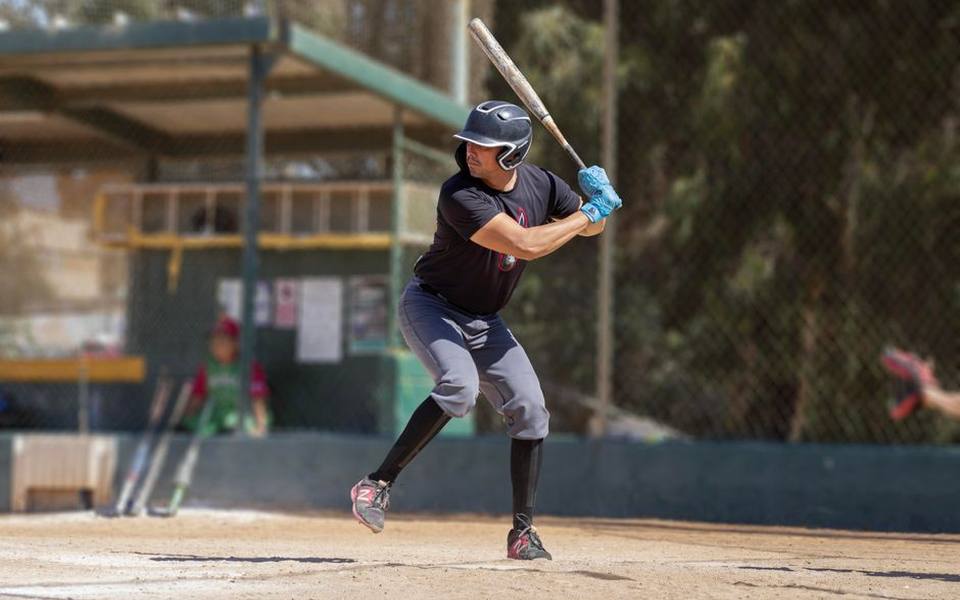
The popular Rawlings Coolflo and Mach series incorporate heat-exchange venting channels along the crown and occipital zone. These vents promote airflow during humid summer games, but parents should ensure that the vents do not alter how the helmet rests against the skull. The interior lining should press evenly along the entire circumference of the head rather than balancing on isolated pressure points at the front and rear.
If you are ordering a Rawlings helmet with an attached jaw extension flap—often called a C-flap—verify whether the player bats right-handed or left-handed. The extension mounts directly to the ear flap facing the pitcher, protecting the cheek and jawline. Ensure the extension does not obstruct the player's downward peripheral vision when tracking a pitch from the release point down to the strike zone.
EvoShield Sizing and Modern Protective Profiles
EvoShield has become exceptionally popular in travel baseball circuits due to its low-profile aesthetic, matte finishes, and specialized protective attachments. Their youth helmet offerings generally utilize a dual-size system: Youth/S-M covers hat sizes 6 1/2 through 7 (roughly 20.5 to 22 inches), while their Intermediate/L-XL builds fit hat sizes 7 through 7 5/8 (roughly 22 to 23.75 inches).
Because EvoShield shells are engineered with a sleeker outer silhouette, the internal padding tends to fit somewhat firmer out of the box compared to more pillowy traditional designs. The dense antimicrobial padding softens slightly over the first few weeks of use as it warms to body temperature, creating a customized mold around the player's skull. Players should not size up simply because the initial fit feels snug.
Parents taking their children to specialized batting cages with hitting lessons often prefer EvoShield gear because the integrated cheek guard systems are built specifically for the shell without requiring aftermarket drilling. Confirm that the helmet sits level and that the jaw guard extends roughly one inch past the tip of the chin to provide thorough facial coverage without restricting head rotation.
Youth Batting Gloves Sizing in XXS and XS Brackets
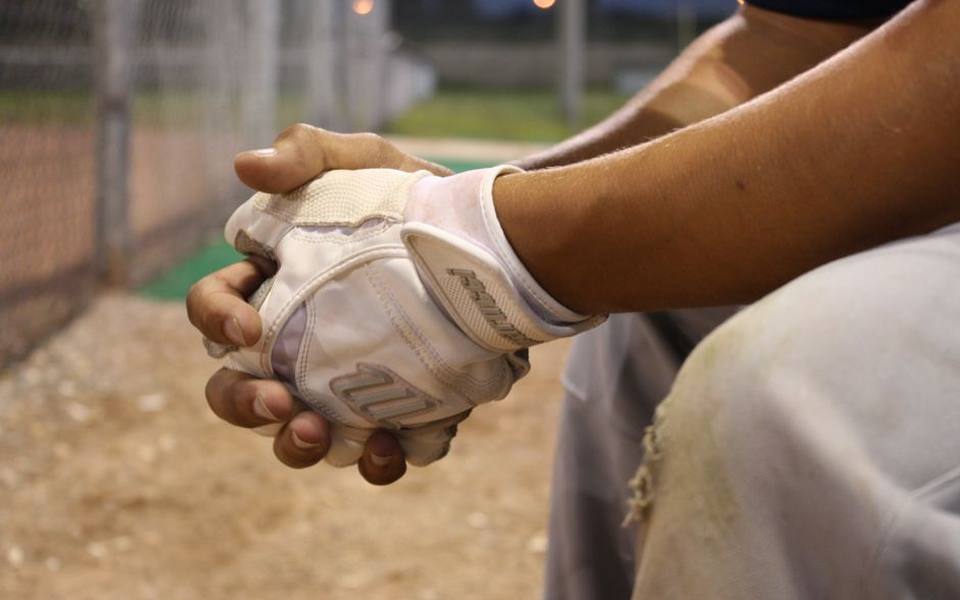
Batting gloves are essential for dampening vibration on cold mornings, preventing painful friction blisters, and maintaining a secure grip on aluminum and composite bat handles. For younger players, finding gloves that fit properly can be challenging because standard youth small gloves often leave excess material bunching up at the fingertips and along the palm.
To find your player's glove size, measure from the base of the palm (right at the first crease where the wrist meets the hand) to the tip of the middle finger. A measurement under 5.5 inches points toward Youth Extra-Extra-Small (XXS), while a hand measuring between 5.5 and 6.0 inches typically fits best in Youth Extra-Small (XS). If the measurement falls between two sizes, consider whether the glove uses real leather or synthetic mesh, as natural leather will stretch slightly over time.
Specialty brands like Bruce Bolt have popularized premium Cabretta leather gloves tailored for serious youth hitters, offering true XXS and XS options with reinforced double-stitched palms and extended wrist cuffs. A proper youth batting glove should fit like a second skin with zero slack in the fingers. If excess leather bunches between the player's palm and the bat handle, their grip tension will increase, hindering smooth wrist action through the hitting zone.
Applying Custom Helmet Decals and Stickers Safely
Customizing helmets with team logos, player numbers, and reflective tournament markers is a major tradition in youth baseball. However, parents and coaches must exercise caution when selecting and applying vinyl decals to modern batting helmets. The plastic polymers and polycarbonate blends used in helmet shells can degrade if exposed to aggressive industrial adhesives or petroleum-based solvents found in standard hardware stickers.
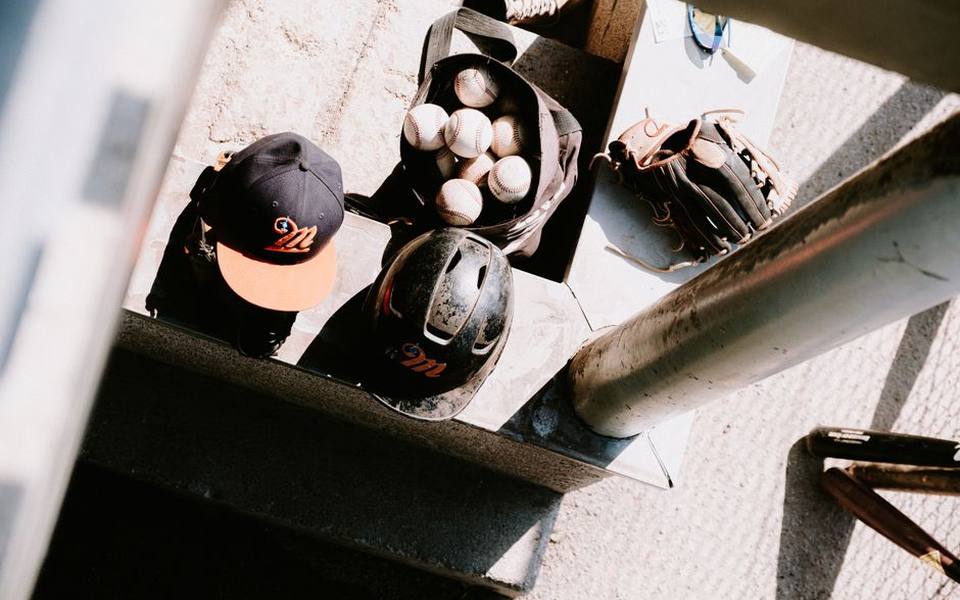
Always purchase helmet decals specifically manufactured for athletic safety gear from reputable sports graphics suppliers. These specialty decals use mild, pressure-sensitive acrylic adhesives designed not to compromise the structural integrity of the plastic shell. They are also thicker—typically 15 to 20 mils—which prevents peeling and bubbling when the helmet is stored in gear bags or exposed to direct sunlight in dugouts.
Before applying a new team logo or number, thoroughly clean the application area using a lint-free cloth dampened with warm water and a tiny drop of mild hand soap. Never use chemical cleaners, rubbing alcohol, acetone, or nail polish remover on a batting helmet shell, as these substances can weaken the plastic and invalidate the manufacturer's safety warranty under governing league rules.
Seasonal Fit Checks and Maintaining Protective Gear
Children grow rapidly between sports seasons, meaning a helmet or pair of batting gloves that fit perfectly in March may cause headaches or circulation pinch points by late July. Make it a habit to check equipment fit at least twice per season. Inspect the interior foam of the batting helmet for any separation, hardening, or crumbling along the glue lines, especially if gear has been left inside a hot car trunk where high temperatures break down polyurethane foam.
Batting gloves also need regular inspection for holes along the high-friction thumb-webbing and seam tears at the fingertips. To extend the life of leather gloves, let them air dry completely at room temperature after humid games rather than balling them up inside the darkness of a bat pack. If the leather stiffens after drying, applying a small dab of neutral leather conditioner restores flexibility without making the palms slick.
Whether you are playing in local leagues across Florida or competing in regional travel tournaments in Texas, keeping equipment in peak condition protects your financial investment and keeps young hitters safe in the box. When your child feels secure in their helmet and confident in their grip, they can focus entirely on pitch selection, hand speed, and enjoying every moment on the diamond.
Published 2026-09-21 · reviewed with each rebuild, last October 2026.
Find batting cages & baseball training near you
The directory lists 7,750 batting cages & baseball training by state and city — pick your state or use the “Near me” button in the header.
More guides
-
 Owning
Mastering Softball Mechanics: From Cage Drills to Game-Day Power
-
 Money
MoneyUnderstanding the Expenses of Renting and Building Batting Cages
-
 Safety
Pitching Mechanics: How to Throw Breaking Balls and Build Arm Velocity
-
 Service
Fundamental Swing Mechanics and Handling Breaking Pitches
-
 Owning
Slow Pitch Softball Hitting Guide: Mechanics for Power and Contact
-
 Owning
Building a Consistent Softball Swing: Mechanics, Drills, and Practice Routines
-
 Safety
Pitching Mechanics: Throwing Breaking Pitches and Building Velocity Safely
-
 Owning
Understanding Travel Baseball: Costs, Commitments, and Evaluating the Fit
-
 Buying
Ultimate Guide to Batting Cages and Hitting Nets: Types, Sizing, and Setup
-
 Safety
Youth Baseball Rules: Field Dimensions, Pitch Limits, and Age Brackets
-
 Owning
Batting Practice Essentials: Pitching Machines, Hitting Drills, and Training Equipment
-
 Buying
Baseball & Softball Bat Buying Guide: Sizing, Materials, Certifications, and Custom Options
-
 Owning
Agility Ladder Workouts and Footwork Drills for Baseball and Softball
-
 Safety
Protective Baseball Gear Guide: Catchers Gear, Thumb Guards, and Helmet Sizing
-
 Owning
Baseball & Softball Glove Guide: Sizing, Break-In, Relacing, and Maintenance
-
 Buying
Official MLB and Minor League Team Stores: Buying Authentic Fan Gear
-
 Service
Understanding Baseball Sabermetrics: Core and Advanced Stats Explained
-
 Service
Corporate Team Building Guide: Outings, Events, and Venue Selection
-
 Buying
A Complete Guide to Ordering Custom Baseball Uniforms and Team Apparel
-
 Buying
Custom Sports Jerseys Guide: Outfitting Soccer, Track, Volleyball, and Football Teams
-
 Owning
Complete Little League Guide: Schedules, Divisions, Rules, and Grants
-
 Buying
Local Sporting Goods Stores: Finding Gear, Trade-Ins, and Used Bats
-
 Buying
Baseball Birthday Party Ideas: Decorations, Supplies, and Themes
-
 Service
Youth Baseball and Softball Camps: Showcases, Academies, and Clinics
-
 Buying
Custom Fan Apparel and Varsity Jackets: Customization and Sizing
-
 Safety
Youth Pitching Arm Safety: Treating Little League Elbow and Shoulder Injuries
-
 Buying
Custom Baseball and Softball Uniforms: Design, Sublimation, and Ordering Guide
-
 Owning
Youth Baseball and T-Ball Drills: Practice Plans for Coaches and Parents
-
 Buying
Commercial and Backyard Pitching Machines: Buyer's Guide and Field Maintenance
-
 Service
How to Choose and Enroll in Baseball and Softball Training Camps
-
 Service
Baseball & Softball Hitting Instruction, Swing Tech & Private Coaching Guide
-
 Safety
Baseball & Softball Helmet Sizing and Fit Guide
-
 Owning
How to Build and Outfit a Batting Cage and Hitting Facility
-
 Service
Baseball & Softball Glove Relacing, Restringing, and Care Guide
-
 Safety
Catcher's Gear Sizing, Protection, and Defensive Blocking Mechanics
-
 Service
Baseball Camps, Youth Academies, and Showcase Tryouts Guide
-
 Owning
Adult Baseball, Softball, and Backyard Leagues: A Complete Guide to Modern Formats
-
 Service
Planning Team Building Events, Parties, and Fundraisers at Sports Venues
-
 Service
Softball Mechanics, Pitch Grips, and Gear Sizing Guide