The Core Principles of Batting Helmet Fit
A batting helmet protects against foul tips, wild pitches, and stray throws only when it sits firmly against the skull without shifting. A properly fitted helmet rests roughly one inch above the player's eyebrows, sitting completely level from front to back. It should never tilt upward to expose the forehead or slip backward toward the nape of the neck. When a player nods or shakes their head vigorously, the helmet should move in tandem with the scalp rather than sliding independently across the hair.
The interior padding should make uniform contact with the crown, temples, cheeks, and back of the head. If there are noticeable gaps along the crown or if the shell wobbles during a sprint out of the batter's box, the helmet is dangerously loose. Conversely, deep indentations on the forehead or aching pressure points along the temples indicate that the shell or padding is too small. A tight pinch can trigger headaches across multi-game tournaments, distracting the batter at the plate.
Many parents make the mistake of buying headgear with room to grow, treating a protective shell like an oversized pair of cleats. In reality, an oversized helmet can drop over a young hitter's eyes during a swing, obstructing their vision at the exact moment a pitch arrives. If you are testing gear at local batting cages and hitting facilities, always check that the helmet remains seated securely through a full, hard cut.
How to Measure Head Circumference for Accurate Sizing
Selecting the correct helmet begins with a precise measurement of the athlete's head circumference. To get an accurate number, wrap a flexible fabric measuring tape around the widest portion of the head. Position the tape approximately one inch above the eyebrows, carrying it straight back around the most prominent point on the back of the skull, just above the ears. Keep the tape parallel to the floor and snug against the hair, without pulling it so tight that it compresses the scalp.
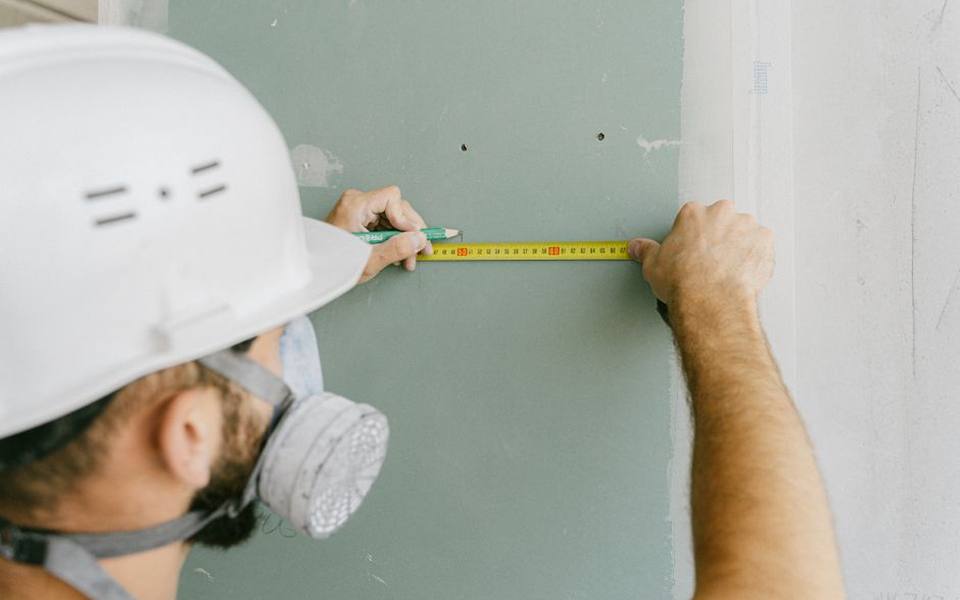
If a flexible measuring tape is not available, a non-stretchy piece of string or ribbon works just as well. Mark the point where the string overlaps itself, lay it flat on a firm surface, and measure the distance with a standard ruler. Record the circumference in both inches and centimeters down to the nearest eighth of an inch, as different protective equipment charts switch between imperial hat measurements and metric dimensions.
Once you have the raw circumference, you can match it against a standardized baseball helmet size chart. These charts generally correlate inch measurements directly to traditional fitted hat sizes, which range from small youth numbers like 6 1/8 up to large adult sizes like 7 3/4. If a player falls directly between two standard intervals, it is typically best to test the smaller shell first or use internal foam spacer pads to eliminate excess slack.
Understanding Helmet Sizing by Age Brackets
Using baseball helmet sizes by age is a helpful starting point, but it should never replace an exact head measurement. Children grow at vastly different rates, and two players in the same tee-ball league may have skull dimensions that differ by more than an inch. Tee-ball players between ages four and six typically need extra-small youth shells, which cover circumferences between roughly 18 and 20 inches. These shells feature thicker perimeter foam designed to cradle smaller head profiles securely.
Between the ages of seven and twelve, most athletes migrate into standard youth baseball helmet sizes. These models are commonly marketed as one-size-fits-most youth shells, designed to accommodate circumferences from around 20 inches up to 21.5 inches, translating roughly to hat sizes 6 3/8 through 7 1/8. During these middle youth years, players with thicker hair or wider facial bones frequently transition into intermediate or small adult shells earlier than their peers.
By age thirteen or fourteen, players entering high school or advanced travel programs almost exclusively require adult or senior sizing. Adult headgear provides larger shell profiles that distribute impact force over a broader surface area. High school and collegiate rules also require strict adherence to national impact standards, meaning older athletes practicing at baseball & softball training facilities must ensure their helmets meet modern certification thresholds regardless of age.
Youth Helmet Dimensions and Shell Categories
Navigating a youth baseball helmet size chart requires understanding the difference between molded one-size youth shells and sized youth models. Many popular entry-level helmets use dual-density padding that compresses to fit a broad span of youth heads. While convenient for recreation leagues where multiple players share gear, these universal models can still fit loosely on slender seven-year-olds while pinching the temples of stockier eleven-year-olds.
When reading a youth baseball helmet sizing chart, pay close attention to the designated circumference range rather than the age label on the box. Sized youth options—often categorized as Youth Small, Youth Medium, or Youth Large—provide a far more tailored fit than universal shells. A dedicated Youth Small generally caters to heads measuring roughly 6 1/4 to 6 1/2, ensuring the padding grips the jawline properly without relying on awkward chin cup tension.
Ponytails and thick braided hairstyles also influence how a youth helmet seats against the head. Softball players and baseball players with long hair should always try on helmets with their hair styled exactly as it will be worn on game day. Several manufacturers produce youth shells featuring integrated ponytail channels molded directly into the rear crown, which prevents the helmet from tilting downward over the eyes during play.
Senior Shells, Fitted Options, and Finding XXL Sizes
Senior batting helmets are engineered for high school, collegiate, and adult rec-league athletes. Standard adult models typically cover hat sizes 6 7/8 up to 7 5/8, divided into broad Small/Medium and Large/Extra-Large brackets. Fitted helmets, which match exact hat sizes in eighth-inch increments, remain popular among competitive travel ball hitters who demand zero helmet migration during explosive swings.
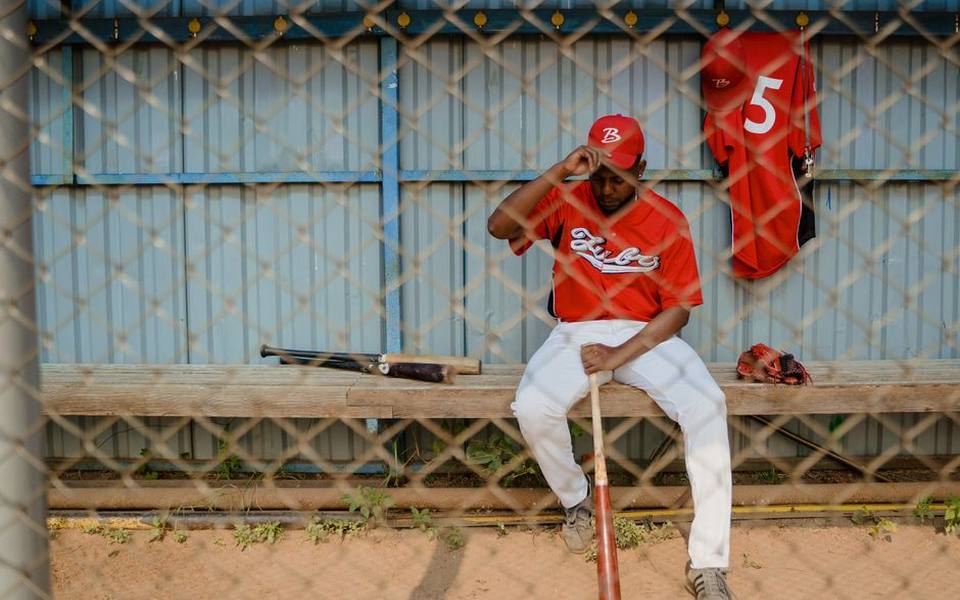
Finding an xxl baseball helmet can pose a challenge for adult players with head circumferences above 24 inches or hat sizes exceeding 7 3/4. Standard sporting goods retailers rarely stock extended sizes on store shelves, often stopping at single-XL models that top out around 7 5/8. Athletes with broad skull structures should look for specialized oversized senior shells, which feature expanded composite frames and contoured jaw pads that relieve pressure along the temples.
For hitters who sit on the boundary between an XL and an XXL, checking the internal foam configuration is essential. Some adult shells use removable or heat-moldable moisture-wicking liners that can be adjusted to create an extra quarter-inch of breathing room. Never attempt to shave down, cut, or compress the protective foam core with tools to make an adult helmet fit, as modifying structural components voids safety certifications instantly.
Sizing Differences Across Major Manufacturers
While standard sizing charts provide a shared baseline, individual brands shape their internal molds differently. For example, rawlings baseball helmet sizes are well known for featuring a relatively round internal contour, offering generous temple clearance that suits athletes with rounder head shapes. Their standard senior shells typically span hat sizes 6 7/8 to 7 5/8, while their youth lines focus heavily on the 6 3/8 to 7 1/8 range.
Other prominent manufacturers design their shells around a more intermediate oval profile, which feels narrower through the temples and slightly longer from front to back. A player who wears a 7 1/4 comfortably in one brand might experience uncomfortable ear pressure or forehead pinch in another. Because shell depth and jawline taper vary significantly across product lines, trying on two or three distinct models is always wise before settling on a permanent helmet.
Padding composition also alters the tactile fit across brands. Some lines utilize soft, memory-style wraps over a rigid impact base, creating a plush sensation that hugs the face tightly out of the box. Others use firmer high-density EVA foam that feels rigid initially but settles slightly after exposure to body heat and sweat during routine batting practice.
Specialized Requirements for Baseball Coaching Helmets
Base coaches face serious line-drive risks while stationed in the first- and third-base boxes, prompting governing bodies across youth and adult leagues to mandate protective headgear. A baseball coaching helmet differs substantially from a batter's helmet. Most coaches wear open-face skull caps—often called half-shell or coach's helmets—which lack protective ear flaps to allow clear, unobstructed communication with baserunners and dugout staff.
Fitting a coaching skull cap requires measuring the crown in the exact same manner as a standard cap, as these helmets rely entirely on perimeter band tension to stay in place. Because there are no ear flaps or jaw pads to anchor the sides, an ill-fitting coach's helmet will wobble loose every time the coach turns their head quickly or leans into a play. Sizes generally follow traditional fitted hat measurements, ranging from 6 7/8 up to 7 7/8.
Some competitive amateur organizations and youth travel tournaments now require base coaches to wear dual-flap or single-flap batting helmets instead of open skull caps. When working through extended hitting drills during hitting lessons, coaches should check their local league rulebooks before investing in a skull cap, ensuring their chosen headgear satisfies both baseline safety rules and league-specific mandates.
Adding Jaw Guards and Facemasks Without Ruining Fit
Modern hitters frequently attach extended jaw guards—often referred to as C-flaps—or full-face softball wire masks to their batting helmets. While these attachments provide crucial facial protection against high-and-tight fastballs, they inevitably alter the weight distribution and balance of the helmet. Adding heavy hardware to the cheek area pulls the front of the shell downward, which can tip a marginally loose helmet straight into the batter's field of vision.
When installing a bolt-on jaw guard, always use manufacturer-approved extension pieces designed specifically for that helmet model. Drilling custom holes into a shell to mount an unapproved guard can weaken the plastic structure and void the manufacturer's safety warranty. Furthermore, ensure the inward taper of the guard does not crush the athlete's cheekbone or push the helmet off-center when the jaw opens to speak or breathe heavily.
Softball facemasks require similar vigilance regarding sightlines and weight. The horizontal bars must rest below or above the direct line of sight so the hitter can track low breaking balls and riseballs without blind spots. If a facemask causes the rear of the helmet to lift away from the base of the skull, the shell is too large or the chin strap requires tightening.
Field Testing Helmet Stability in the Cages
A helmet may feel comfortable while standing motionless in a pro shop aisle, but its real test occurs when the player starts moving. Take the helmet through a standard shake test before removing tags. Have the player secure the helmet, look straight ahead, and shake their head vigorously side to side, then up and down. If the shell slides over the forehead or bangs against the ears, the fit is inadequate.
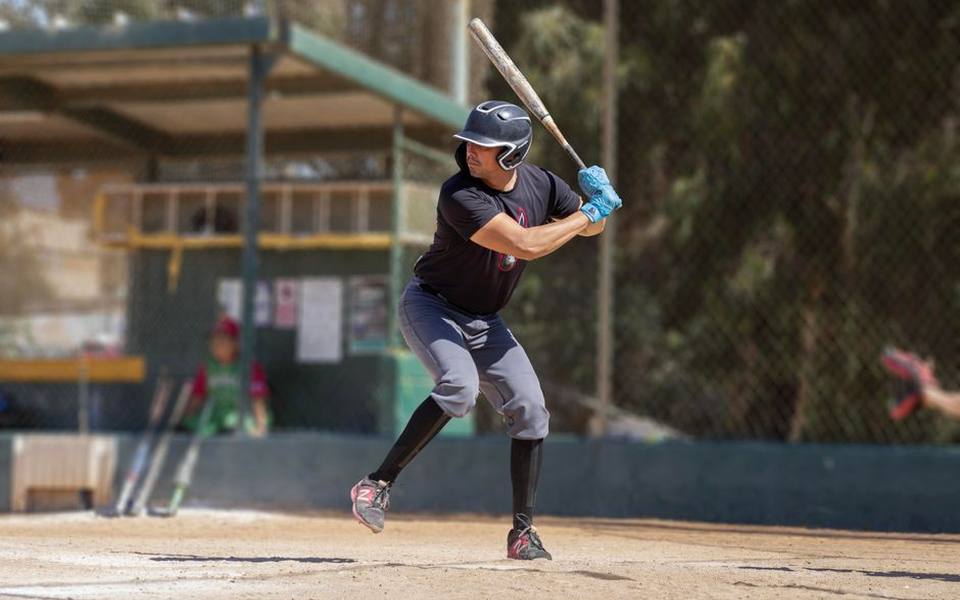
The next step is evaluating the helmet under active hitting conditions at local indoor batting cages. Have the hitter take ten to fifteen swings off a tee or front toss. Watch closely to see if the impact vibration or head whip causes the brim to creep down toward the nose. A stable helmet should stay anchored above the brow throughout the entire rotational follow-through.
Pay close attention to chin straps if your league mandates them. A chin strap is intended as a secondary retention device, not a mechanism to pull an oversized helmet into submission. The strap should rest snugly beneath the jawbone with just enough room to slip one finger between the nylon webbing and the skin, allowing the player to open their mouth without resistance.
Inspection, Replacement Intervals, and Care
Protective sports helmets do not last indefinitely. Most manufacturers and governing bodies suggest replacing a batting helmet every two to three seasons of regular play, or immediately following a direct high-velocity impact from a pitched ball. Even if the outer shell appears undamaged after a violent strike, the internal foam cell structure compresses permanently during an impact to absorb shock, leaving diminished protection for subsequent strikes.
Routinely inspect the polycarbonate shell under bright light for hairline cracks around the ear cutouts, visor seam, and hardware rivets. Check the interior padding to ensure the adhesive backing has not loosened, and verify that the foam remains pliable rather than dry, crumbly, or hardened. Helmets that display compromised hardware or cracked liners should be retired from play immediately.
Proper storage extends the lifespan of protective gear significantly. Avoid storing helmets in hot car trunks or unventilated metal sheds during the heat of summer, as extreme temperatures degrade both the outer shell resin and the interior adhesive bonds. Clean the shell using mild dish soap, warm water, and a soft cloth, avoiding chemical solvents, spray paints, or unauthorized adhesive decals that can weaken the plastic matrix.
Published 2026-09-21 · reviewed with each rebuild, last October 2026.
Find batting cages & baseball training near you
The directory lists 7,750 batting cages & baseball training by state and city — pick your state or use the “Near me” button in the header.
More guides
-
 Owning
Mastering Softball Mechanics: From Cage Drills to Game-Day Power
-
 Money
MoneyUnderstanding the Expenses of Renting and Building Batting Cages
-
 Safety
Pitching Mechanics: How to Throw Breaking Balls and Build Arm Velocity
-
 Service
Fundamental Swing Mechanics and Handling Breaking Pitches
-
 Owning
Slow Pitch Softball Hitting Guide: Mechanics for Power and Contact
-
 Owning
Building a Consistent Softball Swing: Mechanics, Drills, and Practice Routines
-
 Safety
Pitching Mechanics: Throwing Breaking Pitches and Building Velocity Safely
-
 Owning
Understanding Travel Baseball: Costs, Commitments, and Evaluating the Fit
-
 Buying
Ultimate Guide to Batting Cages and Hitting Nets: Types, Sizing, and Setup
-
 Safety
Youth Baseball Rules: Field Dimensions, Pitch Limits, and Age Brackets
-
 Owning
Batting Practice Essentials: Pitching Machines, Hitting Drills, and Training Equipment
-
 Buying
Baseball & Softball Bat Buying Guide: Sizing, Materials, Certifications, and Custom Options
-
 Owning
Agility Ladder Workouts and Footwork Drills for Baseball and Softball
-
 Safety
Protective Baseball Gear Guide: Catchers Gear, Thumb Guards, and Helmet Sizing
-
 Owning
Baseball & Softball Glove Guide: Sizing, Break-In, Relacing, and Maintenance
-
 Buying
Official MLB and Minor League Team Stores: Buying Authentic Fan Gear
-
 Service
Understanding Baseball Sabermetrics: Core and Advanced Stats Explained
-
 Service
Corporate Team Building Guide: Outings, Events, and Venue Selection
-
 Buying
A Complete Guide to Ordering Custom Baseball Uniforms and Team Apparel
-
 Buying
Custom Sports Jerseys Guide: Outfitting Soccer, Track, Volleyball, and Football Teams
-
 Owning
Complete Little League Guide: Schedules, Divisions, Rules, and Grants
-
 Buying
Local Sporting Goods Stores: Finding Gear, Trade-Ins, and Used Bats
-
 Buying
Baseball Birthday Party Ideas: Decorations, Supplies, and Themes
-
 Service
Youth Baseball and Softball Camps: Showcases, Academies, and Clinics
-
 Buying
Custom Fan Apparel and Varsity Jackets: Customization and Sizing
-
 Safety
Youth Pitching Arm Safety: Treating Little League Elbow and Shoulder Injuries
-
 Buying
Custom Baseball and Softball Uniforms: Design, Sublimation, and Ordering Guide
-
 Owning
Youth Baseball and T-Ball Drills: Practice Plans for Coaches and Parents
-
 Safety
Youth Baseball Sizing Guide: Batting Helmets, Gloves, and Protective Gear
-
 Buying
Commercial and Backyard Pitching Machines: Buyer's Guide and Field Maintenance
-
 Service
How to Choose and Enroll in Baseball and Softball Training Camps
-
 Service
Baseball & Softball Hitting Instruction, Swing Tech & Private Coaching Guide
-
 Owning
How to Build and Outfit a Batting Cage and Hitting Facility
-
 Service
Baseball & Softball Glove Relacing, Restringing, and Care Guide
-
 Safety
Catcher's Gear Sizing, Protection, and Defensive Blocking Mechanics
-
 Service
Baseball Camps, Youth Academies, and Showcase Tryouts Guide
-
 Owning
Adult Baseball, Softball, and Backyard Leagues: A Complete Guide to Modern Formats
-
 Service
Planning Team Building Events, Parties, and Fundraisers at Sports Venues
-
 Service
Softball Mechanics, Pitch Grips, and Gear Sizing Guide