Starting the Custom Uniform Process for Non-Baseball Sports
Ordering custom jerseys for team sports outside of traditional baseball calls for a clear plan before you ever open a design mock-up. Soccer clubs, track squads, volleyball programs, and football organizations all require specific fabric weights, cuts, and numbering placements that comply with their respective governing federations. If you manage an athletic program or volunteer as a team equipment coordinator, your first step should always be confirming competition rulebooks, roster limits, and league jersey mandates. A misunderstanding regarding home and away contrast rules or sleeve lengths can lead to costly reorders and delays on game day.
The uniform supply market generally splits into two different paths: fully customized sublimated apparel made from scratch, and decorated stock catalog garments sourced from national sporting goods brands. Sublimated jerseys allow limitless colors, gradient fades, and club badges infused directly into the fabric fibers, which prevents peeling over multi-season wear. Stock jerseys, by contrast, begin as blank shirts manufactured in mass quantities that local print shops embellish using vinyl films, screen print inks, or heat transfers. Both methods work well, but your timeline, roster turnover, and total budget will dictate which path makes the most practical sense.
Many recreational programs and travel clubs share logistics, sharing field time or conditioning inside modern indoor athletic facilities during unpredictable spring or winter weather. Because training schedules overlap between club soccer, club volleyball, and spring track, coaches often find themselves managing multiple apparel orders in the same calendar window. Establishing an ordering checklist early helps you coordinate with parents, collect accurate sizes, and lock down manufacturing production slots well ahead of tournament play.
Before requesting quotes from apparel decorators or specialty distributors, write down your non-negotiables. Consider how many games your players participate in each week, whether you require matching shorts or separate competition tops, and what kind of weather extremes athletes face throughout the season. Having this baseline clear prevents overpaying for specialized tech fabrics where basic moisture-wicking blends would serve your team just as reliably.
Fabric Choices and Technical Cuts for Custom Soccer Kits
Soccer demands a dynamic balance between airflow, lightness, and tensile strength because players stay in continuous motion for eighty to ninety minutes while defenders frequently tug at shirts. Modern soccer shirts custom built for club or rec play rely on micro-polyester interlock or jacquard knit fabrics typically weighing between one hundred thirty and one hundred sixty grams per square meter. These technical textiles pull perspiration away from the skin toward the outer surface where evaporative cooling happens quickly, keeping players comfortable in humid climates.
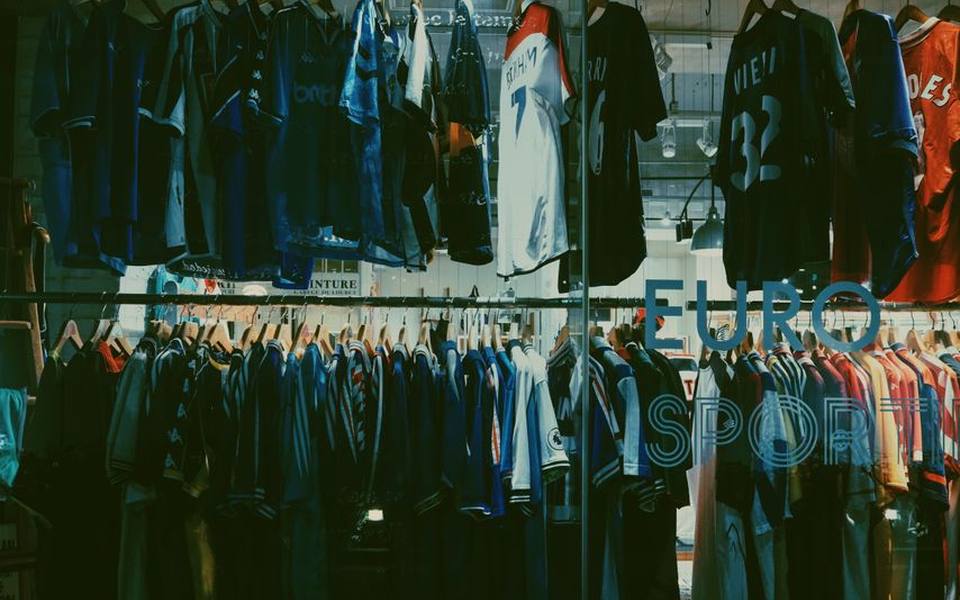
When designing soccer uniforms custom tailored for youth or adult leagues, collar selection and sleeve styles represent more than aesthetic choices. Crewnecks remain the standard for durability because they resist tearing during physical play, while modern V-necks and athletic hybrid collars provide a bit more breathing room around the neck. Raglan sleeves, which feature a continuous diagonal seam from the collar down under the arm, offer significantly greater range of motion for aggressive shoulder rotation and overhead throw-ins than traditional set-in sleeves.
Many programs choose between standard loose cuts and slim athletic fits depending on the age group and competitive level. High school and elite travel clubs often lean toward a fitted silhouette that reduces loose fabric an opposing player might grab during transitions. Recreational youth programs, on the other hand, frequently prefer standard relaxed cuts that allow younger athletes to layer thermal compression wear underneath during colder morning matches without tearing side seams.
Durability in custom made soccer uniforms also hinges on reinforced stitching along critical stress areas. Look for flatlock stitching across the armholes and side vents, which reduces inner seam chafing against bare skin while reinforcing the garment against sudden lateral pulls. High-end soccer shirts custom built for rigorous travel schedules frequently incorporate breathable mesh panels under the arms and across the lower back to maximize cooling where body heat concentrates most.
Brand Name Catalogs Versus Independent Sublimation for Soccer
When outfitting a soccer roster, buyers frequently debate whether to choose major corporate brands or independent custom manufacturers. Programs that target nike custom soccer jerseys or adidas custom soccer jerseys usually work through licensed regional team dealers who pull from official brand teamwear catalogs. These tier-one brand options deliver immediate brand prestige, consistent color matching across seasons, and recognized athletic styling that players and parents often find very appealing.
However, ordering personalized jerseys soccer programs source from big-box labels usually involves a two-step embellishment process. The blank jersey arrives with the manufacturer logo already stitched or pressed, and a third-party print shop must add your club badge, chest sponsor logo, and player numbers. Because each element adds a separate press fee, a high-volume club can quickly see their cost per kit climb, especially if multiple sponsor logos or multicolored club crests decorate the front and sleeves.
Independent dye-sublimation shops operate on a completely different model for customized jerseys soccer teams order. In full dye-sublimation, all artwork—including background patterns, player numbers, club crests, and sleeve sponsors—is printed simultaneously onto transfer paper and bonded into the raw polyester fibers under heat and pressure before panels are sewn together. This means adding five logos and full player names costs the exact same as a single number, offering immense value for community leagues supported by local business sponsors.
Turnaround times also vary substantially between these two paths. Branded catalog jerseys depend on national warehouse inventory; if a specific size or colorway goes out of stock mid-spring, backorders can leave several players without kits. Independent sublimated manufacturers make garments on demand from raw rolls of cloth, meaning discontinued stock lines are rarely an issue, though upfront manufacturing windows can stretch four to six weeks during peak preseason periods.
Numbering, Crests, and Club Personalization Standards
Player identification rules differ across athletic sanctioning bodies, making it essential to consult your league rulebook before ordering. For soccer, most youth organizations, high school athletic associations, and adult amateur leagues require numbers between six and eight inches tall on the back of the shirt, centered cleanly between shoulder blades. Many competitive tournaments also mandate smaller three-to-four-inch numbers on the front of the jersey or the left short leg to help referees record infractions and substitutions quickly.
Club crests on personalized jerseys soccer players wear represent team identity and community pride, but how you apply them determines their lifespan. Sublimated badges never peel, fade, or crack in commercial laundries, making them ideal for youth kits that see heavy washer cycles. High-density silicone badges and woven patches offer an authentic pro-level raised texture, but they require proper heat-press temperature settings and strong adhesive backings so the edges do not curl after half a season.
Font selection directly affects referee legibility from forty yards away across a wide pitch. Highly decorative or ultra-thin script fonts frequently cause confusion for game officials and tournament scorekeepers. Stick with bold, clean athletic block fonts, and verify adequate color contrast between the lettering and the primary jersey background. If your kit features vertical stripes or multi-tone geometric patterns, place numbers inside a solid color block to ensure they remain legible in low-light stadium conditions.
Don't overlook sleeve patch regulations when finalizing your digital art proofs. State high school associations often dictate exact limits on sponsor logo square inches or prohibit commercial sleeve patches entirely during official play. Keeping your primary design elements restricted to the chest, upper back, and lower hem guarantees your players can step onto any sanctioned pitch without risking uniform violations.
Volleyball Jerseys: Movement, Sleeves, and Libero Rules
Volleyball places extreme demands on upper-body mobility, requiring sudden overhead reaches, diving digs, and powerful spikes. Because of these rapid dynamic movements, custom volleyball jerseys utilize heavier stretch fabrics than standard running or soccer tops. A four-way stretch polyester blended with ten to fifteen percent spandex or elastane allows the jersey to flex naturally with the athlete's shoulders without riding up or bunching uncomfortably around the torso during a dive.
Teams can choose between sleeveless, cap-sleeve, and full long-sleeve configurations depending on gym climate and player preference. Cap-sleeve cuts offer great shoulder articulation while still providing slight coverage, making them the most popular choice for indoor girls' club programs. Long-sleeve jerseys, frequently favored by collegiate and high-level prep programs, offer floor-burn protection on hard gym floors during emergency dives, though they require lightweight underarm gussets to prevent overheating during multi-set matches.
When organizing personalized volleyball jerseys, you must pay strict attention to rules surrounding the libero. In sanctioned play, the designated defensive specialist must wear a jersey that stands in clear contrast to every other teammate on the court. If your starting lineup wears a dark navy uniform, your libero must wear an alternate top, typically white, bright gold, or high-visibility red. Failing to order a distinct contrasting jersey for your libero means your team cannot legally deploy their primary defensive player during tournament matches.
Numbering placement is uniquely rigid in volleyball governing bodies. Front numbers must measure at least four inches tall and sit squarely on the center of the chest, while back numbers must measure at least six inches tall. League inspectors regularly check that numbers are clearly distinct from any body striping or sleeve artwork, so subtle tone-on-tone color palettes should always be avoided on volleyball competition tops.
Track and Field Uniforms: Singlets, Shorts, and Compression
In track and field, fractions of an ounce make a noticeable psychological and physical difference to sprinters, hurdlers, and distance runners. Traditional custom track uniforms feature ultra-lightweight polyester singlets engineered to stay as dry as possible through multiple heats on warm sunny afternoons. Custom running jerseys for cross-country and track squads prioritize open arm openings, wide necklines, and racerback cuts that completely eliminate strap slippage across the shoulder blades during a sprint stride.
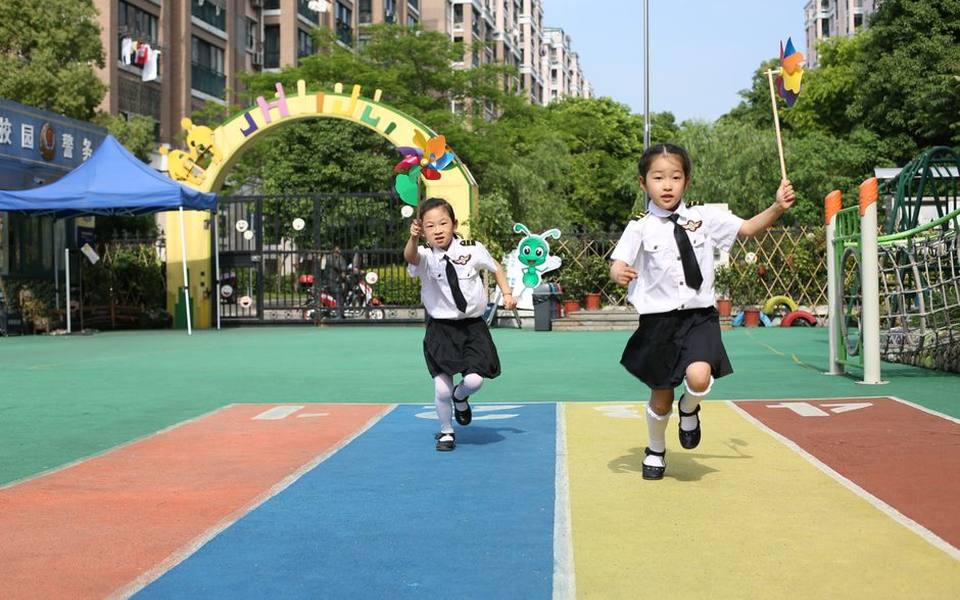
School districts and track clubs frequently order two distinct silhouettes: loose-fitting traditional singlets paired with split-leg running shorts for distance events, and skin-tight compression tops paired with speed shorts or full speedsuits for sprinters and field athletes. When designing custom track and field uniforms, ensure that both cuts share identical color codes, font placements, and side-panel graphics. Sanctioned invitationals and state meets enforce strict uniformity rules where all relay team members must present visibly identical team tops and matching bottoms.
For spring meets in northern states, track programs often cross-train in multi-sport training centers where conditioning work takes place indoors before outdoor tracks clear of snow. Outfitting your athletes with custom warm-up windbreakers and brushed-fleece track pants featuring ankle zippers ensures they stay warm between preliminary heats and finals without having to remove their spikes. Warm-up apparel should coordinate with your singlet design so your team projects a cohesive presence on the infield.
Sublimation is especially valuable for track singlets because thick screen-printed ink can impede breathability across the chest, acting like a plastic shield that traps heat. Sublimated track tops retain full textile porosity, ensuring that sweat evaporates unimpeded across the runner's chest and back even in mid-day summer invitationals.
Tackle and Flag Football Jerseys: Gauges, Mesh, and Durability
Football jerseys face more mechanical stress than uniforms for any other team sport. A tackle football jersey must stretch over bulky shoulder pads, withstand constant grabbing from defensive linemen, and survive abrasive impacts on synthetic turf. Tackle jerseys feature durable dazzle or cordura polyester shoulder yokes paired with flexible porthole mesh body panels that permit airflow around the ribcage. Elasticized spandex side inserts ensure the jersey hugs the pads tightly, leaving opposing tacklers fewer loose folds to grasp.
Flag football leagues require an entirely different jersey specification. In flag play, jerseys must tuck securely into shorts or finish with an elasticized hem that sits well above the belt line. If a jersey drapes loosely over the hips, it obstructs the opposing player's reach toward the flag belt, resulting in accidental holding penalties or torn fabric. Custom flag jerseys are typically constructed from lightweight soccer-style interlock polyester rather than heavy pad-ready tackle mesh, prioritizing agility, breathability, and quick washing.
Numbering for football must be large and instantly readable from high press boxes and distant sidelines. Typical high school and youth tackle regulations call for ten-inch numbers on the jersey back and eight-inch numbers on the front, with optional three-to-four-inch TV numbers on the sleeve caps or shoulders. Double-layer tackle twill, where numbers are cut from heavy twill fabric and zigzag stitched around the perimeter, represents the gold standard for tackle longevity, while screen printing or sublimation remains standard for recreational flag leagues.
Sizing tackle football jerseys requires measuring players while they are actually wearing their shoulder pads and backplates. A youth player who normally wears an adult small t-shirt may require an adult large jersey once shoulder pads are strapped in place. Overlooking pad clearance leads to torn necklines and popped arm seams during the first live tackling drill.
Printing Methods Explained: Sublimation, Heat Press, and Screen Print
Choosing the right embellishment technique directly dictates the cost, appearance, and longevity of your athletic apparel. The three dominant decorating methods across team sports are full dye-sublimation, screen printing, and heat transfer vinyl. Each method has distinct technical strengths and budget sweet spots depending on order size and sport requirements.
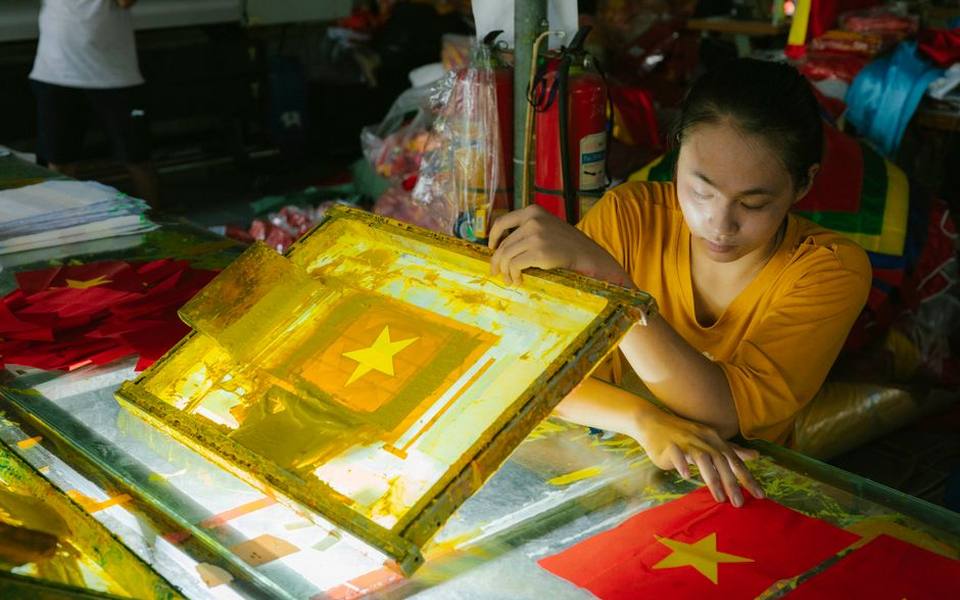
Screen printing involves pressing liquid plastisol or water-based inks through mesh stencils onto pre-sewn garments. It is exceptionally cost-effective for large batch orders of single-color training shirts, practice pinnies, or simple booster club merchandise. However, screen printing charges increase with each additional ink color, and plastisol inks can feel heavy on high-performance moisture-wicking shirts, occasionally cracking or flaking after extensive washing in hot water.
Heat transfers and cad-cut vinyls work best for applying individual player names and roster numbers to pre-manufactured stock jerseys. Modern polyurethane heat films are thinner and far more flexible than the stiff rubbery patches of decades past, stretching naturally with athletic fabrics. Nevertheless, poorly calibrated heat presses can lead to edge peeling over time, especially if parents wash jerseys in hot water or run them through high-heat commercial dryers.
Dye-sublimation remains the industry favorite for custom performance kits across soccer, track, and volleyball. Because sublimation turns solid dye directly into gas that molecularly bonds with the polyester thread, there is zero added ink weight and no textured surface to peel or trap heat. Sublimation empowers teams to incorporate complex gradient striping, camo accents, and sharp typography without paying extra setup fees for each individual visual element.
Fitting Samples, Roster Logistics, and Sizing Across Ages
Sizing discrepancies represent the single biggest headache for team equipment managers and volunteer parents. Relying strictly on generic size charts printed on a vendor website frequently results in jerseys that fit too tightly or hang down to a player's knees. Athletic cuts vary substantially between manufacturers, with European soccer cuts running noticeably slimmer than standard American athletic fits. Whenever possible, request a physical sizing kit containing sample jerseys from youth small to adult extra-large before finalizing your roster order.
When collecting player sizes, schedule a mandatory fitting night during a practice session at your home field or local batting cages and multi-sport complexes. Having players try on actual blank garments eliminates guesswork and prevents parents from ordering two sizes larger in anticipation of future growth spurts. While ordering slightly larger makes sense for youth track singlets that might see use over two seasons, overly baggy soccer or volleyball tops can hinder athletic performance on the field.
Be sure to account for goalie and libero specifics when assembling your roster spreadsheet. Soccer goalkeepers typically prefer long-sleeve tops with ribbed wrist cuffs and lightly padded elbows, and their jersey color must contrast with both teams and the match officials. Volleyball liberos, as noted, must have a contrasting color scheme, but they generally wear the same fabric cut and sizing profile as standard court players.
Establish an unshakeable cutoff deadline for roster submissions that sits at least seven business days ahead of your vendor's hard production window. Late additions from delayed league registrations or tryout callbacks will either hold up the entire team shipment or require costly individual rush runs that incur separate setup charges and premium freight rates.
Managing Budgets, Reorders, and Off-Season Replacements
A successful uniform purchase requires planning for the full life cycle of the jersey, not just initial delivery for opening week. Sports programs operating in high-volume regions like athletic complexes in Texas routinely rotate travel rosters between fall and spring campaigns, meaning new players will inevitably join mid-year. Inquire with your supplier about their minimum order quantities for mid-season fill-ins before signing your primary contract.
Many custom manufacturers require a minimum order of ten to twelve pieces for standard production runs. If a single replacement jersey requires meeting that baseline, replacing one lost shirt could cost hundreds of dollars. Seek out suppliers that offer open reorder programs or keep your digital template files active on server archives, allowing you to reorder single jerseys at a fair agreed-upon unit rate when mid-season injuries or roster moves happen.
Caring for technical athletic wear is another area where coaching staffs should educate athletes and families. Modern polyester blends should always be washed inside-out in cold water using mild liquid detergent, avoiding fabric softeners that leave waxy chemical coatings that clog moisture-wicking pores. Line drying or tumble drying on low heat preserves vinyl numbers, silicone chest patches, and elastic shoulder hems for multiple seasons of rigorous play.
By aligning your sport's governing uniform rules with the proper printing technique and establishing rigorous sizing procedures, you eliminate uniform day anxiety. A well-constructed, properly fitted jersey gives athletes pride when they step out onto the court, track, or pitch, letting them focus entirely on competing and enjoying the game.
Published 2026-09-21 · reviewed with each rebuild, last October 2026.
Find batting cages & baseball training near you
The directory lists 7,750 batting cages & baseball training by state and city — pick your state or use the “Near me” button in the header.
More guides
-
 Owning
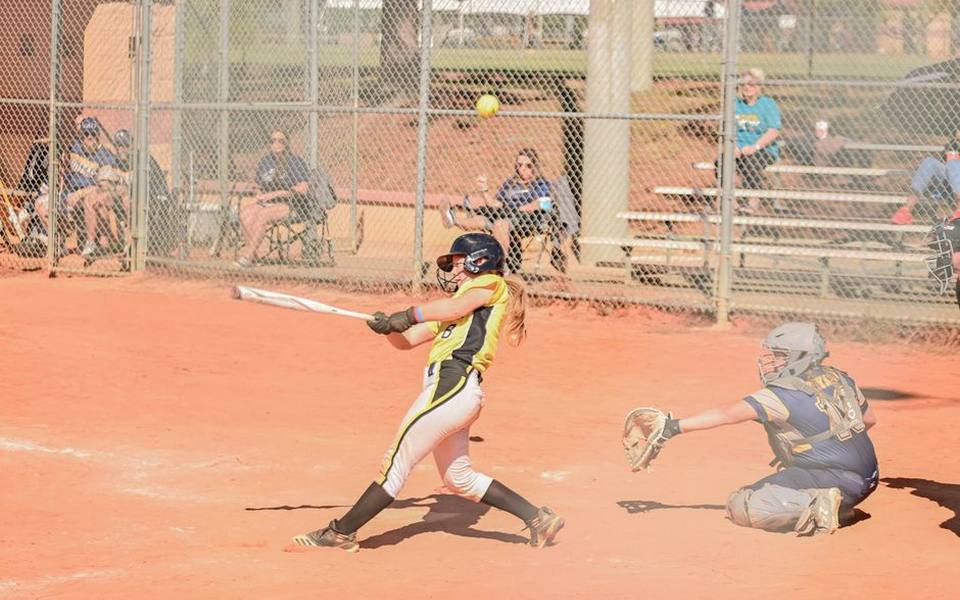
Mastering Softball Mechanics: From Cage Drills to Game-Day Power
-
 Money
MoneyUnderstanding the Expenses of Renting and Building Batting Cages
-
 Safety
Pitching Mechanics: How to Throw Breaking Balls and Build Arm Velocity
-
 Service
Fundamental Swing Mechanics and Handling Breaking Pitches
-
 Owning
Slow Pitch Softball Hitting Guide: Mechanics for Power and Contact
-
 Owning
Building a Consistent Softball Swing: Mechanics, Drills, and Practice Routines
-
 Safety
Pitching Mechanics: Throwing Breaking Pitches and Building Velocity Safely
-
 Owning
Understanding Travel Baseball: Costs, Commitments, and Evaluating the Fit
-
 Buying
Ultimate Guide to Batting Cages and Hitting Nets: Types, Sizing, and Setup
-
 Safety
Youth Baseball Rules: Field Dimensions, Pitch Limits, and Age Brackets
-
 Owning
Batting Practice Essentials: Pitching Machines, Hitting Drills, and Training Equipment
-
 Buying
Baseball & Softball Bat Buying Guide: Sizing, Materials, Certifications, and Custom Options
-
 Owning
Agility Ladder Workouts and Footwork Drills for Baseball and Softball
-
 Safety
Protective Baseball Gear Guide: Catchers Gear, Thumb Guards, and Helmet Sizing
-
 Owning
Baseball & Softball Glove Guide: Sizing, Break-In, Relacing, and Maintenance
-
 Buying
Official MLB and Minor League Team Stores: Buying Authentic Fan Gear
-
 Service
Understanding Baseball Sabermetrics: Core and Advanced Stats Explained
-
 Service
Corporate Team Building Guide: Outings, Events, and Venue Selection
-
 Buying
A Complete Guide to Ordering Custom Baseball Uniforms and Team Apparel
-
 Owning
Complete Little League Guide: Schedules, Divisions, Rules, and Grants
-
 Buying
Local Sporting Goods Stores: Finding Gear, Trade-Ins, and Used Bats
-
 Buying
Baseball Birthday Party Ideas: Decorations, Supplies, and Themes
-
 Service
Youth Baseball and Softball Camps: Showcases, Academies, and Clinics
-
 Buying
Custom Fan Apparel and Varsity Jackets: Customization and Sizing
-
 Safety
Youth Pitching Arm Safety: Treating Little League Elbow and Shoulder Injuries
-
 Buying
Custom Baseball and Softball Uniforms: Design, Sublimation, and Ordering Guide
-
 Owning
Youth Baseball and T-Ball Drills: Practice Plans for Coaches and Parents
-
 Safety
Youth Baseball Sizing Guide: Batting Helmets, Gloves, and Protective Gear
-
 Buying
Commercial and Backyard Pitching Machines: Buyer's Guide and Field Maintenance
-
 Service
How to Choose and Enroll in Baseball and Softball Training Camps
-
 Service
Baseball & Softball Hitting Instruction, Swing Tech & Private Coaching Guide
-
 Safety
Baseball & Softball Helmet Sizing and Fit Guide
-
 Owning
How to Build and Outfit a Batting Cage and Hitting Facility
-
 Service
Baseball & Softball Glove Relacing, Restringing, and Care Guide
-
 Safety
Catcher's Gear Sizing, Protection, and Defensive Blocking Mechanics
-
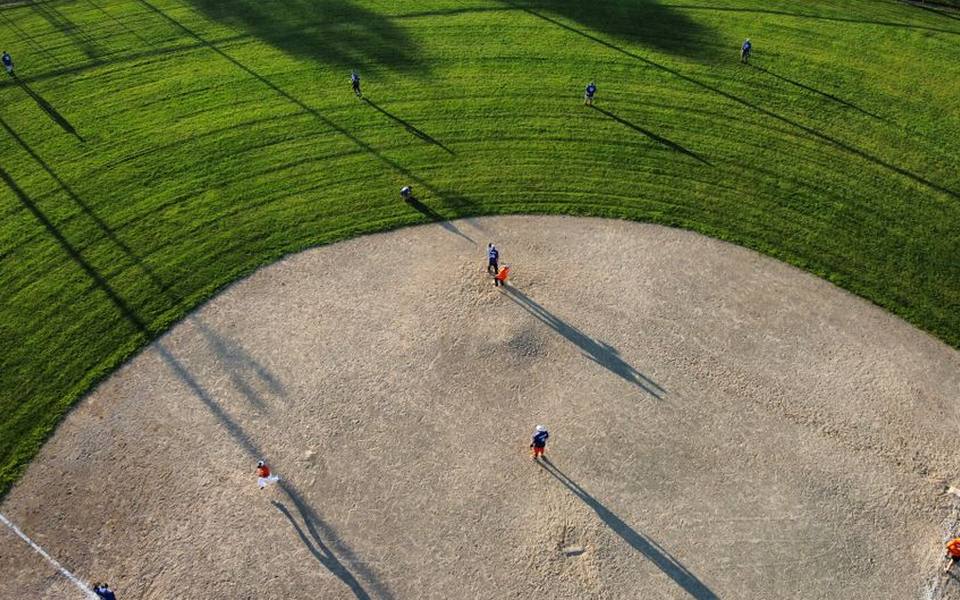 Service
Baseball Camps, Youth Academies, and Showcase Tryouts Guide
-
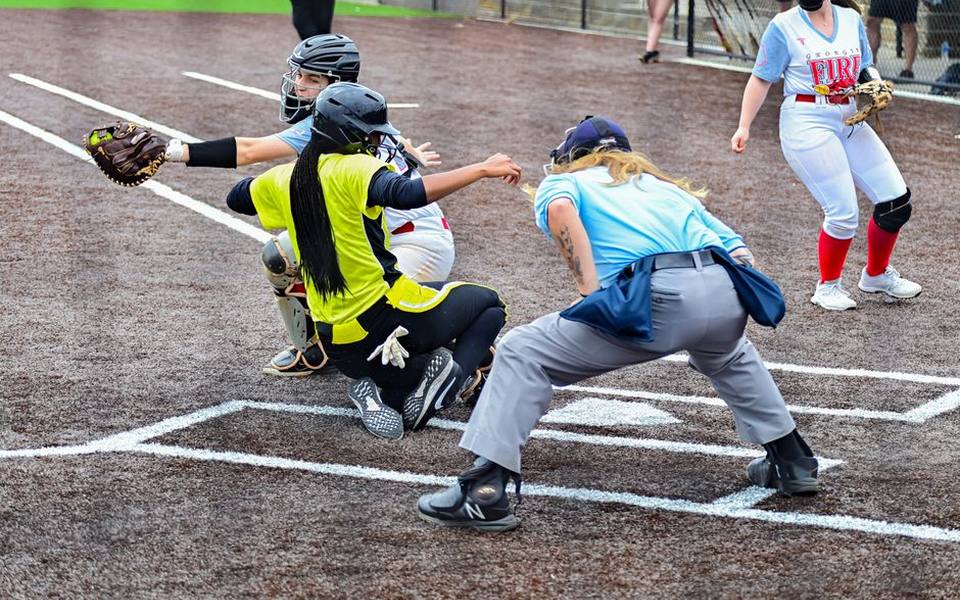 Owning
Adult Baseball, Softball, and Backyard Leagues: A Complete Guide to Modern Formats
-
 Service
Planning Team Building Events, Parties, and Fundraisers at Sports Venues
-
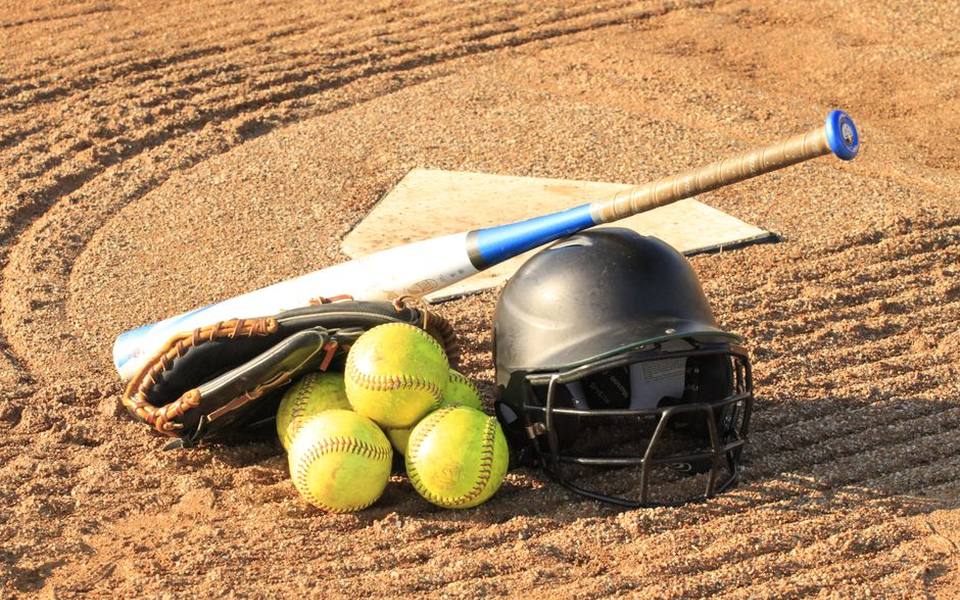 Service
Softball Mechanics, Pitch Grips, and Gear Sizing Guide