The Evolution of Modern Baseball Evaluation
Baseball was once evaluated almost entirely through surface-level box scores consisting of batting averages, home runs, pitching wins, and fielding percentages. While those traditional numbers captured highlights, they often masked critical underlying player tendencies and value. Modern analytics, commonly referred to as sabermetrics, emerged because coaches and front offices wanted more predictive, objective tools to measure exactly how individual actions contribute to winning games over a long season.
Today, analysts look past isolated outcomes to study how consistently a batter controls the strike zone, how hard a ball leaves the bat, and how a pitcher limits dangerous contact. This analytical shift does not diminish the excitement of the sport; rather, it gives players, scouts, and passionate fans a clearer lens into game dynamics. Understanding these metrics helps amateur players diagnose their own performance when practicing in local batting cages and hitting facilities.
The modern game balances traditional observation with statistical rigor. While a scout still watches for balance, arm action, and mental toughness, the data verifies whether a player's production is sustainable or merely the byproduct of random luck. By learning how these core formulas interact, anyone can follow big-league broadcasts with deeper insight and apply meaningful targets to their own personal development.
Decoding On-Base Plus Slugging and Modern Hitter Output
One of the first questions fans ask when looking at modern scoreboards is what on-base plus slugging represents. Commonly abbreviated as OPS, this statistic combines a player's on-base percentage (OBP) with their slugging percentage (SLG). While batting average treats every single, double, triple, and home run as an identical hit, OPS rewards hitters who draw walks, reach base reliably, and hit the ball with extra-base authority.
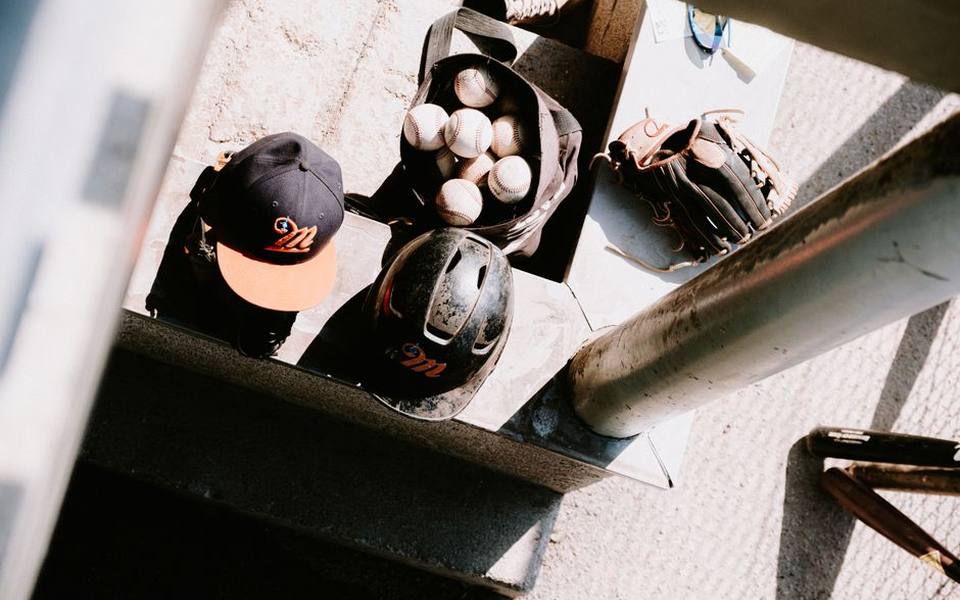
Calculating OPS is straightforward because it is literally the sum of two separate percentages. If an athlete reaches base forty percent of the time (.400 OBP) and slugs at a rate of five hundred (.500 SLG), their total OPS stands at .900. In general, an OPS around .720 to .750 is considered typical or league-average in professional circuits, while marks approaching .850 or .900 represent elite offensive threats capable of anchoring any lineup.
The primary strength of OPS is its simplicity, though purists note that on-base ability is technically more valuable for run creation than raw slugging. Even with that minor flaw, OPS remains the most popular baseline metric for evaluating total offensive firepower. Many athletes seeking to raise their slugging numbers schedule dedicated hitting lessons to refine mechanics that produce consistently barrelled line drives.
Tracking OPS over an extended schedule reveals whether a hitter is truly dynamic or one-dimensional. A batter who posts a high batting average but rarely walks or hits for extra bases will typically display an ordinary OPS. Conversely, disciplined sluggers who draw frequent free passes and drive balls into the gaps generate far more scoring opportunities for their teams, even if their traditional average hovers in the modest range.
Evaluating Run Production and the Traditional RBI Metric
Few traditional statistics carry as much historical weight as the run batted in, widely known across scoreboards as the RBI. An RBI is credited to a batter whenever their plate appearance results in a run scoring, whether through a clean hit, a sacrifice fly, an infield groundout, or a bases-loaded walk. Historically, coaches evaluated middle-of-the-order hitters almost entirely by their capacity to drive in baserunners across a full campaign.
Scouts today recognize that the historic leaders in runs driven in often benefited substantially from the offensive quality of their teammates. If the lead-off hitters in front of an athlete reach base constantly, that athlete will naturally encounter significantly more opportunities with runners in scoring position. An equally skilled hitter batting with empty bases simply cannot compile identical totals, making seasonal RBI totals heavily dependent on team context.
Despite its analytical limitations, run production remains the ultimate objective of every offensive inning. Watching elite run producers reveals a common trait: exceptional plate discipline under pressure and the technical ability to put the ball in play when infielders are back. While sabermetricians favor independent rate statistics, producing productive outs that plate runners remains a prized fundamental across all competitive levels.
Gauging Pitching Command with ERA and WHIP
Pitching analysis begins with earned run average, universally referred to as ERA. This metric measures the number of earned runs a pitcher allows for every nine innings pitched, effectively standardizing performance regardless of how many total innings an arm covers. Runs that cross the plate due to defensive errors or passed balls are ruled unearned and do not count against the pitcher's ERA, preserving focus on true pitching run prevention.
While ERA outlines overall run suppression, WHIP offers a sharper look at immediate command. Standing for walks plus hits per inning pitched, WHIP calculates the average volume of base traffic a pitcher allows each frame. An arm that frequently works out of jams might preserve a decent ERA temporarily, but an elevated WHIP typically warns coaches that trouble is looming once batted balls stop landing in gloves.
In most professional and elite amateur leagues, a WHIP under 1.20 signals excellent command and efficiency, while marks above 1.40 indicate persistent danger on the basepaths. Evaluating ERA and WHIP side by side provides coaches with a clear diagnosis of mound performance. Pitchers struggling with elevated traffic often spend offseason time inside climate-controlled indoor batting cages refining their delivery against live practice hitters.
Modern analytics also factors in independent pitching metrics like strikeout-to-walk ratios and fielding independent pitching to verify ERA trends. However, WHIP remains an indispensable staple on scouting reports because reducing walks and hits directly lowers pitch counts. Controlling the strike zone prevents extended innings, protects bullpen depth, and consistently gives any club a dependable chance to win.
Understanding Wins Above Replacement as a Unified Metric
Evaluating a player's complete contribution across hitting, defense, and baserunning historically required juggling multiple disjointed scorekeeping sheets. Wins Above Replacement, widely known as WAR, was developed to synthesize every facet of on-field play into a single, comprehensive number. WAR asks a straightforward question: how many more wins does this athlete provide compared to a readily available minor-league call-up or bench substitute?
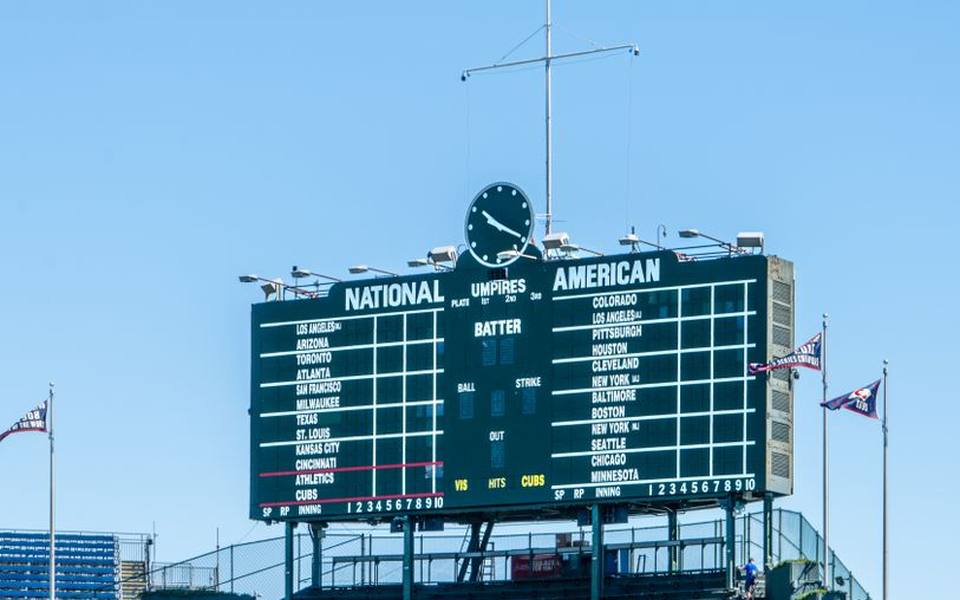
The framework of WAR considers position difficulty, ballpark dimensions, offensive run creation, and defensive runs saved against historical league norms. A Gold Glove shortstop providing moderate offensive punch might generate a WAR comparable to a designated hitter with explosive power, simply because playing premium middle-infield defense is exceptionally demanding. This holistic viewpoint prevents one-dimensional sluggers from overshadowing elite defensive anchors.
Two prominent versions exist within baseball research—one compiled by baseball-reference and another by FanGraphs—each using slightly different formulas for defensive charting and pitching context. In general terms, a seasonal WAR between two and three marks a dependable starter, while numbers surpassing five indicate an All-Star campaign. Reaching eight or more over a summer signifies an MVP-caliber performance.
Though WAR provides an extraordinary framework for comparing players across different eras, analysts treat it as a guide rather than absolute truth. Decimal differences between two athletes do not objectively prove one is undeniably superior. Rather, WAR establishes a clear tier of overall value, helping front offices negotiate fair contracts and allocate playing time across rigorous competitive schedules.
The Mechanics and Drama of Major League Hitting Streaks
A hitting streak is among the most visible and nerve-wracking milestones in baseball, defined as recording an official base hit in consecutive games. Maintaining a streak demands exceptional hand-eye coordination, mental resilience against fatigue, and a fair amount of good fortune. A single game featuring four hard-hit line drives directly into outfielders' gloves can abruptly snap a multi-week run of consistent hitting.
Tracking daily streaks provides fans with an engaging narrative across the marathon summer calendar. The gold standard in professional baseball remains Joe DiMaggio's historic 56-game hitting streak achieved in 1941, a benchmark that modern statistical modeling suggests may stand indefinitely. Given modern pitching velocity, specialized relief bullpens, and advanced defensive positioning, maintaining a streak beyond twenty or thirty games requires flawless focus.
Official scoring rules heavily influence streak survival. If an athlete reaches base exclusively via a fielding error, a fielder's choice, or a walk, the plate appearance does not count as a hit, potentially terminating the streak unless zero official at-bats were logged. Dedicated hitters working to sustain offensive consistency often log routine reps at baseball and softball training facilities to preserve muscle memory through slumps.
Reading Modern Leaderboards and Evaluating Hitting Leaders
Following offensive leaders across professional baseball used to mean checking who held the highest batting average on Sunday morning. In contemporary scorekeeping, tracking league leaders requires looking at a broader dashboard that includes weighted on-base average (wOBA) and park-adjusted metrics like OPS-plus. These tools correct for distinct environmental factors, such as thin air in mountain venues or deep outfield fences in coastal parks.
When studying the players sitting atop national hitting charts, modern scouts examine strikeout rates alongside walk percentages. An athlete who posts impressive contact numbers while maintaining a disciplined strikeout rate below fifteen percent demonstrates rare barrel control. Conversely, hitters whose statistics depend on abnormally high batting averages on balls in play often experience steep regression once defensive positioning adjusts.
The best hitters consistently rank near the top across multiple distinct categories, including extra-base hits, total bases, and hard-hit percentage. Evaluating leaders through this multi-dimensional lens prevents fans from being misled by a hot two-week stretch. Elite offensive performers display repeatable plate mechanics and an adaptable approach that survives against elite velocity and wiping breaking pitches.
Deceptive Motions on the Mound: What Defines a Balk?
Among all baseball rules, few provoke as much confusion from casual spectators as the balk. Designed to prevent pitchers from unfairly deceiving baserunners, a balk is an illegal motion committed by a pitcher on the mound when runners are aboard. When an umpire signals a balk, the play is immediately declared dead or delayed-dead, and every baserunner advances one base without liability to be put out.
The primary trigger for a balk involves failing to come to a distinct, discernible stop while pitching from the stretch position. If an arm rushes their delivery without pausing their hands and body, the deceptive motion catches runners off guard. Similarly, feinting a throw to first base without stepping off the rubber, or failing to step directly toward the intended bag before throwing, results in an automatic penalty.
Pitchers can also commit a balk by dropping the baseball while in contact with the pitching plate or initiating a pitching windup without completing the throw. The rule exists to ensure baserunners have an honest opportunity to gauge leads and read movement. Umpires monitor foot placement closely, especially watching whether a left-handed hurler crosses the forty-five-degree line toward home plate while attempting a pickoff.
Mastering legal pickoff moves and smooth set positions is an essential component of high school and collegiate pitching development. Young pitchers must balance aggressive pickoff moves against the risk of an untimely infraction. A balk with a runner on third base hands the offensive team a free run, reinforcing the need for disciplined footwork and steady mound composure under pressure.
Contextualizing Summer League and Amateur Performance Data
Amateur baseball relies heavily on summer collegiate leagues and showcase tournaments to assess prospect potential under unique competitive pressures. Evaluating performance in these settings requires caution, as sample sizes are naturally condensed into roughly thirty to fifty games. A hitter might post eye-popping batting numbers over a month simply due to warm weather, fatigued pitching staffs, or favorable home field dimensions.
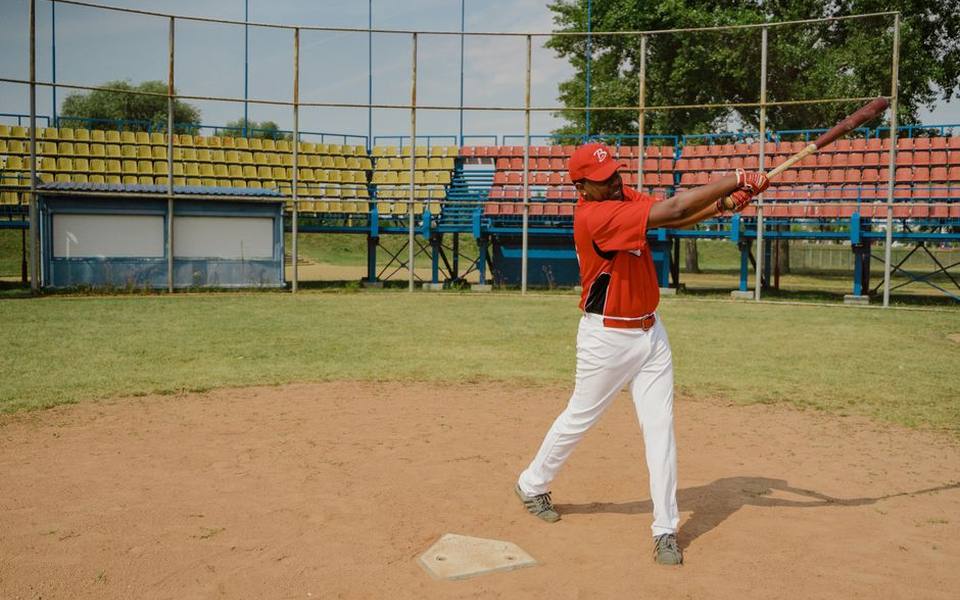
One critical aspect of amateur evaluation involves the transition to solid wood bats after playing spring schedules with composite or aluminum alloys. Wood bats drastically penalize mis-hit contact off the end of the barrel or near the label, quickly exposing technical flaws in a player's swing path. Hitters competing across prestigious circuits in regions like amateur programs across Texas must rely on genuine bat speed rather than trampoline effects.
Scouts studying summer statistics prioritize underlying developmental indicators rather than surface-level batting averages. They track how young hitters handle professional-grade breaking balls, how pitchers maintain velocity when pitching on short rest, and whether strikeout rates spike against elevated arm slots. Treating summer numbers as one puzzle piece alongside physical projectability yields an accurate forecast of an amateur player's ceiling.
Applying Statistical Insight to Cage Training and Practice
Understanding baseball metrics serves little purpose for an active ballplayer unless those insights transfer into better training habits. Modern hitters utilize exit velocity readings, launch angle data, and contact rates gathered during cage work to diagnose mechanical hitches. If your ground-ball percentage is excessively high, the solution often involves adjusting hip rotation and posture rather than guessing blindly.
Simulating game-like pressure during practice sessions bridges the gap between raw analytical knowledge and real-time execution. When practicing inside hitting tunnels, tracking strike-zone discipline and working with machine speeds that match weekend competition establishes realistic expectations. Athletes who evaluate their practice reps objectively find that their on-field OPS and run production climb steadily throughout the tournament season.
Ultimately, numbers provide a language that clarifies the game for fans, players, and coaching staffs alike. Whether deciphering a major-league leader's historic hitting streak or fixing an amateur pitcher's command to lower their WHIP, statistical awareness removes guesswork from player development. Consistent, targeted training grounded in proven baseball principles remains the surest path to measurable on-field progress.
Published 2026-09-21 · reviewed with each rebuild, last October 2026.
Find batting cages & baseball training near you
The directory lists 7,750 batting cages & baseball training by state and city — pick your state or use the “Near me” button in the header.
More guides
-
 Owning
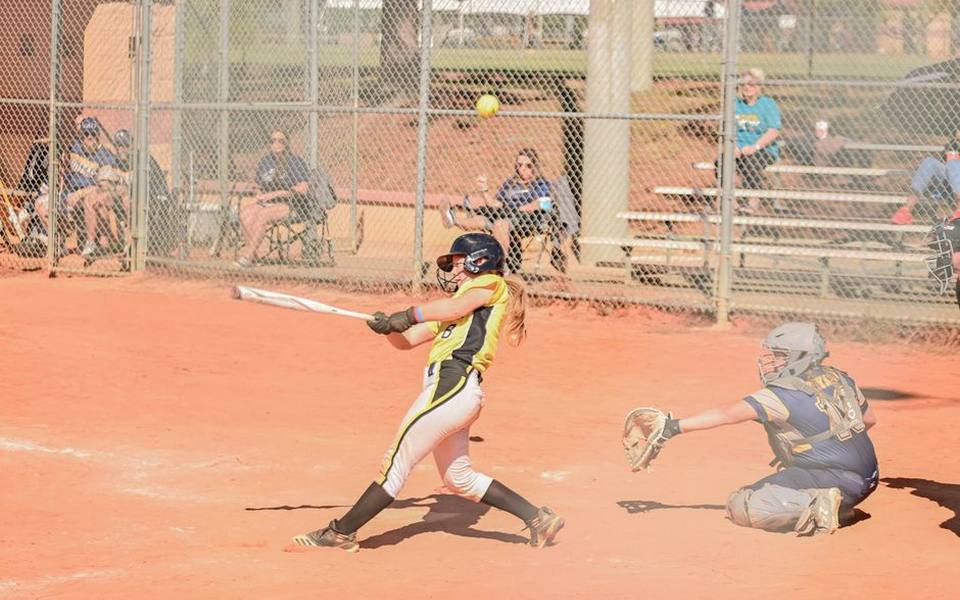
Mastering Softball Mechanics: From Cage Drills to Game-Day Power
-
 Money
MoneyUnderstanding the Expenses of Renting and Building Batting Cages
-
 Safety
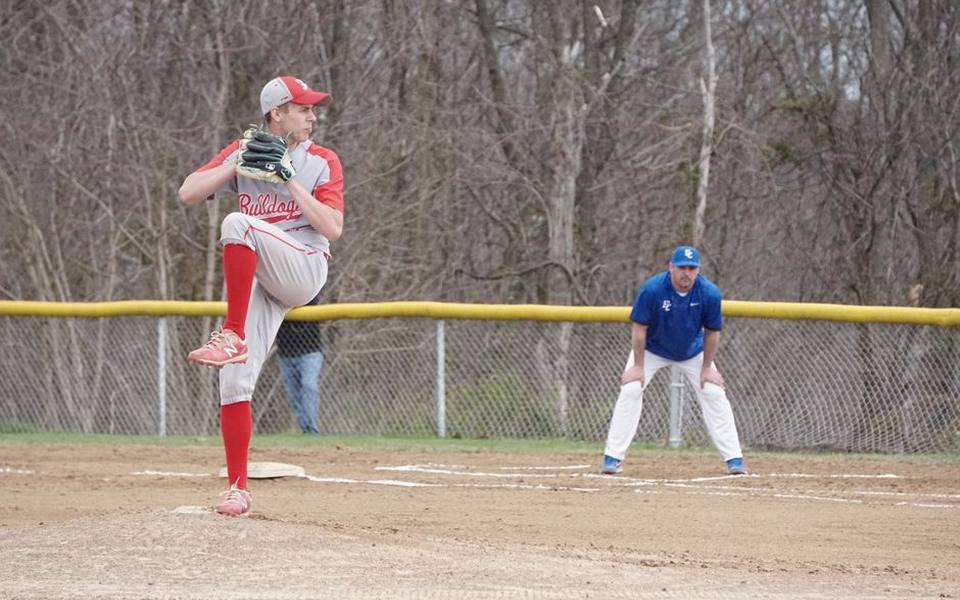
Pitching Mechanics: How to Throw Breaking Balls and Build Arm Velocity
-
 Service
Fundamental Swing Mechanics and Handling Breaking Pitches
-
 Owning
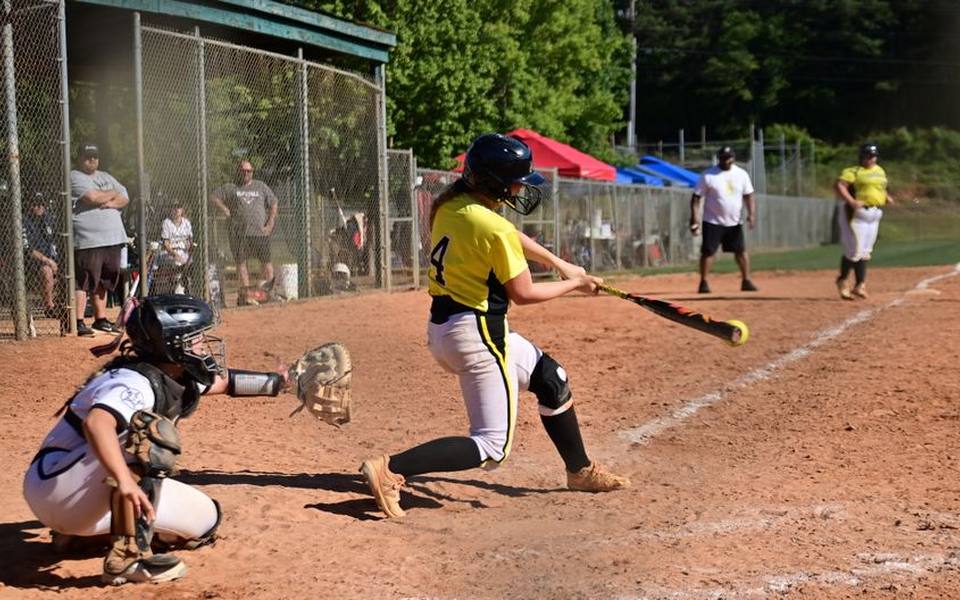
Slow Pitch Softball Hitting Guide: Mechanics for Power and Contact
-
 Owning
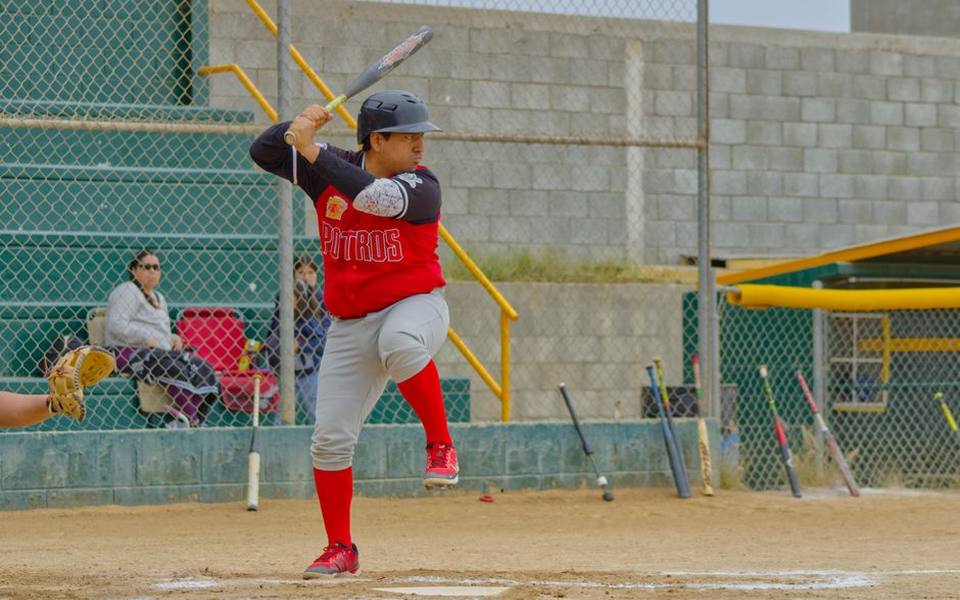
Building a Consistent Softball Swing: Mechanics, Drills, and Practice Routines
-
 Safety
Pitching Mechanics: Throwing Breaking Pitches and Building Velocity Safely
-
 Owning
Understanding Travel Baseball: Costs, Commitments, and Evaluating the Fit
-
 Buying
Ultimate Guide to Batting Cages and Hitting Nets: Types, Sizing, and Setup
-
 Safety
Youth Baseball Rules: Field Dimensions, Pitch Limits, and Age Brackets
-
 Owning
Batting Practice Essentials: Pitching Machines, Hitting Drills, and Training Equipment
-
 Buying
Baseball & Softball Bat Buying Guide: Sizing, Materials, Certifications, and Custom Options
-
 Owning
Agility Ladder Workouts and Footwork Drills for Baseball and Softball
-
 Safety
Protective Baseball Gear Guide: Catchers Gear, Thumb Guards, and Helmet Sizing
-
 Owning
Baseball & Softball Glove Guide: Sizing, Break-In, Relacing, and Maintenance
-
 Buying
Official MLB and Minor League Team Stores: Buying Authentic Fan Gear
-
 Service
Corporate Team Building Guide: Outings, Events, and Venue Selection
-
 Buying
A Complete Guide to Ordering Custom Baseball Uniforms and Team Apparel
-
 Buying
Custom Sports Jerseys Guide: Outfitting Soccer, Track, Volleyball, and Football Teams
-
 Owning
Complete Little League Guide: Schedules, Divisions, Rules, and Grants
-
 Buying
Local Sporting Goods Stores: Finding Gear, Trade-Ins, and Used Bats
-
 Buying
Baseball Birthday Party Ideas: Decorations, Supplies, and Themes
-
 Service
Youth Baseball and Softball Camps: Showcases, Academies, and Clinics
-
 Buying
Custom Fan Apparel and Varsity Jackets: Customization and Sizing
-
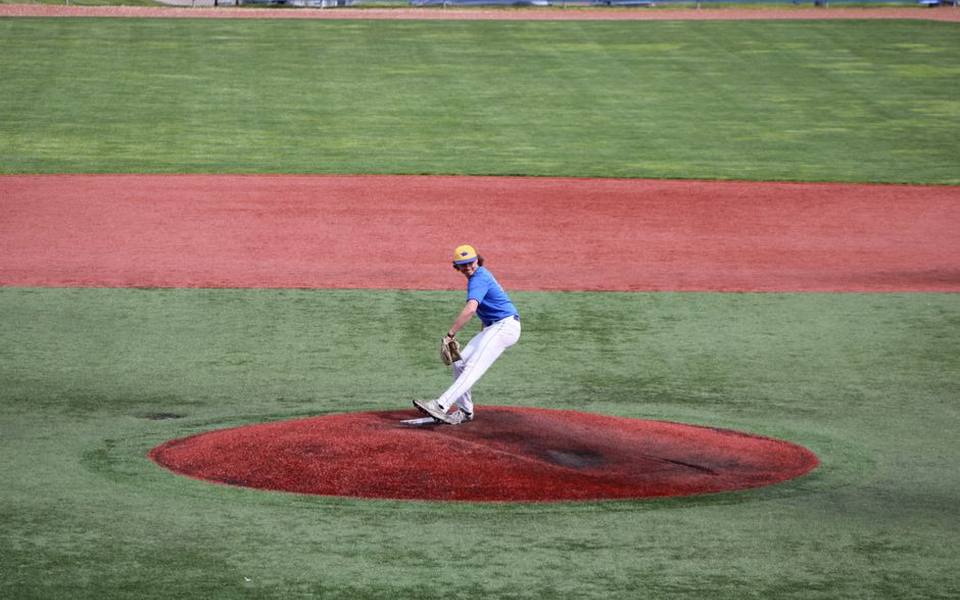 Safety
Youth Pitching Arm Safety: Treating Little League Elbow and Shoulder Injuries
-
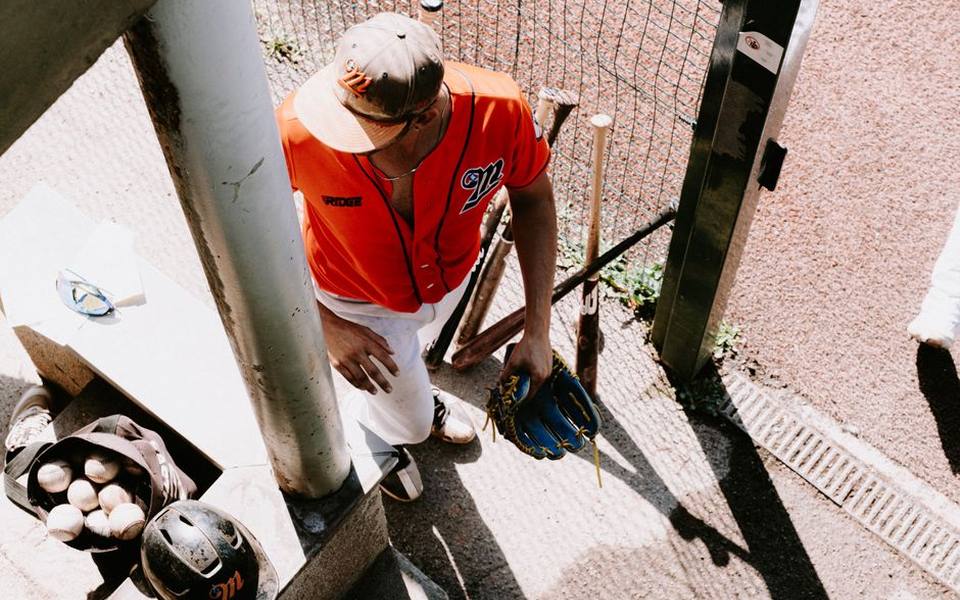 Buying
Custom Baseball and Softball Uniforms: Design, Sublimation, and Ordering Guide
-
 Owning
Youth Baseball and T-Ball Drills: Practice Plans for Coaches and Parents
-
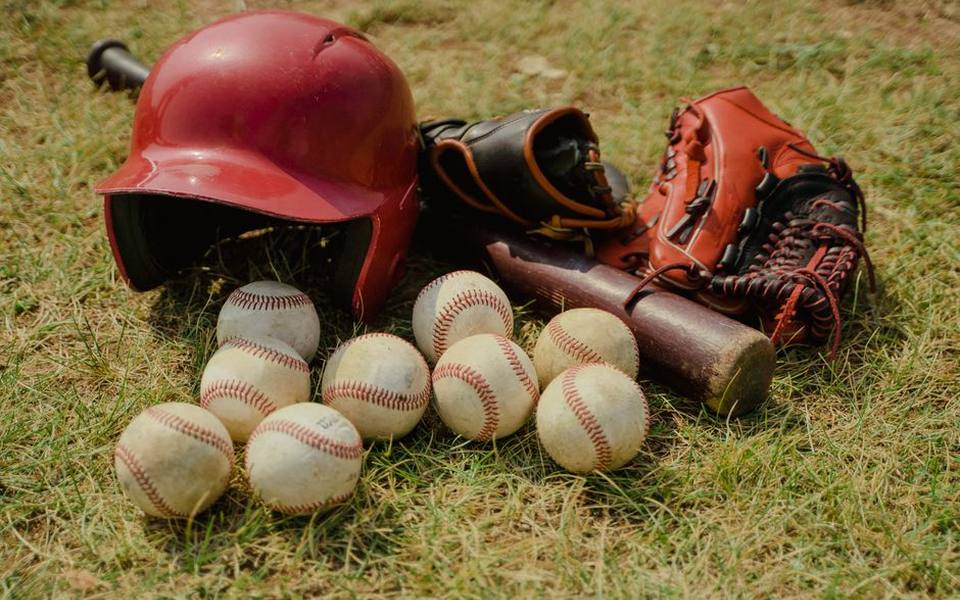 Safety
Youth Baseball Sizing Guide: Batting Helmets, Gloves, and Protective Gear
-
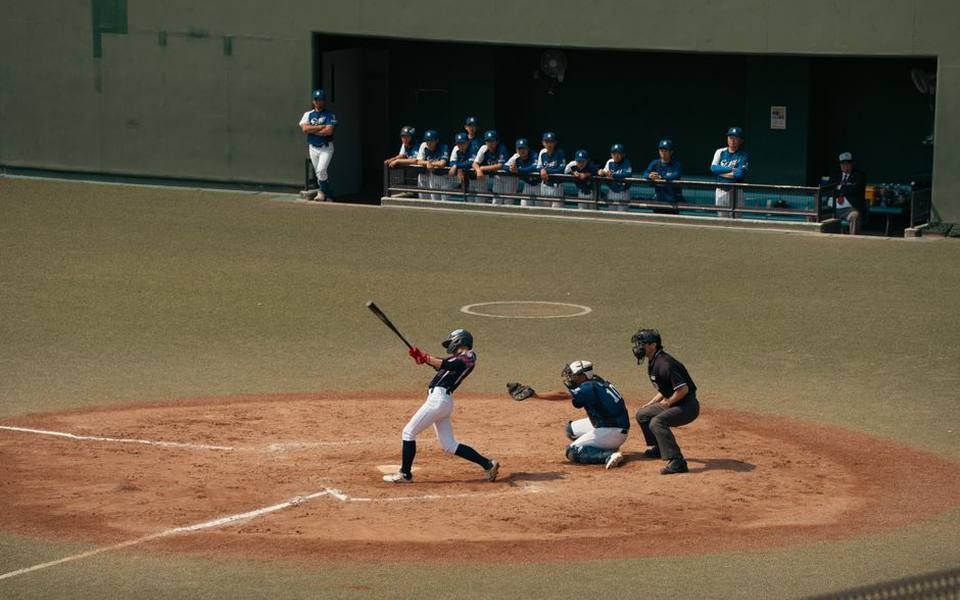 Buying
Commercial and Backyard Pitching Machines: Buyer's Guide and Field Maintenance
-
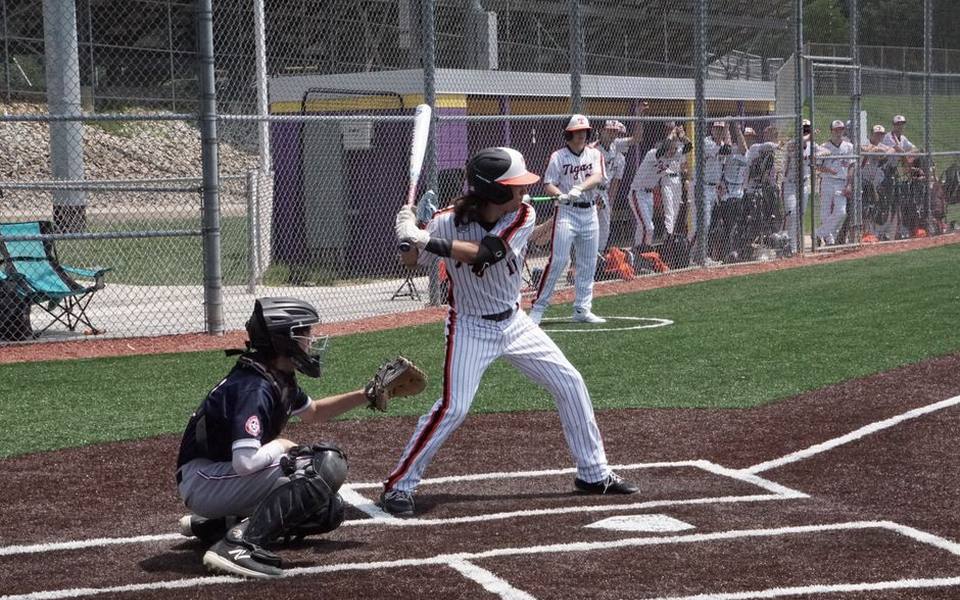 Service
How to Choose and Enroll in Baseball and Softball Training Camps
-
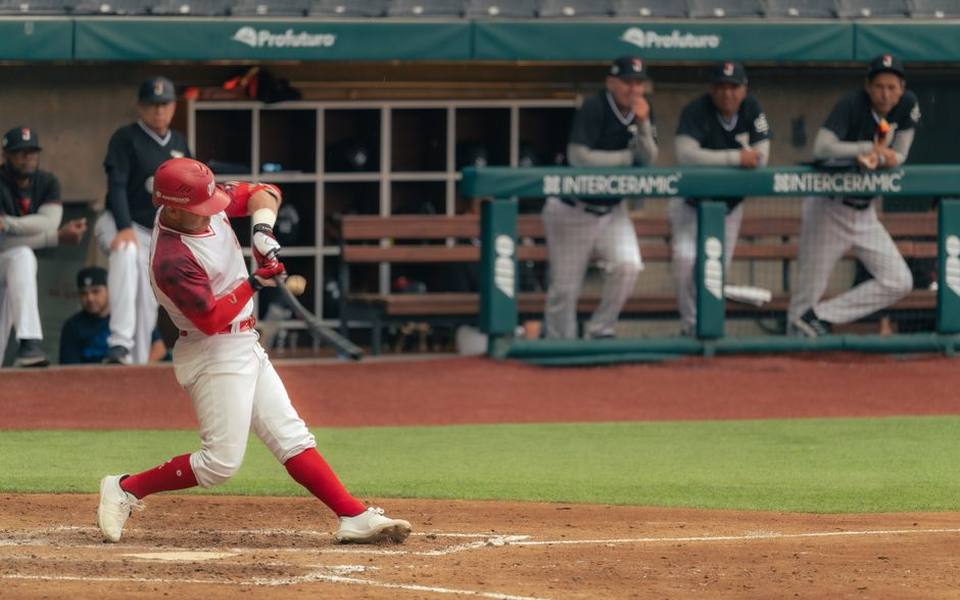 Service
Baseball & Softball Hitting Instruction, Swing Tech & Private Coaching Guide
-
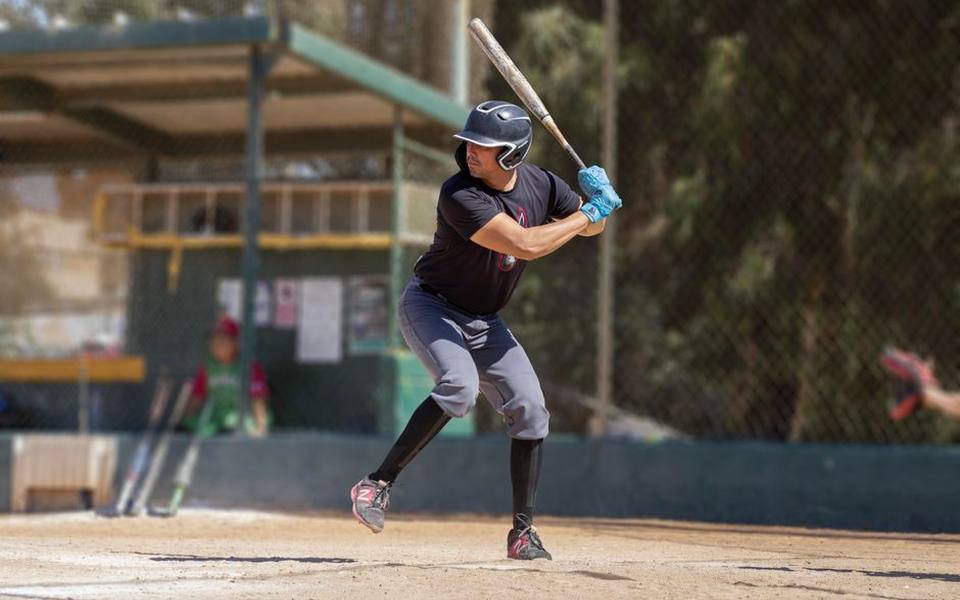 Safety
Baseball & Softball Helmet Sizing and Fit Guide
-
 Owning
How to Build and Outfit a Batting Cage and Hitting Facility
-
 Service
Baseball & Softball Glove Relacing, Restringing, and Care Guide
-
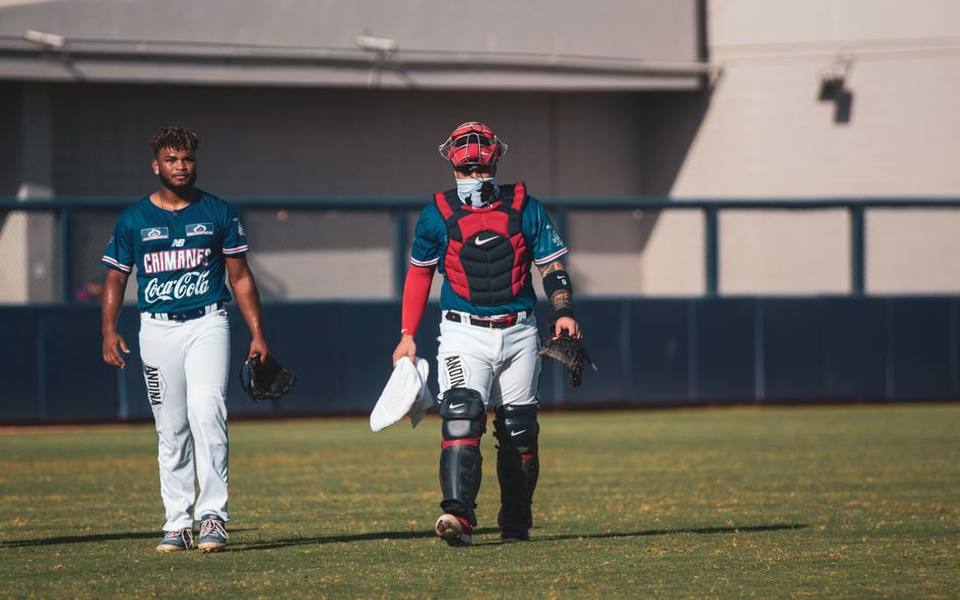 Safety
Catcher's Gear Sizing, Protection, and Defensive Blocking Mechanics
-
 Service
Baseball Camps, Youth Academies, and Showcase Tryouts Guide
-
 Owning
Adult Baseball, Softball, and Backyard Leagues: A Complete Guide to Modern Formats
-
 Service
Planning Team Building Events, Parties, and Fundraisers at Sports Venues
-
 Service
Softball Mechanics, Pitch Grips, and Gear Sizing Guide