Mastering the Fastpitch Slap Bunting Footwork and Contact
Slap bunting is one of the most disruptive offensive weapons in fastpitch softball because it forces the infield defense to rush every single throw. The motion begins well before the ball crosses the plate, demanding that the left-handed hitter create forward momentum while keeping their eyes locked on the release window. Footwork needs to be fluid rather than frantic; rushing the crossover step usually leads to awkward upper-body lunges or stepping outside the batter's box entirely, which results in an immediate dead-ball out. Timing the initial step with the pitcher's hip pass ensures your body moves toward the pitcher smoothly.
The sweet spot of the bat should not swing across the zone with heavy shoulder rotation. Instead, you are presenting the barrel early and working through the top half of the ball with soft, controlled hands. For a drag bunt or a soft push slap, your hands separate slightly on the grip, giving you greater control over the angle of deflection. Keeping the barrel above your wrists prevents pop-ups, which are fatal for slappers. The ideal ball lands within three to ten feet in front of home plate or hugs the third-base line just past the charging fielder.
Power slapping uses the same footwork cadence but introduces full wrist snap and hip clearance through impact. The objective here is driving the ball through the vacated shortstop hole or over the charging third baseman's head. Hitters must practice recognizing pitcher tendencies early in counts, reading whether the corner infielders are creeping in on the grass. Consistent repetition against high-velocity pitching machines or short-toss setups helps players coordinate their footwork rhythm with various pitch speeds and movements.
Choosing the Right Softball Hitting Instructors for Long-Term Development
Finding reliable private coaching requires evaluating teaching philosophy rather than just a coach's playing resume. Dedicated softball hitting instructors focus on mechanical efficiency, rotational power, and vision training rather than forcing every young athlete into a rigid, one-size-fits-all swing style. A good coach examines hip-to-shoulder separation, lower-half engagement, and bat path through the hitting zone. When evaluating candidates, look for instructors who record video footage during cage sessions to clearly demonstrate mechanical hitches and track developmental milestones over multiple months.
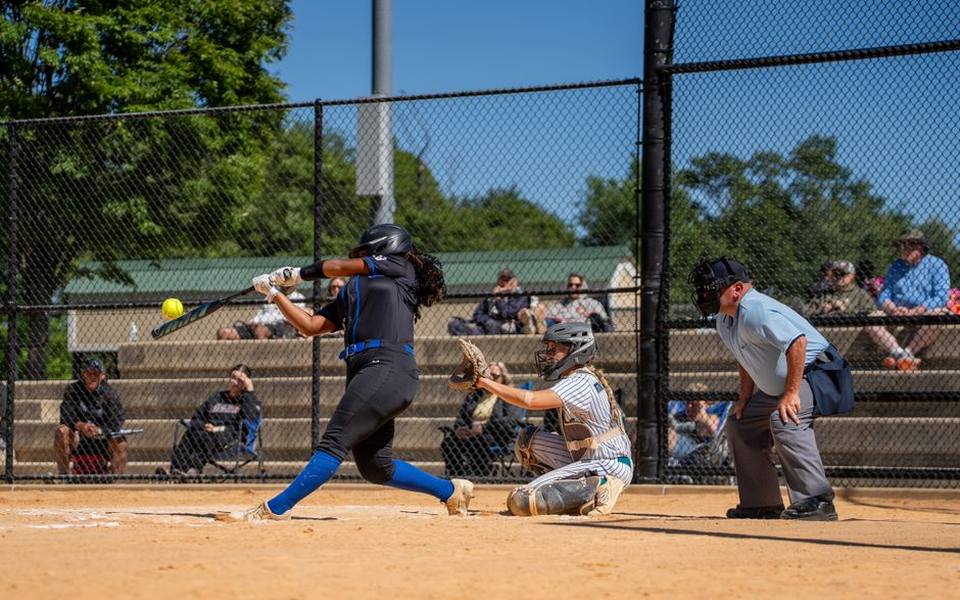
A structured softball lesson should always blend dry mechanical work, tee progression, front toss, and high-intensity cage repetitions. Early in a session, the instructor should isolate weak links, such as casting the hands or prematurely rolling the front wrist. Later stages should challenge the hitter's timing and plate coverage under simulated game counts. Many players find success booking private blocks through dedicated batting cages with hitting lessons where high-speed pitching machines and video analysis tools are readily available.
Communication between the instructor, player, and parents should remain grounded and transparent. If an instructor makes promises of college recruitment within two sessions or constantly overhauls a swing every single week, that is a red flag. True progress takes time, typically requiring months of disciplined practice outside of scheduled sessions. Look for coaches who encourage independent drill work at home and provide tangible checkpoints for exit velocity and launch consistency.
Grips and Mechanics for the Fastpitch Softball Drop Ball
A reliable fastpitch softball drop ball serves as the bedrock of any competitive pitcher's repertoire because it reliably induces weak ground-ball contact. Pitchers generally gravitate toward one of two primary styles: the peel drop or the turnover drop. The choice between them depends largely on finger length, hand strength, and natural arm slot. Regardless of the chosen variation, the pitch relies on sharp forward spin around a horizontal axis to create steep downward movement as it approaches the hitting zone.
The standard peel drop ball grip requires placing the pads of your index and middle fingers directly across the wide seams of the ball. During the delivery, the pitcher maintains a tall posture through release and snaps the fingertips straight upward and backward against the seams, peeling the ball off the hand much like peeling a fruit skin. This motion produces tight 12-to-6 topspin without forcing the shoulder or forearm into unnatural internal rotation, making it easier on younger arms.
Conversely, the turnover drop ball fastpitch variation demands an active roll of the wrist and forearm immediately after release. The pitcher grips the ball across the seams, drives the arm down the power line, and aggressively turns the thumb downward toward the glove-side hip at the hip brush. This pronation emphasizes forward spin, but it requires precise timing; turning over too early results in a flat, elevated mistake pitch that gets hit hard. Dedicating time to throw against a flat wall or pitching net helps cement the required finger pressure.
Dialing in Drop Ball Depth and Game Execution
Even a pitch with tight topspin will fail if the pitcher cannot locate it below the batter's knees. Executing a drop ball softball sequence requires matching your release point to the desired target plane. Pitchers often err by shortening their stride, which causes the ball to pop out high and flatten out over the middle of the plate. Keeping your stride length consistent with your standard fastball allows your momentum to carry forward, driving the ball down into the bottom edge of the strike zone.
Catcher positioning plays a crucial role in framing and receiving the pitch cleanly. Catchers should set their target at the batter's shins or slightly lower on two-strike counts, giving the pitch room to dive out of the zone for swinging strikes. Practicing inside climate-controlled indoor batting cages gives pitchers and catchers the quiet environment needed to focus on release points and auditory cues without wind or weather distorting the true ball path.
Mixing the peel drop with high riseballs creates devastating vertical separation in the mind of the hitter. When a batter must protect against an offering that moves toward the eyes and one that dives at the dirt, their timing unravels quickly. Focus on maintaining identical arm speed on every pitch so hitters cannot pick up the drop ball grip softball release before the ball leaves your fingers.
Demystifying Slowpitch Bat Performance and Certification
Recreational and tournament slowpitch players are frequently searching for the hottest slowpitch softball bats, but understanding what makes a bat truly perform requires looking at core material technology. Modern slowpitch bats utilize multi-wall composite barrels engineered to compress on impact, creating a trampoline effect that catapults softballs with incredible exit speed. However, associations such as USA Softball, USSSA, and NSA enforce strict compression thresholds to keep fielders safe from extreme batted-ball velocities.
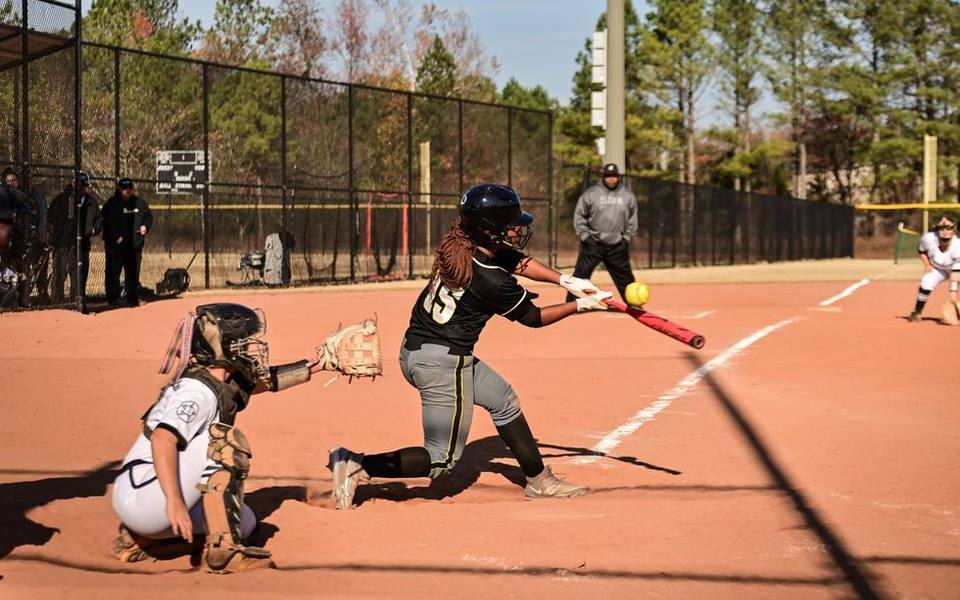
A bat that is considered scorching right out of the wrapper may actually be sitting right on the edge of legal compression limits. High-performance composite barrels typically require a break-in period of 150 to 300 hits against standard leather softballs at moderate swing speeds. Hitting heavy cage balls or swinging in temperatures below sixty degrees can crack composite fibers prematurely, permanently ruining an expensive piece of equipment before the league season even starts.
Choosing between an end-loaded model and a balanced profile depends entirely on your swing mechanics and physical strength. End-loaded bats concentrate extra weight in the last three inches of the barrel, generating immense whip and distance for players with strong wrists and aggressive hip turns. Balanced bats offer superior barrel control and faster swing speeds, making them ideal for line-drive placement hitters who prioritize reaching base over pure home-run distance.
Hand Protection and Mitigating Bat Sting with Thumb Guards
High-velocity pitch impacts and cold-weather batting practice frequently produce painful vibration, especially when contact occurs off the handle or the very end of the barrel. A softball thumb guard is a compact silicone or molded plastic ring that slips over the hitter's top hand thumb, resting between the hand and the bat handle's flare knob. This small piece of gear absorbs direct shock, protecting the ulnar collateral ligament and preventing deep bone bruises caused by violent bat recoil.
Beyond shock absorption, thumb rings help maintain an open, relaxed grip at the plate. Hitters often squeeze the handle too tightly when nervous, which slows down forearm rotation and limits barrel whip. By filling the void between the palm and the knob, the guard encourages the fingers to control the bat rather than the palm, promoting a more fluid whip through the zone. Players rehabilitating from hyperextended thumbs or wrist sprains often consider this accessory essential for comfortable cage sessions.
When purchasing hand guards, ensure the material flexes comfortably inside your batting glove without restricting your wrist snap. Custom-molded shields that soften in hot water and harden to your specific hand shape provide the most secure fit. Utilizing modern baseball and softball training facilities gives players a controlled setting to experiment with different handle accessories, grip tapes, and flared knob tapers until their hand feels completely secure.
Selecting the Right Softball Infield Glove Size and Pattern
Fastpitch and slowpitch infielders face unique challenges because an 11-inch or 12-inch softball requires a broader pocket than a baseball, yet infielders still need lightning-quick ball transfers. Standard softball infield glove size typically ranges from 11.75 inches to 12.5 inches, depending on whether the player mans second base, shortstop, or third base. Second basemen usually favor a shorter 11.75-inch or 12-inch pattern to shave fractions of a second off their double-play feeds.
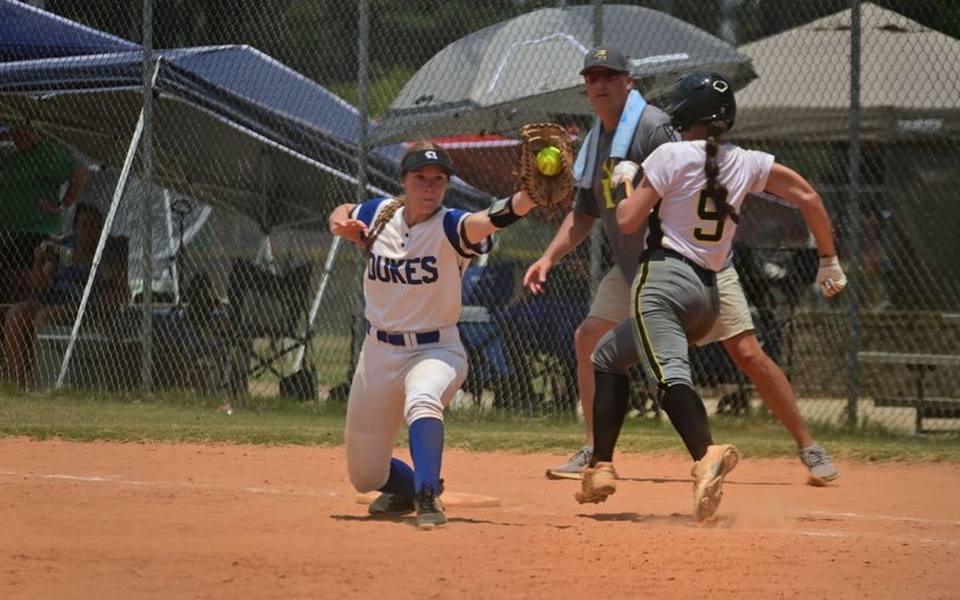
Third basemen and shortstops frequently opt for a 12-inch to 12.5-inch glove featuring a deeper pocket, such as an H-web or modified trap-eze pattern. The extra surface area provides defensive security when lunging for screaming line drives down the foul line or fielding short-hop grounders on fast artificial turf. Slowpitch infielders generally step up into the 12.5-inch to 13-inch range because the 12-inch ball is heavier and hit with extreme exit speed, requiring deeper leather pockets to secure the ball securely.
Breaking in a softball glove requires patience and manual conditioning rather than harsh microwave or baking shortcuts that dry out leather fibers. Use a lanolin-based glove conditioner sparingly and work the pocket by playing catch or using a wooden mallet. Shaping the hinge points so the pinky finger closes toward the thumb creates a wide, shallow basket that allows your bare hand to scoop the softball out cleanly on rapid throws to first base.
Navigating the Softball Catcher's Gear Size Chart and Fit
A catcher's protective equipment must fit securely to shield vital organs and joints without impeding quick lateral blocking or pop-up footwork. Parents and players consulting a softball catcher's gear size chart must take three precise anatomical measurements: head circumference for the helmet, base of the throat to the waistline for the chest protector, and center of the kneecap to the bottom of the shin for leg guards. Relying solely on general age brackets often leads to purchasing oversized gear that sags and exposes vulnerable areas.
The chest protector should sit snug against the clavicle without riding up into the throat when crouching. For female fastpitch catchers, specifically engineered chest protectors incorporate contoured multi-break foam patterns and molded bust inserts designed to minimize rebound velocity while ensuring comfortable sternum coverage. If a protector is too long, the bottom rim will strike the thighs in a deep squat, pushing the neckline dangerously upward toward the chin.
Shin guards require careful alignment over the patella. The primary knee cup must cup the kneecap directly, and the shin plate should terminate just above the ankle bone to permit full ankle mobility when digging into the dirt. Straps should be adjusted to keep the guards centered throughout lateral slides without cutting off blood circulation. Trying on gear at home or while training at full-service batting cages and hitting facilities ensures straps and clips remain firmly locked under real game conditions.
Translating Mechanical Drills into Competitive In-Game Confidence
Mechanical knowledge gained in private lessons only produces results if an athlete successfully transitions those patterns into live competition. The pressure of standing in the batter's box with two strikes often causes hitters to abandon recent adjustments and fall back into old mechanical habits. Developing a consistent pre-pitch mental routine—stepping out, taking a controlled diaphragmatic breath, and resetting the eyes on the pitcher's release window—helps bridge the gap between training drills and game innings.
Pitchers face a similar psychological hurdle when trusting new breaking pitches like the drop ball in high-leverage situations. Throwing bullpens with simulated counts and base runners teaches pitchers to maintain identical arm speed and grip pressure even when tired. Keeping an honest training log where you track first-pitch strike percentages, pitch movement quality, and mechanical balance cues builds durable self-awareness that holds up through championship tournament weekends.
Consistent mechanical upkeep is an ongoing journey that evolves alongside physical maturity and competition levels. Whether you are adjusting your slap footwork, refining a drop ball release point, or fine-tuning your glove sizing, deliberate practice always outperforms mindless repetition. Work closely with knowledgeable mentors, invest in gear that protects your body, and treat every cage session as an opportunity to build sustainable athletic habits.
Published 2026-09-21 · reviewed with each rebuild, last October 2026.
Find batting cages & baseball training near you
The directory lists 7,750 batting cages & baseball training by state and city — pick your state or use the “Near me” button in the header.
More guides
-
 Owning
Mastering Softball Mechanics: From Cage Drills to Game-Day Power
-
 Money
MoneyUnderstanding the Expenses of Renting and Building Batting Cages
-
 Safety
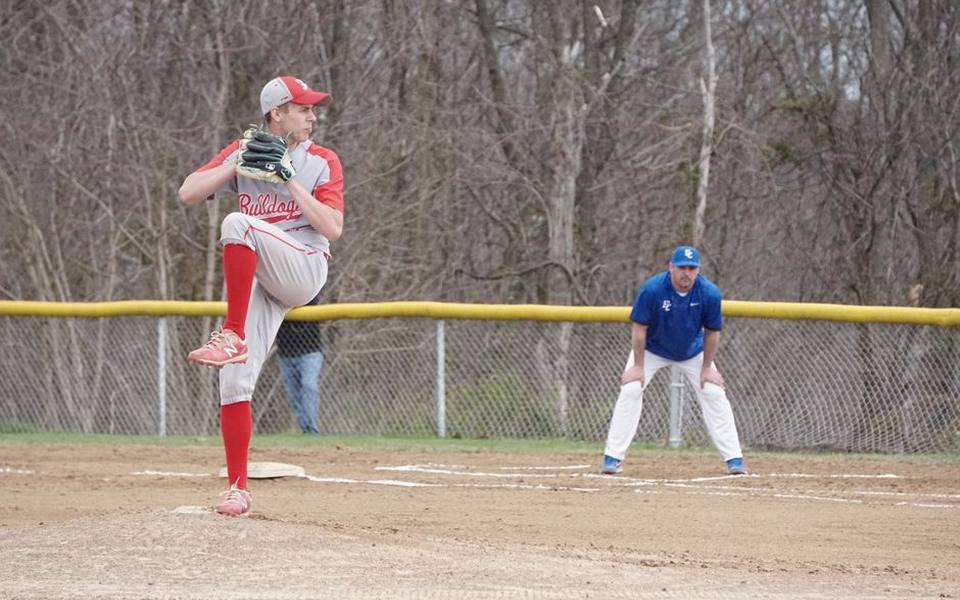
Pitching Mechanics: How to Throw Breaking Balls and Build Arm Velocity
-
 Service
Fundamental Swing Mechanics and Handling Breaking Pitches
-
 Owning
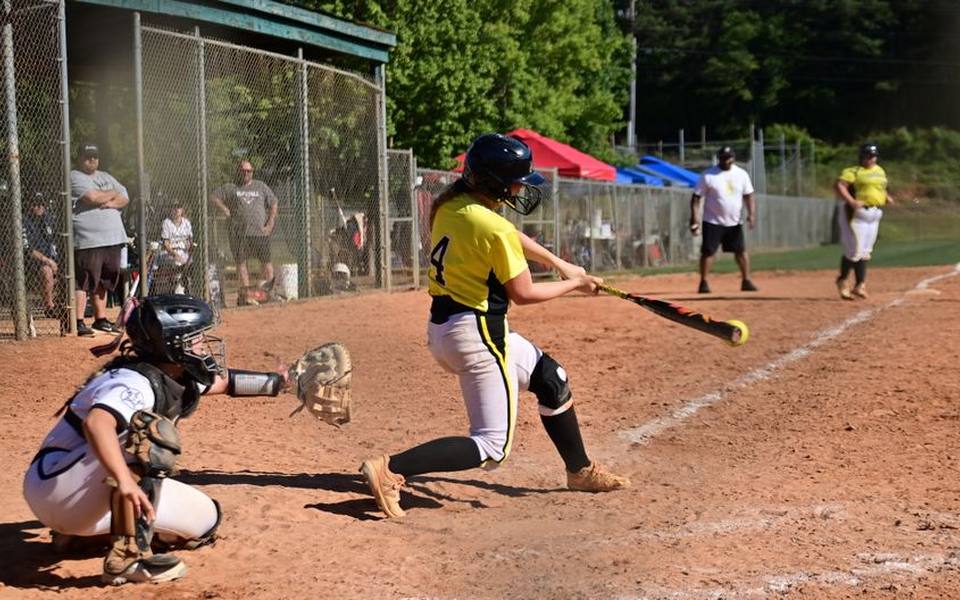
Slow Pitch Softball Hitting Guide: Mechanics for Power and Contact
-
 Owning
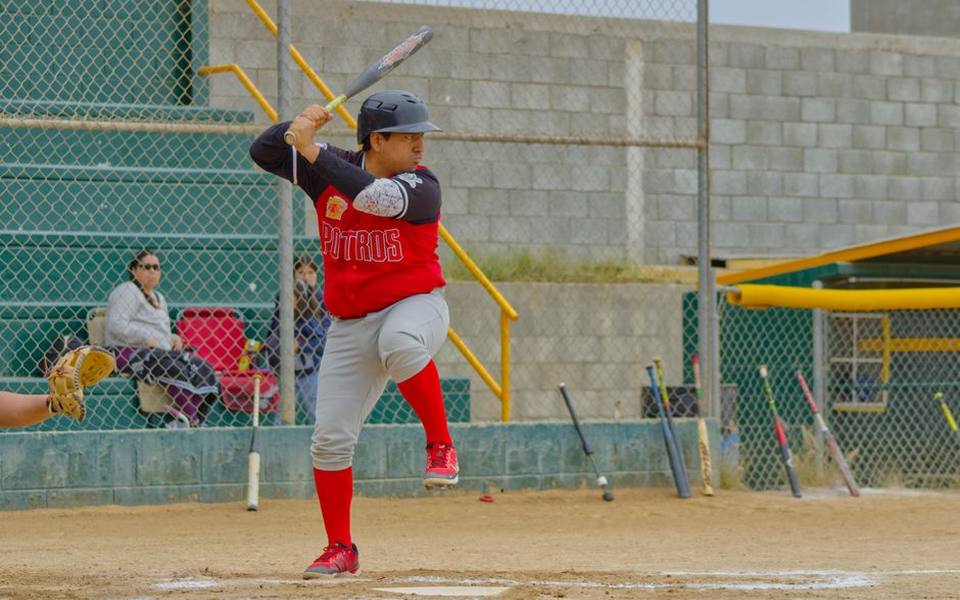
Building a Consistent Softball Swing: Mechanics, Drills, and Practice Routines
-
 Safety
Pitching Mechanics: Throwing Breaking Pitches and Building Velocity Safely
-
 Owning
Understanding Travel Baseball: Costs, Commitments, and Evaluating the Fit
-
 Buying
Ultimate Guide to Batting Cages and Hitting Nets: Types, Sizing, and Setup
-
 Safety
Youth Baseball Rules: Field Dimensions, Pitch Limits, and Age Brackets
-
 Owning
Batting Practice Essentials: Pitching Machines, Hitting Drills, and Training Equipment
-
 Buying
Baseball & Softball Bat Buying Guide: Sizing, Materials, Certifications, and Custom Options
-
 Owning
Agility Ladder Workouts and Footwork Drills for Baseball and Softball
-
 Safety
Protective Baseball Gear Guide: Catchers Gear, Thumb Guards, and Helmet Sizing
-
 Owning
Baseball & Softball Glove Guide: Sizing, Break-In, Relacing, and Maintenance
-
 Buying
Official MLB and Minor League Team Stores: Buying Authentic Fan Gear
-
 Service
Understanding Baseball Sabermetrics: Core and Advanced Stats Explained
-
 Service
Corporate Team Building Guide: Outings, Events, and Venue Selection
-
 Buying
A Complete Guide to Ordering Custom Baseball Uniforms and Team Apparel
-
 Buying
Custom Sports Jerseys Guide: Outfitting Soccer, Track, Volleyball, and Football Teams
-
 Owning
Complete Little League Guide: Schedules, Divisions, Rules, and Grants
-
 Buying
Local Sporting Goods Stores: Finding Gear, Trade-Ins, and Used Bats
-
 Buying
Baseball Birthday Party Ideas: Decorations, Supplies, and Themes
-
 Service
Youth Baseball and Softball Camps: Showcases, Academies, and Clinics
-
 Buying
Custom Fan Apparel and Varsity Jackets: Customization and Sizing
-
 Safety
Youth Pitching Arm Safety: Treating Little League Elbow and Shoulder Injuries
-
 Buying
Custom Baseball and Softball Uniforms: Design, Sublimation, and Ordering Guide
-
 Owning
Youth Baseball and T-Ball Drills: Practice Plans for Coaches and Parents
-
 Safety
Youth Baseball Sizing Guide: Batting Helmets, Gloves, and Protective Gear
-
 Buying
Commercial and Backyard Pitching Machines: Buyer's Guide and Field Maintenance
-
 Service
How to Choose and Enroll in Baseball and Softball Training Camps
-
 Service
Baseball & Softball Hitting Instruction, Swing Tech & Private Coaching Guide
-
 Safety
Baseball & Softball Helmet Sizing and Fit Guide
-
 Owning
How to Build and Outfit a Batting Cage and Hitting Facility
-
 Service
Baseball & Softball Glove Relacing, Restringing, and Care Guide
-
 Safety
Catcher's Gear Sizing, Protection, and Defensive Blocking Mechanics
-
 Service
Baseball Camps, Youth Academies, and Showcase Tryouts Guide
-
 Owning
Adult Baseball, Softball, and Backyard Leagues: A Complete Guide to Modern Formats
-
 Service
Planning Team Building Events, Parties, and Fundraisers at Sports Venues