The Basics of Throwing a Curveball
The curveball relies on topspin to create a downward break near the plate. Unlike a fastball that backspins, a curveball involves gripping along the seams and snapping the wrist downward at release. This motion forces the ball to tumble forward, causing air pressure changes that make it drop. Mastering this pitch takes significant repetition, as the release point must become completely second nature to maintain deception.
Finding the right grip is the first practical step. You typically place your middle finger securely along the right seam of the horseshoe, using it as the primary pressure point. The index finger rests lightly next to it, while the thumb sits securely underneath. As the arm moves forward, the hand stays slightly supinated, similar to turning a doorknob, right before the ball leaves the hand.
The release itself dictates the sharpness of the break. Instead of letting the ball roll off the fingertips, you pull down hard with the middle finger. This deliberate friction creates the necessary rotation. Developing this specific wrist snap can feel awkward initially, so practicing in a controlled setting helps. Many athletes use indoor cages to practice their breaking pitches year-round without constantly chasing balls across an open field.
Understanding Pitch Differences
Recognizing how different pitches function helps a pitcher tunnel their throws, making them look identical until the last possible moment. A four-seam fastball moves straight and fast due to pure backspin, while a two-seamer has slight arm-side run. The curveball contrasts this directly by breaking downward at a noticeably slower speed. A slider sits between them, thrown with a bullet-like spin that breaks sharply across the plate.
The changeup relies entirely on visual deception rather than actual breaking movement. It is thrown with the exact same arm speed as a fastball but gripped deeper in the palm or with a circle grip. This placement naturally deadens the velocity, causing the batter to swing early. Understanding these variations is essential for sequencing pitches during a game, keeping hitters off balance by constantly changing speeds and visual sightlines.
Pitchers often struggle to maintain identical mechanics across their entire repertoire. If a pitcher slows their arm down to throw an off-speed pitch, astute hitters will notice the change and adjust their timing. To refine these subtle differences, athletes frequently work with dedicated instructors. Pitchers can often find hitting lessons and specialized pitching instruction locally, where experts analyze their delivery to ensure consistent release points.
Mechanics for Increasing Velocity
Pitch speed originates from the ground up, relying heavily on kinetic chain efficiency rather than just arm strength. The lower half of the body generates the initial power, starting with a strong push off the pitching rubber. The back leg drives the hips forward before the front foot plants. When that front foot lands, it acts as a firm block, transferring energy efficiently up through the torso and arm.
Hip and shoulder separation is a critical component for elite velocity. This occurs when the hips open toward home plate while the shoulders remain closed and facing third or first base. This twisting creates a rubber-band effect in the core. As the shoulders finally fire forward to catch up, the arm is whipped around with significant force, resulting in higher radar gun readings without requiring extra shoulder effort.
Arm path and stride length also play vital roles in maximizing throwing speed. A longer stride extends the release point closer to the plate, decreasing the distance the ball travels and increasing perceived velocity. A clean, efficient arm circle prevents energy leaks during the motion. Athletes frequently utilize coaching and training programs to build explosive power and refine their kinetic sequencing under professional observation.
Building Arm Strength Safely
Throwing harder requires a resilient arm capable of handling increased structural stress. Building this strength involves a mix of proper conditioning, flexibility routines, and a structured throwing program. Long toss is a popular method used to gradually stretch the arm and build stamina. By throwing at increasing distances with an arc, pitchers strengthen the shoulder and back muscles, helping stabilize the joint during high-effort deliveries from the mound.
Rest and recovery are just as important as the actual throwing exercises. Micro-tears occur in the muscle tissue and ligaments after a heavy session, and the body needs adequate time to repair these fibers. Pitch counts and mandatory rest days are standard practices designed to prevent overuse injuries. Pitchers should always incorporate dynamic warm-ups before throwing and post-game recovery routines to maintain joint health and muscle elasticity.
Mechanics heavily dictate how safe an increase in velocity will actually be. If a pitcher relies entirely on their shoulder rather than their core and legs, they risk serious injury. Proper sequence timing reduces the sheer stress placed on the elbow. Pitchers often seek out locations with proper mounds, like batting cages on site, to consistently practice their mechanics under game-like elevation and slope conditions.
Adapting Mechanics for Slower Pitches
Pitching in slow-pitch formats, such as recreational softball, demands a completely different approach to mechanics and control. Instead of maximizing velocity, the goal is consistently delivering the ball with a specific arc, typically between six and twelve feet depending on local league rules. The grip is a simple hold across the larger ball, and the delivery is an underhand toss focused entirely on touch and stepping toward the target.
Control and subtle movement are the primary weapons for a slow-pitch pitcher. By adjusting the release point slightly, pitchers can induce backspin to make the ball hang longer or topspin to make it drop quicker near the plate. Footwork remains very straightforward, usually involving a single step forward to guide momentum. The key is extreme consistency, as missing the strike zone can quickly lead to high run totals.
Practice for slow-pitch pitching involves repetitive target throwing rather than any radar gun tracking. Pitchers often set up a visual marker at home plate to practice hitting the deep edge of the strike zone. Finding a space to throw can be challenging during the winter months. Fortunately, players can easily practice year-round at batting cages in Texas or other regional hubs that actively support massive softball communities.
Published 2026-09-20 · reviewed with each rebuild, last September 2026.
Find batting cages near you
The directory lists 5,442 batting cages by state and city — pick your state or use the “Near me” button in the header.
More guides
-
 Service
Mastering Softball Mechanics: From Cage Drills to Game-Day Power
-
 Money
MoneyUnderstanding the Expenses of Renting and Building Batting Cages
-
 Service
Fundamental Swing Mechanics and Handling Breaking Pitches
-
 Service
Slow Pitch Softball Hitting Guide: Mechanics for Power and Contact
-
 Service
Building a Consistent Softball Swing: Fundamentals and Practice Routines
-
 Safety
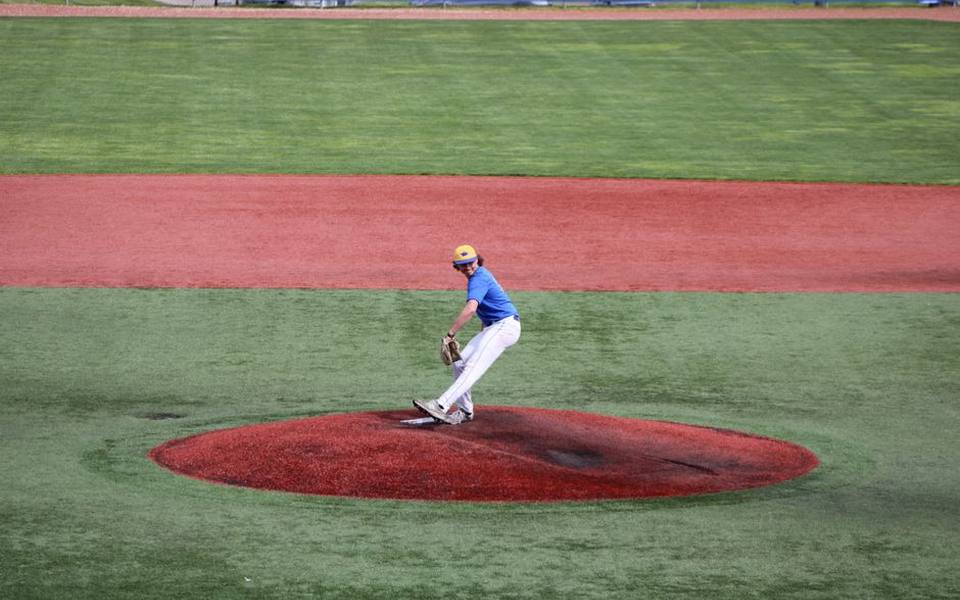
Pitching Mechanics: Throwing Breaking Pitches and Building Velocity Safely
-
 Money
MoneyUnderstanding Travel Baseball: Costs, Commitments, and Evaluating the Fit