Navigating the Modern Youth Baseball and Softball Camp Landscape
Every spring, youth baseball and softball families face an overwhelming flood of flyers, camp invitations, and online advertisements promising elite development. For young athletes just starting out, camps offer structured outdoor fun, socialization, and fundamental skill building. For teenagers dreaming of high school varsity or college rosters, the calendar shifts toward high-stakes showcases and specialized college events. Understanding where your athlete sits on that spectrum saves families significant money, travel fatigue, and emotional burnout over a long season.
The camp ecosystem splits into distinct categories that serve completely different purposes. Traditional day camps focus on keeping younger players active, teaching the basic rules of the diamond, and rotating through glove work and base running. On the opposite end, prospect showcases and college-hosted events exist primarily for recruiting evaluation and metric verification rather than instruction. In between lies a spectrum of positional clinics, private training academies, and travel team intensives.
Choosing the wrong event often leads to frustration. An eight-year-old enrolled in an intensive, metric-driven clinic will likely lose their enthusiasm, while a high school junior attending an unvetted commercial day camp may find zero collegiate visibility. Before booking travel or paying non-refundable deposits, parents should clearly define whether the primary goal of the event is skill acquisition, mechanical correction, athletic benchmarking, or legitimate college recruiting exposure.
Evaluating Youth Summer Day Camps and Multi-Sport Programs
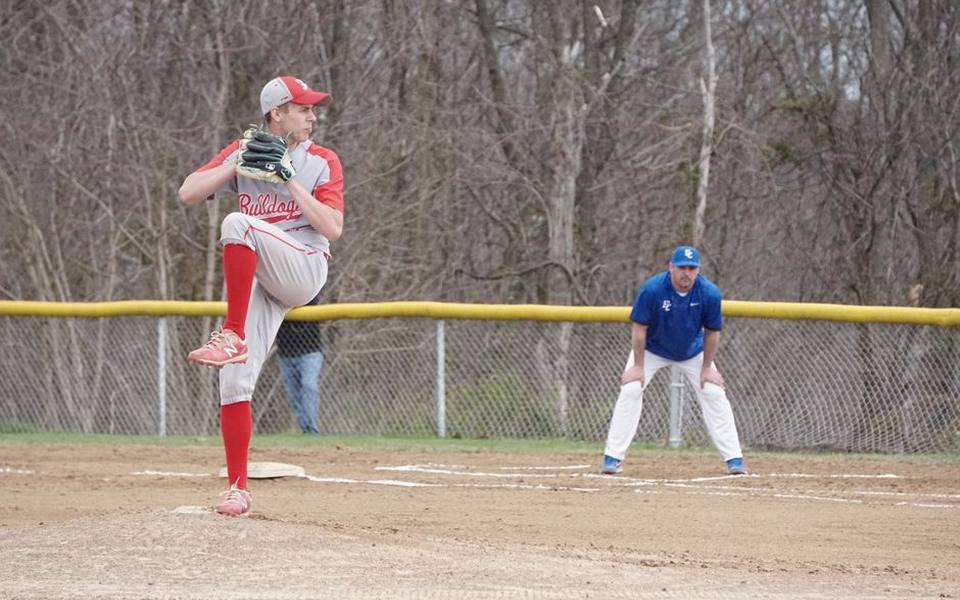
For elementary and middle school ballplayers, summer day camps provide the bulk of off-season diamond activity. Many parents start by looking into widely recognized commercial brands like a Nike baseball camp or parks-and-recreation day programs hosted at local sports complexes. These camps typically run from morning until early afternoon, offering high-repetition drills in the morning followed by scrimmage games or water activities in the afternoon heat. Their primary value lies in steady reps, general athletic movement, and fostering an early love for the game.
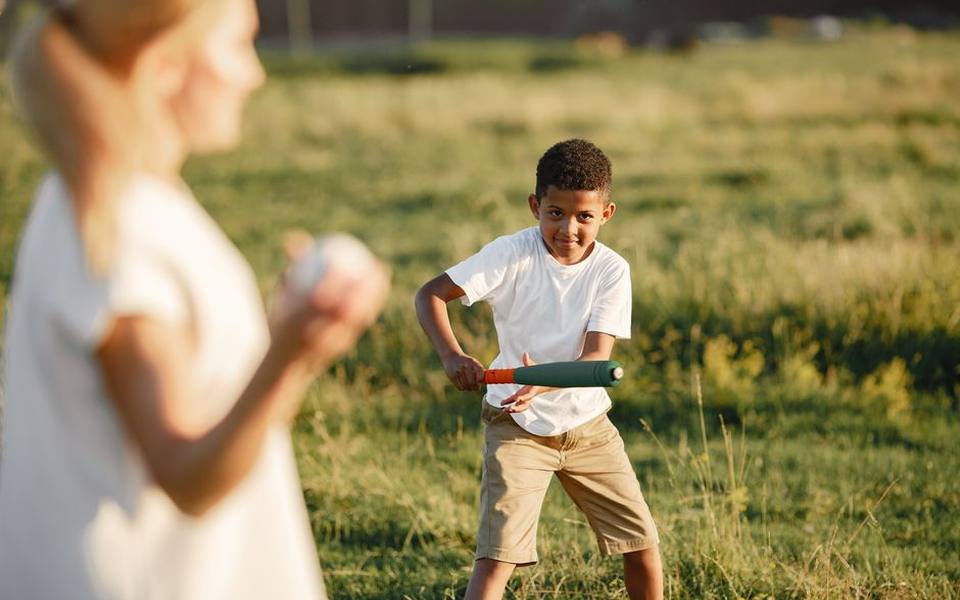
When evaluating summer baseball camps for players under age twelve, coach-to-camper ratios matter far more than flashy branding. A camp staffed by twenty young high school counselors supervising a hundred kids often degenerates into glorified babysitting with minimal individual feedback. Conversely, programs led by experienced travel coaches or collegiate assistants maintain strict stations where players learn correct fielding posture, throwing footwork, and strike-zone discipline without standing in endless lines.
Parents should also inspect the facility setup before committing. Summer heat in places like the South and Midwest can be brutal, making shaded dugouts, hydration stations, and access to air-conditioned clubhouses essential. Many of the most consistent youth programs partner with dedicated baseball and softball training facilities so that when afternoon thunderstorms hit or temperatures soar, campers move indoors to continue defensive drills and soft-toss work without missing a single inning.
Summer Softball Camps and Fastpitch-Specific Instruction
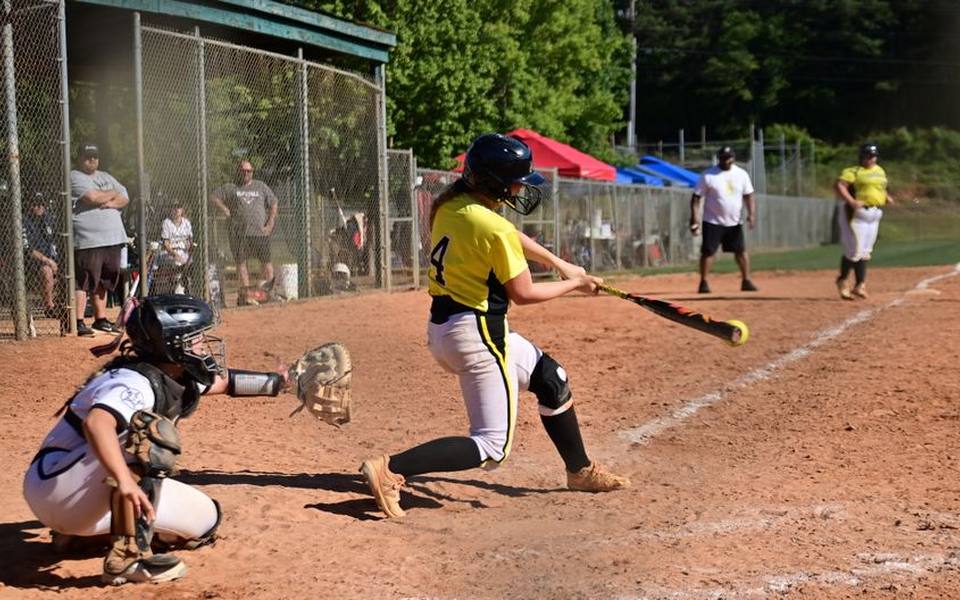
Fastpitch softball development requires an entirely different technical curriculum than baseball, and summer softball camps should reflect those distinct mechanics. From rotational slapping and windmill pitching to aggressive short-distance base running, fastpitch players require specialized instruction that general baseball coaches simply cannot deliver. When searching for a dedicated softball camp summer schedule, look closely at who is writing the daily practice plan and managing the bullpen sessions.
Pitchers and catchers benefit most from low-ratio, position-specific clinics. Because windmill delivery relies so heavily on drive-foot push, hip closure, and wrist snap, generic instruction can actually introduce mechanical hitches that take months to unlearn. High-level fastpitch clinics bring in collegiate pitchers and seasoned battery coaches who use high-speed video analysis and radar sensors to examine spin rates, ball break, and delivery consistency.
Fielding dynamics in fastpitch also demand specialized turf and dirt management. With sixty-foot base paths, defensive reaction times are much shorter than on the standard baseball diamond. Premier softball camps emphasize rapid transfer drills, barehand charging techniques, and backhand glove positioning designed specifically for small-ball defense. Spending time before the camp season taking reps in local indoor batting cages ensures hitters can already handle velocity before stepping into competitive camp scrimmages.
Understanding Prospect Showcases and Metric Benchmarking
Once a ballplayer enters high school, the conversation frequently shifts to prospect baseball and national scouting showcases. Organizations advertise these two-day events as the fastest pathway to getting noticed by college recruiters and professional scouts. Campers run timed sixty-yard dashes, perform defensive drills while radar guns clock their throwing velocity across the diamond, and take on-field batting practice measured by launch monitors and tracking cameras.
Showcases offer valuable standardized benchmarking, but they provide almost zero personalized instruction. Evaluators sit in the stands with clipboards and digital tablets, logging exit velocity, arm strength, pop times, and pitching velocity into proprietary databases. For a player who already throws in the upper eighties or demonstrates triple-digit exit velocities, these events confirm measurable athleticism to hundreds of college programs simultaneously.
However, attending a showcase too early can harm a player's recruiting profile. If a young freshman attends a premier event and posts an uncompetitive sixty-yard dash or low arm strength, that verified number lives on their public scouting profile indefinitely. Families are generally better served holding off on national showcases until the athlete has built sufficient physical maturity and strength, using local high school or travel team seasons to develop foundational velocity first.
College Prospect Camps and the Academic Recruiting Fit
In contrast to independent commercial showcases, college prospect camps are hosted directly on university campuses by collegiate coaching staffs. These events range from massive multi-day gatherings at major Power Five programs to intimate, fifty-player sessions hosted by selective Division III colleges. For high school players targeting specific academic institutions, such as an Ivy League camp or prestigious liberal arts college, these campus events provide critical two-way evaluation.
At an academic prospect camp, coaches are not merely judging bat speed and athletic frame; they are observing how players handle dugout interactions, react to strikeout adversity, and communicate during defensive rotations. Furthermore, attending an on-campus event allows players to tour athletic facilities, experience the locker room culture, and determine if the university matches their educational goals. If a player connects well with the coaching staff, these camps often spark meaningful recruiting conversations.
To get real value from a college camp, do your homework before registering. Some programs invite hundreds of campers to subsidize their assistant coaching payroll, leaving little time for meaningful observation. Check the posted camper limit, the expected coach-to-camper ratio, and whether coaches from other regional programs will attend as guest evaluators. If your student-athlete already has an introductory email exchange with the recruiting coordinator, attending their home camp makes strategic sense.
Elite Year-Round Academies and Residential Immersion
At the pinnacle of youth athletic investment sit premier residential sports academies, with programs like the IMG baseball camp setting the industry standard for immersion training. These multi-week boarding camps and year-round boarding academies combine professional-grade diamond facilities with elite strength conditioning, sports psychology, and biomechanical analysis. For dedicated families seeking an all-inclusive environment where athletes train like minor-league professionals, these academies represent an extraordinary opportunity.
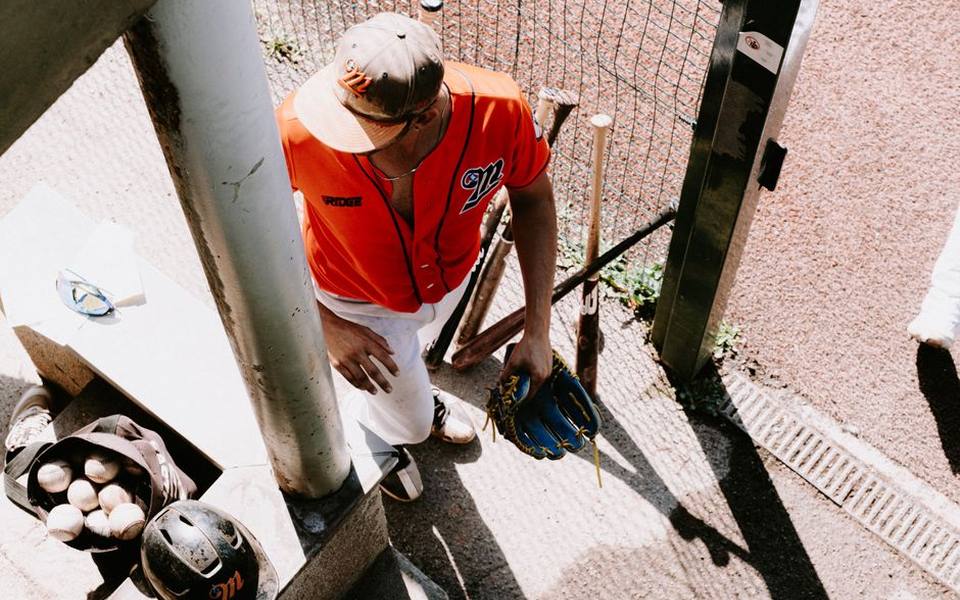
A typical day at an elite academy involves structured morning positional work, nutritional coaching, physical therapy assessments, and afternoon live-game simulations under the guidance of former professional players and collegiate coaches. Players learn how to manage rigorous physical schedules, utilize weight-room recovery tools, and analyze their swing paths with cutting-edge force plates and optical trackers. The level of competition during intra-squad games often rivals top-tier travel ball tournaments.
The primary barrier for most families is cost and logistical commitment. Enrolling in an intensive program like the IMG Academy baseball camp requires significant tuition, travel expenses, and housing fees. For families in competitive regions like the Sunbelt, comparable technical development can often be achieved through private coaching networks and reputable batting cages and hitting facilities without requiring out-of-state boarding commitments.
Positional Clinics and the MLB Umpire Camp Model
While broad summer camps cover general skills, positional clinics narrow the lens onto single disciplines like catching, middle infield footwork, or elite pitching mechanics. These one- or two-day intensives strip away scrimmages to focus exclusively on muscle memory, pitch framing, blocking drills, and pickoff footwork. Because instructors work with a single positional group, feedback is immediate and deeply detailed.
Player development is not the only discipline utilizing structured camp intensives. Aspiring officials often pursue development through an MLB umpire camp or regional officiating school to learn advanced rules interpretation, field positioning, and strike-zone consistency. These programs highlight just how technical the sport becomes at higher levels, emphasizing split-second decision making, vocal projection, and handling on-field conflicts with professional composure.
Learning the intricacies taught at officiating and positional clinics gives players a mental edge on the field. Catchers who understand umpire positioning frame pitches more effectively without pulling their gloves out of the zone. Hitters who understand strike-zone geometry maintain better plate discipline. Blending physical camp reps with deep tactical understanding transforms raw athleticism into refined, intelligent baseball instinct.
Pre-Camp Preparation and Hitting Tunnel Conditioning
Showing up to an intensive summer camp or showcase out of game shape is a recipe for poor performance or nagging injuries. Players should spend three to four weeks before camp building up their throwing volume and getting their eyes adjusted to pitch speed. Showing up cold to a four-day camp where you take two hundred swings a day frequently leads to blistering hands, forearm tightness, or back strains that derail the entire experience.
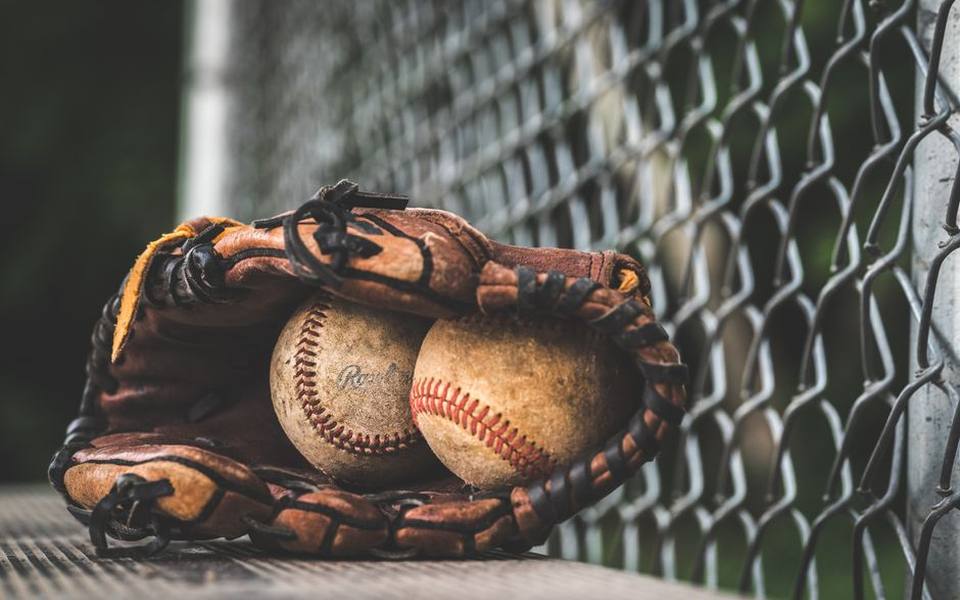
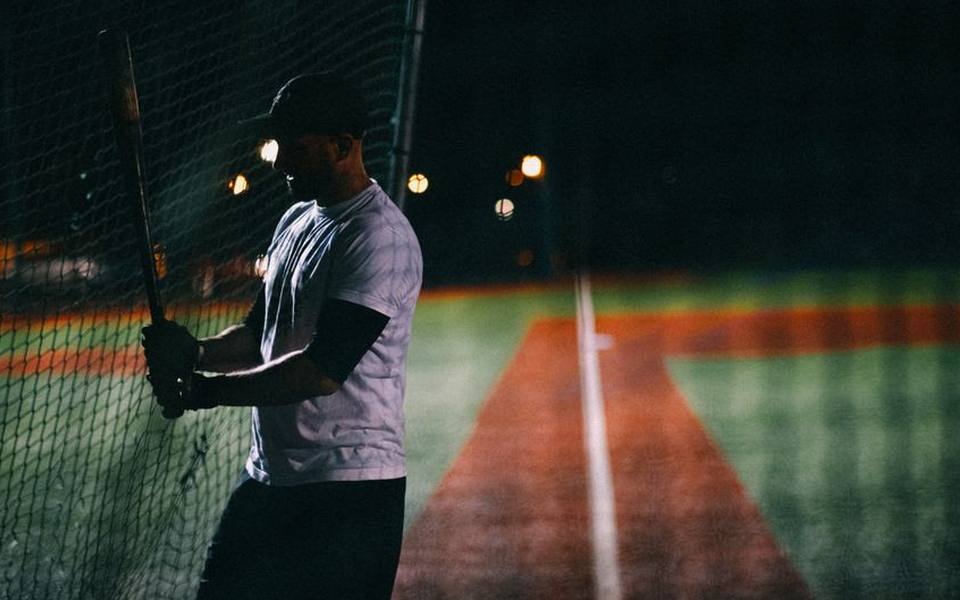
One of the most efficient ways to prepare is by scheduling focused sessions at local batting facilities with certified instructors. Working on balance and path control through batting cages with hitting lessons ensures that fundamental swing flaws get corrected in private before scouts or college coaches ever see you in the batter's box. It is far cheaper to fix bat drag or lunging habits locally than to have them exposed at an expensive showcase.
Conditioning should also focus on rotational mobility, hamstring flexibility, and basic sprint mechanics. Showcases place immense weight on the sixty-yard dash, yet many ballplayers never practice sprint starts from a stationary base-stealing posture. Taking twenty minutes twice a week to practice short accelerations, hip mobility drills, and resistance-band shoulder exercises protects an athlete's arm and legs against the sudden spike in summer workload.
Identifying Red Flags and Unrealistic Recruiting Guarantees
The youth sports industry generates billions of dollars annually, and summer camp marketing can sometimes prey on parental ambition. Families must learn to spot red flags before swiping their credit cards on overpriced prospect showcases. The most common warning sign is personalized marketing language claiming your player was "specially selected" or "personally scouted" when the email was clearly blast-distributed to a purchased database of travel ball rosters.
Another major red flag is any camp organizer who guarantees collegiate exposure or scholarship offers as a direct result of attendance. Legitimate college coaches cannot legally offer scholarships on the spot at open summer camps, and reputable evaluators never promise specific roster spots. If an event advertises fifty attending college programs, ask whether those coaches will actually be on the field running drills or merely have access to a digital roster sheet after the tournament ends.
Examine the event schedule closely for hidden downtime. If a camp boasts six hours of daily programming but splits sixty players across a single diamond with only one hitting tunnel, each child will spend five hours standing around watching others take reps. Quality camps maintain clear itineraries, multiple active stations, transparent coaching staff rosters, and honest parent communication from registration to final dismissal.
Building a Long-Term Summer Development Strategy
A successful summer baseball or softball calendar is built around balance rather than constant overscheduling. Young athletes do not need to attend four showcases, three university prospect camps, and a weekly travel ball tournament in a single July. Overuse injuries, particularly ulnar collateral ligament sprains and shoulder labrum tears, frequently stem from excessive tournament and camp workloads combined with insufficient rest periods.
For middle school athletes, prioritize multi-sport athleticism and fundamental skill camps that keep the sport fun and low-pressure. As players transition into their sophomore and junior years of high school, narrow the focus toward one or two carefully selected college camps where the coaching staff has already expressed genuine mutual interest. Compliment those targeted trips with focused regional training and structured rest periods between intense tournament weekends.
Ultimately, development happens during daily habits, quality practice, and consistent off-season mechanical work rather than in a single weekend showcase. Use camps as diagnostic checkpoints to discover what your athlete needs to work on next, then return home to your local training fields and cages to put in the quiet repetitions that truly elevate a ballplayer's game.
Published 2026-09-21 · reviewed with each rebuild, last October 2026.
Find batting cages & baseball training near you
The directory lists 7,750 batting cages & baseball training by state and city — pick your state or use the “Near me” button in the header.
More guides
-
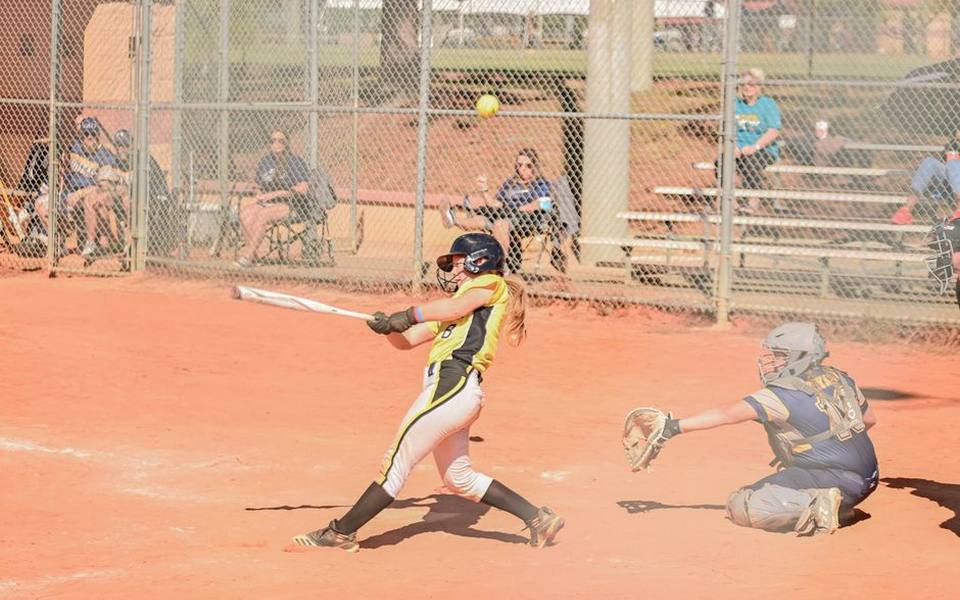 Owning
Mastering Softball Mechanics: From Cage Drills to Game-Day Power
-
 Money
MoneyUnderstanding the Expenses of Renting and Building Batting Cages
-
 Safety
Pitching Mechanics: How to Throw Breaking Balls and Build Arm Velocity
-
 Service
Fundamental Swing Mechanics and Handling Breaking Pitches
-
 Owning
Slow Pitch Softball Hitting Guide: Mechanics for Power and Contact
-
 Owning
Building a Consistent Softball Swing: Mechanics, Drills, and Practice Routines
-
 Safety
Pitching Mechanics: Throwing Breaking Pitches and Building Velocity Safely
-
 Owning
Understanding Travel Baseball: Costs, Commitments, and Evaluating the Fit
-
 Buying
Ultimate Guide to Batting Cages and Hitting Nets: Types, Sizing, and Setup
-
 Safety
Youth Baseball Rules: Field Dimensions, Pitch Limits, and Age Brackets
-
 Owning
Batting Practice Essentials: Pitching Machines, Hitting Drills, and Training Equipment
-
 Buying
Baseball & Softball Bat Buying Guide: Sizing, Materials, Certifications, and Custom Options
-
 Owning
Agility Ladder Workouts and Footwork Drills for Baseball and Softball
-
 Safety
Protective Baseball Gear Guide: Catchers Gear, Thumb Guards, and Helmet Sizing
-
 Owning
Baseball & Softball Glove Guide: Sizing, Break-In, Relacing, and Maintenance
-
 Buying
Official MLB and Minor League Team Stores: Buying Authentic Fan Gear
-
 Service
Understanding Baseball Sabermetrics: Core and Advanced Stats Explained
-
 Service
Corporate Team Building Guide: Outings, Events, and Venue Selection
-
 Buying
A Complete Guide to Ordering Custom Baseball Uniforms and Team Apparel
-
 Buying
Custom Sports Jerseys Guide: Outfitting Soccer, Track, Volleyball, and Football Teams
-
 Owning
Complete Little League Guide: Schedules, Divisions, Rules, and Grants
-
 Buying
Local Sporting Goods Stores: Finding Gear, Trade-Ins, and Used Bats
-
 Buying
Baseball Birthday Party Ideas: Decorations, Supplies, and Themes
-
 Buying
Custom Fan Apparel and Varsity Jackets: Customization and Sizing
-
 Safety
Youth Pitching Arm Safety: Treating Little League Elbow and Shoulder Injuries
-
 Buying
Custom Baseball and Softball Uniforms: Design, Sublimation, and Ordering Guide
-
 Owning
Youth Baseball and T-Ball Drills: Practice Plans for Coaches and Parents
-
 Safety
Youth Baseball Sizing Guide: Batting Helmets, Gloves, and Protective Gear
-
 Buying
Commercial and Backyard Pitching Machines: Buyer's Guide and Field Maintenance
-
 Service
How to Choose and Enroll in Baseball and Softball Training Camps
-
 Service
Baseball & Softball Hitting Instruction, Swing Tech & Private Coaching Guide
-
 Safety
Baseball & Softball Helmet Sizing and Fit Guide
-
 Owning
How to Build and Outfit a Batting Cage and Hitting Facility
-
 Service
Baseball & Softball Glove Relacing, Restringing, and Care Guide
-
 Safety
Catcher's Gear Sizing, Protection, and Defensive Blocking Mechanics
-
 Service
Baseball Camps, Youth Academies, and Showcase Tryouts Guide
-
 Owning
Adult Baseball, Softball, and Backyard Leagues: A Complete Guide to Modern Formats
-
 Service
Planning Team Building Events, Parties, and Fundraisers at Sports Venues
-
 Service
Softball Mechanics, Pitch Grips, and Gear Sizing Guide