Getting the Fit Right Before Looking at Price Tags
Choosing a baseball or softball bat begins with physical mechanics rather than cosmetic appeal or brand marketing. A bat that is an inch too long or an ounce too heavy can alter a hitter's bat path, cause the barrel to drag through the hitting zone, and lead to poor contact habits that take months to correct. Before scanning online inventories, players should measure their body proportions to establish an accurate baseline length. When you hold a bat upright against the center of your chest pointing outward, your fingertips should comfortably reach the end of the barrel without straining your shoulder.
A standard baseball bat fitting chart matches a hitter's height and body weight to recommend a baseline bat length. For instance, a player standing between four feet eight inches and five feet tall who weighs under one hundred pounds typically swings a bat measuring twenty-eight to twenty-nine inches. As weight increases into the hundred-and-ten to hundred-and-twenty pound range at that same height, a twenty-nine or thirty-inch model often provides better plate coverage. These charts offer reliable starting boundaries, though natural strength and bat speed ultimately dictate whether a hitter can handle more mass.
Another reliable physical test involves resting the bat knob against the center of your chest while reaching your arm forward along the barrel. If the palm of your hand cups the barrel cap cleanly, the length matches your arm extension. Alternatively, stand the bat knob-down against the ground beside your leg; the end cap should reach right around the middle of your palm or wrist crease. If you find yourself in between two lengths on a baseball bat sizing chart, it is almost always wiser to select the shorter, lighter option to preserve rotational acceleration.
Sizing Youth Bats for Growing Players
Youth hitters experience rapid growth spurts that tempt parents to buy oversized equipment with the hope that their child will grow into it over two seasons. In reality, an oversized youth bat ruins swing mechanics by forcing young players to drop their back shoulder or cast their hands away from the body to compensate for excess barrel leverage. Proper baseball bat sizing for youth athletes prioritizes barrel control and clean contact over theoretical leverage. A child who can whip a lighter bat quickly through the zone creates far more exit velocity than one struggling to lift a heavy barrel.
Drop weight represents the difference between bat length in inches and bat weight in ounces, which is the foundational measurement in any youth baseball bat size chart. Most youth bats feature drops ranging from minus-ten down to minus-thirteen, meaning a twenty-nine-inch bat with a minus-ten drop weighs nineteen ounces. Tee-ball players generally use bats between twenty-four and twenty-six inches with ultra-light drops, while coach pitch and early kid pitch players commonly swing twenty-seven or twenty-eight-inch bats weighing around seventeen or eighteen ounces.
To test if a young hitter can handle a specific model, have them hold the bat straight out horizontally from their shoulder using only their dominant hand for twenty seconds. If their wrist wavers, their elbow dips, or their shoulder drops significantly before the time expires, that bat is too heavy for live pitching. Visiting local batting cages and hitting facilities allows young hitters to swing different lengths against soft toss before parents invest in gear that could hamper their development.
Material Showdown: Alloy, Composite, and Hybrid Construction
Modern non-wood bats come in three primary builds: one-piece alloy, two-piece composite, and hybrid configurations that combine an alloy barrel with a composite handle. One-piece alloy bats use high-grade aluminum alloys to deliver a stiff, responsive feel upon contact. Hitters with high natural strength and direct hand paths often prefer alloy because energy transfers immediately into the ball without flexing delay. Alloy bats are hot out of the wrapper, requiring zero break-in period, and they hold up exceptionally well during cold spring games where lower temperatures can crack composite shells.
Composite bats utilize woven carbon fiber structures to produce lighter swing weights and noticeably larger sweet spots along the barrel. Two-piece composite designs isolate the barrel from the handle using a specialized connection piece, which drastically minimizes sting and vibration on mishits off the handle or end cap. However, composite material requires a break-in period of roughly one hundred and fifty to two hundred light hits with real baseballs, rotating the barrel a quarter-turn each swing to compress the resin layers evenly throughout the hitting wall.
Hybrid bats blend the durability and instant pop of an alloy barrel with the vibration dampening and swing speed advantages of a composite handle. They represent a middle ground for power hitters who want an alloy feel without stinging their hands on inside pitches. When choosing between these materials, budget and climate play big roles; composite models typically sit at the top of the price range and should not be used in temperatures dropping below sixty degrees Fahrenheit to avoid structural shell cracking.
The Feel and Balance of Wood Bats
Wood bats provide an honest assessment of a hitter's mechanics because mishits immediately reverberate into the hands and yield weak contact. Maple remains the most popular wood choice across competitive baseball due to its extreme surface hardness, close-grained density, and resistance to flaking. When a ball strikes the hard face of a maple barrel, very little energy absorbs into the wood, resulting in crisp exit velocity. Birch has emerged as an appealing alternative, blending maple's hardness with the natural flex of traditional ash, making birch slightly more forgiving against inside fastballs.
Turn models define how a wood bat distributes its weight from the knob to the end of the barrel. A 271 turn features a balanced profile with a medium barrel and a tapered handle, making it the universal recommendation for contact hitters transitioning away from metal. In contrast, a 243 turn features a thick, end-loaded barrel and a thin handle designed specifically for power hitters who rely on centrifugal whip to drive the ball out of the park. The 110 turn offers a thicker handle and balanced mass, favored by players who prefer total bat control.
Before stepping into the batter's box with wood, players must understand grain alignment. High-quality wood bats feature an ink-dot test on the handle or face grain, confirming the grain slope meets professional standards for durability. Hitters should always make contact with the face grain or edge grain depending on the specific wood species, ensuring the manufacturer's logo faces either toward the sky or toward their chest at contact to avoid splitting along the growth rings during a plate appearance.
Designing Custom and Personalized Wood Bats
The market for custom bats in baseball has expanded from professional clubhouses into amateur leagues, high school dugouts, and youth showcases. Choosing custom wood bats allows a hitter to dial in exact physical specifications rather than accepting off-the-shelf compromises. When building a personalized stick, players select the exact wood species, turn model, length down to half-inch increments, cupping style, knob taper, and handle thickness. Cupping the end of the barrel scoops out roughly half an ounce of interior wood mass, shifting the balance point closer to the hands for quicker swing recovery.
Aesthetic personalization transforms an everyday piece of lumber into a signature tool. Many ballplayers commission a personalized wooden bat with laser-engraved names, jersey numbers, team mottos, or milestone dates across the barrel. Beyond text, custom finishes range from natural clear coats and cherry stains to matte black, two-tone dip coats, and fully painted neon team color schemes. Some manufacturers also offer textured handle burns or bone-rubbed finishes, where the barrel is compressed with a hard cattle bone during manufacturing to seal the pores and increase outer surface density.
When purchasing custom bats baseball enthusiasts should understand how subtle handle alterations impact comfort. Flared knobs blend smoothly into the handle to relieve pressure on the hamate bone, while standard traditional knobs give bottom-hand hitters a solid anchor to brace their pinky finger against. Exploring these ergonomic nuances helps hitters find the exact grip contour that feels natural in their hands, whether they are grinding through off-season cage sessions or stepping into tournament play.
Navigating League Certifications and Standards
Before spending money on any high-performance bat, confirming your league's certification requirements is essential. Youth baseball organizations fall largely under two distinct testing stamps: USA Baseball and USSSA. The USA Baseball standard is engineered to make metal and composite bats perform like traditional wood bats, creating a level playing field focused on defensive execution and safety. If your child plays in Little League, Babe Ruth, Cal Ripken, PONY, or AABC, their bat must feature the official USA Baseball stamp to be legally used in game play.
USSSA certification, marked by the prominent 1.15 BPF stamp, allows a noticeably livelier trampoline effect off the barrel. USSSA bats are standard throughout independent travel ball circuits and weekend tournament organizations. Swinging a USA bat in a USSSA tournament is technically permitted but puts the hitter at an offensive disadvantage, whereas swinging a USSSA bat in a USA-sanctioned league leads to immediate disqualification, an ejected manager, and an out recorded on the scorecard. Tournament directors check stamps rigorously during pre-game gear inspections.
For older players entering middle school and high school, BBCOR (Batted Ball Coefficient of Restitution) becomes the universal standard. BBCOR bats carry a maximum barrel diameter of two and five-eighths inches and are restricted to a minus-three drop weight, meaning a thirty-two-inch bat must weigh at least twenty-nine ounces. Transitioning from a light youth bat to a heavy BBCOR model is often the steepest physical hurdle a young hitter faces, making early preparation during batting practice critical.
What Makes the Best Little League Bats Stand Out
Identifying the best little league bats requires balancing safety, durable barrel performance, and comfortable swing weight. Because the USA Baseball standard suppresses the trampoline effect to match wood standards, the most effective bats in this division distinguish themselves through balance and vibration reduction rather than raw trampoline spring. A young player whose hands hurt after contacting a ball on the inner half will subconsciously hesitate during subsequent swings, making two-piece composite designs and vibration-dampening alloy handles prime contenders for younger rosters.
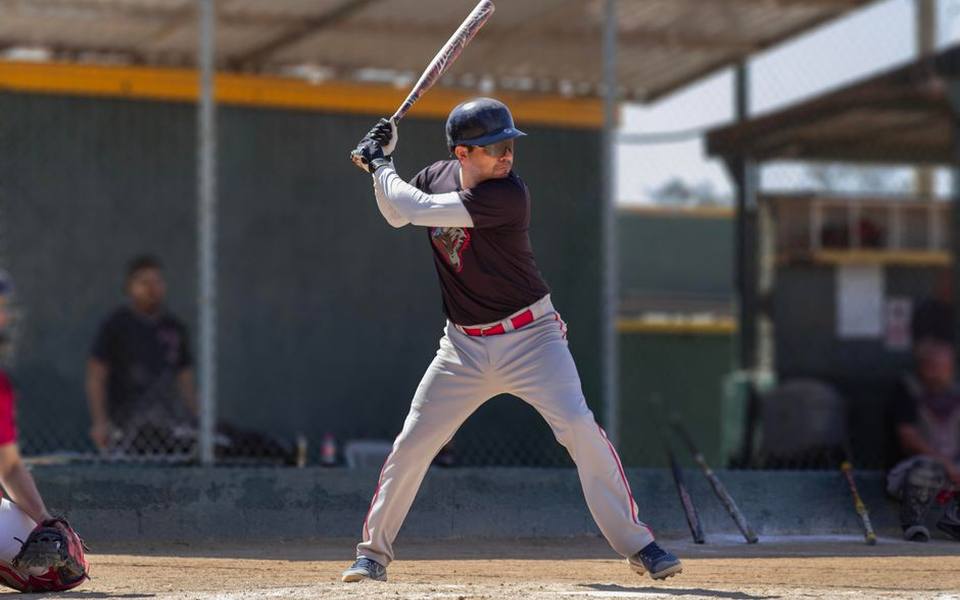
The best little league baseball bats tend to feature balanced swing weights rather than end-loaded barrels. Youth players rarely possess the core rotational strength needed to whip an end-loaded barrel through the zone without casting their arms early. Models featuring light swing index ratings help hitters catch up to higher-velocity pitches and maintain level bat paths across the strike zone. Furthermore, extended barrel profiles that stretch the sweet spot across several inches give young hitters more room for forgiveness on off-center contact.
Budget-friendly one-piece alloys also earn high praise across youth dugouts because they survive being tossed into equipment bags and left in car trunks across long tournament weekends. While high-end composite models deliver softer hand feel, an entry-level alloy bat from a reputable manufacturer performs reliably across multiple seasons without requiring meticulous climate care or breaking-in phases, making it an excellent baseline purchase for introductory league seasons.
Testing Before Buying: The Value of a Bat Demo
Purchasing an expensive bat based solely on online reviews or teammate recommendations carries real financial risk. A bat demo day or hands-on rental session offers the most reliable way to verify how a specific turn, balance point, and grip taper feel in live action. Modern baseball performance centers frequently partner with equipment manufacturers to stock demo fleets, enabling players to test multiple drops and lengths back-to-back while tracking their swings against real pitching machines.
Taking multiple cuts at dedicated indoor batting cages removes the guesswork from equipment shopping. Many players find that a bat marked as balanced feels end-loaded to their specific swing style, or that a handle taper rubs uncomfortably against their bottom wrist bone during their follow-through. Hitting twenty to thirty balls allows you to feel how the barrel responds to solid contact and how effectively the handle absorbs off-center vibrations before you commit your budget.
Players working on their mechanics can also book sessions at baseball and softball training facilities equipped with launch monitors to compare concrete exit velocity numbers across different bats. Measuring exit speed, launch angle, and hand acceleration provides tangible evidence of which bat maximizes your athletic output. If a slightly lighter model increases your bat speed by four miles per hour without sacrificing barrel control, the launch monitor data confirms the smarter equipment choice immediately.
Grip, Tack, and Using Pine Tar Properly
Maintaining a secure, relaxed grip on the bat handle prevents excess muscle tension in the forearms, which is crucial for quick wrists through the hitting zone. Traditional pine tar for bats has served as the classic tackifier for wood lumber for over a century. Made from natural pine wood resins, liquid pine tar and concentrated pine tar sticks give batters reliable friction against bare hands or leather batting gloves. When used correctly, it eliminates the need to squeeze the handle tightly, allowing a loose, whippy swing.
Applying pine tar requires moderate restraint. Most hitters apply the stick or liquid resin to the upper portion of the handle or along the taper rather than directly where their hands rest. Between pitches, players touch the sticky residue on the taper with their batting gloves to refresh their tack without gumming up their fingers entirely. In official baseball rulebooks, pine tar or any other grip-enhancing substance cannot extend beyond eighteen inches from the bottom of the knob, ensuring it does not reach the primary hitting surface.
While pine tar remains iconic on wood, modern players using metal and composite bats predominantly rely on synthetic polymer grips and tack sprays. Liquid pine tar can stain composite barrel shells and gum up batting gloves permanently. High-friction polymer grip wraps, available in thicknesses from half a millimeter up to nearly two millimeters, provide excellent dampening and friction without the messy residue that liquid pine tar leaves behind inside your gear bag.
Maintaining Your Bat Across Long Seasons
Protecting your bat investment requires simple off-field habits that preserve barrel pop and structural integrity. The most critical rule for composite and alloy equipment is avoiding cold-weather use. When ambient temperatures drop below sixty degrees, the leather and internal windings of a baseball compress and become significantly harder, turning standard soft toss balls into brick-like projectiles that can dent thin alloy walls or crack composite resin fibers. Keep your game bat in a climate-controlled room rather than leaving it in an unheated trunk overnight.
Avoid using your expensive game bat in commercial batting cages that throw yellow dimpled rubber balls. These dense synthetic balls are significantly heavier than regulation leather baseballs and exert tremendous focal pressure on bat walls, causing localized denting in alloy and internal delamination in composite models. If you are taking high-volume repetitions in automated cages, swing an inexpensive backup bat or a rugged one-piece alloy stick specifically dedicated to cage practice.
Regularly check your bat's grip tape for peeling edges or slick spots, replacing it as soon as your bottom hand begins slipping during hard cuts. For wood bats, inspect the barrel periodically for hairline surface cracks or flaking along the grain lines after hard foul tips. Partnering with a coach at batting cages with hitting lessons ensures that any lingering swing flaws that cause off-center mishits get corrected before they shorten the lifespan of your prized equipment.
Published 2026-09-21 · reviewed with each rebuild, last October 2026.
Find batting cages & baseball training near you
The directory lists 7,750 batting cages & baseball training by state and city — pick your state or use the “Near me” button in the header.
More guides
-
 Owning
Mastering Softball Mechanics: From Cage Drills to Game-Day Power
-
 Money
MoneyUnderstanding the Expenses of Renting and Building Batting Cages
-
 Safety
Pitching Mechanics: How to Throw Breaking Balls and Build Arm Velocity
-
 Service
Fundamental Swing Mechanics and Handling Breaking Pitches
-
 Owning
Slow Pitch Softball Hitting Guide: Mechanics for Power and Contact
-
 Owning
Building a Consistent Softball Swing: Mechanics, Drills, and Practice Routines
-
 Safety
Pitching Mechanics: Throwing Breaking Pitches and Building Velocity Safely
-
 Owning
Understanding Travel Baseball: Costs, Commitments, and Evaluating the Fit
-
 Buying
Ultimate Guide to Batting Cages and Hitting Nets: Types, Sizing, and Setup
-
 Safety
Youth Baseball Rules: Field Dimensions, Pitch Limits, and Age Brackets
-
 Owning
Batting Practice Essentials: Pitching Machines, Hitting Drills, and Training Equipment
-
 Owning
Agility Ladder Workouts and Footwork Drills for Baseball and Softball
-
 Safety
Protective Baseball Gear Guide: Catchers Gear, Thumb Guards, and Helmet Sizing
-
 Owning
Baseball & Softball Glove Guide: Sizing, Break-In, Relacing, and Maintenance
-
 Buying
Official MLB and Minor League Team Stores: Buying Authentic Fan Gear
-
 Service
Understanding Baseball Sabermetrics: Core and Advanced Stats Explained
-
 Service
Corporate Team Building Guide: Outings, Events, and Venue Selection
-
 Buying
A Complete Guide to Ordering Custom Baseball Uniforms and Team Apparel
-
 Buying
Custom Sports Jerseys Guide: Outfitting Soccer, Track, Volleyball, and Football Teams
-
 Owning
Complete Little League Guide: Schedules, Divisions, Rules, and Grants
-
 Buying
Local Sporting Goods Stores: Finding Gear, Trade-Ins, and Used Bats
-
 Buying
Baseball Birthday Party Ideas: Decorations, Supplies, and Themes
-
 Service
Youth Baseball and Softball Camps: Showcases, Academies, and Clinics
-
 Buying
Custom Fan Apparel and Varsity Jackets: Customization and Sizing
-
 Safety
Youth Pitching Arm Safety: Treating Little League Elbow and Shoulder Injuries
-
 Buying
Custom Baseball and Softball Uniforms: Design, Sublimation, and Ordering Guide
-
 Owning
Youth Baseball and T-Ball Drills: Practice Plans for Coaches and Parents
-
 Safety
Youth Baseball Sizing Guide: Batting Helmets, Gloves, and Protective Gear
-
 Buying
Commercial and Backyard Pitching Machines: Buyer's Guide and Field Maintenance
-
 Service
How to Choose and Enroll in Baseball and Softball Training Camps
-
 Service
Baseball & Softball Hitting Instruction, Swing Tech & Private Coaching Guide
-
 Safety
Baseball & Softball Helmet Sizing and Fit Guide
-
 Owning
How to Build and Outfit a Batting Cage and Hitting Facility
-
 Service
Baseball & Softball Glove Relacing, Restringing, and Care Guide
-
 Safety
Catcher's Gear Sizing, Protection, and Defensive Blocking Mechanics
-
 Service
Baseball Camps, Youth Academies, and Showcase Tryouts Guide
-
 Owning
Adult Baseball, Softball, and Backyard Leagues: A Complete Guide to Modern Formats
-
 Service
Planning Team Building Events, Parties, and Fundraisers at Sports Venues
-
 Service
Softball Mechanics, Pitch Grips, and Gear Sizing Guide