Matching the Machine to Your Space and Skill Level
Choosing a pitching machine starts with knowing where it will live and who will hit off it. Backyard cages require portable, quiet equipment that runs reliably on standard household current, while commercial facilities demand heavy-duty motors that can throw hundreds of balls an hour without overheating. A high-velocity unit inside an undersized net creates dangerous ricochets, whereas an underpowered machine bores advanced hitters who need game-like velocity and realistic break.
The space you have dictates the ball exit velocity you can safely handle. A standard fifty-foot to seventy-foot tunnel allows wheel-driven units to simulate realistic reaction times. If you are setting up in a garage or tighter footprint, machines throwing reduced-flight foam or dimpled practice balls are often the practical choice. Commercial spaces indexed in directories of batting cages and hitting facilities typically pair heavy commercial machinery with long tunnels and dedicated backstops to handle extreme wear.
Skill level determines the complexity you need from the throwing head. Younger players learning fundamental contact mechanics benefit most from consistent, single-speed fastballs right down the middle. High school, collegiate, and tournament hitters, by contrast, outgrow single-wheel machines quickly because they need mixed pitch sequences, changing speeds, and true spin rotation to develop plate discipline and pitch recognition.
Arm-Style Mechanisms Versus Wheel-Driven Throwing Heads
The fundamental design split in pitching equipment is between mechanical arm units and spinning wheel heads. Mechanical arm units, historically popularized by Iron Mike pitching machine systems, use an electric motor to pull back a spring-loaded mechanical arm that sweeps up and releases the ball from a rack. This motion gives hitters a distinct mechanical cadence to time their stride, which many traditional coaches prefer for building repeatable plate rhythm.
Arm-style units are standard fixtures in automated batting centers because they integrate seamlessly with large-capacity hoppers holding hundreds of balls. However, they are heavy, bulky pieces of equipment that require substantial floor anchoring and routine grease maintenance on large drive chains and pivot pins. Their pitch repertoire is generally limited to straight fastballs with minor height adjustments, meaning they build swing volume rather than pitch-recognition agility.
Wheel-driven machines rely on one, two, or three spinning polyurethane or pneumatic tires to pinch and propel the baseball forward. These units offer variable speed dials, pitch elevation knobs, and tilt adjustments that allow coaches to dial in sliders, curves, and knuckleballs. Wheel units are considerably lighter and easier to wheel into an equipment shed, though they lack the visual arm drop that helps a hitter time their forward move naturally.
Three-Wheel Systems and Advanced Pitch Simulation
Three-wheel equipment represents the premier tier for serious baseball training because of how the ball is controlled during release. The Sports Attack pitching machine family, anchored by the Hack Attack pitching machine, uses three independently controlled throwing wheels arranged in a triangle. This triangular geometry grips the ball from three sides, allowing the operator to adjust individual wheel speeds to create precise top-spin, side-spin, or back-spin without rotating the entire throwing head.
A major advantage of a three-wheel setup like the Sports Attack Hack Attack pitching machine is complete ball visibility. Because the wheels form an open tripod frame, the hitter sees the ball all the way through the feed chute right up to the release point. This open line of sight closely mimics seeing a live pitcher release the ball from their fingers, which sharpens pitch recognition far better than enclosed feed chutes.
These machines handle fastballs up to elite velocity ranges while easily dialing in biting curveballs, sliders, and split-finger pitches by adjusting three simple dials. For programs operating baseball & softball training facilities, three-wheel heads also pivot quickly upward to shoot high pop flies to outfielders or downward to fire crisp grounders to infielders, making them versatile multi-use field tools.
Single and Dual-Wheel Field Workhorses
Single-wheel machines are the entry-level baseline for both youth leagues and home batting cages. A single spinning tire pushes the ball against a static curved metal pad, imparting natural backspin on fastballs. While limited to one pitch shape, these units are lightweight, can fit inside the trunk of a family sedan, and provide reliable batting practice for basic hand-eye coordination without demanding complex dial calibration.
Two-wheel machines expand training variety considerably by using opposing spinning tires. Units built by companies like Jugs pitching machine designs or an Atec pitching machine allow coaches to change the relative speed between the top and bottom or left and right wheels. Adjusting the wheel speed differential generates sinking fastballs, sweeping breaking balls, or traditional curveballs that challenge intermediate hitters.
A dual-wheel unit from an established brand remains one of the most cost-effective investments for school programs. They balance portability with enough velocity variation to test varsity hitters. Swapping the machine between throwing grounders, catcher framing drills, and live BP requires only a quick loosen of a swivel handle, making them adaptable across every phase of team practice.
Fastpitch Softball Machines and Vertical Trajectory
Throwing softballs demands specialized equipment due to the twelve-inch circumference of the ball and the underhand release angle. A dedicated fastpitch pitching machine features wider wheel spacing and broader guide channels to grip the larger ball securely. Feeding an official twelve-inch softball into a machine calibrated for baseballs will instantly jam the feed chute and risk burning out drive motor windings.
Advanced fastpitch hitters must train against the rising fastball, which requires reverse spin and an upward trajectory that mimics an underhand snap. The Hack Attack softball pitching machine achieves this by angling its three-wheel configuration to generate authentic rise-ball backspin alongside sinking drop balls and screwballs. This capability is critical for travel-ball teams preparing players for elite college pitching staffs.
When outfitting a tunnel for fastpitch, the machine tripod height must be adjusted correctly to simulate the proper release window. Setting a softball unit on standard tall baseball legs creates an unrealistic downward tilt that ruins a hitter's upward path against high-level pitching. Look for units with adjustable or low-profile leg extensions designed specifically for the softball mound distance.
High-Arc Mechanics in Slowpitch Training Units
Slowpitch softball requires a completely different throwing geometry than baseball or fastpitch. A slow pitch softball pitching machine must loft the ball into a high arc—typically between six and twelve feet above the ground—before dropping it cleanly across a hitting mat. Standard machines cannot tilt upward far enough or slow their wheels down sufficiently to generate this gentle, parabolic delivery without erratic fluttering.
Specialized slow pitch pitching machine units employ low-RPM motors or specific guide tracks that release the ball at an upward angle. Maintaining pitch consistency in slowpitch training is essential for teaching batters patience, plate discipline, and deep-contact mechanics. When players train in dedicated indoor batting cages, these high-arc machines must be paired with adequate ceiling clearance—typically at least sixteen to twenty feet—to avoid hitting the roof netting.
Using a dedicated slow pitch machine also ensures that the hopper and feeder can handle heavy twelve-inch poly or leather balls without jamming. Because slowpitch batters often take extensive batting sessions to dial in their opposite-field cut swings, pairing these machines with high-capacity automated ball feeders saves immense arm strain for batting coaches over a long weekend tournament schedule.
Inspecting Used Machines and Sourcing Replacement Equipment
Finding a quality baseball pitching machine for sale on the secondary market can save significant money, but it requires a thorough mechanical inspection. The first component to inspect is the throwing wheel surface. Polyurethane wheels should be firm, smooth, and free of deep gouges, flat spots, or dry-rot cracks. Uneven tire wear directly causes wild pitches that can injure hitters or damage cage netting.
Next, plug the machine in and listen closely to the electric motors as they spin up across the entire RPM band. The motor should produce a steady, clean hum without grinding noises, high-pitched squeals, or burning electrical odors. Grinding indicates worn shaft bearings, which will eventually seize under load. Check that speed potentiometers turn smoothly without dead spots where the motor abruptly cuts out.
Inspect the structural frame, welds, and swivel joints for stress fractures. Welds near the leg collar and elevation clamp take the brunt of vibration over thousands of pitch cycles. Hairline cracks around adjustment handles mean the machine will wobble during delivery, throwing off pitch accuracy. Ensure all locking pins, friction clamps, and leg mounting bolts are original and thread cleanly without cross-thread damage.
Power Supplies, Extension Cords, and Field Inverters
Pitching machines draw significant electrical current, particularly on initial startup when the heavy throwing wheels accelerate from a stop. Running a commercial-grade machine on an undersized extension cord causes voltage drop, which starves the motor of power. This voltage starvation leads to erratic pitch speeds, excessive motor heating, and premature failure of internal circuit control boards.
For runs up to fifty feet from an electrical outlet, a heavy-duty twelve-gauge outdoor extension cord is generally adequate. If you are running power out past one hundred feet across a high school field, step up to a ten-gauge commercial cord to minimize electrical line loss. Avoid daisy-chaining multiple thin household extension cords together, as this poses a serious fire hazard and voids motor warranties.
If you practice on open fields without AC wall power, you will need a clean-power generator or pure sine wave inverter generator. Standard budget construction generators can produce dirty electrical power with voltage spikes that fry sensitive digital speed controllers. Look for an inverter generator rated for at least two thousand starting watts to provide the stable, clean alternating current required by modern multi-wheel machines.
Wheel Reconditioning, Motor Care, and Wear Parts
Regular maintenance directly extends the service life of any pitching unit. The most common operational issue is the buildup of ball seam residue, leather oils, and synthetic wax on the throwing surfaces. Clean the wheels monthly using medium-grit sandpaper or a stiff wire brush held lightly against the slowly spinning wheel to buff off the glossy slick glaze and restore firm ball traction.
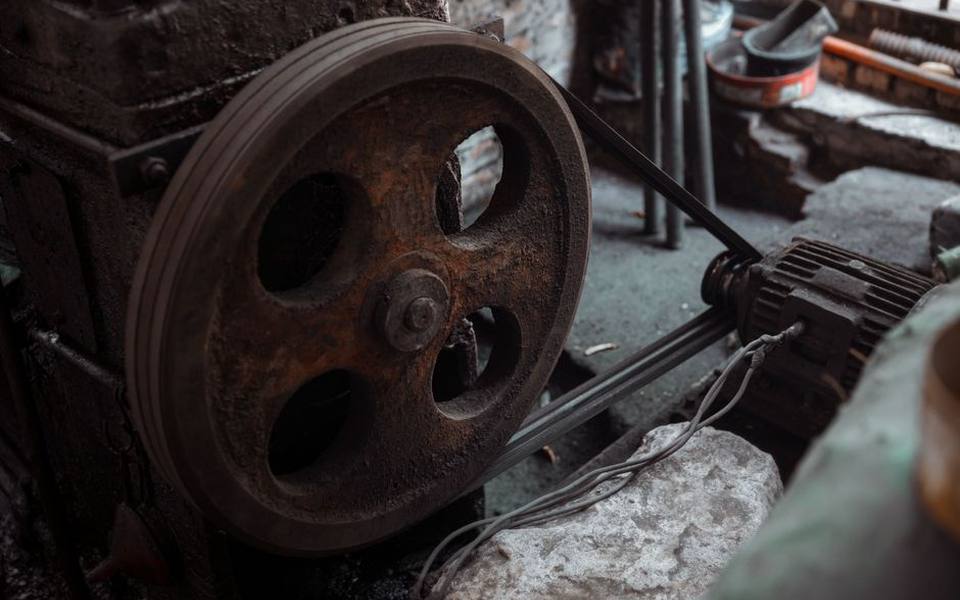
Keep mechanical arm units running smoothly by lubricating drive chains, pivot bearings, and clutch assemblies with manufacturer-approved grease every few months. Check spring tension annually on arm-style units, as fatigued springs drop exit velocity significantly. For commercial operators, keeping critical spare parts on the shelf—such as replacement drive belts, micro-switches, elevation handles, and extra control knobs—prevents cage downtime during peak season.
Ball selection plays an overlooked role in machine longevity. Dimpled polyurethane practice balls cause far less wheel wear and throw with pinpoint accuracy because they have no raised seams. If you throw real leather baseballs or softballs, ensure the balls are dry and clean. Feeding wet or mud-caked balls leaves slick deposits on the throwing surfaces that result in erratic deliveries and dangerous slip pitches.
Seasonal Storage, Weather Protection, and Safety Practices
Leaving a pitching machine exposed to the elements will rapidly degrade both electrical and mechanical components. Rain corrodes motor windings and speed controls, while intense ultraviolet sunlight dries out, hardens, and cracks polyurethane throwing tires. When practice concludes, transport the machine indoors or cover it with a heavy, fitted, waterproof canvas cover designed for pitching equipment.
For winter storage, store the unit in a dry, climate-controlled shed or equipment room. Drastic freeze-thaw cycles can cause condensation inside the motor housing, rusting internal armatures. Relieve tension on mechanical arm springs before long storage intervals to preserve their tensile strength. If storing pneumatic-wheel machines, verify tire pressures before storage so tires do not develop permanent rim flat spots.
Safety around pitching machines must always be strictly enforced. Every operator must stand behind a protective safety screen, such as a padded L-screen, even when running the feeder behind a cage backstop. Line drives hit directly back up the middle can ricochet violently off the machine frame or strike the operator. Incorporating strict safety protocols protects coaches during individual sessions and team work at batting cages with hitting lessons.
Published 2026-09-21 · reviewed with each rebuild, last October 2026.
Find batting cages & baseball training near you
The directory lists 7,750 batting cages & baseball training by state and city — pick your state or use the “Near me” button in the header.
More guides
-
 Owning
Mastering Softball Mechanics: From Cage Drills to Game-Day Power
-
 Money
MoneyUnderstanding the Expenses of Renting and Building Batting Cages
-
 Safety
Pitching Mechanics: How to Throw Breaking Balls and Build Arm Velocity
-
 Service
Fundamental Swing Mechanics and Handling Breaking Pitches
-
 Owning
Slow Pitch Softball Hitting Guide: Mechanics for Power and Contact
-
 Owning
Building a Consistent Softball Swing: Mechanics, Drills, and Practice Routines
-
 Safety
Pitching Mechanics: Throwing Breaking Pitches and Building Velocity Safely
-
 Owning
Understanding Travel Baseball: Costs, Commitments, and Evaluating the Fit
-
 Buying
Ultimate Guide to Batting Cages and Hitting Nets: Types, Sizing, and Setup
-
 Safety
Youth Baseball Rules: Field Dimensions, Pitch Limits, and Age Brackets
-
 Owning
Batting Practice Essentials: Pitching Machines, Hitting Drills, and Training Equipment
-
 Buying
Baseball & Softball Bat Buying Guide: Sizing, Materials, Certifications, and Custom Options
-
 Owning
Agility Ladder Workouts and Footwork Drills for Baseball and Softball
-
 Safety
Protective Baseball Gear Guide: Catchers Gear, Thumb Guards, and Helmet Sizing
-
 Owning
Baseball & Softball Glove Guide: Sizing, Break-In, Relacing, and Maintenance
-
 Buying
Official MLB and Minor League Team Stores: Buying Authentic Fan Gear
-
 Service
Understanding Baseball Sabermetrics: Core and Advanced Stats Explained
-
 Service
Corporate Team Building Guide: Outings, Events, and Venue Selection
-
 Buying
A Complete Guide to Ordering Custom Baseball Uniforms and Team Apparel
-
 Buying
Custom Sports Jerseys Guide: Outfitting Soccer, Track, Volleyball, and Football Teams
-
 Owning
Complete Little League Guide: Schedules, Divisions, Rules, and Grants
-
 Buying
Local Sporting Goods Stores: Finding Gear, Trade-Ins, and Used Bats
-
 Buying
Baseball Birthday Party Ideas: Decorations, Supplies, and Themes
-
 Service
Youth Baseball and Softball Camps: Showcases, Academies, and Clinics
-
 Buying
Custom Fan Apparel and Varsity Jackets: Customization and Sizing
-
 Safety
Youth Pitching Arm Safety: Treating Little League Elbow and Shoulder Injuries
-
 Buying
Custom Baseball and Softball Uniforms: Design, Sublimation, and Ordering Guide
-
 Owning
Youth Baseball and T-Ball Drills: Practice Plans for Coaches and Parents
-
 Safety
Youth Baseball Sizing Guide: Batting Helmets, Gloves, and Protective Gear
-
 Service
How to Choose and Enroll in Baseball and Softball Training Camps
-
 Service
Baseball & Softball Hitting Instruction, Swing Tech & Private Coaching Guide
-
 Safety
Baseball & Softball Helmet Sizing and Fit Guide
-
 Owning
How to Build and Outfit a Batting Cage and Hitting Facility
-
 Service
Baseball & Softball Glove Relacing, Restringing, and Care Guide
-
 Safety
Catcher's Gear Sizing, Protection, and Defensive Blocking Mechanics
-
 Service
Baseball Camps, Youth Academies, and Showcase Tryouts Guide
-
 Owning
Adult Baseball, Softball, and Backyard Leagues: A Complete Guide to Modern Formats
-
 Service
Planning Team Building Events, Parties, and Fundraisers at Sports Venues
-
 Service
Softball Mechanics, Pitch Grips, and Gear Sizing Guide