Understanding Youth Baseball and Little League Levels
Navigating the structured ladder of youth baseball can feel overwhelming for families stepping onto the diamond for the first time. Most traditional community organizations follow clear divisions based on player age and developing motor skills. The journey typically begins with tee-ball around age four or five, where the emphasis centers on basic hand-eye coordination, base running in the right direction, and simply enjoying the outdoor environment without any pressure of winning or losing.
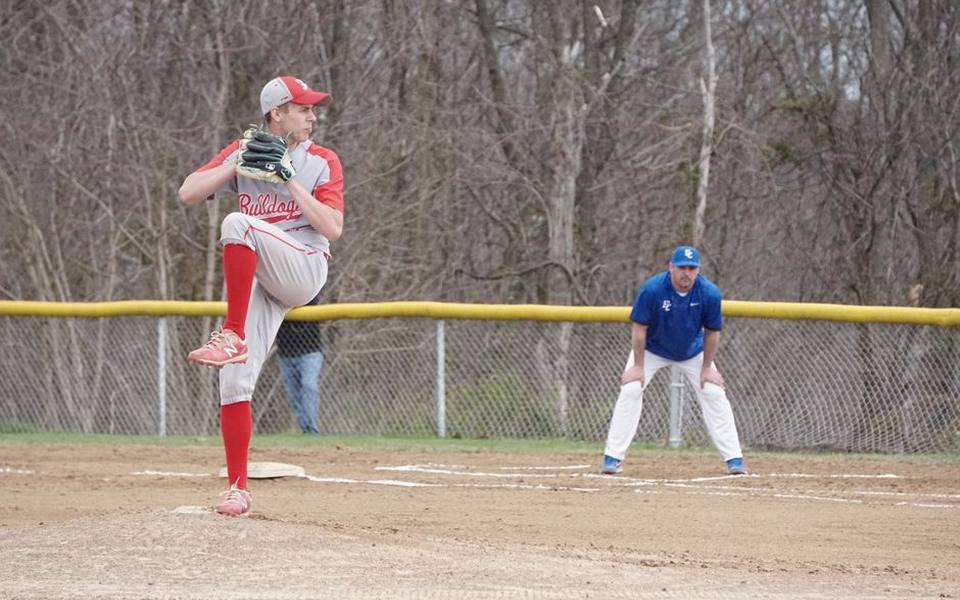
As players reach roughly seven or eight years old, leagues introduce coach-pitch or machine-pitch formats to speed up game pace and build swing timing. From there, standard Little League levels advance into traditional player-pitch divisions, generally designated as Minors and Majors. Majors usually serves players aged ten to twelve, playing on standard forty-six-foot pitching distances and sixty-foot base paths, where base runners learn to track wild pitches and defenses execute routine groundouts consistently.
Beyond the traditional primary divisions, baseball league levels transition toward intermediate fifty-seventy divisions, Junior League, and Senior League brackets. These intermediate divisions ease young adolescents into standard regulation diamonds featuring sixty-foot pitching distances and ninety-foot base paths. Progressing gradually through these age brackets ensures throwing arms adjust to deeper throws across the diamond, which helps protect developing joints while pitchers learn how to manage true pickoff moves.
Choosing the right level depends on physical maturity, emotional readiness, and individual interest rather than peer pressure. Placing a player in a division that matches their current comfort zone builds confidence at the plate and on the mound. When youngsters experience consistent contact and make routine plays without constant fear of injury, their passion for practice remains steady through their middle school years.
The Shift Toward Travel Ball and Dedicated Sports Facility Companies
Around nine or ten years old, many players explore competitive travel teams and specialized training centers to supplement their recreation league schedules. Commercial sports facility companies have changed how families approach early skill training across suburban communities. These dedicated complexes centralize automated pitching cages, open turf infields, and weighted-ball throwing corridors under one roof, providing a structured venue for year-round development regardless of weather swings.
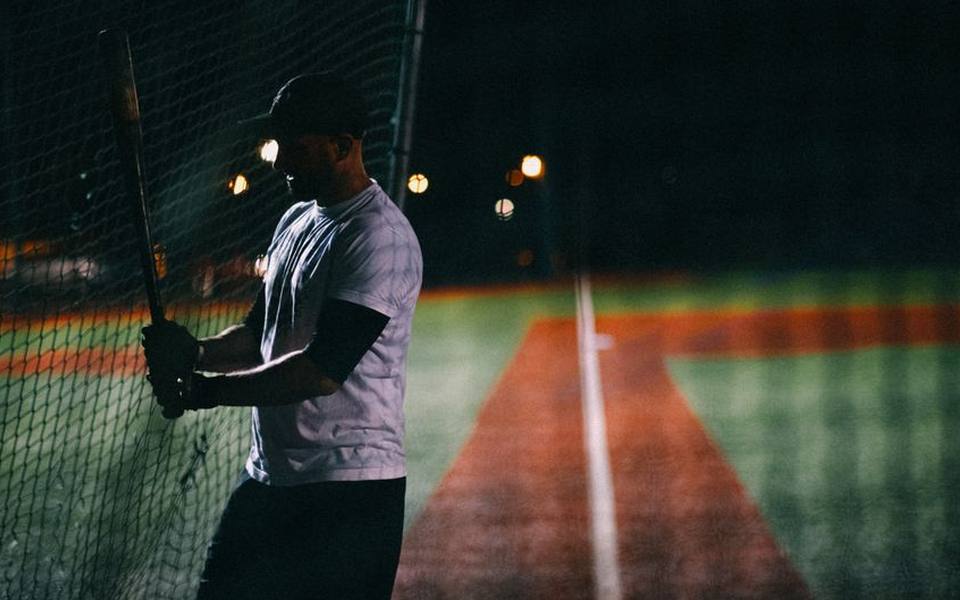
Choosing a multi-sport company or private baseball club requires looking beyond marketing brochures and uniform packages. High-level organizations prioritize functional movement, arm safety protocols, and structured fundamental instruction over collecting weekend plastic trophies. When evaluating prospective club homes, parents should observe an active practice to see whether coaches keep every player moving or allow long lines to stand idly behind single drill stations.
Access to dedicated turf spaces and private cages gives young athletes a significant edge when building arm strength and swing repetition. Families frequently utilize local baseball & softball training facilities that partner with club teams to secure regular offseason tunnel access. Consistent practice within indoor environments lets players break down mechanical swing flaws under the watchful eye of experienced instructors who understand age-appropriate biomechanics.
Financial commitments for club teams and private facilities vary widely based on tournament travel schedules, paid coaching stipends, and uniform fees. Asking for an itemized breakdown of indoor winter cage access, tournament entry fees, and private lesson discounts helps families budget sensibly before signing multi-season commitments.
Evaluating Regional Training Academies and Coaching Staff
Independent training hubs across the country provide tailored instruction designed to bridge the gap between youth leagues and high school varsity rosters. Whether you look at regional instruction centers like the baseball truth academy approach or established neighborhood institutions such as the baseball academy of norwin, the foundational principles remain consistent. The best academies emphasize honest mechanical evaluations, measurable progress markers, and functional athleticism over false promises of college scholarships.
Quality facilities focus heavily on baseline testing, using high-speed video capture and launch monitor data to assess hip-to-shoulder separation, hand speed, and exit velocity. Reputable trainers explain these metrics in straightforward terms so teenagers understand why certain swing adjustments produce higher line-drive rates. When instructors communicate clearly with both the athlete and the parents, long-term training plans become far more sustainable and productive.
Geography plays a major role in how facilities structure their off-season curriculums, particularly in northern climates where winter snow limits outdoor field work. In states like Pennsylvania, where families can access roughly 249 training locations listed in directory data, competitive players rely on batting cages in Pennsylvania to maintain arm stamina and contact consistency between November and March. Year-round northern athletes build durable throwing habits by taking advantage of temperature-controlled indoor turf complexes.
Before investing in long-term memberships, attend an open house or book an initial private evaluation. Watch how the instructors interact with students who struggle with a drill. Supportive coaches challenge players to solve movement problems independently, reinforcing resilience and discipline that carry forward into high-stakes school tryouts.
Maximizing Offseason Reps with Private Lessons and Indoor Cages
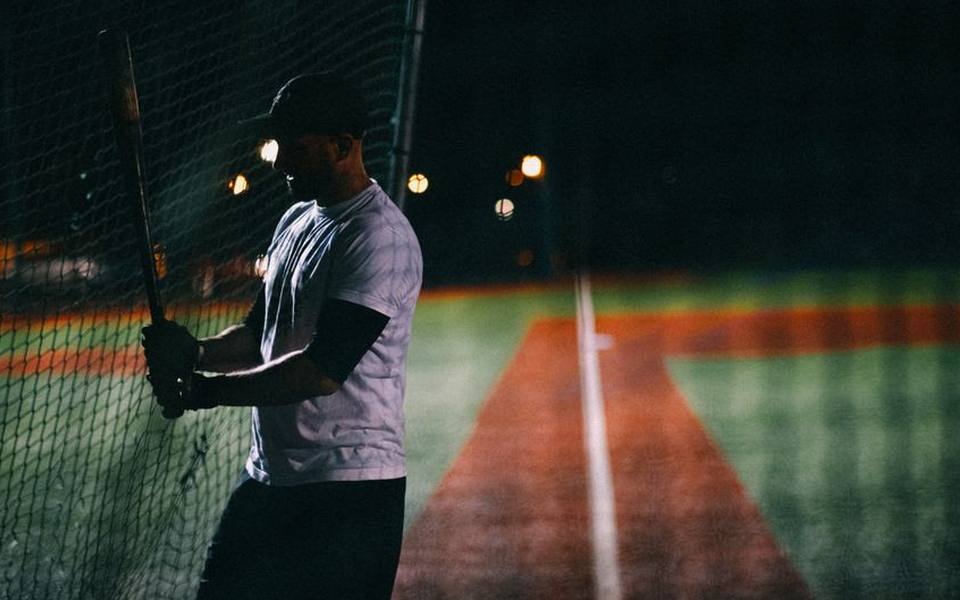
Routine team practices provide game awareness and team communication drills, but individual skill growth happens largely during focused private cage sessions. Hitting is an unforgiving skill that requires hundreds of weekly repetitions off tees, front tosses, and live pitching arms. Dedicated cage time isolates specific mechanical flaws, such as dropping the barrel through the zone or lunging onto the front foot before pitch recognition occurs.
Many development facilities offer private instruction coupled with independent tunnel rentals so athletes can practice their weekly assignments on their own schedule. Working with trusted mentors through batting cages with hitting lessons ensures players receive tailored feedback on bat path, lower-half engagement, and plate discipline. Having an objective coach review swing video keeps hitters from developing bad habits during heavy repetition blocks.
A productive cage workout should follow a deliberate progression rather than simply stepping into a sixty-mile-per-hour automated machine and swinging away. Starting with short tee drills builds barrel control, while controlled underhand flips let hitters work on driving pitches to the opposite field. Finishing sessions with high-velocity machine work or mixed pitch types challenges the hitter to make split-second swing decisions under realistic stress.
Catchers and pitchers also derive immense value from winter tunnel work, refining receiving frames and pitching arsenals in controlled settings. Catchers can practice blocking drills on smooth synthetic turf without worrying about unpredictable dirt bounces, building muscle memory that pays off behind the plate on opening day.
Navigating College Prospect Camps and Campus Clinics
As high school players enter their sophomore and junior campaigns, college baseball camps become an essential part of the recruiting timeline. These events range from large multi-college prospect days to intimate campus clinics hosted by specific coaching staffs. Attending a session like a uconn baseball camp gives aspiring collegiate athletes a firsthand look at collegiate training intensity, team culture, and campus athletic facilities.
Campus prospect clinics generally feature pro-style skill workouts in the morning, followed by controlled scrimmage innings in the afternoon. Coaches record sixty-yard dash times, throwing velocities from the outfield and infield, catcher pop times, and batting exit speeds. During scrimmages, recruiting coordinators watch how players handle strikeout adversity, how pitchers attack deep counts, and how bench players support their teammates.
To get genuine recruiting value from an on-campus camp, players must communicate with the host coaching staff weeks before stepping onto their field. Sending a concise email with academic transcripts, verified metric numbers, and a brief video link helps recruiters target your field sessions. Arriving without prior communication often means blending into a crowd of a hundred other unnamed participants.
Parents should treat these clinics as exploratory campus visits just as much as athletic auditions. Walking the campus grounds, seeing the dormitories, and observing how coaches teach fundamentals helps families determine whether that academic and athletic environment suits the student-athlete over a four-year collegiate career.
Destination Summer Camps and Warm-Weather Clinics
Specialty summer baseball camps in warm-weather hubs offer comprehensive training environments that combine fundamentals with competitive tournament play. Programs like a baseball camp san diego program attract high school and middle school players seeking outdoor repetitions under comfortable coastal skies. These destination camps feature extensive field work, beach agility training, and classroom seminars covering nutritional planning and mental performance.
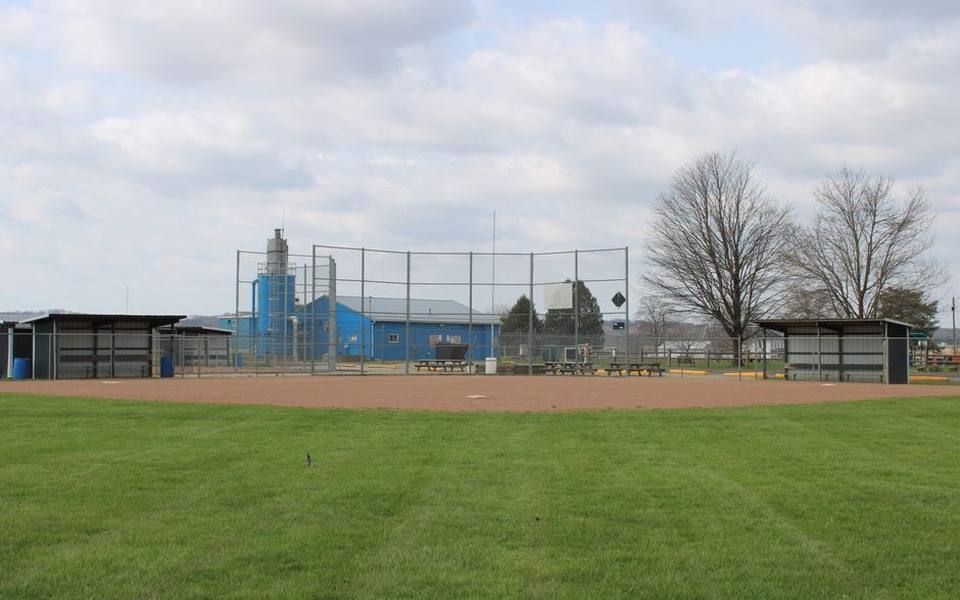
Participating in warm-weather camps allows athletes from colder regions to test their skills against elite coastal competition. West Coast players typically play outdoors across ten or eleven months of the year, developing swift defensive instincts and fluid swing adjustments. Testing yourself against hitters and pitchers who face high-level competition year-round highlights personal development gaps that need attention back home.
Regions like California boast deep baseball ecosystems, supported by more than 630 baseball and softball facilities statewide. Exploring batting cages in California while traveling gives visiting athletes easy opportunities to warm up before camp sessions or loosen arms after long cross-country flights. Access to well-maintained indoor tunnels and outdoor batting cages ensures players keep their swing rhythm sharp between tournament games.
When planning a summer destination camp, remember to factor in recovery time. Playing doubleheaders in intense heat over consecutive days without proper hydration and arm care leads to muscle fatigue and reduced throwing velocity. Balancing intense on-field competition with restful sleep and balanced meals ensures the athlete performs at their absolute peak throughout the event.
Academic Showcases and Multi-College Combine Formats
High school athletes aiming for rigorous academic colleges often target specialized showcase platforms rather than standard open tournaments. Programs like the headfirst showcase format connect high-academic prospects directly with coaches from Ivy League institutions, Patriot League programs, and prestigious Division III athletic conferences. These showcases prioritize high school GPA and standardized test marks alongside athletic testing numbers.
Academic combines typically run a tightly orchestrated schedule across two or three days. Position players undergo laser-timed running sprints, live batting practice on open stadium diamonds, and multiple live-pitching scrimmage rotations. College recruiters stand along the backstop and dugouts, evaluating not only arm angles and bat speed, but also base-running instincts and defensive positioning on tricky bloop hits.
One major advantage of targeted academic showcases is the high coach-to-player ratio present on the field. College coaches actively manage the dugouts and coach the bases during scrimmages, providing real-time feedback and engaging in direct conversations with prospective recruits. This structure creates organic opportunities for athletes to show their baseball IQ, work ethic, and coachability in realistic game settings.
Preparing for these events requires thorough preparation off the field. Athletes should research every participating college roster beforehand to understand where potential positional openings might arise upon graduation. Having a crisp academic resume prepared, including updated SAT or ACT scores and class ranking, enables productive post-game discussions with admissions-conscious coaches.
National Team Identification Programs and Development Pathways
For the country's most elite amateur athletes, the ultimate proving ground involves the national team development pipeline. Families looking ahead to national team identification cycles, such as usa baseball tryouts 2026 events, must understand the multi-tiered selection structure. Identification begins at regional camps, continues through National Team Identification Series (NTIS) tournaments, and culminates in invites to the National Training Complex.
The national scouting staff assesses prospects through advanced player development models, tracking kinetic sequencing, spin rates, and high-velocity bat paths. While raw physical tools matter, evaluators place equal weight on how players adapt to elite international pitching styles and execute situational bunts, cutoffs, and situational double plays. Wearing a national team uniform requires unmatched positional discipline and team-first maturity.
The selection timeline often requires athletes to participate in sanctioned regional tryouts twelve to eighteen months before the target international tournament year. Performing consistently across these regional rounds earns players invitations to regional task force teams, where they compete against the top talent in their geographic zone before national rosters get finalized by front-office directors.
Athletes who enter national identification streams benefit immensely from the professional feedback provided by former major league coaches and national scouts. Even if an athlete does not make the final international roster, the detailed scouting evaluations and metric baselines highlight the exact physical benchmarks required to compete against the best players in the world.
Professional Open Tryouts and Major League Scouting Days
For collegiate seniors, undrafted free agents, and standout regional athletes, professional baseball tryouts mlb organizations coordinate provide an entry point into affiliated professional baseball. While Major League organizations draft the bulk of their minor league talent through the annual amateur draft, clubs still host regional scout days and open tryout calls to uncover late-blooming talent across the country.
Open professional tryouts follow strict, unforgiving timelines. Hundreds of hopeful athletes often register early in the morning, beginning the session with a sixty-yard sprint test. Players who fail to beat standard professional speed baselines are often dismissed before defensive evaluations even begin. Evaluators focus on exceptional singular tools: elite arm velocity, rare raw power, or exceptional foot speed that can be refined inside player development systems.
Position players who survive the initial running cut take brief defensive reps, making four to five throws from deep shortstop or right field directly into radar guns. Pitchers throw brief bullpens, typically ten to fifteen pitches, where scouts evaluate fastball movement, breaking ball shape, and repeatable delivery mechanics. Those who show plus physical velocity might be invited back for live simulated at-bats.
Attending an open pro tryout requires total mental clarity and realistic expectations. The odds of signing an affiliated contract directly out of an open cattle-call tryout are historically slim. However, performing well can place an unheralded player on a regional crosschecker's follow list, opening doors to independent leagues or summer collegiate roster spots.
Independent Baseball Leagues and Pioneer League Tryouts
When traditional affiliated pathways narrow, independent baseball league tryouts offer an essential alternative for players determined to keep their professional playing dreams alive. Circuits like the American Association, the Frontier League, and the Atlantic League operate with high competition standards, featuring many former minor league players and international veterans competing in front of independent scouts.
Similarly, official MLB partner circuits, including seasonal pioneer baseball league tryouts, have become vital proving grounds for collegiate standouts seeking a launchpad back toward affiliated contracts. The Pioneer League functions as a designated developmental partner league across the Mountain West, holding annual open tryout camps where league managers and team scouts evaluate hundreds of free agents over a two-day evaluation weekend.
These independent tryouts simulate intensive spring training workouts, combining timed speed runs, batting practice rotations, and multiple live-game innings. Managers are looking for immediate contributors who can handle the physical grind of sixty to ninety regular-season games without missing time due to conditioning issues. Pitchers who locate strikes with low-nineties velocity often secure immediate spring training roster invitations.
Playing independent ball demands immense personal dedication, as monthly player stipends and travel amenities are modest compared to major league organizations. However, dozens of players every year parlay independent league contracts into major league affiliated minor league opportunities. If you bring verified tools, a healthy arm, and resilient professionalism, independent circuits provide a legitimate stage to prove your worth on the field.
Published 2026-09-21 · reviewed with each rebuild, last October 2026.
Find batting cages & baseball training near you
The directory lists 7,750 batting cages & baseball training by state and city — pick your state or use the “Near me” button in the header.
More guides
-
 Owning
Mastering Softball Mechanics: From Cage Drills to Game-Day Power
-
 Money
MoneyUnderstanding the Expenses of Renting and Building Batting Cages
-
 Safety
Pitching Mechanics: How to Throw Breaking Balls and Build Arm Velocity
-
 Service
Fundamental Swing Mechanics and Handling Breaking Pitches
-
 Owning
Slow Pitch Softball Hitting Guide: Mechanics for Power and Contact
-
 Owning
Building a Consistent Softball Swing: Mechanics, Drills, and Practice Routines
-
 Safety
Pitching Mechanics: Throwing Breaking Pitches and Building Velocity Safely
-
 Owning
Understanding Travel Baseball: Costs, Commitments, and Evaluating the Fit
-
 Buying
Ultimate Guide to Batting Cages and Hitting Nets: Types, Sizing, and Setup
-
 Safety
Youth Baseball Rules: Field Dimensions, Pitch Limits, and Age Brackets
-
 Owning
Batting Practice Essentials: Pitching Machines, Hitting Drills, and Training Equipment
-
 Buying
Baseball & Softball Bat Buying Guide: Sizing, Materials, Certifications, and Custom Options
-
 Owning
Agility Ladder Workouts and Footwork Drills for Baseball and Softball
-
 Safety
Protective Baseball Gear Guide: Catchers Gear, Thumb Guards, and Helmet Sizing
-
 Owning
Baseball & Softball Glove Guide: Sizing, Break-In, Relacing, and Maintenance
-
 Buying
Official MLB and Minor League Team Stores: Buying Authentic Fan Gear
-
 Service
Understanding Baseball Sabermetrics: Core and Advanced Stats Explained
-
 Service
Corporate Team Building Guide: Outings, Events, and Venue Selection
-
 Buying
A Complete Guide to Ordering Custom Baseball Uniforms and Team Apparel
-
 Buying
Custom Sports Jerseys Guide: Outfitting Soccer, Track, Volleyball, and Football Teams
-
 Owning
Complete Little League Guide: Schedules, Divisions, Rules, and Grants
-
 Buying
Local Sporting Goods Stores: Finding Gear, Trade-Ins, and Used Bats
-
 Buying
Baseball Birthday Party Ideas: Decorations, Supplies, and Themes
-
 Service
Youth Baseball and Softball Camps: Showcases, Academies, and Clinics
-
 Buying
Custom Fan Apparel and Varsity Jackets: Customization and Sizing
-
 Safety
Youth Pitching Arm Safety: Treating Little League Elbow and Shoulder Injuries
-
 Buying
Custom Baseball and Softball Uniforms: Design, Sublimation, and Ordering Guide
-
 Owning
Youth Baseball and T-Ball Drills: Practice Plans for Coaches and Parents
-
 Safety
Youth Baseball Sizing Guide: Batting Helmets, Gloves, and Protective Gear
-
 Buying
Commercial and Backyard Pitching Machines: Buyer's Guide and Field Maintenance
-
 Service
How to Choose and Enroll in Baseball and Softball Training Camps
-
 Service
Baseball & Softball Hitting Instruction, Swing Tech & Private Coaching Guide
-
 Safety
Baseball & Softball Helmet Sizing and Fit Guide
-
 Owning
How to Build and Outfit a Batting Cage and Hitting Facility
-
 Service
Baseball & Softball Glove Relacing, Restringing, and Care Guide
-
 Safety
Catcher's Gear Sizing, Protection, and Defensive Blocking Mechanics
-
 Owning
Adult Baseball, Softball, and Backyard Leagues: A Complete Guide to Modern Formats
-
 Service
Planning Team Building Events, Parties, and Fundraisers at Sports Venues
-
 Service
Softball Mechanics, Pitch Grips, and Gear Sizing Guide