Selecting the Right Jersey Construction for Your Squad
Choosing team uniforms begins with deciding between full dye sublimation, traditional screen printing, and sewn tackle twill. Screen printed jerseys remain an economical choice for single-season recreational leagues or tight budgets where basic block numbers and one-color chest logos meet local park district rules. However, heavier inks on lightweight athletic shirts can crack after repeated sliding into dirt or high-heat laundry cycles.
Full dye sublimation has become the benchmark standard across youth travel programs and high school teams because the artwork bonds molecularly into the synthetic polyester rather than sitting on top of the fabric. Sublimated jerseys allow unlimited gradient colors, complex vector patterns, sponsor emblems, and individual player names without adding physical weight or stiffness to the chest. Tackle twill, which features embroidered fabric patches stitched to heavy double-knit polyester, gives high school and collegiate clubs a classic aesthetic, though it generally costs more and requires gentle cleaning cycles.
When planning a program budget, factoring in replacement jersey protocols saves headaches later in the year. Single-print screen printing setups often charge screen setup fees each time an extra player joins, whereas digital sublimation files remain archived for rapid individual reorders. Before committing to a specific production route, examine sample shirts in person to inspect stitch density, neckline reinforcement, and seam comfort around the underarms.
The Science and Advantages of Dye Sublimation
Dye sublimation transforms heat-sensitive inks directly into gas under intense pressure, infusing the dyes deep into polyester fibers instead of resting on the surface. Because the microscopic pores of the fabric absorb the tint, the garment retains all of its natural mechanical stretch, airflow channels, and sweat-dispersion qualities. Players who spend long afternoons training at local batting cages and hitting facilities will appreciate how sublimated patterns eliminate the clammy, rubbery patches associated with heavy vinyl transfers.
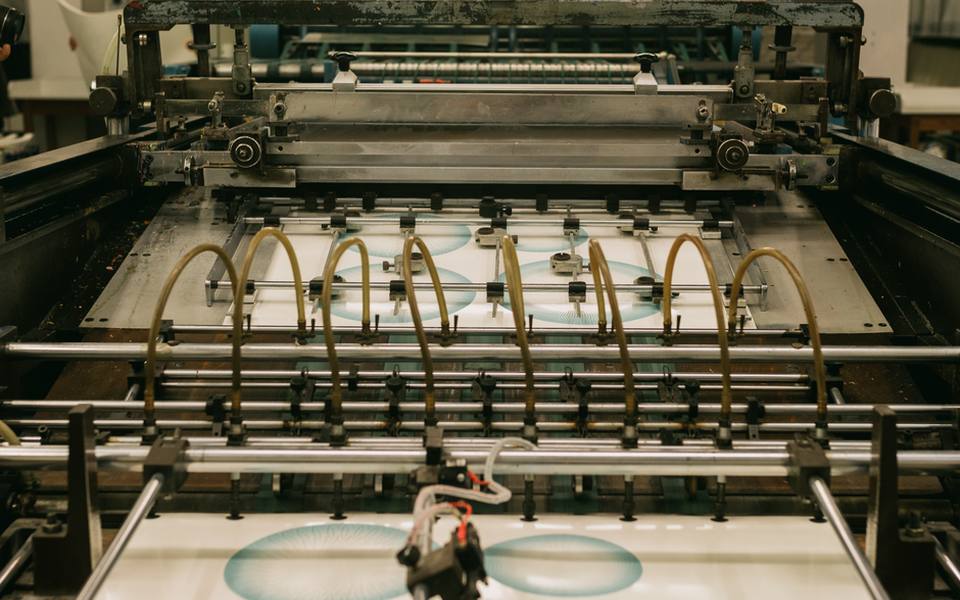
Color reproduction on modern custom sublimation jerseys is essentially limitless, letting designers incorporate multi-tonal camo patterns, subtle pinstripes, and faded hem gradients that screen printers simply cannot replicate economically. Because the graphic file drives the digital print head directly onto transfer paper, clubs can place numbers on the right sleeve, full rosters on the back, and county emblems across the collar at no extra charge per placement location.
Durability stands as sublimation's biggest competitive strength against dirt, clay, and rigorous abrasive contact. The pigments cannot crack, peel, or split when sliding across damp red shale or diving for line drives in the outfield. Provided parents keep garments away from high-heat home dryer cycles, the vibrancy of sublimated graphics typically outlasts the playing life of the apparel itself.
Technical Moisture-Wicking Fabrics and Performance Blends
Modern ballplayers demand high-performance custom dri fit shirts that wick sweat away from the torso to keep body temperatures manageable during doubleheaders. These performance fabrics use hydrophobic microfiber polyester yarns spun into micro-mesh or bird-eye weaves that pull perspiration to the outer surface where ambient air evaporates it quickly. Heavy cotton t-shirts absorb gallons of moisture, becoming heavy, abrasive, and chilling when winds pick up in spring tournaments.
Fabric weights in athletic uniforms are typically measured in grams per square meter or ounces per square yard, ranging from ultra-light four-ounce practice meshes to burly eight-ounce game knits. Pitchers and middle infielders usually favor stretch-poly fabrics containing a four-way elastane blend, allowing unrestricted arm acceleration on pickoff moves and swings. When teams conduct winter hitting sessions inside heated indoor batting cages, these moisture-wicking weaves keep players dry even through ninety-minute batting rotations.
Choosing between flat-back interlock and open micro-mesh comes down to playing weather and durability expectations. Flat interlock polyester looks silky smooth, accepts high-resolution graphic prints sharply, and resists snags from glove velcro and chain-link fences. Open-hole mesh maximizes airflow on sweltering summer afternoons, though its textured surface can slightly soften the clarity of fine-line jersey illustrations.
Evaluating Major Athletic Labels Against Independent Decorators
Teams regularly deliberate between ordering established big-box brand apparel like custom dri fit shirts nike and partnering with independent uniform manufacturers. Programs opting for nike custom uniforms gain instant brand prestige, classic athletic cuts, and reliable fabric color consistency matching retail footwear and gloves. However, corporate catalogs tend to use pre-set color blocks, limiting creative freedom, while catalog stock levels can fluctuate unpredictably during seasonal inventory crunches.
When purchasing nike custom baseball jerseys through licensed distributors, leagues must usually choose from set layout templates, predetermined font alphabets, and rigid badge placements. Lead times on brand-name custom team orders can stretch to eight or ten weeks during the early spring rush, with steep penalties for expediting. If a player loses a jersey halfway through the spring season, reordering an isolated single unit through massive corporate supply chains can prove challenging or cost-prohibitive.
Independent custom cut-and-sew providers, on the other hand, build shirts from blank rolls of raw fabric, printing panels before sewing them together. This method guarantees full-bleed coverage across every seam, custom collar tapes, and bespoke sleeve lengths tailored for baseball or fastpitch. While you miss out on a famous swoosh icon on the chest, independent makers usually provide faster reorder turnarounds, lower minimums, and direct contact with the production artist.
Tailoring Fastpitch Tops and Personalized Softball Jerseys
Designing personalized softball jerseys requires careful attention to female athletic sizing, armhole articulation, and neckline cuts that differ sharply from traditional baseball cuts. Fastpitch players generate explosive torque from the hips through the shoulder blades on both slap hits and windmill pitching motions. A baseball-cut jersey draped on a fastpitch athlete often binds across the upper back while bunching awkwardly around the waist inside tucked pants.
Customizable softball shirts generally come in three popular silhouettes: traditional button-front, two-button placket, and modern athletic V-necks. Many competitive club teams choose sleeveless cuts or racerback styles paired with lightweight moisture-wicking base layers, allowing complete shoulder rotation inside the batter's box. The V-neck cut eliminates button pressure under chest protectors for catchers, reducing bruising on fouled bunts and wild pitches.
Proper lettering and number scaling also play a critical role in women's cuts, as smaller chest spans require scaled-down scripts to avoid getting tucked into the armpits. Fastpitch teams often choose bold outline fonts paired with high-contrast drop shadows, ensuring plate umpires and scorekeepers can identify players from across the diamond. Combining athletic poly-spandex blends with targeted side mesh inserts ensures optimal heat dump during back-to-back bracket games.
Outfitting Dugout Staff with Sideline Apparel and Polos
A cohesive team identity extends beyond the nine players on the diamond to include coaching staff, base coaches, and dugout managers. Outfitting coaching personnel in matching sublimated polo shirts projects professionalism and unifies team leadership during tournament bracket matches. High-grade athletic polo shirts use snag-resistant interlock fabrics that resist catching on batting cage netting or bucket handles during pre-game drills.

For casual tournaments, weekend clinics, and parent fanwear sections, customizable softball shirts and personalized sports shirts provide an accessible price point while fostering team spirit. Many programs establish online team stores offering custom softball t shirts made from ring-spun poly-cotton blends that combine athletic sweat management with casual softness. These garments keep pitching coaches comfortable during long mornings giving hitting lessons, without feeling like they are wearing heavy, formal game day kit.
When designing staff wear, consistency in shade values across garment types is essential to avoid mismatched aesthetics. A royal blue that prints on a game jersey may look noticeably purple or washed out on a budget cotton t-shirt if the printer does not calibrate color profiles across different materials. Working with decorators who specify exact Pantone matching systems ensures that sideline gear mirrors on-field uniforms seamlessly.
Customizing Baseball and Softball Pants for Protection and Fit
Uniform trousers endure significantly more friction and physical punishment than jerseys, making fabric selection and structural reinforcement top priorities. When managers customize baseball pants, they should look for ten-to-twelve-ounce circular knit polyesters with reinforced dual-layer knees that resist premature holes caused by aggressive base sliding. Single-layer cheap pants often blow out at the knees after only a few weekends of dirt play.
Pants traditionally fall into three styling categories: elastic-bottom knickers worn high with stirrups, tailored straight-leg cuts, and relaxed open-bottom hems that drape over cleats. Fastpitch softball pants are designed with lower-rise waistbands, contoured hip stitching, and generous four-way stretch to accommodate deep fielding stances at third and shortstop. High-end custom options feature silicone gel-grip inner waistbands that lock jersey tails firmly in place during swings and headfirst slides.
Color accents on trousers tie the entire kit together, with options ranging from simple single-color piping down the outseams to three-inch braid panels matching jersey colors. Selecting sturdy metal brass zippers, dual snap enclosures, and wide belt loops capable of handling thick elastic or leather belts will prevent hardware failures mid-game. Teams that spend extensive hours preparing at baseball & softball training facilities benefit from having both practice pants and pristine game day trousers in their bags.
Managing Roster Additions, Sizing Kits, and Number Logistics
Youth sizing across athletic apparel lines is notorious for brand-to-brand variation, which makes physical sizing kits an invaluable step before placing bulk orders. A youth large in an athletic-cut tailored jersey might fit like a youth medium in standard recreation shirts, leading to frustrated parents when shipments arrive. Reliable uniform distributors will ship sizing samples so families can try on garments over their regular chest protectors and sliding pads.
Number assignment conflicts cause predictable annual drama if league administrators do not establish clear policies early in the registration cycle. Creating a shared roster spreadsheet where players choose first, second, and third number preferences based on team seniority prevents accidental duplicate print runs. In high-level travel ball circles, many organizations avoid issuing single-digit numbers under five, saving lower digits for varsity call-ups or mid-season injury replacements.
Always plan ahead by purchasing two or three unassigned blank uniforms in common sizes, such as adult medium and large, when submitting the main roster order. Players experience mid-summer growth spurts, tear jerseys during collisions, or join the roster right before regional tournaments. Attempting to purchase a single customized jersey during peak June tournament schedules often yields exorbitant single-piece setup fees and unmanageable factory wait times.
Navigating Art Vector Files, Proof Approvals, and Timelines
The uniform ordering process moves only as fast as digital artwork files can be approved and converted for printing presses. Commercial apparel printers require vector files ending in extensions like .EPS, .AI, or vector-based .PDF formats rather than low-resolution website screenshots or phone images. Vector artwork allows graphic designers to enlarge crests and numbers to any dimension without creating pixelated edges or blurry contours on the finished fabric.
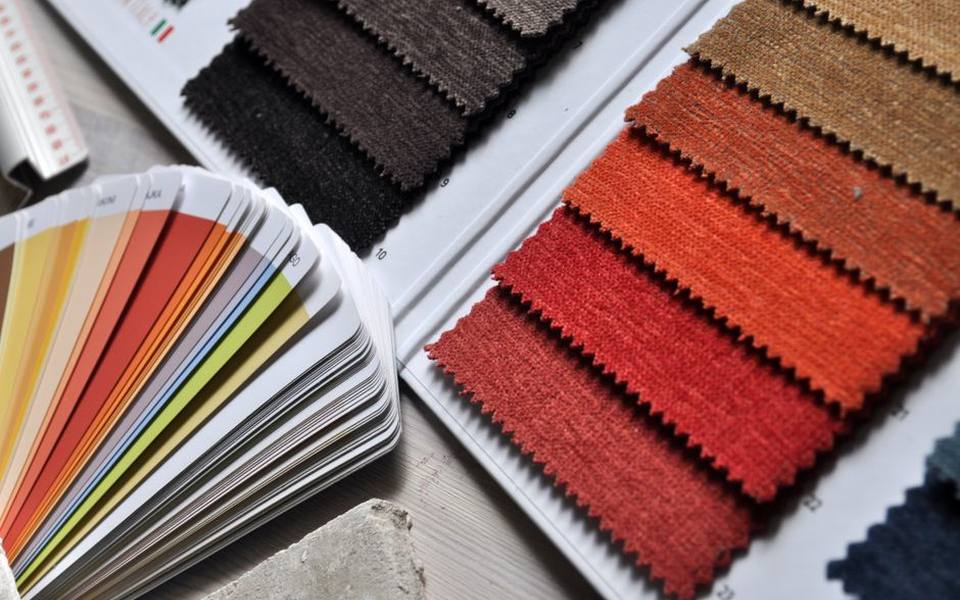
Before production begins, manufacturers issue a digital rendering known as a cut-and-sew proof showing flat jersey panels with numbers, fonts, and seam lines clearly visible. Coaches must meticulously audit player name spellings, matching number assignments, and color block orientations on this digital proof before signing off. Once signature approval is submitted, factories queue the run, meaning corrections after this point typically require complete garment remakes at team expense.
Standard production turnarounds for custom sportswear generally range from three to six weeks, depending on factory location and seasonal volume. The peak rush runs from January through April, during which factory lines run at capacity and maritime or air freight delays can disrupt opening day schedules. Starting the design and order collection phase in early November gives teams a comfortable buffer to handle revisions, test print swatches, and resolve potential distribution issues.
Washing and Preserving High-Performance Athletic Gear
Even the toughest technical sports uniforms can be ruined by improper laundering techniques at home. Synthetic performance polyester fibers should always be washed in cold water using a gentle, bleach-free detergent that washes out cleanly without leaving oily chemical residues. Hot water washing can weaken elastic arm trims, warp sublimated flat collars, and break down the glues holding twill patches together.
Fabric softeners are the mortal enemy of all moisture-wicking shirts because they coat the technical fibers in a microscopic layer of silicone wax. This slick coating clogs the microscopic channels engineered to pull sweat away from the body, permanently destroying the garment's breathability and trapping stale body odors inside the fibers. If uniforms develop lingering mildew odors from staying zipped in equipment bags, soaking them in white vinegar before washing clears out built-up bacterial residues safely.
Drying requires equal vigilance to prevent heat shrinkage and static damage. Air-drying on plastic hangers away from direct sunlight is the gold standard for preserving uniform fabric life and seam flexibility. If using a mechanical dryer is unavoidable between tournament doubleheaders, use the lowest tumble-dry heat setting available and pull the garments out while they are still slightly damp to protect custom numbers and delicate embroidery.
Published 2026-09-21 · reviewed with each rebuild, last October 2026.
Find batting cages & baseball training near you
The directory lists 7,750 batting cages & baseball training by state and city — pick your state or use the “Near me” button in the header.
More guides
-
 Owning
Mastering Softball Mechanics: From Cage Drills to Game-Day Power
-
 Money
MoneyUnderstanding the Expenses of Renting and Building Batting Cages
-
 Safety
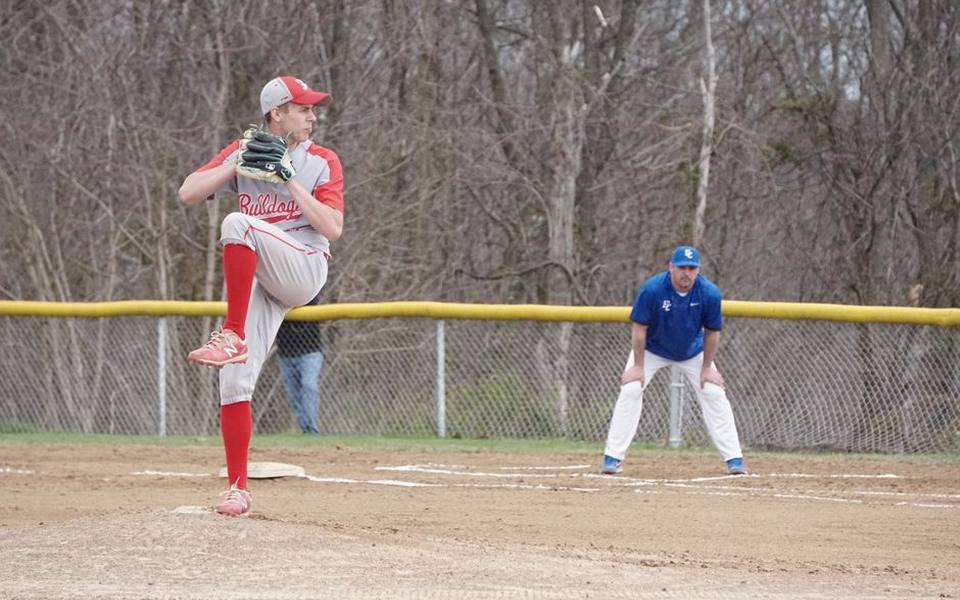
Pitching Mechanics: How to Throw Breaking Balls and Build Arm Velocity
-
 Service
Fundamental Swing Mechanics and Handling Breaking Pitches
-
 Owning
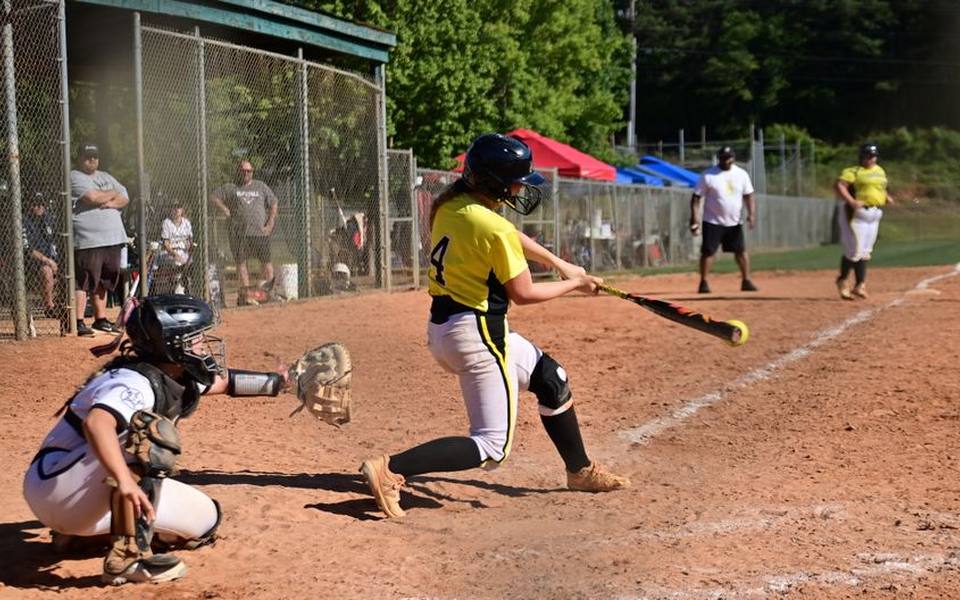
Slow Pitch Softball Hitting Guide: Mechanics for Power and Contact
-
 Owning
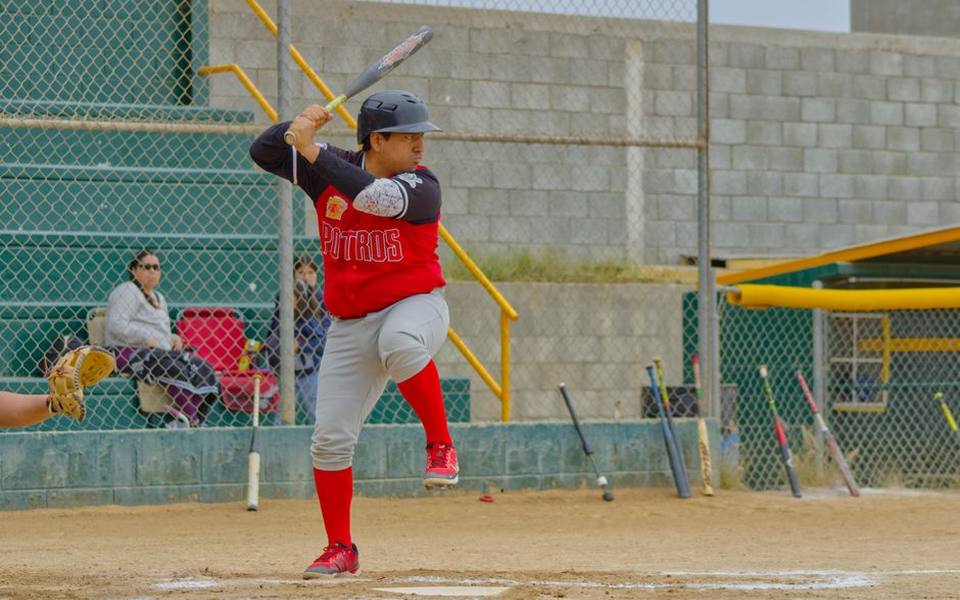
Building a Consistent Softball Swing: Mechanics, Drills, and Practice Routines
-
 Safety
Pitching Mechanics: Throwing Breaking Pitches and Building Velocity Safely
-
 Owning
Understanding Travel Baseball: Costs, Commitments, and Evaluating the Fit
-
 Buying
Ultimate Guide to Batting Cages and Hitting Nets: Types, Sizing, and Setup
-
 Safety
Youth Baseball Rules: Field Dimensions, Pitch Limits, and Age Brackets
-
 Owning
Batting Practice Essentials: Pitching Machines, Hitting Drills, and Training Equipment
-
 Buying
Baseball & Softball Bat Buying Guide: Sizing, Materials, Certifications, and Custom Options
-
 Owning
Agility Ladder Workouts and Footwork Drills for Baseball and Softball
-
 Safety
Protective Baseball Gear Guide: Catchers Gear, Thumb Guards, and Helmet Sizing
-
 Owning
Baseball & Softball Glove Guide: Sizing, Break-In, Relacing, and Maintenance
-
 Buying
Official MLB and Minor League Team Stores: Buying Authentic Fan Gear
-
 Service
Understanding Baseball Sabermetrics: Core and Advanced Stats Explained
-
 Service
Corporate Team Building Guide: Outings, Events, and Venue Selection
-
 Buying
A Complete Guide to Ordering Custom Baseball Uniforms and Team Apparel
-
 Buying
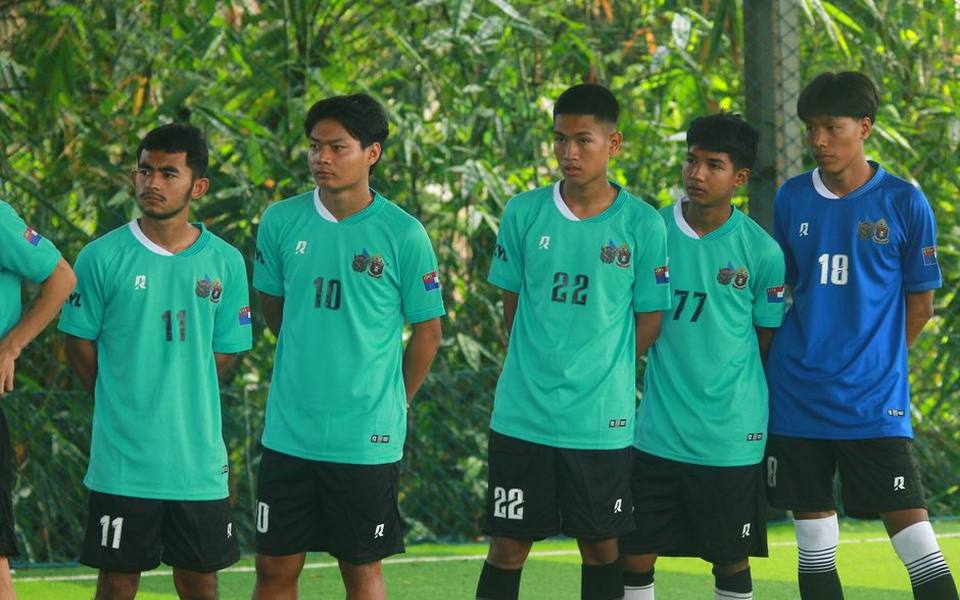
Custom Sports Jerseys Guide: Outfitting Soccer, Track, Volleyball, and Football Teams
-
 Owning
Complete Little League Guide: Schedules, Divisions, Rules, and Grants
-
 Buying
Local Sporting Goods Stores: Finding Gear, Trade-Ins, and Used Bats
-
 Buying
Baseball Birthday Party Ideas: Decorations, Supplies, and Themes
-
 Service
Youth Baseball and Softball Camps: Showcases, Academies, and Clinics
-
 Buying
Custom Fan Apparel and Varsity Jackets: Customization and Sizing
-
 Safety
Youth Pitching Arm Safety: Treating Little League Elbow and Shoulder Injuries
-
 Owning
Youth Baseball and T-Ball Drills: Practice Plans for Coaches and Parents
-
 Safety
Youth Baseball Sizing Guide: Batting Helmets, Gloves, and Protective Gear
-
 Buying
Commercial and Backyard Pitching Machines: Buyer's Guide and Field Maintenance
-
 Service
How to Choose and Enroll in Baseball and Softball Training Camps
-
 Service
Baseball & Softball Hitting Instruction, Swing Tech & Private Coaching Guide
-
 Safety
Baseball & Softball Helmet Sizing and Fit Guide
-
 Owning
How to Build and Outfit a Batting Cage and Hitting Facility
-
 Service
Baseball & Softball Glove Relacing, Restringing, and Care Guide
-
 Safety
Catcher's Gear Sizing, Protection, and Defensive Blocking Mechanics
-
 Service
Baseball Camps, Youth Academies, and Showcase Tryouts Guide
-
 Owning
Adult Baseball, Softball, and Backyard Leagues: A Complete Guide to Modern Formats
-
 Service
Planning Team Building Events, Parties, and Fundraisers at Sports Venues
-
 Service
Softball Mechanics, Pitch Grips, and Gear Sizing Guide