Locating Authentic Major and Minor League Team Merchandise
Finding genuine professional baseball gear requires knowing where official retail rights live. Major League Baseball manages licensing through its centralized digital hubs, yet physical ballpark stores remain the definitive source for specialized merchandise, game-used items, and exclusive on-field apparel. Every club maintains at least one flagship team store situated directly within or adjacent to its home ballpark, providing immediate access to officially sanctioned jerseys, caps, and novelty goods.
Minor League Baseball operates under a shared licensing umbrella while retaining strong local identities. Because farm clubs frequently update their promotional caps, theme-night jerseys, and local mascot merchandise, their team stores often carry inventory that cannot be found anywhere else. Whether looking for Triple-A gear or Single-A novelty items, official stadium shops guarantee that the manufacturer tags, woven patches, and league holograms meet professional standards.
Purchasing directly from team-operated venues also ensures that licensing royalties directly support franchise operations. When shoppers stray into third-party retail stalls or unverified secondary web shops, the risk of low-grade counterfeit fabrics, distorted crests, and incorrect team color pantones increases substantially. Sticking to stadium pro shops and authenticated league retail networks protects the financial investment fans make in premium baseball apparel.
Physical Ballpark Pro Shops Compared to Centralized Web Retail
The standard digital baseball marketplace offers convenience and deep warehouse inventories, but flagship stadium pro shops deliver distinct inventory advantages. In-stadium retail venues typically receive designated allocations of authentic on-field equipment, limited-edition postseason caps, and locally customized player jerseys that national online warehouses never stock. Walking through an official stadium store allows buyers to inspect stitch density, verify material weights, and test actual sizing before completing a purchase.
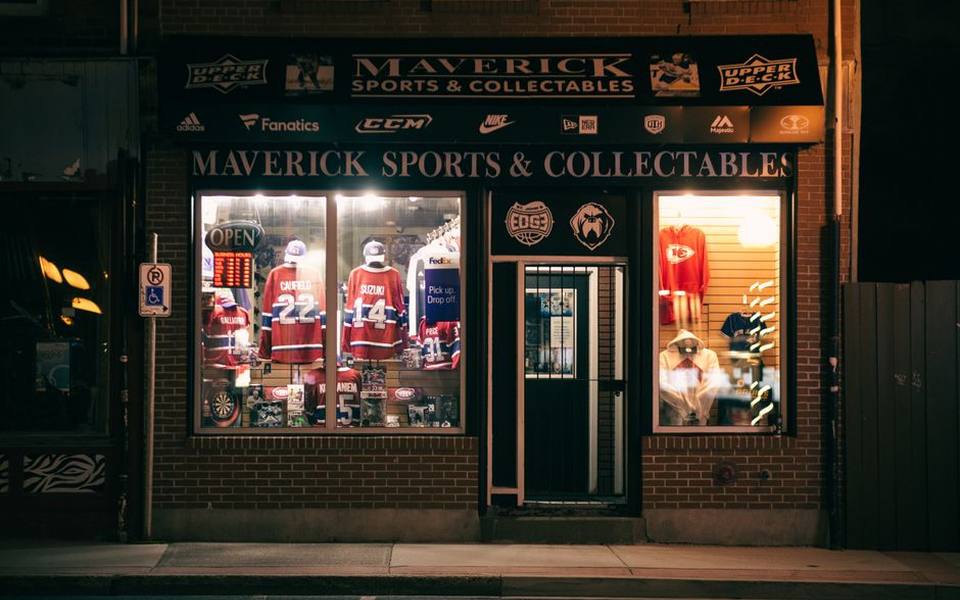
Physical stores also provide on-site heat-pressing and customized stitching services that digital stores handle with longer turnaround delays. A customer can select a blank authentic jersey off the rack and have customized lettering applied while browsing the rest of the store. Furthermore, ballpark locations frequently feature authentic game-used memorabilia racks, where fans can purchase authenticated game balls, cracked bats, and lineup cards authenticated by league field observers.
Returns and exchanges can differ substantially between digital league shops and physical stadium counters. In many instances, ballpark pro shops manage their retail inventory independently from national online fulfillment warehouses. A jersey ordered from a general baseball league web portal might not be eligible for an immediate in-person return at a team's physical ballpark storefront, making it essential to verify the specific return policies listed on your sales receipt.
Visiting Historic Ballpark Pro Shops on Non-Game Days
Historic urban stadiums present unique retail layouts because their pro shops often interface directly with public city streets. Flagship venues like the Boston Red Sox Pro Shop on Jersey Street operate as standalone street-level retail destinations separate from ballpark ticket gates. This arrangement allows neighborhood visitors and traveling fans to walk directly into the store during regular weekday retail hours without presenting an event ticket.
Street-facing pro shops in older ballparks generally maintain year-round operational schedules, although daily hours frequently expand or contract depending on seasonal team activities. During the active playing season, these stores might operate from mid-morning until late afternoon on non-game days. When the club is in town for a night contest, the store may temporarily restrict public street access to transition into a ticketed-entry-only zone for stadium ticket holders.
If you plan an off-day trip to an urban stadium pro shop, reviewing the team home schedule is critical. Ballpark retail management typically alters public store entry roughly two to three hours before stadium gates open to general spectators. Arriving earlier in the morning on an off-day provides a calm retail floor, full access to freshly restocked jersey carousels, and dedicated customer service from stadium store staff.
Understanding Modern Ballpark Pro Shop Operating Hours
Modern ballparks situated in expansive sports complexes follow distinct operating rhythms compared to downtown street-front venues. For example, standard Milwaukee Brewers pro shop hours at American Family Field typically run from mid-morning to late afternoon, such as ten to five Monday through Saturday, while closing or reducing hours on Sundays during the off-season. These standalone team stores remain open throughout winter months to serve holiday shoppers and regional collectors.
Game day schedules introduce structured transitions in store operations across major league facilities. On an evening game day, modern stadium pro shops often open to the general public during morning hours, close briefly in mid-afternoon for register reconciliation and inventory staging, and then reopen exclusively to fans possessing valid game tickets once exterior stadium gates open. Once the final out occurs, most pro shops remain accessible for thirty to forty-five minutes before closing.
Parking access during non-game day visits is usually straightforward at suburban and mid-sized ballpark complexes. Teams generally designate a specific parking zone near the primary retail entrance where shoppers can park free of charge for up to an hour. Always check the franchise website or automated stadium switchboard before driving out, as stadium concerts, private corporate gatherings, or construction can temporarily shift customer parking lots.
Navigating Minor League Team Stores and Farm System Outlets
Minor League Baseball team stores offer some of the most creative apparel designs, commemorative emblems, and collectible merchandise in all professional athletics. From Triple-A affiliates down through Single-A development leagues, minor league clubs rely heavily on regional identity and seasonal novelty branding. Visiting a minor league ballpark team store provides access to localized caps and embroidered jerseys that rarely reach widespread national retail distribution.
Because minor league front offices typically run leaner operations, their team store hours fluctuate noticeably between the active baseball season and the winter months. During the spring and summer, retail shops are generally open during standard business hours on weekdays, alongside full operations during home homestands. In the dead of winter, however, store operations may drop to select weekday windows or move primarily to regional postal fulfillment.
Shopping at local affiliate venues also connects fans to the developmental path of upcoming major league talent. Many minor league team stores sell developmental program publications, prospect-worn batting practice jerseys, and specialty caps created for youth development clinics. Families taking hitting practice at local batting cages and hitting facilities often frequent these affiliate shops to find unique, comfortable training apparel that stands out from standard major league replica wear.
Managing Game Day Crowds and Ballpark Retail Logistics
Shopping inside an active stadium on game day requires tactical timing to avoid heavy retail congestion. The primary team store inside the main concourse usually encounters peak pedestrian traffic in the hour immediately preceding the ceremonial first pitch. Concourses fill quickly as families enter through turnstiles, making movement between apparel displays and checkout lines significantly slower than on calm mid-week mornings.
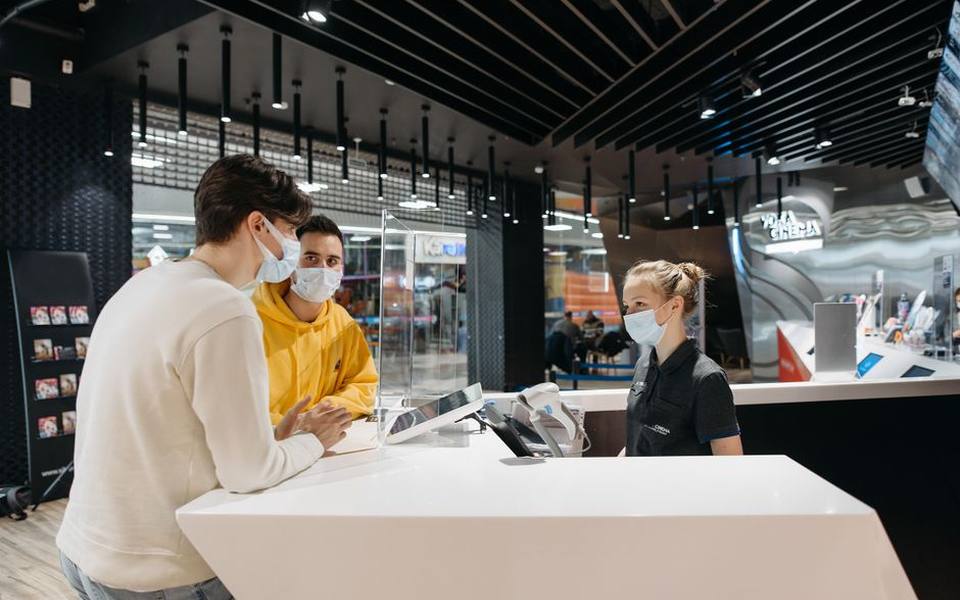
To maximize shopping time during game days, consider entering the ballpark the moment gates open to the public, which is typically ninety minutes to two hours before game time. This early window lets you browse complete inventories, inspect sizing runs, and pay for merchandise before the main concourse fills. In addition, secondary satellite kiosks stationed along upper decks and outfield plazas frequently stock core items like fitted caps and standard player jerseys with substantially shorter lines.
Keep in mind the practical reality of carrying purchases throughout nine innings of baseball. Many modern venues enforce clear-bag policies and limit the storage of oversized shopping bags under stadium seats. Some stadium pro shops offer a package check service where purchases remain stored at customer service kiosks until the game concludes, allowing fans to enjoy the game without guarding garment bags from spilled drinks.
Deciding Between On-Field Authentics and Standard Replica Jerseys
Choosing between an official on-field authentic jersey and a commercial replica depends on how you intend to wear the garment. Authentic jerseys represent the exact technical garments worn by active players inside major league dugouts. They feature engineered moisture-wicking synthetic performance mesh, tailored athletic cuts, stitched multi-layer tackle twill lettering, and official league sleeve emblems designed to withstand intensive athletic movement.
Replica jerseys cater specifically to fan comfort and casual everyday wear outside the diamond. These garments typically utilize a slightly heavier, softer polyester fabric with a more generous, boxier cut that easily layers over hoodies or t-shirts. The numbering and lettering on standard replicas may be heat-applied screen print or lightweight single-layer twill rather than heavy multi-layer professional embroidery, resulting in a more flexible drape and lower cost.
Athletes who frequent specialized baseball & softball training facilities often appreciate the technical attributes of authentic jerseys for mobility, yet general spectators often prefer replicas for casual outings. When trying garments on in a pro shop, factor in what you plan to wear underneath. If you frequently attend cool night games in northern climates, sizing up on an authentic jersey ensures adequate room for thermal underlayers.
Fitted Caps, Batting Practice Tops, and Performance Apparel
Fitted caps and on-field training tops form the backbone of baseball apparel collections. The classic 59FIFTY fitted cap remains the official standard on the diamond, constructed from structured polyester panels and a flat visor designed to be shaped to the player's preference. Because fitted caps feature rigid buckram crowns and do not include plastic adjustment straps, trying on multiple caps of the exact same numerical size at a pro shop is wise due to slight manufacturing assembly tolerances.
Batting practice tops, warm-up hoodies, and dugout quarter-zips offer functional versatility beyond passive fandom. Designed for pre-game stretching and batting drills, these garments feature flexible underarm gussets, breathable side panels, and wind-resistant outer shells. These practical athletic cuts make batting practice gear exceptionally popular among ballplayers practicing their swing mechanics inside regional indoor batting cages during colder training months.
Proper care extends the lifespan of fitted headwear and technical performance tops significantly. Pro shops routinely stock specialized crown cleaning blocks, cap reshaping frames, and water-repellent conditioning sprays formulated specifically for baseball wool and synthetic headwear. Machine washing fitted caps can permanently distort the crown structure and shrink internal sweatbands, so gentle hand cleaning with cold water remains the recommended preservation standard.
Capitalizing on Off-Season Clearances and Team Vault Sales
The professional baseball off-season offers prime retail opportunities for collectors seeking rare merchandise at discounted rates. Between November and February, many stadium retail directors execute clearance operations to liquidate previous-season inventories before newly arriving player uniform collections arrive in early spring. These periods frequently see substantial markdowns on players traded during the winter or uniform designs slated for upcoming brand refreshes.
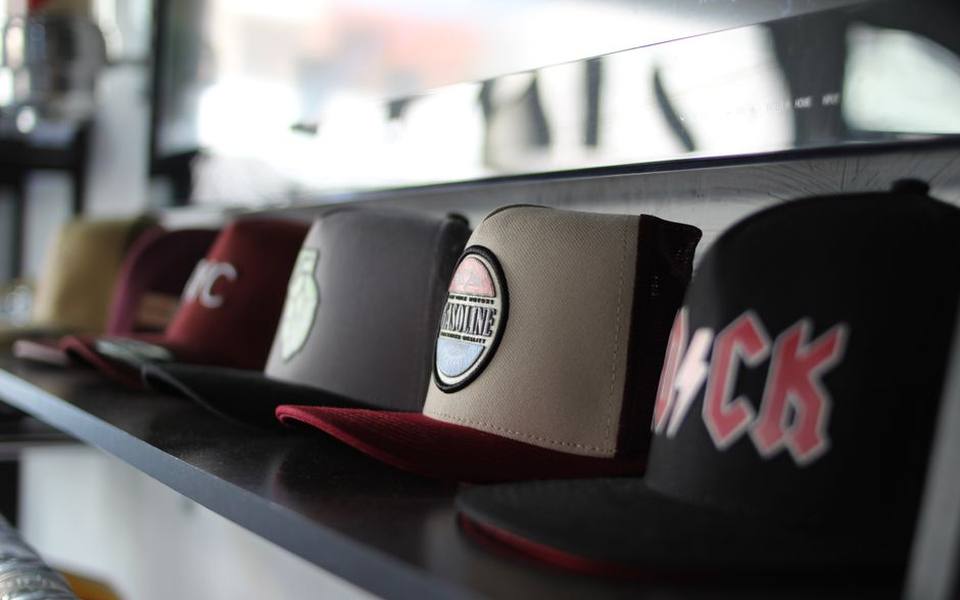
Annual stadium garage sales and team vault events provide direct access to unique team assets. During these designated weekend events, organizations bring surplus clubhouse inventory to the main concourse or team store floor. Dedicated collectors can find team-issued dugout apparel, numbered player pants, batting practice pullovers, and game-ready bats that never reached commercial retail shelves. Arriving early with a clear list of target items yields the best selection.
Regional fan fests held during mid-winter also host expansive retail displays featuring exclusive promotional giveaways and vintage throwback gear. Travelers visiting dynamic baseball markets, such as exploring facilities and batting cages in Texas or Florida during winter camps, should monitor regional team schedules for these events. Off-season stadium visits allow fans to browse team stores with zero game-day rush and complete access to all store sections.
Verifying Licensing Holograms and Guarding Against Counterfeits
Distinguishing authentic professional baseball apparel from unauthorized counterfeit imports requires examining structural details and official labeling. Genuine league products include a tamper-evident holographic sticker featuring distinct micro-lettering, dynamic optical color shifts, and an individualized alphanumeric serial code. Counterfeit merchandise often features flat, dull foil stickers lacking genuine multi-dimensional reflection and legitimate serial sequences.
Interior tagging offers immediate clues regarding product authenticity. Licensed Major League Baseball apparel includes woven manufacturer neck labels accompanied by precise material composition codes and official league trademarks. The embroidery on counterfeit garments routinely displays connected stitching threads running between individual letters, uneven spacing on chest insignias, and thin backer paper left inside the garment from cheap automated embroidery machines.
Finally, inspect the exact color pantones and hardware components used on the apparel. Official licensed merchandise utilizes color-matched metal or heavy-duty composite snaps, durable branded zipper pulls, and precise team dye lots calibrated to exact club style guides. Purchasing your gear directly from authenticated stadium pro shops, verified minor league retail fronts, or official league online clearinghouses provides complete peace of mind that your investment is durable and authentic.
Published 2026-09-21 · reviewed with each rebuild, last October 2026.
Find batting cages & baseball training near you
The directory lists 7,750 batting cages & baseball training by state and city — pick your state or use the “Near me” button in the header.
More guides
-
 Owning
Mastering Softball Mechanics: From Cage Drills to Game-Day Power
-
 Money
MoneyUnderstanding the Expenses of Renting and Building Batting Cages
-
 Safety
Pitching Mechanics: How to Throw Breaking Balls and Build Arm Velocity
-
 Service
Fundamental Swing Mechanics and Handling Breaking Pitches
-
 Owning
Slow Pitch Softball Hitting Guide: Mechanics for Power and Contact
-
 Owning
Building a Consistent Softball Swing: Mechanics, Drills, and Practice Routines
-
 Safety
Pitching Mechanics: Throwing Breaking Pitches and Building Velocity Safely
-
 Owning
Understanding Travel Baseball: Costs, Commitments, and Evaluating the Fit
-
 Buying
Ultimate Guide to Batting Cages and Hitting Nets: Types, Sizing, and Setup
-
 Safety
Youth Baseball Rules: Field Dimensions, Pitch Limits, and Age Brackets
-
 Owning
Batting Practice Essentials: Pitching Machines, Hitting Drills, and Training Equipment
-
 Buying
Baseball & Softball Bat Buying Guide: Sizing, Materials, Certifications, and Custom Options
-
 Owning
Agility Ladder Workouts and Footwork Drills for Baseball and Softball
-
 Safety
Protective Baseball Gear Guide: Catchers Gear, Thumb Guards, and Helmet Sizing
-
 Owning
Baseball & Softball Glove Guide: Sizing, Break-In, Relacing, and Maintenance
-
 Service
Understanding Baseball Sabermetrics: Core and Advanced Stats Explained
-
 Service
Corporate Team Building Guide: Outings, Events, and Venue Selection
-
 Buying
A Complete Guide to Ordering Custom Baseball Uniforms and Team Apparel
-
 Buying
Custom Sports Jerseys Guide: Outfitting Soccer, Track, Volleyball, and Football Teams
-
 Owning
Complete Little League Guide: Schedules, Divisions, Rules, and Grants
-
 Buying
Local Sporting Goods Stores: Finding Gear, Trade-Ins, and Used Bats
-
 Buying
Baseball Birthday Party Ideas: Decorations, Supplies, and Themes
-
 Service
Youth Baseball and Softball Camps: Showcases, Academies, and Clinics
-
 Buying
Custom Fan Apparel and Varsity Jackets: Customization and Sizing
-
 Safety
Youth Pitching Arm Safety: Treating Little League Elbow and Shoulder Injuries
-
 Buying
Custom Baseball and Softball Uniforms: Design, Sublimation, and Ordering Guide
-
 Owning
Youth Baseball and T-Ball Drills: Practice Plans for Coaches and Parents
-
 Safety
Youth Baseball Sizing Guide: Batting Helmets, Gloves, and Protective Gear
-
 Buying
Commercial and Backyard Pitching Machines: Buyer's Guide and Field Maintenance
-
 Service
How to Choose and Enroll in Baseball and Softball Training Camps
-
 Service
Baseball & Softball Hitting Instruction, Swing Tech & Private Coaching Guide
-
 Safety
Baseball & Softball Helmet Sizing and Fit Guide
-
 Owning
How to Build and Outfit a Batting Cage and Hitting Facility
-
 Service
Baseball & Softball Glove Relacing, Restringing, and Care Guide
-
 Safety
Catcher's Gear Sizing, Protection, and Defensive Blocking Mechanics
-
 Service
Baseball Camps, Youth Academies, and Showcase Tryouts Guide
-
 Owning
Adult Baseball, Softball, and Backyard Leagues: A Complete Guide to Modern Formats
-
 Service
Planning Team Building Events, Parties, and Fundraisers at Sports Venues
-
 Service
Softball Mechanics, Pitch Grips, and Gear Sizing Guide