Shifting Gears to the Slower Game
When looking for fundamental tips to improve your slow pitch hitting, success comes down to waiting longer than feels natural. Because the pitch arrives with a high arc and very little speed, you cannot simply redirect the ball's energy. Instead, you have to create bat speed with your lower body and wrist snap while maintaining perfect balance through a delayed stride.
Many players transition from fastpitch and struggle because their muscle memory triggers too early. The high pitch arc requires you to stay anchored on your back foot much longer. If you lunge forward prematurely, you lose all your leverage and end up hitting weak pop-ups. Patience is the single most critical adjustment you will need to make.
To develop this patience, repetition in a controlled environment is highly effective. Taking reps at local indoor cages allows you to adjust machine settings to simulate high-arcing pitches accurately. Focusing purely on holding your weight back until the ball reaches the top of its arc builds the specific muscle memory required for this style of play.
Finding Your Stance and Grip
Your stance should start with your feet slightly wider than shoulder-width apart, keeping a slight bend in your knees. Your weight usually rests a bit more on the back leg as you wait for the pitch. A more upright posture allows you to better judge the steep angle of a dropping softball compared to a deep crouch.
The way you hold the bat also plays a major role in generating bat speed. Many experienced players drop a finger off the bottom of the knob, or use an overlapping grip where the top hand rests partially over the bottom hand. This technique creates a whip-like effect through the hitting zone, allowing the bat to travel faster.
If you are unsure which stance suits your mechanics, seeking out dedicated hitting lessons can help you establish a solid foundation. A knowledgeable instructor can look at your natural swing path and suggest minor grip adjustments that maximize your leverage. They provide immediate, actionable feedback that is incredibly hard to diagnose by yourself during a live game.
Mastering Stride and Hip Rotation
The stride is your primary timing mechanism. In a slow pitch setting, you step toward the pitcher just as the ball begins its descent. This step should be short and controlled, landing softly on the front foot while your hands stay back. Over-striding is a frequent mistake that throws off your eye level and shifts your center of gravity early.
Once the front foot plants, your hips must fire open toward the field before your hands come through. This sequencing transfers energy from the ground, up through your legs, and finally out to the bat. If your hands move before your hips, you end up simply arming the ball, which severely limits your distance regardless of your upper body strength.
Developing this sequential movement takes time and focused drills. You can often find specialized coaching at various baseball and softball training facilities where instructors use video breakdown. Seeing your hip rotation on camera helps you understand whether you are truly leading with your lower body or relying too heavily on your shoulders to force the bat through.
Generating Power and Backspin
Learning how to hit a softball with true power usually requires hitting it with backspin rather than relying on a steep uppercut. To achieve this, you want to swing level or with a slight downward angle, aiming for the middle or bottom half of the ball. Cutting the ball in this manner creates lift as it travels through the air.
If you want to hit home runs consistently, avoid the instinct to swing with a heavy uppercut. It might feel natural when the ball is dropping, but it often results in weak fly balls. Focus on driving your hands straight to the ball, keeping the bat barrel parallel to the ground at contact. This direct approach produces hard line drives.
Practicing this flat swing path is much easier when you have access to a batting tee or consistent live pitching. Whether you are hitting at local park fields or exploring batting cages in Texas, spending time deliberately cutting the ball off a tee will effectively train your hands to take a direct route to the contact point.
Adjusting Your Position in the Box
Pitchers will constantly try to disrupt your timing by varying the height and depth of their pitches. To counter this, you must be willing to move around within the batter's box. If a pitcher consistently throws deep, high pitches that land near the back of the plate, moving backward gives you more time to let the ball drop.
Conversely, if the pitcher is keeping the ball low and short, stepping forward in the box can help you catch the pitch before it drops out of your preferred hitting zone. You have to read the pitcher's tendencies early and adjust your footing accordingly. This spatial awareness prevents you from constantly reaching for bad pitches or getting jammed.
Regular cage work helps you figure out exactly where your ideal contact point is located. Visiting nearby batting cages and hitting facilities allows you to experiment with different box positions safely. By moving a foot forward or backward during a bucket of balls, you quickly learn how spatial adjustments change your launch angle and overall contact quality.
Published 2026-09-20 · reviewed with each rebuild, last September 2026.
Find batting cages near you
The directory lists 5,442 batting cages by state and city — pick your state or use the “Near me” button in the header.
More guides
-
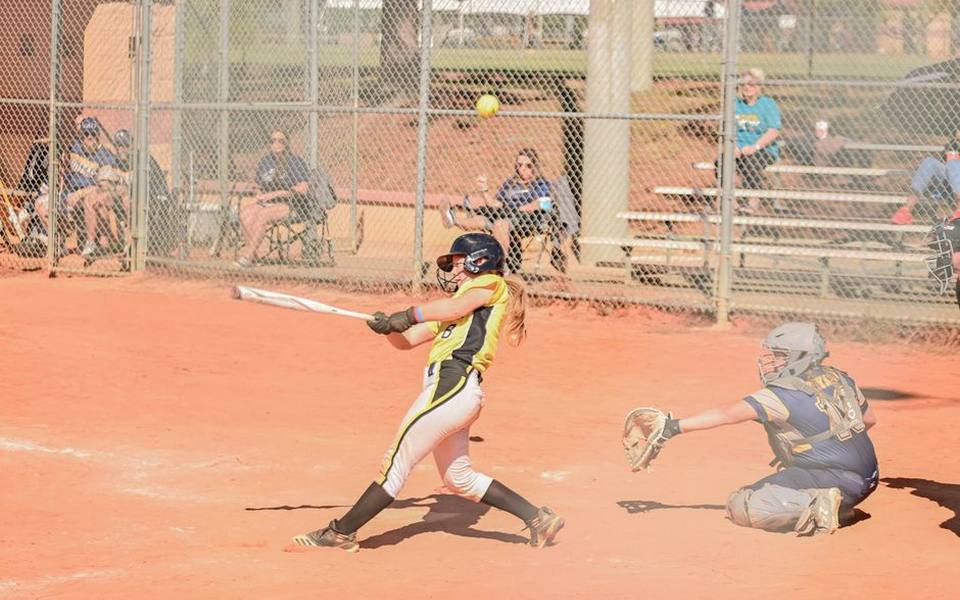 Service
Mastering Softball Mechanics: From Cage Drills to Game-Day Power
-
 Money
MoneyUnderstanding the Expenses of Renting and Building Batting Cages
-
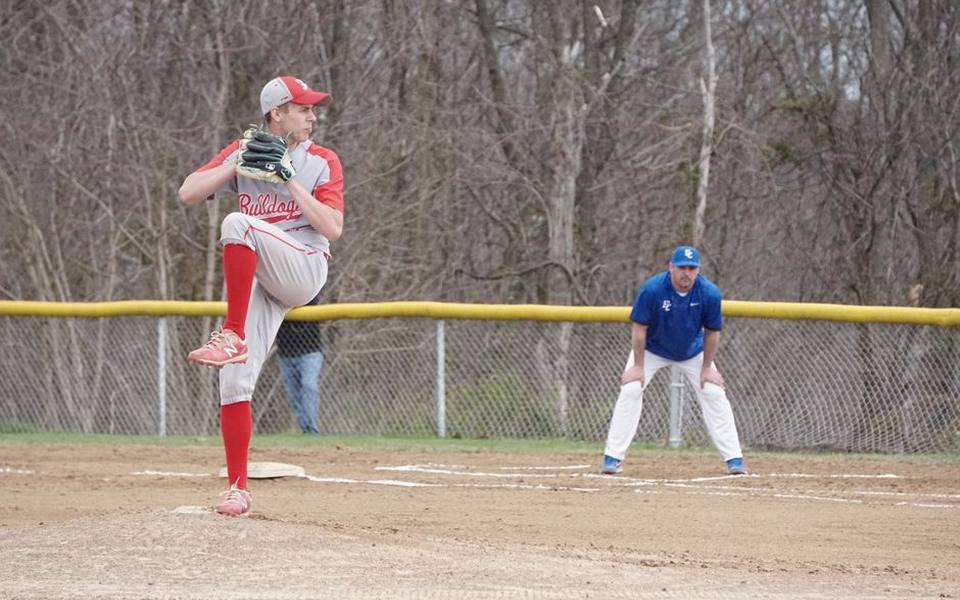 Service
Pitching Mechanics: Throwing Breaking Balls and Building Velocity
-
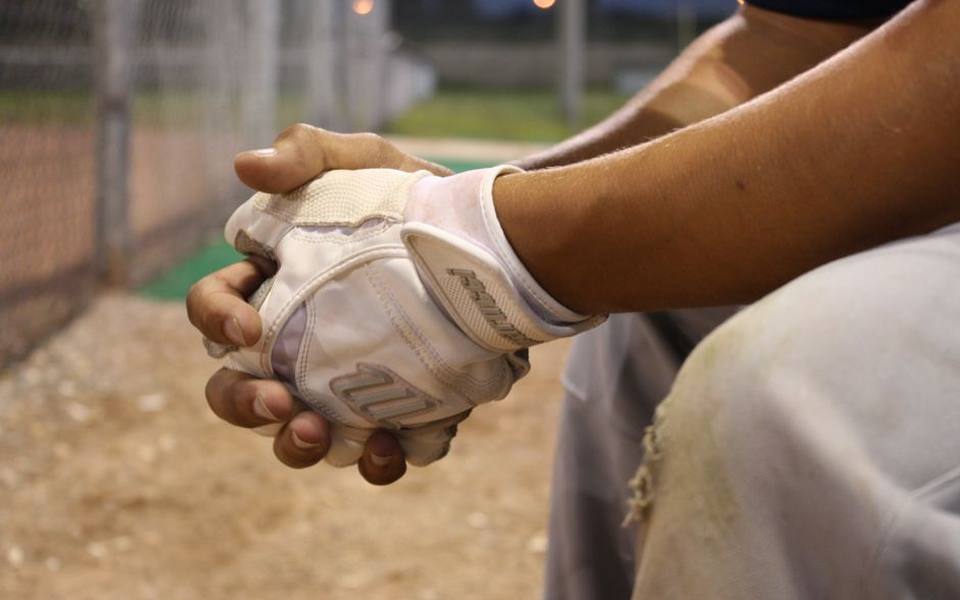 Service
Fundamental Swing Mechanics and Handling Breaking Pitches
-
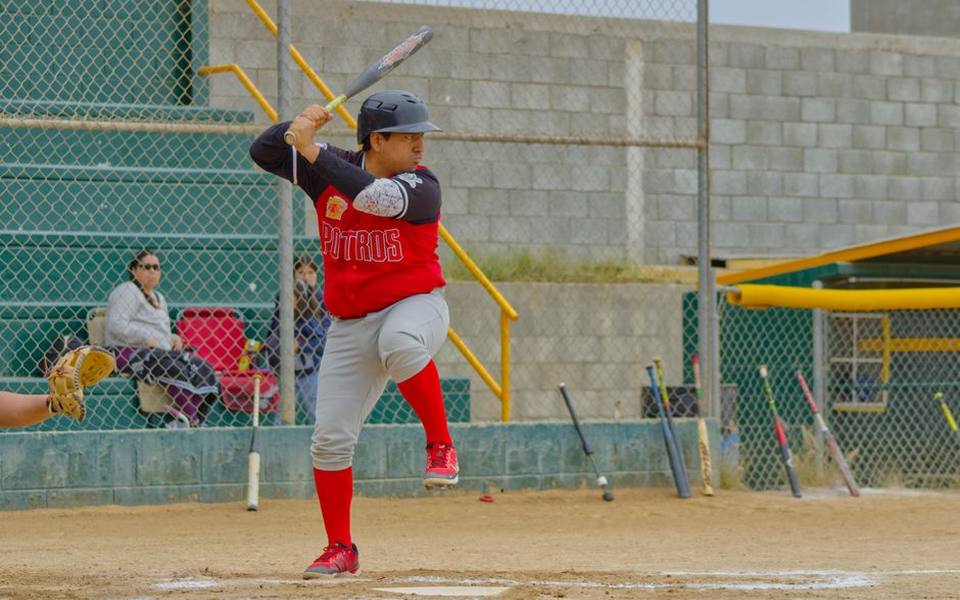 Service
Building a Consistent Softball Swing: Fundamentals and Practice Routines
-
 Safety
Pitching Mechanics: Throwing Breaking Pitches and Building Velocity Safely
-
 Money
MoneyUnderstanding Travel Baseball: Costs, Commitments, and Evaluating the Fit