Choosing Between an Enclosed Batting Tunnel and a Compact Hitting Net
Deciding between a full-length batting tunnel and a portable hitting net depends entirely on your training goals, available acreage, and how often hitters need to track ball flight. A complete enclosure allows players to swing freely against live pitching, pitching machines, or front toss while keeping line drives fully contained. Hitters see the true trajectory of the baseball, gauging whether contact produced a line drive up the middle or a routine pop-up that never cleared the infield.
On the other hand, a standalone baseball hitting net works best where horizontal space is constrained or when training focuses primarily on tee work and close-range soft toss. Nets absorb the energy of impact and drop the ball harmlessly onto the grass or floor, making them exceptionally practical for suburban garages and compact backyards. While you sacrifice the visual feedback of ball flight, you gain immediate setup convenience and zero requirement for permanent overhead anchoring.
Budget and permanence also factor heavily into this initial fork in the road. Standard hitting nets pack into canvas duffels and cost a modest amount, whereas full-sized batting cages require sturdy frame supports, heavy-duty weatherized netting, and safe perimeter margins. Before browsing through commercial hitting cages for sale, assess whether your athlete needs repetitive muscle-memory drills or an immersive batting environment that mirrors the actual batter's box.
Standard Sizing and Dimensions for Backyard and Team Cages
A regulation adult batting tunnel typically measures seventy feet in length, fourteen feet in width, and twelve feet in height. This length accommodates standard pitching rubber distances of sixty feet six inches while leaving plenty of room behind the catcher and behind the pitcher or machine. In a fourteen-foot-wide tunnel, both left-handed and right-handed hitters can take full, uninhibited cuts without fear of catching the barrel of the bat on the netting.
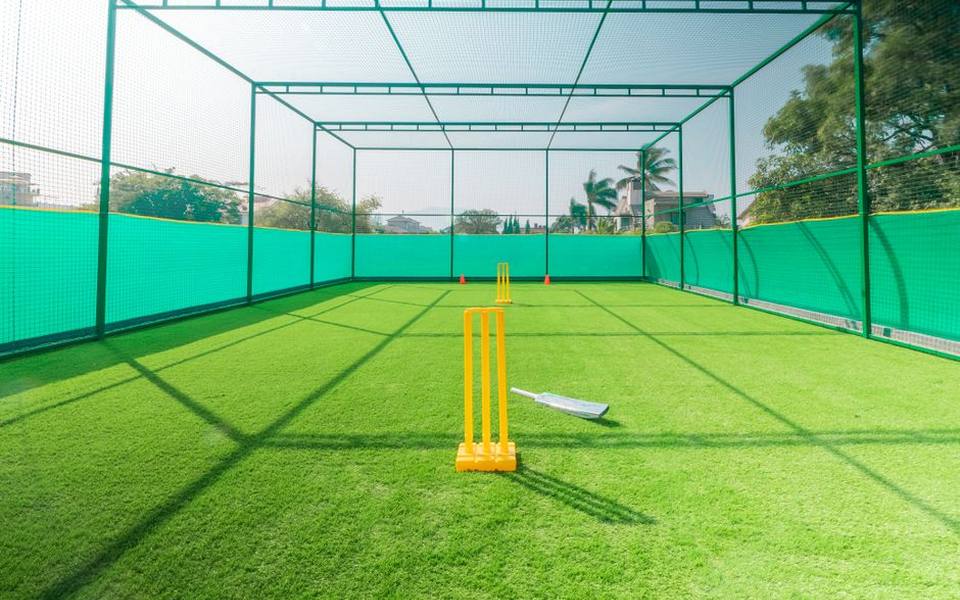
When yard dimensions are tight, youth players can comfortably train in shorter tunnels measuring thirty-five to fifty-five feet long. While shorter cages restrict full-distance pitching practice, they still provide realistic tracking for front-toss sessions and short-distance machine feeds. Height should rarely drop below ten feet, as any lower ceiling forces hitters to adjust their natural launch angles simply to avoid deflecting baseballs into the overhead mesh.
Softball hitters often benefit from slightly wider dimensions, typically fourteen to fifteen feet wide, because the standard pitching distance is shorter and the rise-ball trajectory requires ample vertical clearance. Regardless of whether you play baseball or fastpitch, planning an extra two feet of buffer space around the outside of the frame is critical. A ball hitting the mesh will push the net outward several inches on high-velocity contact.
Permanent and Semi-Permanent Outdoor Frame Systems
For dedicated properties and year-round practice yards, ground-socketed steel post systems remain the industry standard. These builds rely on heavy-gauge galvanized steel posts sunk into concrete footings along the perimeter, connected by overhead aircraft-grade tension cables. The net hangs from these cables using snap carabiners, allowing you to slide the enclosure back against one end post during harsh winter storms or lawn mowing days.
Trapezoidal and rectangular exterior pipe frames provide another common setup method that requires no concrete pouring. These freestanding frames utilize structural steel fittings to lock two-inch galvanized tubing into a rigid shell that rests directly on top of the ground. Because the entire framework sits outside the net, balls bounce off loose mesh rather than ricocheting violently off hard metal poles inside the hitting zone.
Sourcing quality steel poles can be done through local plumbing suppliers or through equipment companies when shopping for baseball cages for sale. Ground sleeves are especially advantageous if local zoning laws restrict permanent outbuildings, as the entire upright assembly can be lifted out of the ground sockets if code enforcement ever questions the structure. For players who prefer not to build their own setup, finding established batting cages and hitting facilities is an easy way to access full-sized commercial infrastructure without backyard construction.
The Versatility of Portable Batting Tunnels and Rolling Cages
High schools, travel organizations, and municipal parks often share athletic fields, making permanent structural installations impractical. In these scenarios, a portable batting tunnel or rolling batting turtle provides a fully functional enclosure that moves off the grass when game time arrives. Portable tunnels generally use segmented fiberglass rods, composite bows, or lightweight aluminum conduit frames that pin together without complex tools.
Rolling backstop cages feature large pneumatic turf tires, heavy welded aluminum framing, and internal ricochet padding along all strike zones. Coaches wheel them behind home plate for pregame batting practice, catching stray foul tips while protecting players standing along the dugout fence. Once practice concludes, two people can tip the frame and roll it beyond the outfield wall in less than three minutes.
Collapsible, ground-pinned portable baseball cage models bridge the gap between heavy field turtles and lightweight nets. These systems rely on flexible tension poles that bow outward to suspend forty to fifty feet of net, secured to the turf via corkscrew ground stakes. While they do not withstand sustained fifty-mile-per-hour gusts, they offer travel ball teams an authentic batting tunnel setup during weekend road tournaments.
Inflatable Hitting Cages for Rapid Setup and Mobility
One of the newer developments in mobile player development is the inflatable hitting cage, which uses sealed air-beam columns or continuous-flow blowers to erect a full hitting corridor within minutes. Rather than struggling with heavy metal pipes and ladder climbing, coaches simply roll out the deflated vinyl unit on the grass or gymnasium floor, plug in an industrial electric blower, and watch the structure expand to full height.
The primary advantage of an inflatable baseball cage is speed and safety. Because the structural ribs consist of pressurized air cushions wrapped in rugged commercial vinyl, there are zero steel poles for baseballs to hit and strike back at the batter or coach. This completely eliminates ricochet injuries during close-proximity live batting practice or machine operation.
However, inflatable enclosures carry trade-offs that buyers must account for before purchasing. Continuous-blower models require uninterrupted electrical access or a quiet inverter generator on remote field sites. They also create a high profile in windy weather, requiring substantial ballast bags or heavy tie-down stakes to avoid tipping over in sudden gusts.
Compact Hitting Nets for Tight Garages and Basements
When horizontal yard space does not allow for a thirty-to-seventy-foot corridor, an eight-by-eight or seven-by-seven baseball hitting net is the most sensible option. Modern bow-style nets use two flexible composite vertical poles locked into a powder-coated steel base, generating natural tension that absorbs line drives without tipping. Setup generally takes ninety seconds, making them ideal for everyday batting tee sessions in a residential garage.
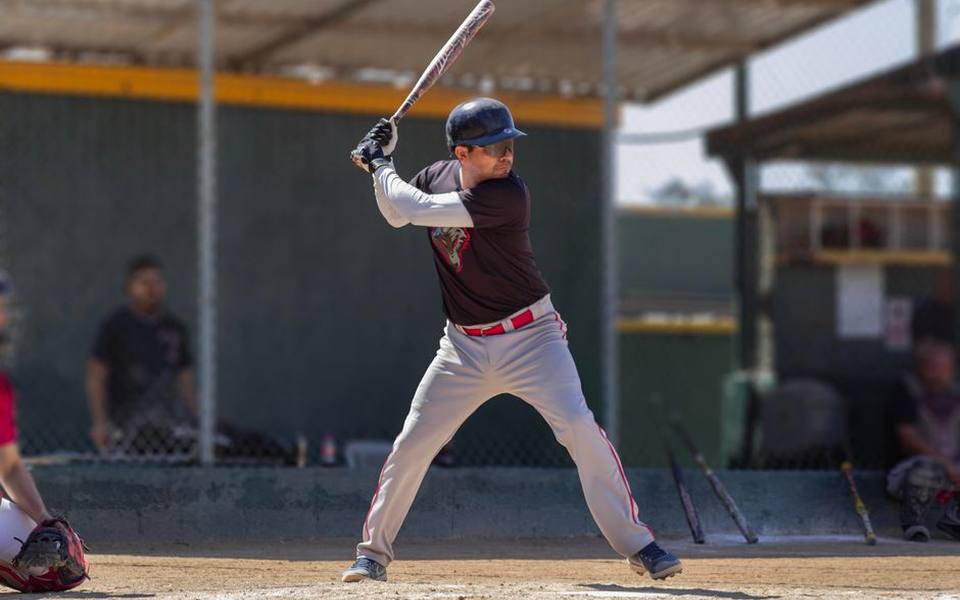
Sock nets feature a centralized pouch sewn into the middle of the webbing that catches struck balls and collects them at your feet. This prevents dozens of balls from rolling across the driveway or bouncing backward into the hitter's shins. Drop-down screens, which hang from overhead garage rafters on an eye-bolt wire system, can be rolled up like a window shade when parking a vehicle inside.
Hitting into a net is often paired with video analysis tools, high-speed cameras, or launch monitors. Because the ball only travels a few feet before being stopped, batters must rely on exit velocity and launch angle metrics rather than watching the physical ball land in an outfield. Many athletes who take private instruction at batting cages with hitting lessons complement their weekly sessions with these simple garage net setups to master mechanical adjustments.
Netting Materials, Twine Thickness, and Gauge Ratings
The longevity of any batting enclosure depends almost entirely on the material composition and twine gauge of the netting. Netting thickness is categorized by number ratings, with #36, #42, and #60 being the most common gauges found in amateur and professional sports. A higher number indicates a thicker individual twine diameter, translating directly to higher break strength and superior resistance against abrasive friction.
For youth players taking soft toss and light batting practice, entry-level #21 or #36 nylon or polyethylene nets provide adequate containment for several seasons. High school hitters, heavy-use facilities, and high-velocity pitching machine cages generally require a minimum of #42 or commercial-grade #60 twine. Using an undersized net with a ninety-mile-per-hour machine will quickly burn through the mesh fibers and create hazardous escape holes.
Netting material typically falls into two categories: high-density polyethylene (HDPE) and nylon. Polyethylene does not absorb water and naturally resists rot, making it an exceptional, budget-friendly selection for rainy climates. Nylon provides higher tensile strength per gauge point, but it must be properly treated with ultraviolet inhibitors and bonded urethane coatings to prevent sun degradation over years of outdoor exposure.
Indoor Batting Tunnel Installation and Ceiling Clearances
Installing an indoor tunnel inside a pole barn, warehouse, or finished basement involves different safety considerations than setting up outdoors. Steel support wires must be anchored into concrete walls or structural support beams using heavy-duty turnbuckles to maintain steady tension. The ceiling height should ideally measure at least twelve feet; lower clearances run the risk of foul tips puncturing drywall, smashing lighting fixtures, or breaking fire sprinkler heads.
Protective ceiling baffles and loose netting hung several inches beneath overhead roof trusses prevent ball strikes against exposed metal rafters. Flooring also requires careful consideration, as polished concrete can chew up leather seams on expensive baseballs in a matter of hours. Installing commercial-grade turf mats over a rubber pad cushions the ball, extends ball life, and replicates the traction of genuine dirt.
Sound management is another surprising issue in enclosed spaces. The continuous crack of aluminum bats reverberates intensely off metal and block walls, often requiring acoustic wall baffling or soundboards. If you lack the ceiling height or square footage for an indoor home conversion, exploring local climate-controlled indoor batting cages provides a weather-safe alternative during cold winter months.
Regional Weather Realities and Urban Space Constraints
Regional geography plays a major role in deciding which cage style fits your routine. In warm regions like Florida or Southern California, outdoor permanent tunnels can remain rigged year-round, provided the netting is treated for intense UV rays. In northern states, heavy winter snow loads will snap steel cables and collapse frames if netting is left suspended between December and March, requiring seasonal takedown.
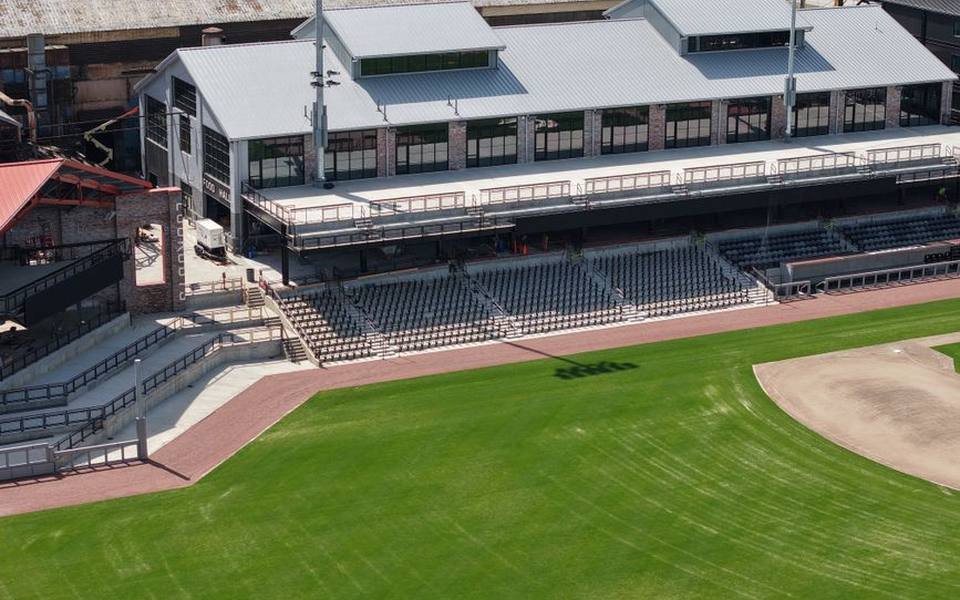
Urban environments present distinct spatial challenges. Finding a dedicated backyard baseball cage in New York or similar densely packed metropolitan areas is rare due to compact lot sizes and municipal property line setback rules. In these regions, athletes lean heavily on pop-up nets, garage tee routines, or memberships at private indoor facilities to keep their swings sharp throughout the year.
Wind exposure is another regional threat that often surprises new cage owners. A full-length cage wrapped in heavy mesh acts as an immense sail in a thunderstorm. If you build on an open prairie or coastal plain, anchoring the frame with deep concrete caissons or selecting a collapsible design that lowers to the ground quickly will save your investment from storm damage.
Safety Screens, Turf Maintenance, and Sourcing Equipment
No batting cage setup is complete without an L-screen to shield the pitcher or machine operator from blistering comeback line drives. An L-screen features a cutout notch that allows a throwing arm to deliver pitches while keeping the body protected behind double-layered netting. When shopping for hitting cages for sale, always factor in the price of commercial-grade protective screens and wheel kits for easy positioning.
Turf preservation directly impacts batter stability and safety. Heavy cleat usage quickly gouges standard grass into bare mud patches, resulting in slick footing and uneven stride surfaces. Laying down a heavy rubber stance mat with inlaid home plates prevents deep holes from forming in the batter's box and ensures hitters can transfer weight safely during every swing.
When purchasing gear, dealing with established sports outfitters or direct netting fabricators ensures you receive true twine ratings rather than lightweight imported knockoffs. For players wanting comprehensive feedback beyond the cage walls, many families cross-reference home practice with visits to dedicated baseball and softball training facilities that feature digital ball-tracking sensors and certified instruction.
Published 2026-09-21 · reviewed with each rebuild, last October 2026.
Find batting cages & baseball training near you
The directory lists 7,750 batting cages & baseball training by state and city — pick your state or use the “Near me” button in the header.
More guides
-
 Owning
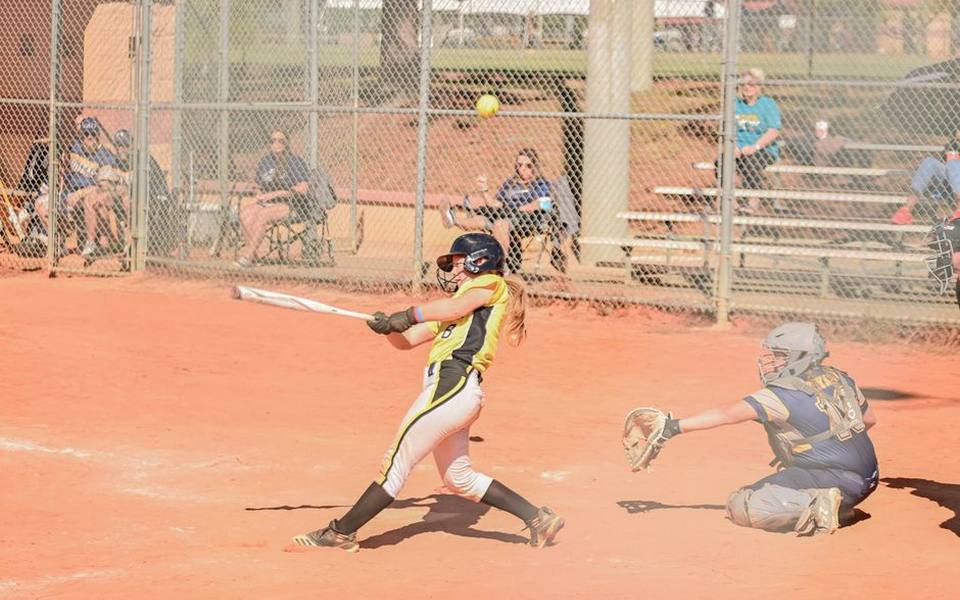
Mastering Softball Mechanics: From Cage Drills to Game-Day Power
-
 Money
MoneyUnderstanding the Expenses of Renting and Building Batting Cages
-
 Safety
Pitching Mechanics: How to Throw Breaking Balls and Build Arm Velocity
-
 Service
Fundamental Swing Mechanics and Handling Breaking Pitches
-
 Owning
Slow Pitch Softball Hitting Guide: Mechanics for Power and Contact
-
 Owning
Building a Consistent Softball Swing: Mechanics, Drills, and Practice Routines
-
 Safety
Pitching Mechanics: Throwing Breaking Pitches and Building Velocity Safely
-
 Owning
Understanding Travel Baseball: Costs, Commitments, and Evaluating the Fit
-
 Safety
Youth Baseball Rules: Field Dimensions, Pitch Limits, and Age Brackets
-
 Owning
Batting Practice Essentials: Pitching Machines, Hitting Drills, and Training Equipment
-
 Buying
Baseball & Softball Bat Buying Guide: Sizing, Materials, Certifications, and Custom Options
-
 Owning
Agility Ladder Workouts and Footwork Drills for Baseball and Softball
-
 Safety
Protective Baseball Gear Guide: Catchers Gear, Thumb Guards, and Helmet Sizing
-
 Owning
Baseball & Softball Glove Guide: Sizing, Break-In, Relacing, and Maintenance
-
 Buying
Official MLB and Minor League Team Stores: Buying Authentic Fan Gear
-
 Service
Understanding Baseball Sabermetrics: Core and Advanced Stats Explained
-
 Service
Corporate Team Building Guide: Outings, Events, and Venue Selection
-
 Buying
A Complete Guide to Ordering Custom Baseball Uniforms and Team Apparel
-
 Buying
Custom Sports Jerseys Guide: Outfitting Soccer, Track, Volleyball, and Football Teams
-
 Owning
Complete Little League Guide: Schedules, Divisions, Rules, and Grants
-
 Buying
Local Sporting Goods Stores: Finding Gear, Trade-Ins, and Used Bats
-
 Buying
Baseball Birthday Party Ideas: Decorations, Supplies, and Themes
-
 Service
Youth Baseball and Softball Camps: Showcases, Academies, and Clinics
-
 Buying
Custom Fan Apparel and Varsity Jackets: Customization and Sizing
-
 Safety
Youth Pitching Arm Safety: Treating Little League Elbow and Shoulder Injuries
-
 Buying
Custom Baseball and Softball Uniforms: Design, Sublimation, and Ordering Guide
-
 Owning
Youth Baseball and T-Ball Drills: Practice Plans for Coaches and Parents
-
 Safety
Youth Baseball Sizing Guide: Batting Helmets, Gloves, and Protective Gear
-
 Buying
Commercial and Backyard Pitching Machines: Buyer's Guide and Field Maintenance
-
 Service
How to Choose and Enroll in Baseball and Softball Training Camps
-
 Service
Baseball & Softball Hitting Instruction, Swing Tech & Private Coaching Guide
-
 Safety
Baseball & Softball Helmet Sizing and Fit Guide
-
 Owning
How to Build and Outfit a Batting Cage and Hitting Facility
-
 Service
Baseball & Softball Glove Relacing, Restringing, and Care Guide
-
 Safety
Catcher's Gear Sizing, Protection, and Defensive Blocking Mechanics
-
 Service
Baseball Camps, Youth Academies, and Showcase Tryouts Guide
-
 Owning
Adult Baseball, Softball, and Backyard Leagues: A Complete Guide to Modern Formats
-
 Service
Planning Team Building Events, Parties, and Fundraisers at Sports Venues
-
 Service
Softball Mechanics, Pitch Grips, and Gear Sizing Guide