What to Expect When Renting Cage Time
Renting a hitting lane usually involves an hourly fee or paying by the pitch using tokens. An hour of cage time typically costs a moderate amount, though it depends heavily on the facility's amenities. If you install a personal setup at home, expenses range widely based on whether you choose a pop-up net or a permanent steel frame. Both options require planning your budget carefully to match your training needs.
When visiting local batting cages on site, you often find two primary payment models. The traditional approach uses token-operated machines, giving you a set number of pitches. This is usually the most economical choice if a player just wants a quick warm-up. You feed the machine and swing until tokens run out, making it very easy to control your immediate spending without committing to a full hour.
For serious practice, renting a lane by the half-hour or hour is typically the better approach. Hourly rates vary based on whether the lane includes an automated pitching machine or requires your own pitcher. Weekend evenings often see peak pricing. Group rentals for a team practice generally spread the hourly rate out, making it highly affordable per player while ensuring everyone gets plenty of reps in the box.
Memberships and Professional Instruction
Frequent hitters find that paying a single drop-in rate becomes expensive over a full season. Many establishments offer monthly memberships providing discounted or unlimited cage access during specific hours. Packages typically include access to tees, L-screens, and practice baseballs. A membership usually pays for itself if a player visits several times a month, offering a predictable expense for families with dedicated athletes looking to refine their mechanics.
Many players look to improve their mechanics through professional guidance. Incorporating hitting lessons into your routine increases overall expenses, as you compensate an instructor for their expertise alongside the rental. Instructors often charge a flat hourly rate, though buying a bundle of sessions can sometimes reduce the per-lesson expense. This financial investment typically yields faster mechanical improvement than stepping into the box and swinging blindly.
Comprehensive development often takes place at dedicated coaching and training programs, where technology meets traditional coaching. These locations might offer video analysis, hit tracking software, and strength areas. Accessing premium features naturally commands a higher price than a standard municipal cage. Parents should weigh the benefits of these advanced metrics against their budget, as younger players might not yet need complex data to improve their swing.
Building a Backyard Hitting Area
Investing in a backyard setup eliminates travel time and rental fees, but the initial capital can be substantial. Primary components include the netting, the support frame, and the ground surface. A simple tension-based net strung between trees is the most budget-friendly route. However, a freestanding steel frame offers much better durability against weather and stray balls, though it significantly increases your upfront material costs.
Netting thickness is a major factor in your total expenditure. Thicker, heavy-duty twine withstands high-velocity impacts and UV exposure over several years, naturally costing more than thinner recreational options. You also need to consider the ground setup. While hitting off natural grass is free, heavy traffic creates a muddy trench. Installing artificial turf prevents this issue but adds another layer to your project budget.
Additional equipment will also stretch your budget. A good L-screen for pitcher safety is mandatory if you plan on throwing live batting practice. Some homeowners also choose to purchase a personal pitching machine, which ranges from simple wheel mechanisms to programmable devices. When you factor in the cost of heavy-duty practice balls and a batting tee, outfitting a home setup requires careful financial planning.
The Economics of Indoor Practice Spaces
Weather often dictates where players can practice, pushing many athletes into climate-controlled environments. Utilizing indoor cages typically carries a premium compared to outdoor parks. Facility owners must cover substantial overhead expenses, including commercial lease rates, liability insurance, and massive utility bills to heat or cool a warehouse. These operational expenses are naturally reflected in the hourly rates charged to customers at the front desk.
The advantage of paying for an indoor lane is the consistency of the environment. You never have to worry about rainouts, gusting winds, or glaring sun interfering with the batter's vision. Furthermore, indoor facilities usually provide higher quality lighting and well-maintained turf mimicking a real playing surface. For dedicated teams preparing for early spring tournaments, securing indoor time is often considered a non-negotiable expense.
Many indoor venues require reservations well in advance during winter months, and they may ask for a non-refundable deposit. It is common for these spaces to offer tiered pricing, where non-peak hours during the early afternoon are cheaper than prime evening slots. If your schedule is flexible, targeting off-peak times is an excellent strategy to keep your training budget manageable while enjoying a premium practice facility.
How Geography Impacts Your Budget
The region where you live plays a significant role in what you pay for rentals and home installations. In states with year-round baseball cultures, such as the 645 listings for batting cages in Texas, high competition among facilities can keep hourly rates relatively stable. However, commercial real estate in booming metropolitan areas usually drives prices upward, regardless of how many competitors operate nearby.
Conversely, in regions with shorter outdoor seasons, indoor facilities might hold a monopoly on winter training. Exploring directories like the 247 listings for batting cages in New York shows how urban density affects space. Facilities in densely populated cities have less square footage and higher overhead, resulting in shorter lane lengths or higher hourly fees compared to spacious suburban complexes where real estate is less constrained.
Shipping costs also vary regionally when ordering a home setup. Heavy steel poles and massive bundles of nylon netting are expensive to transport via freight. If you live far from the manufacturer's distribution center, delivery fees take up a noticeable portion of your budget. Some buyers mitigate this by purchasing netting online but sourcing metal tubing from a local fencing supplier to cut down on freight charges.
Published 2026-09-20 · reviewed with each rebuild, last September 2026.
Find batting cages near you
The directory lists 5,442 batting cages by state and city — pick your state or use the “Near me” button in the header.
More guides
-
 Service
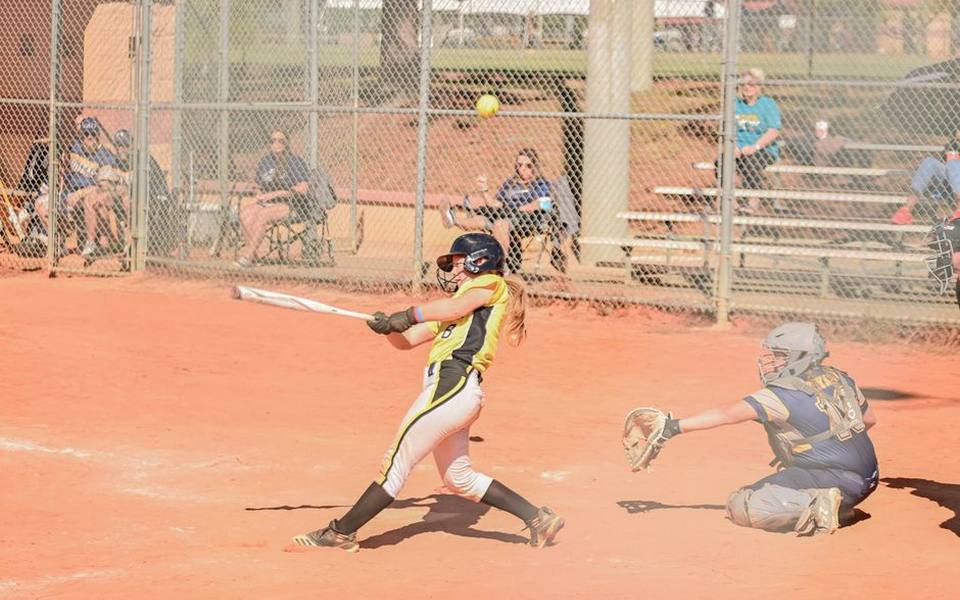
Mastering Softball Mechanics: From Cage Drills to Game-Day Power
-
 Service
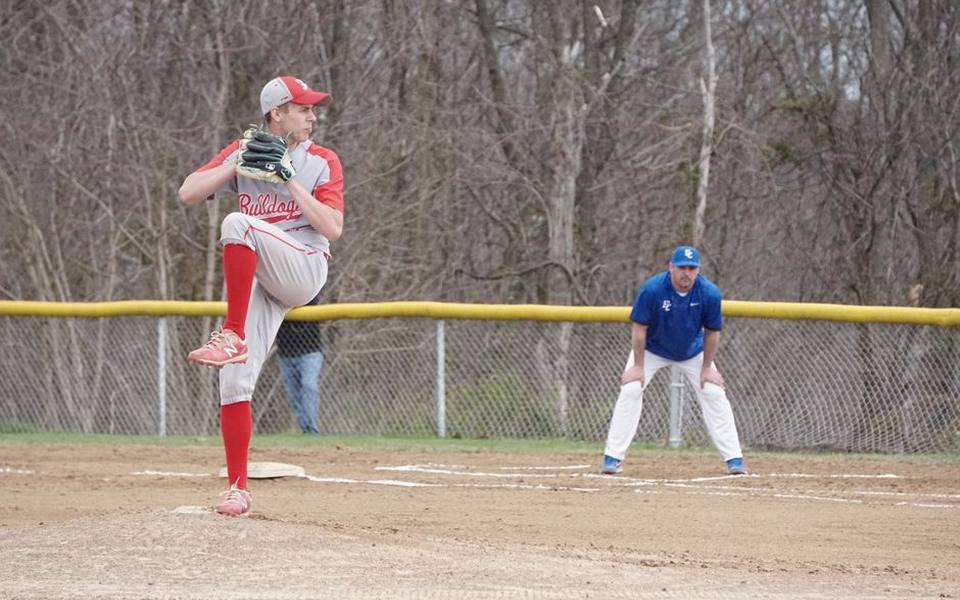
Pitching Mechanics: Throwing Breaking Balls and Building Velocity
-
 Service
Fundamental Swing Mechanics and Handling Breaking Pitches
-
 Service
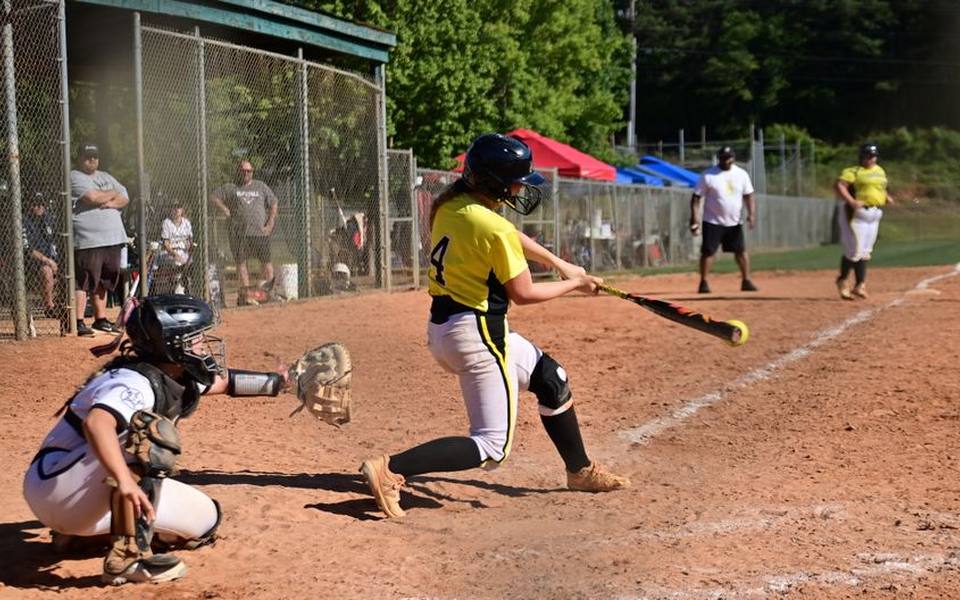
Slow Pitch Softball Hitting Guide: Mechanics for Power and Contact
-
 Service
Building a Consistent Softball Swing: Fundamentals and Practice Routines
-
 Safety
Pitching Mechanics: Throwing Breaking Pitches and Building Velocity Safely
-
 Money
MoneyUnderstanding Travel Baseball: Costs, Commitments, and Evaluating the Fit