Starting Your Uniform Order on the Right Timeline
Ordering custom baseball team uniforms requires working backward from your first scheduled scrimmage or tournament. Most outfitters need anywhere from three to six weeks of production time once artwork proofs are approved, and shipping can add several business days depending on where the factory operates. Waiting until rosters are finalized in late winter often leaves teams scrambling or paying steep rush surcharges.
A reliable schedule starts by surveying parents and players at least eight weeks before opening day. You will want a firm cut-off date for collecting player numbers, correct name spellings, and jersey sizes. Collecting funds upfront through an online roster portal or team treasurer prevents ordering surplus stock out of your own pocket when a player unexpectedly decides not to play.
Building a two-week buffer into your schedule gives you room to inspect the shipment before taking the field. Misprinted numbers, misspelled last names, or dye lot variations happen even with experienced vendors. Having your shipment in hand early lets you request corrections or re-press garments before game week arrives, keeping stress low for coaches and league organizers.
Selecting the Right Fabric and Garment Construction
Modern baseball jerseys have largely moved away from heavy double-knit polyester in favor of lightweight, moisture-wicking synthetic knits. Standard performance fabrics generally range from 140 to 180 grams per square meter, offering a balance between tear resistance and breathability. Lighter fabrics keep athletes cool during summer doubleheaders, while slightly heavier interlock knits hold their shape better when sliding into bases.
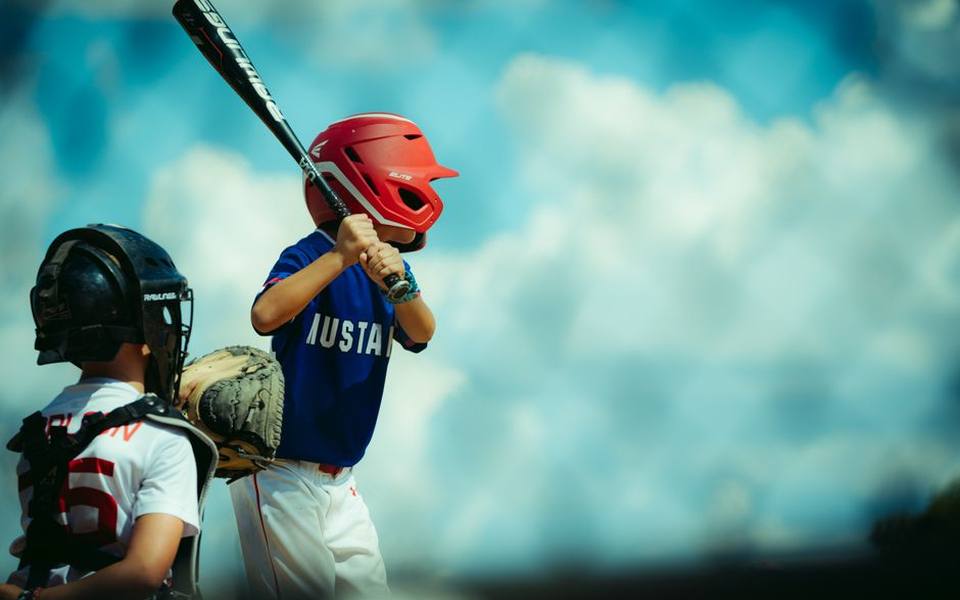
Ventilation panels make a significant difference during long innings under direct sunlight. Many competitive squads choose jerseys with pinhole mesh inserts along the side seams or under the sleeves to promote active airflow. High-wear stress points like the armpits and collar should feature reinforced flat-lock stitching to prevent unraveling after repeated cycles through the washing machine.
The jersey cut also dictates how comfortable players feel at the plate. Traditional full-button designs provide a classic look favored by high school and travel teams, while two-button plackets and crewneck pullovers are popular for youth leagues and recreational tournaments. Pullover styles reduce overall garment cost and eliminate button gaps where dirt and clay tend to collect during slides.
Pay close attention to fabric stretch characteristics, especially for players who wear compression gear or elbow guards underneath. A fabric blend with four to six percent spandex provides enough mechanical give across the shoulders so hitters can finish their swing without the jersey pulling tight across the back or bunching up around the chest.
Comparing Sublimation, Screen Printing, and Tackle Twill
The decoration method you choose determines your gear's durability, feel, and final price tag. Full dye sublimation has become the dominant standard for custom sports jerseys because the ink bonds directly with the polyester fibers at high temperatures. This process leaves zero heavy rubber feel on the chest, never peels or cracks, and allows unlimited colors, gradient patterns, and side-panel graphics for a single flat production fee.
Traditional screen printing remains an economical option, especially for recreational programs ordering one-color front chest logos. Screen printing applies a plastisol ink layer onto the surface of the fabric, which cures under heat. While affordable for simple designs, large multi-color screen prints can feel stiff, restrict airflow across the chest, and eventually show hairline cracks after extensive wear and commercial dryer cycles.
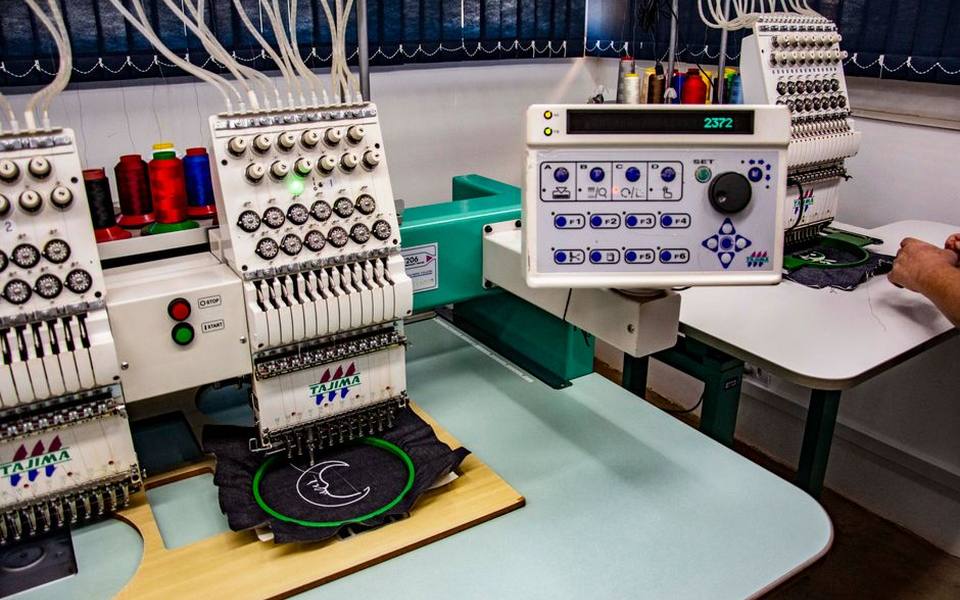
Tackle twill embroidery represents the traditional major-league aesthetic, utilizing laser-cut nylon patches stitched along the perimeter onto the jersey body. This technique delivers an unmistakably premium, dimensional appearance with crisp outlines. However, tackle twill adds noticeable weight to the garment, increases turnaround times, and carries higher per-letter labor charges that might stretch recreational budgets thin.
Heat-applied vinyl film works well for small personalized details like player names on pre-made jersey blanks, but it requires proper temperature and pressure during application. Poorly pressed vinyl can peel at the edges after a few washes, so it is best reserved for single-season recreational leagues or simple team t-shirts rather than multi-year varsity uniforms.
Tailoring Specifications for Baseball and Softball Cuts
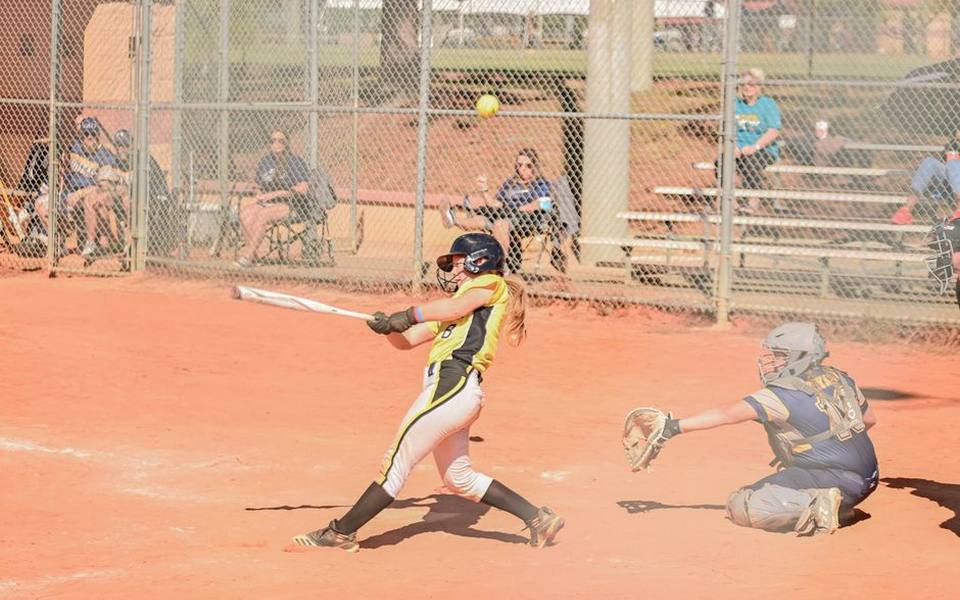
While baseball and softball share fundamental diamond requirements, outfitting a squad requires understanding the distinct anatomical and stylistic differences between the sports. Fastpitch custom jerseys softball programs require shorter torso cuts that sit comfortably above sliding shorts and hip pads without excessive billowing. Many fastpitch teams also prefer sleeveless or racerback jersey profiles that provide complete shoulder mobility for windmill pitching mechanics.
Necklines and armhole openings must be tailored to female athletic dimensions to ensure adequate coverage and comfort during aggressive defensive movement. Men's baseball cuts tend to run longer in the torso so they stay securely tucked into belted pants during base running, with broader shoulder seams designed to accommodate standard chest and rib protectors.
Pants require equal attention when ordering a full team uniform set. Traditional baseball pants feature belt loops, double-reinforced knees, and elastic bottoms that rest at the mid-calf or ankle. Fastpitch softball pants typically use an elastic waistband with interior grip strips, shorter inseams designed for stirrups or high socks, and specialized low-rise waist cuts engineered specifically for female players.
Economical Options for Budget-Conscious Squads
Coaches and league coordinators operating on tight financial constraints do not necessarily have to sacrifice a cohesive team appearance. Cheap custom team shirts made from lightweight polyester or cotton-poly performance blends serve as reliable game tops for developmental T-ball, community park leagues, and corporate co-ed softball teams. A single-color front print paired with stock numeric back prints keeps upfront setup charges low.
Another budget-friendly strategy involves purchasing blank stock jerseys in standard colorways from regional distributors and having a local print shop press simple vinyl numbers onto the back. This avoids custom manufacturing minimums and lets you bypass long factory queue times, making it easy to outfit squads quickly before regular sessions at indoor batting cages begin.
Consolidating orders across multiple divisions can also unlock bulk tier pricing from athletic uniform manufacturers. When an entire youth league uses the same base jersey pattern with distinct colorways for each team, the vendor can process the entire run under a single volume bracket, significantly reducing the per-jersey price for every family involved.
Expanding Roster Orders to Off-Field Team Apparel
A cohesive athletic program extends beyond the nine players on the diamond during game play. Offering personalized team apparel such as warm-up pullovers, batting cage jackets, and fleece hoodies builds unity during road trips and early spring practices. Consistent team branding creates a polished, organized presence whether players are taking swings or traveling between tournament complexes.
When designing custom team clothing for training and travel, choose fabrics suited to varying weather conditions. Mid-weight quarter-zip pullovers with water-resistant coatings keep players warm during chilly dug-out stretches, while moisture-wicking short-sleeve training shirts work best for conditioning drills at regional baseball & softball training facilities where temperatures stay moderate.
Opening an online spirit wear store simplifies the collection of fan apparel orders for parents, grandparents, and siblings. Most athletic decorators can host a temporary digital storefront where supporters purchase their own personalized sports clothing directly, eliminating the need for coaches to track individual checks, chase down cash payments, or hand out individual sweatshirts from the trunk of their car.
Consider standardizing design assets across all merchandise so your primary cap logo, script lettering, and secondary sleeve insignias look uniform across screen-printed tees, embroidered outerwear, and laser-etched gear bags. Providing your outfitter with clean vector art files ensures your team colors match accurately across every product category.
Managing Sizing, Numbering, and Roster Details
Sizing discrepancies represent one of the most frequent headaches in custom uniform management. Youth athletic sizing varies significantly across manufacturers; an adult small from an athletic performance brand may fit looser than the same label from a traditional garment maker. Ordering a physical sizing kit with sample blank tops allows athletes to try on garments before final numbers are entered.
Always remind parents to account for protective equipment when trying on sample sizes. Catchers need extra room through the shoulders and torso to fit their chest protectors underneath cold-weather practice tops, and base runners often wear sliding pads beneath game pants. If a young athlete sits between two standard sizes, choosing the larger option ensures the uniform remains wearable through mid-season growth spurts.
To avoid duplicate numbers, establish a clear number selection policy before opening the ordering window. Many travel teams assign numbers based on seniority, roster submission timestamps, or random lottery draws. Having players submit their top three number choices helps resolve conflicts without back-and-forth delays, and keeping a master number registry prevents confusion when younger players move up through age divisions.
Coordinating Caps, Belts, Socks, and Accessories
A complete game uniform relies on coordinating accessories that tie the entire color palette together. Custom caps are central to your team identity, with options ranging from structured six-panel wool-blend profiles to breathable laser-perforated trucker backs. Structured crowns maintain a crisp shape during play, while flexible stretch-fit bands accommodate minor head size variations among younger players.
Matching dye lots between different manufacturers can be surprisingly tricky. The navy blue fabric used by a jersey outfitter may lean slightly purple under bright sunlight compared to the navy twill of your team hats or the nylon yarn of your stirrups. Sticking to standardized Pantone color codes during artwork setup helps vendors maintain visual harmony across disparate accessories.
Stocking extra belts, stirrup socks, and sanitary under-socks avoids equipment panics on tournament mornings. These accessories absorb heavy friction against dirt and cleat spikes, making them prone to tearing or stretching out over a grueling 40-game season. Purchasing these items in bulk ensures players always have functional replacements ready in their equipment bags.
Proofing Artwork and Reviewing Production Samples
Before any fabric is cut or printed, your uniform supplier will provide a digital art proof showing the flat pattern layout of each garment. Reviewing this document carefully is the most critical quality control step in the ordering process. Inspect the spelling of every team script, verify font styles, and double-check that sleeve logos are facing the correct direction on both arms.
Pantone color matching requires special scrutiny on digital screens, as computer monitors and smartphones render hues through backlit RGB pixels rather than physical ink. A bright royal blue can appear deceptively muted or overly vibrant depending on monitor calibration. If exact color matching is essential to honor school district branding, request a physical fabric swatch or printed strike-off before full-scale production begins.
Verify all roster spreadsheets against the proof templates to ensure player names correspond to their assigned jersey numbers and specified garment sizes. Taking twenty minutes to cross-reference every roster line with an assistant coach prevents awkward surprises when unpacking cartons right before heading to out-of-state tournaments or team workouts at batting cages and hitting facilities.
Once artwork is signed off and submitted, ask the vendor for a firm guaranteed dispatch date rather than an estimated ship week. Clarify whether the production timeline includes shipping transit times or strictly factory assembly, ensuring your uniform delivery buffer remains intact ahead of opening weekend.
Handling Reorders, Mid-Season Adds, and Care Instructions
Roster changes happen over the course of an athletic season, whether due to player injuries, late transfers, or mid-year call-ups. Before signing your initial contract, ask your vendor about their minimum reorder thresholds. Some sublimation houses allow single-piece reorders at the original unit cost, while others impose minimum order quantities or steep single-unit surcharges that make replacing a lost jersey expensive.
Educating parents and players on proper garment care protects your uniform investment over multiple seasons. Technical polyester fabrics and custom made sports jerseys should always be washed inside out in cold water with mild detergent. Harsh bleaches and fabric softeners break down synthetic fibers and degrade moisture-wicking chemical finishes, reducing breathability over time.
High heat is the primary enemy of heat-pressed vinyl, tackle twill stitching, and sublimated polyester. Jerseys and custom sports jerseys should be hung to air dry rather than tumbled in high-heat commercial clothes dryers. Excessive heat can warp twill patches, melt adhesive backings, and cause collar ribbing to lose its structural elasticity, leaving uniforms looking tired before the playoffs arrive.
Published 2026-09-21 · reviewed with each rebuild, last October 2026.
Find batting cages & baseball training near you
The directory lists 7,750 batting cages & baseball training by state and city — pick your state or use the “Near me” button in the header.
More guides
-
 Owning
Mastering Softball Mechanics: From Cage Drills to Game-Day Power
-
 Money
MoneyUnderstanding the Expenses of Renting and Building Batting Cages
-
 Safety
Pitching Mechanics: How to Throw Breaking Balls and Build Arm Velocity
-
 Service
Fundamental Swing Mechanics and Handling Breaking Pitches
-
 Owning
Slow Pitch Softball Hitting Guide: Mechanics for Power and Contact
-
 Owning
Building a Consistent Softball Swing: Mechanics, Drills, and Practice Routines
-
 Safety
Pitching Mechanics: Throwing Breaking Pitches and Building Velocity Safely
-
 Owning
Understanding Travel Baseball: Costs, Commitments, and Evaluating the Fit
-
 Buying
Ultimate Guide to Batting Cages and Hitting Nets: Types, Sizing, and Setup
-
 Safety
Youth Baseball Rules: Field Dimensions, Pitch Limits, and Age Brackets
-
 Owning
Batting Practice Essentials: Pitching Machines, Hitting Drills, and Training Equipment
-
 Buying
Baseball & Softball Bat Buying Guide: Sizing, Materials, Certifications, and Custom Options
-
 Owning
Agility Ladder Workouts and Footwork Drills for Baseball and Softball
-
 Safety
Protective Baseball Gear Guide: Catchers Gear, Thumb Guards, and Helmet Sizing
-
 Owning
Baseball & Softball Glove Guide: Sizing, Break-In, Relacing, and Maintenance
-
 Buying
Official MLB and Minor League Team Stores: Buying Authentic Fan Gear
-
 Service
Understanding Baseball Sabermetrics: Core and Advanced Stats Explained
-
 Service
Corporate Team Building Guide: Outings, Events, and Venue Selection
-
 Buying
Custom Sports Jerseys Guide: Outfitting Soccer, Track, Volleyball, and Football Teams
-
 Owning
Complete Little League Guide: Schedules, Divisions, Rules, and Grants
-
 Buying
Local Sporting Goods Stores: Finding Gear, Trade-Ins, and Used Bats
-
 Buying
Baseball Birthday Party Ideas: Decorations, Supplies, and Themes
-
 Service
Youth Baseball and Softball Camps: Showcases, Academies, and Clinics
-
 Buying
Custom Fan Apparel and Varsity Jackets: Customization and Sizing
-
 Safety
Youth Pitching Arm Safety: Treating Little League Elbow and Shoulder Injuries
-
 Buying
Custom Baseball and Softball Uniforms: Design, Sublimation, and Ordering Guide
-
 Owning
Youth Baseball and T-Ball Drills: Practice Plans for Coaches and Parents
-
 Safety
Youth Baseball Sizing Guide: Batting Helmets, Gloves, and Protective Gear
-
 Buying
Commercial and Backyard Pitching Machines: Buyer's Guide and Field Maintenance
-
 Service
How to Choose and Enroll in Baseball and Softball Training Camps
-
 Service
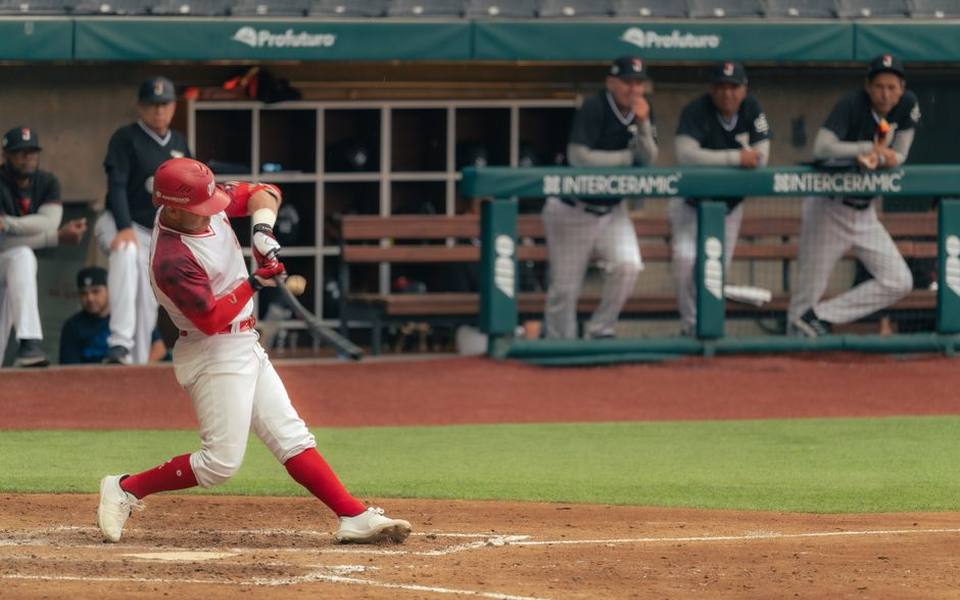
Baseball & Softball Hitting Instruction, Swing Tech & Private Coaching Guide
-
 Safety
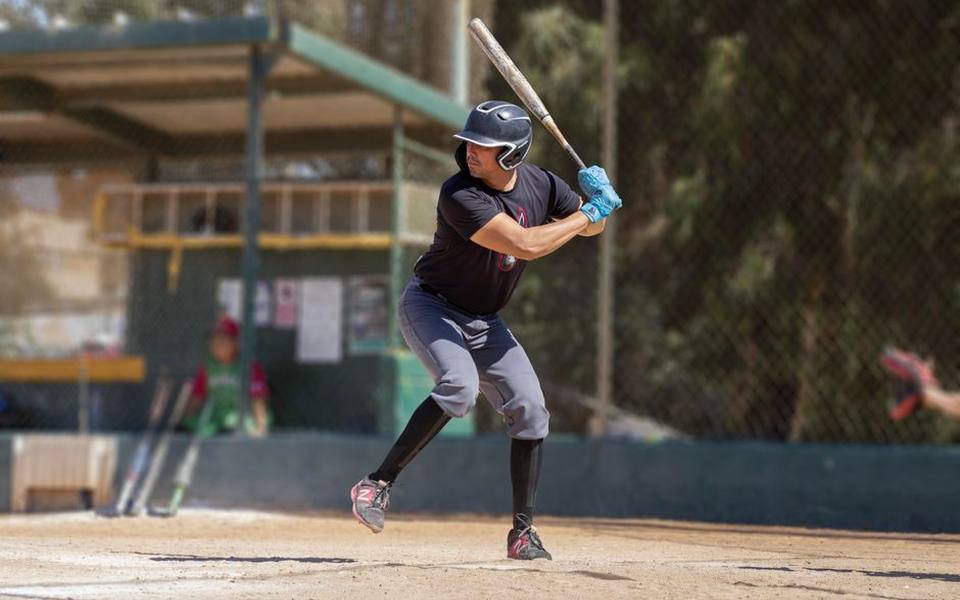
Baseball & Softball Helmet Sizing and Fit Guide
-
 Owning
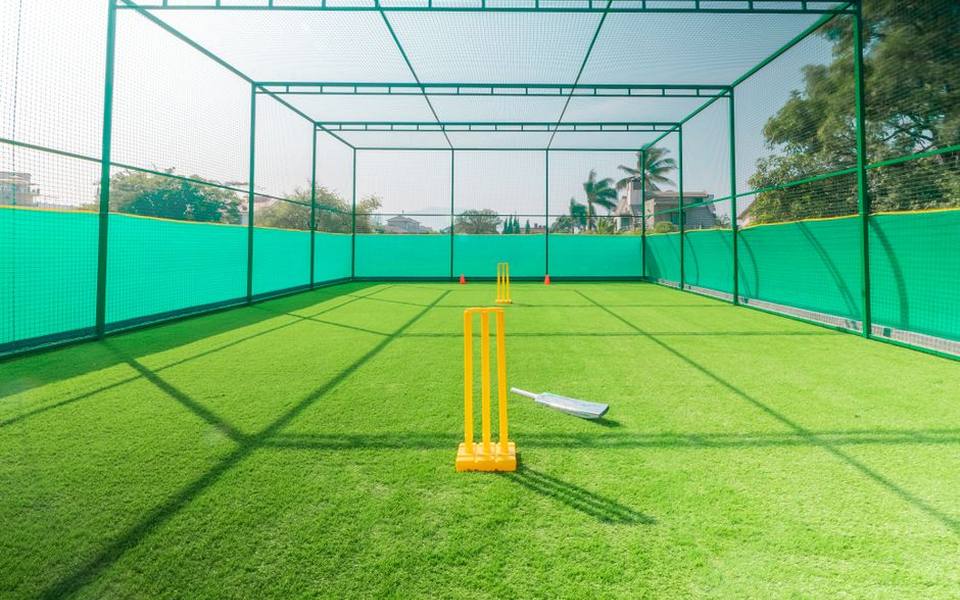
How to Build and Outfit a Batting Cage and Hitting Facility
-
 Service
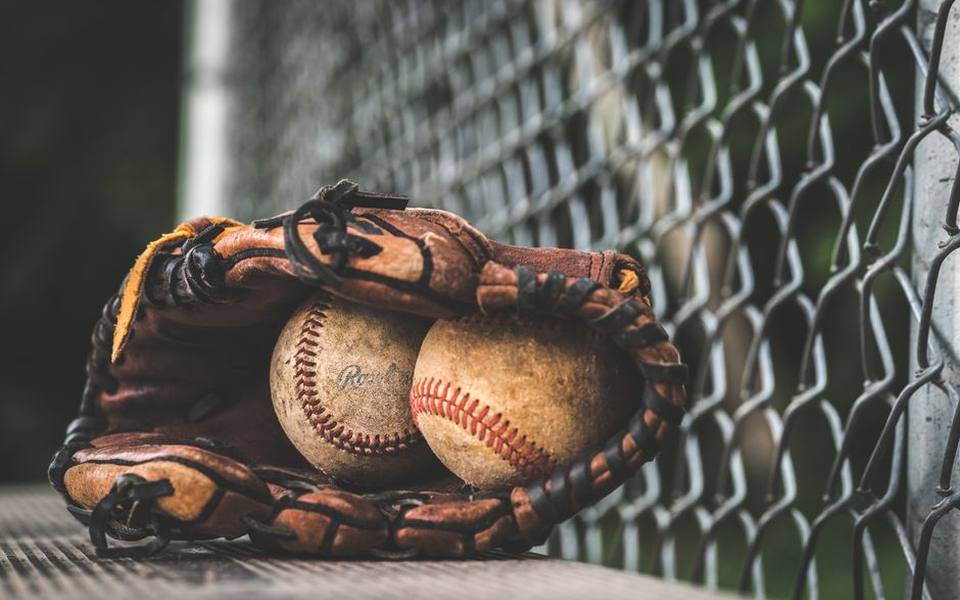
Baseball & Softball Glove Relacing, Restringing, and Care Guide
-
 Safety
Catcher's Gear Sizing, Protection, and Defensive Blocking Mechanics
-
 Service
Baseball Camps, Youth Academies, and Showcase Tryouts Guide
-
 Owning
Adult Baseball, Softball, and Backyard Leagues: A Complete Guide to Modern Formats
-
 Service
Planning Team Building Events, Parties, and Fundraisers at Sports Venues
-
 Service
Softball Mechanics, Pitch Grips, and Gear Sizing Guide