Establishing a solid stance and proper grip
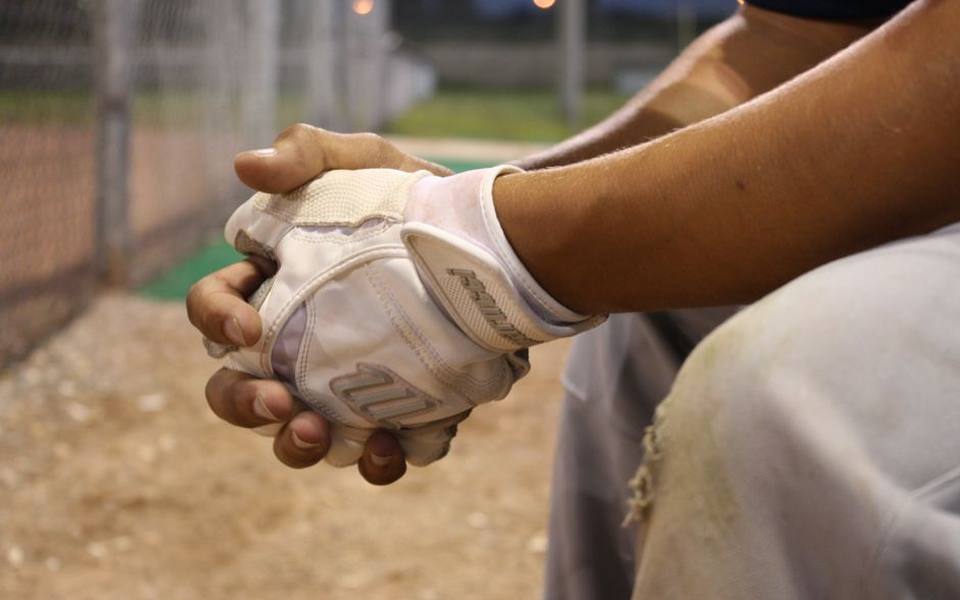
Hitting a softball effectively starts with the correct grip and a balanced stance. Align your knocking knuckles along the bat handle to ensure flexible wrists. Gripping the bat too tightly deep in your palms restricts the fluid motion needed to drive through the ball. A relaxed grip lets the barrel snap through the strike zone smoothly when you initiate the swing.
Once your hands are positioned correctly, focus on your posture in the batter's box. Place your feet slightly wider than shoulder-width apart, keeping your knees slightly bent. Distribute your weight evenly, leaning a fraction more onto the balls of your feet. This ready position allows you to react quickly to the pitch instead of shifting your weight awkwardly at the last second.
Keep your shoulders relaxed and your head level, with both eyes fixed firmly on the pitcher. The bat should hover comfortably over your back shoulder. Raising the back elbow unnaturally high causes unnecessary tension, so dropping it naturally creates a smoother path. Players seeking hands-on guidance to fix early posture habits often look into hitting lessons to build muscle memory.
The mechanics of loading and striding
The next phase of the swing is the load and stride, dictating your overall power and timing. Loading involves gathering your energy before unleashing it toward the plate. Shift your weight slightly to your back leg while moving your hands a few inches backward. This subtle gathering motion acts like a coiled spring, preparing your body to transfer maximum energy.
The stride follows the load as a small, controlled step toward the pitcher. Keeping the stride short and soft is crucial, as a massive step causes your head to drop. When your front foot lands, your weight remains slightly back, and your hands stay loaded. Stepping and swinging simultaneously is a mistake that strips the swing of rotational power.
Timing the load and stride correctly takes patience, as you adapt to various pitching speeds. The stride should begin as the pitcher releases the ball, giving you time to read the trajectory. Practicing this rhythm without a bat isolates footwork beautifully. Many players use indoor cages to practice this timing year-round, ensuring mechanics hold up regardless of outside weather.
Executing the swing path and making contact
With your front foot planted, the swing begins from the ground up through hip rotation. Your back foot pivots, allowing your hips to open up and subsequently pull your torso, shoulders, and hands through the zone. This sequential movement generates core power without relying solely on arm strength. Your hands should take a direct path, keeping the barrel tight to the shoulder.
As the bat travels toward contact, the goal is to meet the ball slightly in front of the plate. Extend your arms fully just as you make contact, driving the barrel through the center of the softball. At impact, one palm faces the sky while the other faces the ground. Rolling wrists early creates weak grounders, while dropping the shoulder causes pop-ups.
Following through completely is critical, as stopping abruptly kills energy transfer. Allow momentum to carry the bat all the way around your body, finishing near your opposite shoulder. Maintaining balance throughout this motion indicates a mechanically sound swing. If you find yourself falling over, you likely over-swung or lost control of your center of gravity during the rotational phase.
Essential beginner drills for building consistency
Refining these mechanics requires targeted practice drills that isolate specific parts of the swing. The batting tee is the most valuable tool, allowing total focus on stance, load, and contact point. Setting the tee at different heights teaches you to adjust your bat path for high, low, inside, and outside pitches. Hitting off a tee quickly highlights flaws in rotational mechanics.
Soft toss is a natural progression, introducing a moving target in a controlled environment. A partner kneels to the side and gently tosses the ball into the strike zone, prompting you to time your load and stride. This drill bridges the gap between a stationary ball and full-speed pitching. You can use standard softballs or weighted balls to increase difficulty.
The stop-at-contact drill is an excellent exercise for beginners struggling with wrist alignment. You take a normal swing but intentionally freeze the bat the exact moment it strikes the ball on the tee. This pause allows you to visually inspect your hand position. Players accessing equipment for these exercises often visit coaching and training programs where tees are readily available.
Transitioning to machine pitches and facility practice
Once confident with isolated drills, moving to a pitching machine helps you adapt to consistent speed and trajectory. Start the machine slowly to ensure your load and stride timing remains intact. Rushing to catch up usually breaks down newly formed mechanics. Track the ball cleanly out of the chute and execute your swing just as you did during tee practice.
Finding a reliable location to practice with machines is straightforward, with 3392 listings in top states for various venues, including those offering batting cages on site. When using machines, take a few pitches without swinging to observe the release point. Tracking the ball with your eyes and executing a mock stride helps your brain process speed before swinging.
Consistency is key to developing a reliable swing, and regular visits to a practice facility reinforce muscle memory. Schedule short, focused sessions rather than marathon hitting clinics, as fatigue leads to sloppy mechanics. Enclosed facilities keep your routine uninterrupted during bad weather. Players in states like Illinois rely on these spaces during colder months to keep swings sharp.
Published 2026-09-20 · reviewed with each rebuild, last September 2026.
Find batting cages near you
The directory lists 5,442 batting cages by state and city — pick your state or use the “Near me” button in the header.
More guides
-
 Service
Mastering Softball Mechanics: From Cage Drills to Game-Day Power
-
 Money
MoneyUnderstanding the Expenses of Renting and Building Batting Cages
-
 Service
Pitching Mechanics: Throwing Breaking Balls and Building Velocity
-
 Service
Fundamental Swing Mechanics and Handling Breaking Pitches
-
 Service
Slow Pitch Softball Hitting Guide: Mechanics for Power and Contact
-
 Safety
Pitching Mechanics: Throwing Breaking Pitches and Building Velocity Safely
-
 Money
MoneyUnderstanding Travel Baseball: Costs, Commitments, and Evaluating the Fit