Establishing Balance and Power in Your Stance
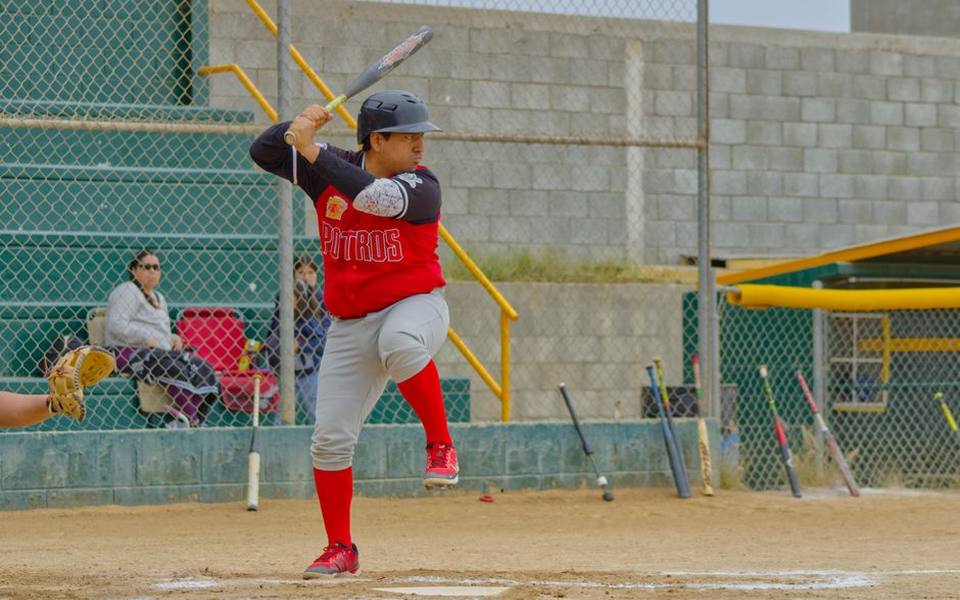
To make consistent contact, your swing must start from a balanced, athletic stance with your weight slightly back. Generating power does not require a violent motion; it comes from a controlled rotation of the hips and a steady head. Focusing on keeping your hands inside the ball's path allows the bat barrel to whip through the strike zone naturally. This increases your chances of solid contact rather than swinging through empty air.
The kinetic chain begins with your lower half, transferring energy from your back foot through your hips, into your torso, and out through your hands. If your hands start moving before your hips initiate the turn, you lose significant power and struggle to adjust to off-speed pitches. Proper sequencing takes repetition to master, which is why consistent practice is vital for any hitter looking to improve their timing and overall plate coverage.
Maintaining a quiet head throughout the swing is another critical component. If your head moves excessively during your stride, your eyes bounce, making a small, moving target look like a blur. By keeping your chin tucked and your eyes locked on the release point, you give your brain the best chance to process speed and trajectory. Finding local batting cages and hitting facilities is a great way to isolate these mechanics without live game pressure.
Recognizing Rotation and Trajectory Early
Recognizing a breaking pitch early is the most challenging part of making successful contact. An off-speed pitch typically pops out of the pitcher's hand with an upward trajectory, contrasting sharply with the flat path of a fastball. As soon as you notice this slight upward bump, your brain needs to signal your body to stay back. The seams also spin in a distinct tumbling motion, which looks noticeably different from the tight backspin of a standard heater.
The tendency for most hitters when they recognize a breaking pitch is to lunge forward, hoping to catch the ball before it drops. This forward movement shifts your center of gravity too early, leaving you off-balance and robbing your swing of structural integrity. Instead, you must keep your weight anchored on your back leg a fraction of a second longer. Trusting your hands to wait for the ball to travel deeper into the zone is essential.
Visual tracking drills can significantly improve your ability to pick up on these subtle clues. Standing in the box and simply watching pitches without swinging helps train your eyes to recognize spin right out of the hand. Many players benefit from visiting indoor batting cages where specialized pitching machines can replicate the exact spin rate and drop of a breaking ball, allowing you to build the required muscle memory safely.
Adjusting Your Approach for Dropping Pitches
Once you recognize the breaking pitch and keep your weight back, executing the swing requires a specific approach. You should aim to hit the top half of the baseball. Because a breaking pitch drops as it crosses the plate, swinging slightly downward or level helps counteract the break. If you try to lift the pitch by dropping your back shoulder, you will likely swing entirely under it or pop it up weakly into the infield.
Another helpful mental cue is attempting to drive the ball to the opposite field. By intentionally aiming for the opposite side, you force your body to let the pitch travel deeper into the hitting zone. This approach keeps your front shoulder closed just a bit longer, preventing you from pulling off the ball and missing the outside corner entirely. It is a disciplined mindset that requires patience and spatial awareness.
It is also important to remember that not every breaking pitch is meant to be hit. Pitchers often throw them specifically to get you to chase pitches in the dirt. Recognizing when a trajectory starts too low to end up as a strike is a learned skill. Working with experienced instructors at batting cages with hitting lessons can help you develop the plate discipline necessary to lay off bad pitches.
Adapting Mechanics for Different Diamond Sports
While the ultimate goal of making contact remains the same, mechanics differ slightly when transitioning between different leagues. In fastpitch, the mound is closer, and the ball is delivered with an underhand motion, often creating a rising trajectory. This requires the batter to start their motion sooner and maintain a more level bat path to catch the top of the pitch. Conversely, a traditional swing often incorporates a slight uppercut to match a downward overhand throw.
The stance and stride also see variations due to the available reaction time. Fastpitch players frequently use a shorter stride or a simple heel lift to ensure their front foot is down early. The large leg kick seen in professional overhand leagues is rarely effective against a pitch approaching rapidly from a shorter distance. The emphasis is on extreme quickness to the contact point, relying heavily on hand speed and a highly compact motion.
Despite these differences, the core principles of the kinetic chain remain identical. Both styles require strong hip rotation, a firm front side, and hands that stay inside the ball. A player with a fundamentally sound lower half will typically find success in either setting with minor adjustments to their bat path. Exploring dedicated baseball and softball training facilities allows athletes to work on the specific nuances required for their respective leagues.
Refining Movements Through Isolated Practice
Building a reliable swing that holds up under pressure requires countless repetitions. Muscle memory is not formed overnight, and making mechanical changes can feel incredibly awkward initially. It is crucial to film your practice sessions, as what you feel your body doing is often vastly different from reality. Breaking down the video frame by frame can highlight issues with your load, stride, or hand path that are nearly impossible to spot at full game speed.
Tee work remains the most effective way to isolate specific mechanical flaws. While hitting off a machine is necessary for timing, the batting tee removes the variable of a moving target, allowing you to focus entirely on your body movements. Placing the tee at different heights and locations across the plate forces you to adjust your barrel path, helping you understand how to properly extend your arms on outside pitches versus staying compact inside.
Simulating game situations during your practice rounds will help bridge the gap between the facility and the actual field. You can set up scenarios where you are behind in the count, forcing yourself to protect the plate. With over 3300 listings across top states, finding a spot to practice is straightforward. For instance, there are numerous batting cages in Texas where players of all skill levels can log the hours needed to build structural consistency.
Published 2026-09-20 · reviewed with each rebuild, last September 2026.
Find batting cages near you
The directory lists 5,442 batting cages by state and city — pick your state or use the “Near me” button in the header.
More guides
-
 Service
Mastering Softball Mechanics: From Cage Drills to Game-Day Power
-
 Money
MoneyUnderstanding the Expenses of Renting and Building Batting Cages
-
 Service
Pitching Mechanics: Throwing Breaking Balls and Building Velocity
-
 Service
Slow Pitch Softball Hitting Guide: Mechanics for Power and Contact
-
 Service
Building a Consistent Softball Swing: Fundamentals and Practice Routines
-
 Safety
Pitching Mechanics: Throwing Breaking Pitches and Building Velocity Safely
-
 Money
MoneyUnderstanding Travel Baseball: Costs, Commitments, and Evaluating the Fit