Rethinking what makes corporate outings actually work
A successful company outing bridges the gap between daily desk routines and genuine interpersonal connection without feeling like forced fun. For most office environments, standard conference room icebreakers often stall because employees remain trapped in their typical work personas. Moving off-site introduces a neutral setting where organizational hierarchy softens naturally. The most memorable corporate events combine mild physical engagement with ample spectator space, ensuring that competitive colleagues can push themselves while others enjoy the social atmosphere without undue pressure.
Selecting the right style of event starts with understanding group dynamics across departments. Highly structured lectures or trust falls rarely build lasting bonds, whereas activity-driven environments give team members a shared objective to talk about in real time. Shared laughter over a missed pitch or celebration over a well-struck ball breaks tension faster than an awkward dinner seated next to an unfamiliar executive. By shifting focus toward a common recreational challenge, teams naturally develop organic conversations that carry back into project meetings.
Organizers frequently underestimate the importance of psychological safety when planning out-of-office gatherings. If an activity demands elite athleticism or risks embarrassing participants in front of peers, engagement drops immediately. The goal is never to showcase athletic prowess, but rather to create an environment where trying something unfamiliar feels safe, entertaining, and low-stakes. When colleagues see each other step outside typical comfort zones and laugh off mistakes, mutual trust expands faster than through traditional boardroom workshops.
Setting up friendly, low-stakes game formats
Creating inclusive mini-games ensures that everyone stays involved regardless of their prior sports experience. Instead of running a conventional baseball or softball scrimmage that requires nine active fielders and advanced coordination, event planners lean into station-based challenges. Setting up rotational targets inside a netted tunnel, for example, allows players to earn points for line drives, ground balls, or simply making contact. This structure keeps turns short, maintains a fast pace, and prevents anyone from sitting idle on a bench for extended stretches.
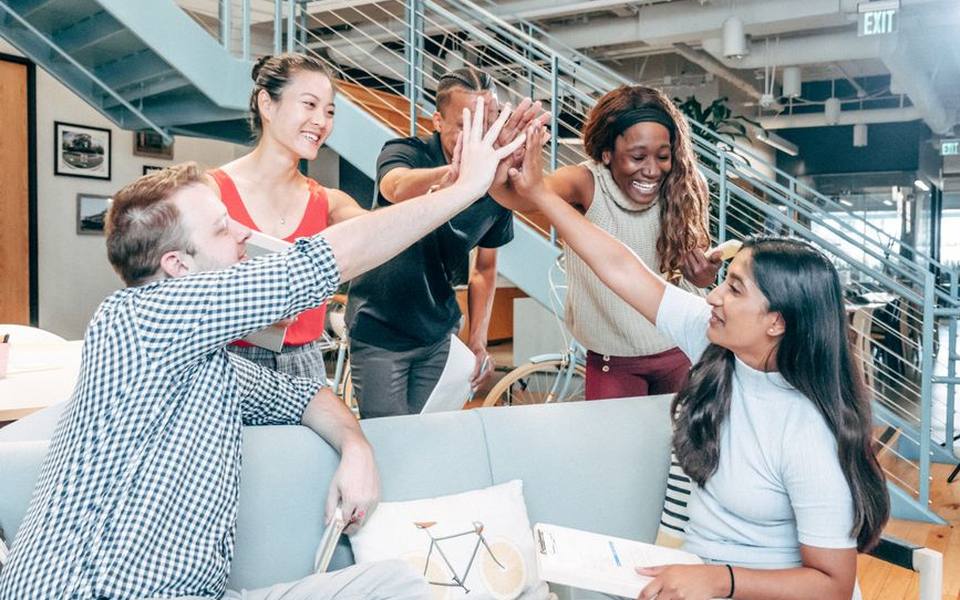
Dividing attendees into balanced, cross-functional squads breaks down departmental silos that typically form in large office cultures. Pairing an engineering lead with an account specialist creates dialogue between colleagues who rarely interact during standard workweeks. Scoring can be adjusted so that first-time hitters earn bonus points for their teams, immediately turning beginners into valuable contributors. This dynamic flips traditional competitive hierarchies, encouraging seasoned players to offer supportive tips rather than dominating the scoreboard.
Pacing remains critical when managing group stamina throughout an afternoon outing. Implementing two-inning mini-matches or timed three-minute cage rounds keeps energy high while providing frequent pauses for hydration and casual conversation. Teams can rotate through different stations, such as a slow-pitch softball stall, an arcade-style tracking cage, and an adjacent viewing lounge. Rotating every fifteen minutes maintains momentum, giving everyone equal time to participate actively, cheer on peers, and catch up with coworkers over refreshments.
Evaluating venues for broad accessibility and safety
Selecting an appropriate site requires evaluating more than just square footage and parking availability. When vetting indoor batting cages and sports facilities, organizers must verify that equipment meets modern protective standards, including certified helmets, well-maintained netting, and adjustable pitching speeds. High ceilings, bright LED illumination, and clean safety partitions ensure that balls cannot ricochet toward viewing areas. A venue that prioritizes protective padding and organized walkways shows an immediate respect for participant well-being.
Climate control is another decisive factor when booking an outing, particularly during midsummer heat waves or winter holiday parties. Enclosed hitting bays with dedicated air conditioning or heating allow teams to stay comfortable without battling humidity, rain delays, or unexpected cold snaps. Spectator sightlines should be completely separated from active swing zones by heavy netting or plexiglass screens, allowing hesitant participants to mingle close to the action without worrying about foul balls or stray bats.
Accessibility considerations extend to equipment availability and physical comfort throughout the booking. Facilities that maintain lightweight composite bats, slow-pitch softball options, and adjustable tee stations provide realistic entry points for non-athletes. When selecting between multi-sport complexes and specialized training hubs, planners should confirm whether the space offers accessible entryways, quiet seating nooks for introverted guests, and clean staging areas for catered lunches or group announcements before signing a rental agreement.
Translating physical drills into real workplace communication
Athletic micro-drills serve as surprising metaphors for communication breakdowns that happen within enterprise teams. An activity as straightforward as tracking a pitch requires clear visual cues, patience, and decisive timing under mild pressure. When coworkers guide each other through batting stance fundamentals or cheer from behind the safety netting, they practice real-time positive reinforcement. These interactions bypass standard corporate communication scripts, teaching staff how to support teammates who are navigating learning curves in public view.
Encouraging informal peer coaching during an event creates space for spontaneous leadership to emerge from unexpected contributors. A junior team member who played collegiate softball might find themselves guiding a senior manager through proper bat grip and hip rotation. This inversion of standard authority encourages humility across leadership tiers and highlights personal strengths that remain invisible behind corporate email threads. The resulting mutual respect carries directly back into collaborative design sessions and cross-departmental roadmaps.
Facilitating a brief five-minute debriefing over drinks toward the end of an outing cements these interpersonal discoveries. Asking colleagues what surprised them about their performance or how it felt to receive batting tips prompts lighthearted reflections on vulnerability and teamwork. Rather than presenting this reflection as a dry seminar, framing it around shared physical experiences keeps the mood relaxed while reinforcing the underlying social fabric of the company.
Active kinetic outings versus passive social mixers
Traditional happy hours at downtown bars often fail to produce genuine team cohesion because employees default to speaking only with their daily desk neighbors. Loud acoustic environments force conversations into superficial small talk, and individuals who do not drink alcohol frequently feel excluded or disengaged. Kinetic group activities, hosted at modern baseball and softball training facilities, introduce movement that stimulates endorphins, naturally dispelling the lethargy that builds up over long weeks of computer work.
Physical movement alters interpersonal chemistry by engaging the nervous system in a shared external stimulus. When colleagues focus collectively on hitting a target or timing a swing, their defensive social filters drop, paving the way for authentic laughter and empathy. Even employees who prefer not to swing often become animated spectators, cheering on unexpected line drives and participating in team scoring strategies. This collective focus eliminates the awkward pauses typical of open-ended cocktail receptions.
Balancing movement with downtime remains the gold standard for corporate entertainment design. A facility that pairs batting tunnels with open turf zones or mezzanine viewing decks allows participants to move fluidly between high-intensity swings and low-intensity socializing. Attendees never feel locked into an exhausting workout; instead, they control their own balance of physical participation and comfortable observation, ensuring an energizing afternoon that respects individual energy levels.
Managing logistics, group arrival, and time blocks
Smooth event execution hinges on deliberate scheduling and transparent communication long before attendees arrive at the facility. Mid-week afternoons, particularly Wednesday or Thursday from two to five o'clock, typically deliver the highest attendance rates because employees appreciate wrapping up their workday early. Friday evenings often encounter conflicts with personal commitments or long weekend travel, while Monday mornings carry heavy operational workloads that cause employees to drop out at the last minute.
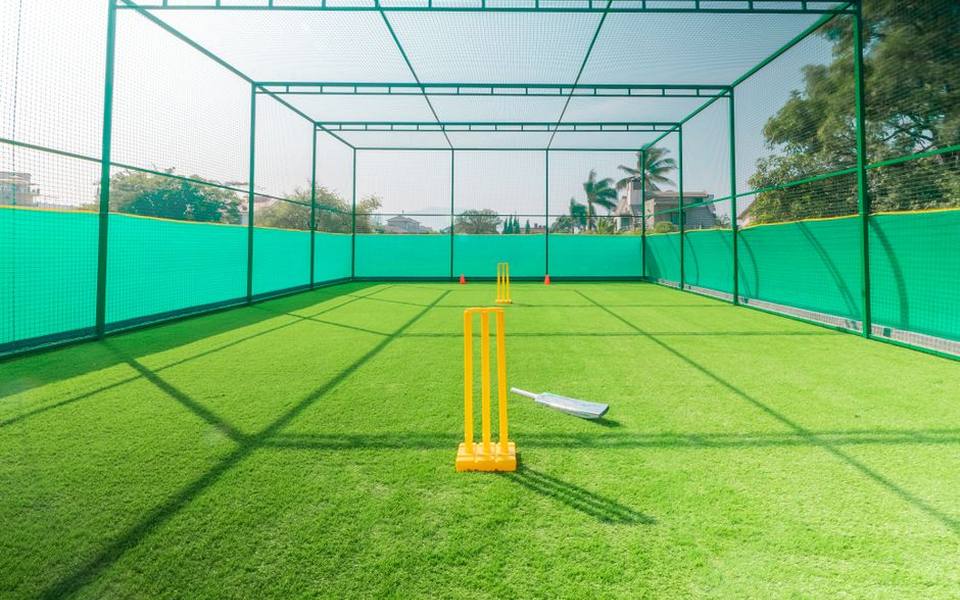
Upon arrival, dedicating the first fifteen to twenty minutes to check-in, equipment fitting, and safety orientation establishes an organized, calm atmosphere. Event coordinators should ensure that waiver forms are signed digitally ahead of time to avoid bottlenecks at the front counter. Staff members at dedicated batting cages and hitting facilities can walk the group through proper helmet usage, machine safety lines, and swing zone boundaries, which minimizes safety concerns and puts anxious participants at ease.
Structuring the event into clear forty-five-minute blocks maintains group focus without feeling overly rigid. The first block serves as a free-play warm-up where attendees test different cage speeds and select comfortable bats. The second block transitions into team-based station games or friendly mini-tournaments that introduce light collective scoring. The final hour is best reserved for casual free-swinging, food service, and informal conversations while staff tally up any friendly competition awards.
Integrating food, spectator zones, and downtime
A well-planned physical outing requires careful consideration of nourishment and recovery spaces. Heavy, greasy pub food served right before an active batting session can leave employees feeling sluggish or uncomfortable. Catered menus centered around lean proteins, fresh wraps, seasonal fruit, and electrolyte beverages provide sustained energy throughout the afternoon. Hydration stations should be positioned prominently along the netting walkways so players can grab water between rounds without leaving the team area.
Comfortable seating arrangements adjacent to the active batting lanes transform casual observers into an engaged cheering section. High-top tables, barstools, and cushioned lounge seating give coworkers a place to rest their legs while maintaining clear sightlines of their peers at the plate. Creating this visual bridge between dining and sports zones prevents the group from fracturing into isolated clusters, maintaining a unified team atmosphere across both active and passive participants.
Alcohol management requires a balanced and responsible approach, especially when sports machinery and bats are involved. Many commercial venues enforce a strict policy where swinging occurs entirely before bar service opens, or they prohibit open containers within swing staging zones. Designating a clear transition time—such as wrapping up active competition before opening craft beverage stations—protects participant safety while allowing colleagues to unwind together in a festive, responsible setting.
Estimating costs and handling group contracts
Corporate budgeting for off-site recreational events typically depends on group size, rental duration, and equipment requirements. Across regional markets, hourly lane rentals generally range from moderate base fees up to premium full-facility buyouts for large enterprise gatherings. Facilities listed across independent directories often provide tiered packages that bundle cage rentals, ball buckets, protective gear, and dedicated event coordinators into a single transparent invoice, simplifying corporate expense approvals.
When reviewing event contracts, planners should examine minimum guest counts, deposit policies, and cancellation timeframes. Peak weekend slots demand higher commitments, whereas booking an off-peak weekday afternoon frequently unlocks discounted lane rates or complimentary extra time. Organizers should also ask whether private party rooms, audiovisual displays for company presentations, or cleaning fees carry extra line items, avoiding unexpected budget overruns when reconciling company credit cards.
Allocating a modest portion of the budget toward customized team favors or lighthearted awards delivers a strong return on investment. Inexpensive plastic trophies, custom company baseball caps, or novelty pennants presented to the 'Most Improved Swinger' or 'Best Dugout Cheerleader' leave employees with tangible souvenirs from the day. These small tokens often end up on office desks, serving as long-lasting reminders of team camaraderie long after the outing concludes.
Using clinics and professional coaching to remove intimidation
One of the most effective methods for leveling the playing field during a company sports outing is hiring an on-site instructor. Booking facilities that feature batting cages with hitting lessons gives complete novices access to patient, professional guidance before stepping into a live pitch tunnel. A trained instructor demonstrates how to hold the bat, line up knuckles, and balance weight comfortably, taking the mystery out of hitting and preventing embarrassing whiffs for first-timers.

Professional coaches also introduce structured warmup routines that protect out-of-practice muscles from sudden strain. Spending ten minutes on rotational core stretches, shoulder band warmups, and soft-toss tee drills dramatically reduces the risk of sore elbows or pulled hamstrings the following morning. When company leadership participates in these instructional drills alongside staff, it creates a refreshing culture of shared vulnerability and continuous learning.
Coaching staff can run customized station games tailored specifically to corporate groups, such as home run derbies based on exit velocity or contact-consistency challenges. Having an impartial third party manage the timing, referee the rules, and encourage struggling participants relieves internal company managers of logistics duties. This allows team leads and supervisors to focus entirely on socializing, supporting their teams, and enjoying the event alongside their colleagues.
Sustaining workplace morale after the event wraps up
The true impact of an off-site outing is measured by how well renewed connections translate back into daily office workflows. When employees return to work the following day, shared jokes, photographs, and video highlights shared in internal messaging channels keep the positive momentum going. These shared memories build relational capital, making future cross-departmental negotiations and project deadlines significantly easier to navigate with empathy and mutual goodwill.
Soliciting honest feedback through an anonymous, two-minute digital survey provides valuable insights for planning future company culture events. Asking staff what they enjoyed most, whether the physical pace felt appropriate, and what dietary options they preferred helps committee organizers refine future itineraries. Acknowledging participant feedback demonstrates that leadership respects employee time and personal comfort, raising participation rates for subsequent quarterly outings across all departments.
Organizations across the country, spanning over 3392 top facility listings on CageAtlas, consistently find that interactive physical experiences outperform standard passive happy hours. By blending accessible movement, low-stakes competition, and thoughtful hospitality, corporate planners can transform ordinary team outings into powerful culture-building events. Taking the time to select the right venue and tailor the itinerary ensures that every employee feels valued, included, and genuinely energized.
Published 2026-09-21 · reviewed with each rebuild, last October 2026.
Find batting cages & baseball training near you
The directory lists 7,750 batting cages & baseball training by state and city — pick your state or use the “Near me” button in the header.
More guides
-
 Owning
Mastering Softball Mechanics: From Cage Drills to Game-Day Power
-
 Money
MoneyUnderstanding the Expenses of Renting and Building Batting Cages
-
 Safety
Pitching Mechanics: How to Throw Breaking Balls and Build Arm Velocity
-
 Service
Fundamental Swing Mechanics and Handling Breaking Pitches
-
 Owning
Slow Pitch Softball Hitting Guide: Mechanics for Power and Contact
-
 Owning
Building a Consistent Softball Swing: Mechanics, Drills, and Practice Routines
-
 Safety
Pitching Mechanics: Throwing Breaking Pitches and Building Velocity Safely
-
 Owning
Understanding Travel Baseball: Costs, Commitments, and Evaluating the Fit
-
 Buying
Ultimate Guide to Batting Cages and Hitting Nets: Types, Sizing, and Setup
-
 Safety
Youth Baseball Rules: Field Dimensions, Pitch Limits, and Age Brackets
-
 Owning
Batting Practice Essentials: Pitching Machines, Hitting Drills, and Training Equipment
-
 Buying
Baseball & Softball Bat Buying Guide: Sizing, Materials, Certifications, and Custom Options
-
 Owning
Agility Ladder Workouts and Footwork Drills for Baseball and Softball
-
 Safety
Protective Baseball Gear Guide: Catchers Gear, Thumb Guards, and Helmet Sizing
-
 Owning
Baseball & Softball Glove Guide: Sizing, Break-In, Relacing, and Maintenance
-
 Buying
Official MLB and Minor League Team Stores: Buying Authentic Fan Gear
-
 Service
Understanding Baseball Sabermetrics: Core and Advanced Stats Explained
-
 Buying
A Complete Guide to Ordering Custom Baseball Uniforms and Team Apparel
-
 Buying
Custom Sports Jerseys Guide: Outfitting Soccer, Track, Volleyball, and Football Teams
-
 Owning
Complete Little League Guide: Schedules, Divisions, Rules, and Grants
-
 Buying
Local Sporting Goods Stores: Finding Gear, Trade-Ins, and Used Bats
-
 Buying
Baseball Birthday Party Ideas: Decorations, Supplies, and Themes
-
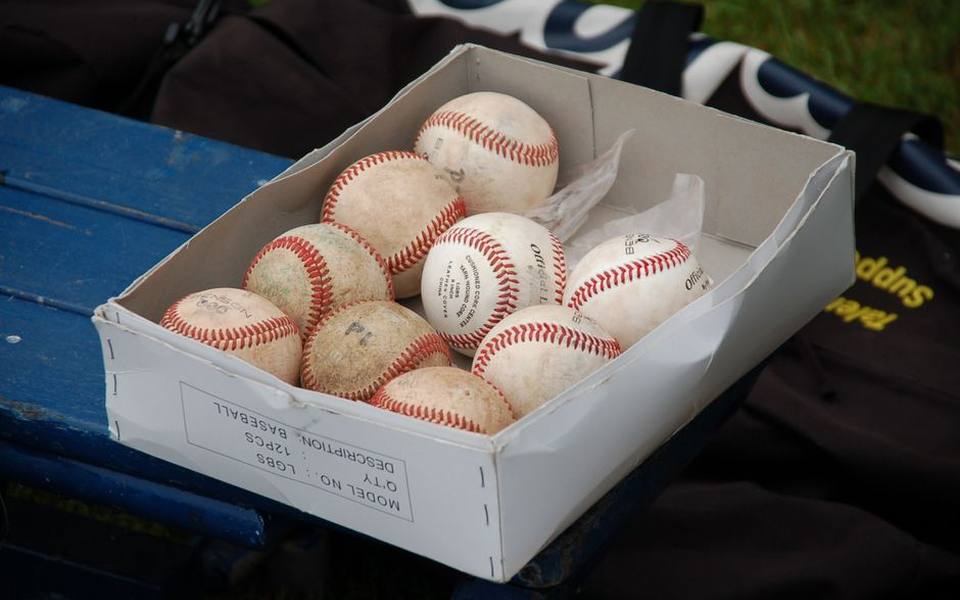 Service
Youth Baseball and Softball Camps: Showcases, Academies, and Clinics
-
 Buying
Custom Fan Apparel and Varsity Jackets: Customization and Sizing
-
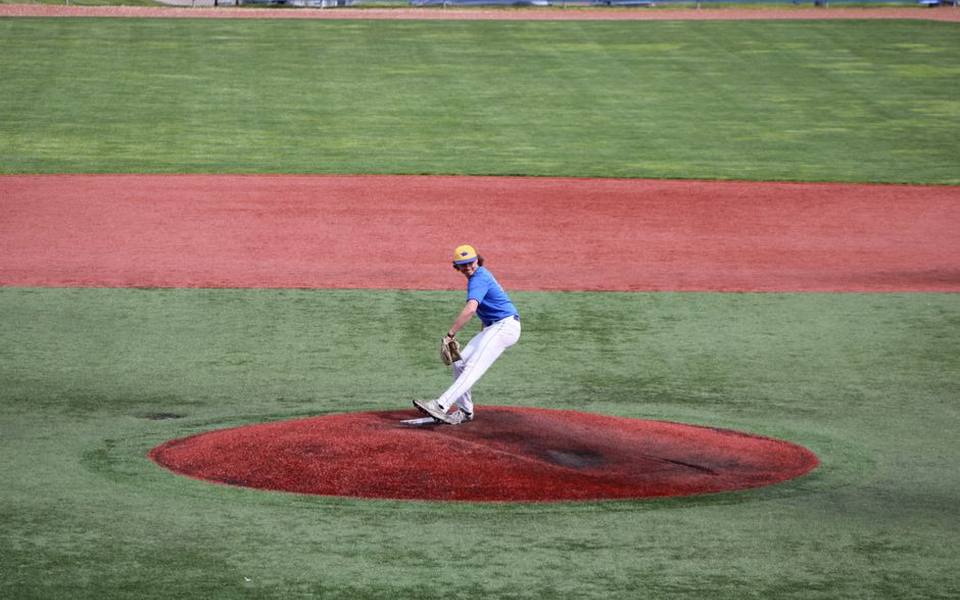 Safety
Youth Pitching Arm Safety: Treating Little League Elbow and Shoulder Injuries
-
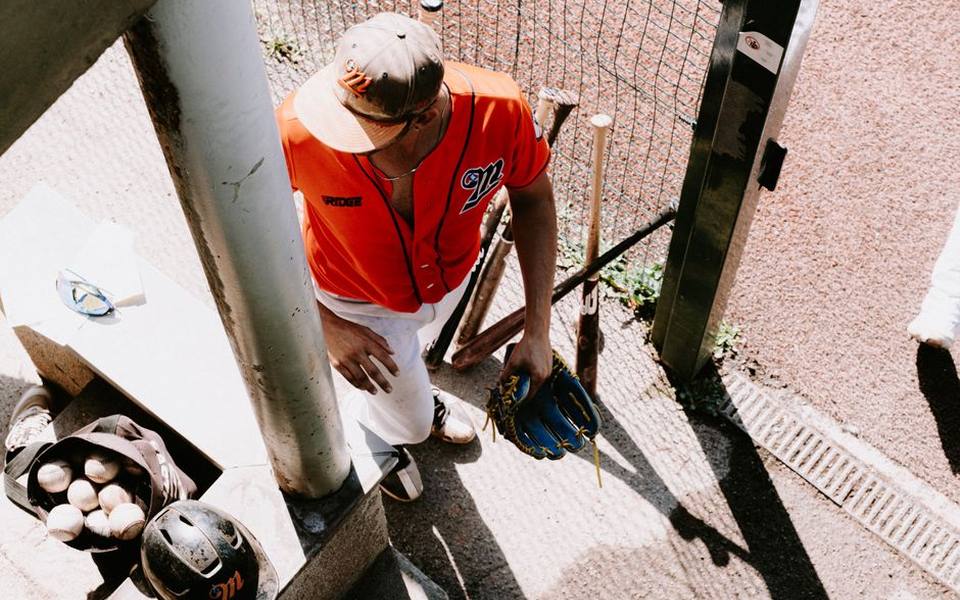 Buying
Custom Baseball and Softball Uniforms: Design, Sublimation, and Ordering Guide
-
 Owning
Youth Baseball and T-Ball Drills: Practice Plans for Coaches and Parents
-
 Safety
Youth Baseball Sizing Guide: Batting Helmets, Gloves, and Protective Gear
-
 Buying
Commercial and Backyard Pitching Machines: Buyer's Guide and Field Maintenance
-
 Service
How to Choose and Enroll in Baseball and Softball Training Camps
-
 Service
Baseball & Softball Hitting Instruction, Swing Tech & Private Coaching Guide
-
 Safety
Baseball & Softball Helmet Sizing and Fit Guide
-
 Owning
How to Build and Outfit a Batting Cage and Hitting Facility
-
 Service
Baseball & Softball Glove Relacing, Restringing, and Care Guide
-
 Safety
Catcher's Gear Sizing, Protection, and Defensive Blocking Mechanics
-
 Service
Baseball Camps, Youth Academies, and Showcase Tryouts Guide
-
 Owning
Adult Baseball, Softball, and Backyard Leagues: A Complete Guide to Modern Formats
-
 Service
Planning Team Building Events, Parties, and Fundraisers at Sports Venues
-
 Service
Softball Mechanics, Pitch Grips, and Gear Sizing Guide