Finding Your Home League and Season Calendars
Finding the correct youth baseball program begins with residential and school attendance boundaries. Every chartered neighborhood organization operates within a defined geographic territory established by district administrators. Parents can confirm their designated program through an online league finder tool, which matches a player's physical home address or the physical location of their school against official boundary maps. Enrolling within your designated perimeter ensures full eligibility for post-season all-star tournament play when summer arrives.
The regular season calendar typically splits into distinct spring and fall cycles, though exact timelines vary significantly by region. In warmer climates like the South and West Coast, practices generally begin as early as January or February, with regular contests running through May. In northern and midwestern regions, field conditions typically push outdoor activities back to late March or early April, extending competitive regular games through mid-June before tournament play begins.
Local league planners release their regular weekly slates several weeks before opening day. Standard regular seasons consist of twelve to twenty games per division, scheduled around weeknight evenings and Saturday mornings. While tee ball and coach pitch levels adhere to steady, predictable time slots, upper divisions like Minors and Majors frequently navigate schedule adjustments driven by rainouts, field lighting restrictions, and umpire availability throughout the spring.
Tracking Daily Game Schedules and Live Tournament Action
Tracking daily regular season matchups is handled primarily through local team communication portals rather than national broadcast trackers. When families ask about finding game slates for their hometown diamonds on any given afternoon, local league portals, community park scoreboards, and team schedule apps provide real-time updates on diamond assignments and weather delays. Because youth fields rarely maintain dedicated full-time grounds crews, cancellations typically post within two hours of scheduled first pitch.
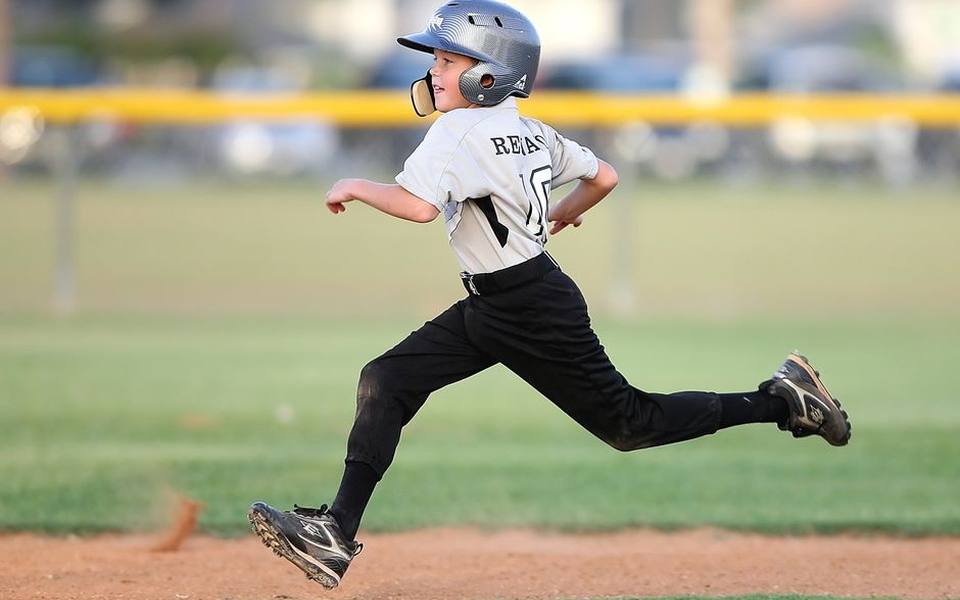
As spring transitions into mid-summer all-star district play, matchup tracking shifts to higher-level administrative boards. District administrators maintain public bracket boards detailing double-elimination schedules across nearby municipal complexes. These games are typically free for spectators, creating vibrant local rivalries where families gather on bleachers and lawn chairs to support twelve-year-old squads attempting to win district titles and advance toward state tournaments.
By late July and August, interest turns toward major regional broadcasts and championship coverage. Digital sports networks and national broadcast channels air hundreds of intermediate tournament games leading directly to the mid-August world series showdowns. Families looking to follow live tournament action can check broadcast guide apps and tournament landing pages, which update starting pitchers, live game run lines, and modified weather delays continuously throughout the championship rounds.
Understanding Tournament Brackets and Regional Cycles Through 2026
The competitive road to international tournaments follows a multi-tiered elimination tournament ladder. Regular league rosters assemble all-star tournament squads in early summer, competing first at district levels, advancing to sectionals, and battling for state championships. Winning state squads earn an invitation to their respective regional complexes, where champions are crowned across divisions ranging from eight-year-old developmental brackets through teenage Senior League play.
Looking forward to upcoming championship calendars, regional tournament slates through the 2026 summer window follow a strictly structured multi-week schedule every August. The iconic Major Division tournament relies on regional host complexes located across the United States, including Bristol for the Metro and New England regions, Whitestown for the Great Lakes and Midwest, Warner Robins for the Southeast, Waco for the Southwest, and San Bernardino for the West and Mountain brackets.
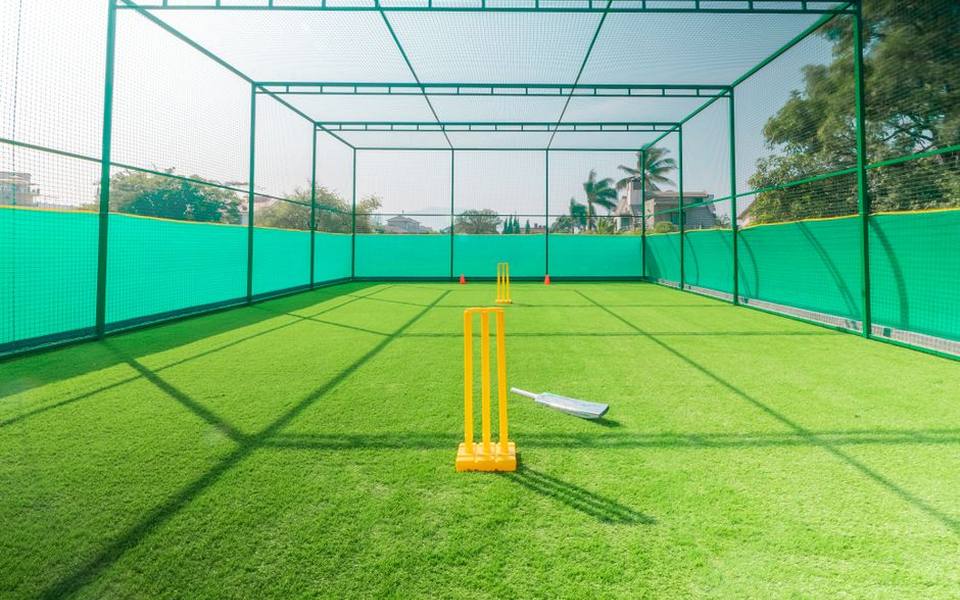
Regional tournament host sites operate on rigorous, predetermined time blocks to accommodate live television broadcasts and tight field turnover windows. Preparing for these summer events requires continuous high-level training, with many travel and all-star athletes relying on indoor batting cages during erratic spring weather to keep their swings sharp before advancing to national regional stadiums.
Administrative Portals and League Boundary Verification
Behind every community diamond sits an administrative framework that verifies player eligibility, rosters, and safety paperwork. League presidents, player agents, and safety coordinators interact through a centralized digital operations center to submit annual charters, insurance policies, and approved boundary maps. This platform acts as the official clearinghouse for every chartered youth program across the country, ensuring all local bylaws align with broader organizational safety and operational rules.
When tournament season arrives, local league officials must certify tournament verification forms through this digital hub before any all-star team takes the field. The affidavit process requires player agents to confirm three proofs of physical residence or school enrollment within the league perimeter, verify certified birth certificates, and validate regular season participation minimums. Typically, players must participate in roughly sixty percent of their team's regular-season games to qualify for tournament play.
In addition to eligibility, league officers use administrative databases to file annual facility safety plans, track background checks for coaches, and log mandatory volunteer applications. Parents preparing documents for registration should prepare utility bills, municipal documents, or official school enrollment records dated within the specified league calendar window to prevent mid-season eligibility delays.
Training Volunteers, Umpires, and Parents Through Digital Education
Operating a volunteer-run sports organization requires substantial ongoing education for coaches, board members, and parent volunteers. A dedicated educational resource portal provides free digital instructional modules, rule interpretation videos, and practice plans tailored to each developmental age bracket. This public platform helps new managers design productive practice drills, understand fundamental sliding techniques, and run safe bullpen sessions.
Volunteer umpires utilize these learning modules to study difficult in-game mechanics, plate positioning, and nuanced rule situations. The curriculum breaks down complex diamond concepts such as the dropped third strike, infield fly rule nuances, and obstruction versus interference calls. Thorough preparation helps community volunteers call fair, confident games while reducing sideline friction during tense regular-season and playoff innings.
Beyond tactical drills, these training programs emphasize pediatric arm care, concussion protocol awareness, and positive sideline culture. Managers can access structured throwing regimens designed to build arm strength gradually without risking shoulder strain. Many coaching staffs supplement these educational courses by reserving time at local baseball & softball training facilities where expert coaches reinforce proper swing biomechanics and throwing form.
Core Values, Sportsmanship, and the Traditional Pledge
Youth baseball organizations place strong emphasis on character building, community involvement, and mutual respect among competitors. Before opening day games and tournament contests, leagues traditionally gather teams around the infield to recite a longstanding organizational pledge. Written in the mid-twentieth century, this pledge reminds young participants to honor sportsmanship, play for the joy of the game, strive to win fairly, and conduct themselves honorably regardless of the final score.
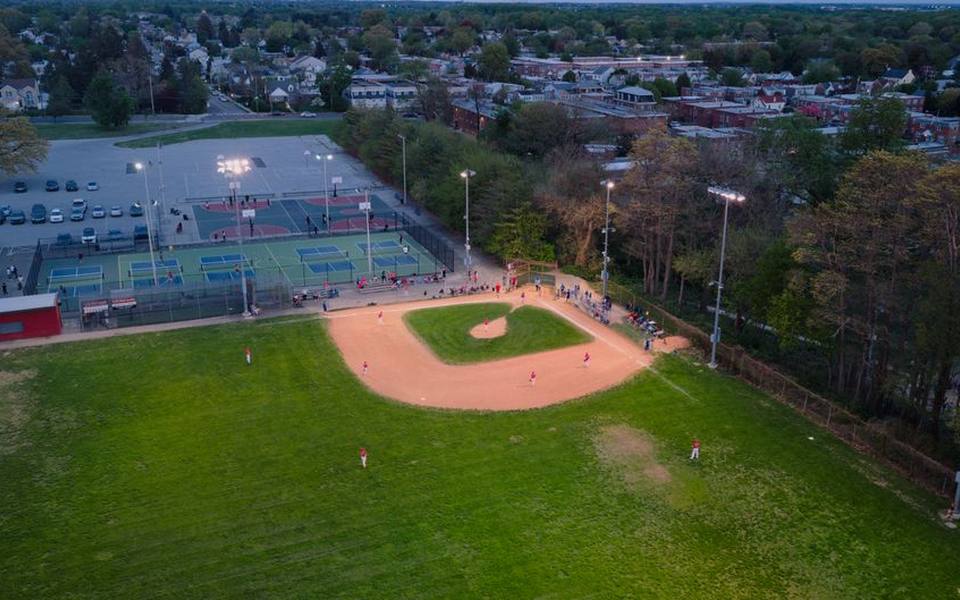
Coaches and parents also adhere to baseline conduct expectations designed to protect the integrity of youth sports. Spectators are encouraged to keep cheering constructive, allow volunteer umpires to manage game flow without interference, and support players through defensive errors and batting slumps. Maintaining an encouraging dugout and bleacher environment directly impacts whether young athletes decide to return to community sports in subsequent seasons.
These core traditions help ground young players during intense competitive moments. Win or lose, players lineup along home plate after the final out to shake hands with opposing players and umpires. This simple post-game ritual reinforces that community baseball is primarily about building resilient, humble citizens who appreciate team camaraderie and mutual effort over individual statistics.
Multi-Sport Programs and Alternative Divisions Beyond Baseball
While traditional baseball captures the majority of national tournament attention, chartered programs encompass diverse athletic options for surrounding communities. Fastpitch softball divisions mirror baseball age ladders, culminating in dedicated regional tournaments and their own celebrated softball world series tournament. The softball division provides girls and boys with technical fielding instruction, flat-pitch mechanics, and fast-paced base running strategies.
In select historic municipalities across the nation, youth athletics programs also govern tackle football divisions under shared community charter umbrellas. These youth football programs focus on introductory contact safety, standard blocking form, and tactical playbook execution for elementary and middle school athletes. Emphasizing strict age and weight restrictions, these gridiron leagues provide a structured local alternative to independent regional club circuits.
Another vital component of community offerings is the adaptive Challenger Division, designed for young athletes with physical and intellectual challenges. Operating with volunteer buddies who assist with batting, fielding, and rounding bases, this division ensures that any child can experience the camaraderie of wearing a uniform and taking the field. Adaptive diamonds feature specialized accessible turf, inclusive dugouts, and supportive game environments.
Preparing Roster Players with Year-Round Training Resources
Preparing young athletes for competitive league play involves steady development between scheduled team practices. With game calendars crowded with schoolwork and family schedules, individual repetitions in batting tunnels help young hitters develop rhythm against live pitching and pitching machines. Finding accessible batting cages and hitting facilities gives athletes a reliable environment to work on pitch selection and bat speed.
Hitters struggling with strikeout slumps or inconsistent contact often benefit from specialized instruction outside standard league practices. Booking structured sessions through batting cages with hitting lessons connects families with experienced hitting instructors who can break down hand path, hip rotation, and balance issues. Consistent small-group instruction builds mechanical confidence that directly translates to better plate appearances on weekend mornings.
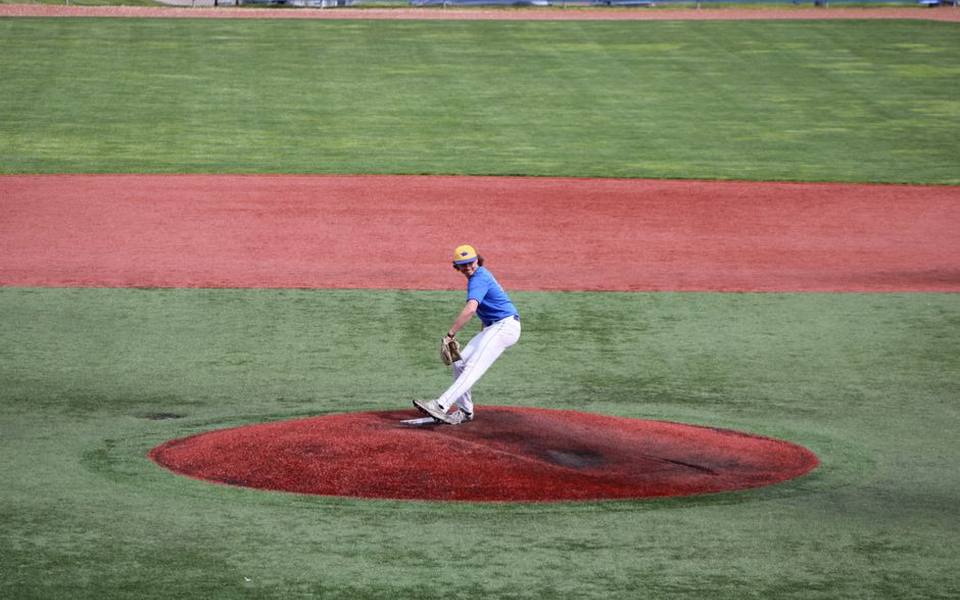
Year-round practice also helps youth arms adapt safely to the demands of higher divisions where pitch velocity increases significantly. Players transition from small forty-six-foot mound distances in the Major Division up to full sixty-foot-six-inch dimensions in Junior and Senior programs. Practicing at premier venues—including historic baseball hubs like batting cages in Pennsylvania where tournament culture runs deep—helps athletes make this demanding field transition smoothly.
League Grants, Equipment Assistance, and Budgeting for Families
The financial cost of youth sports can present real barriers for growing families, which is why chartered community leagues prioritize financial accessibility. Registration fees typically range from roughly fifty to two hundred dollars per season, depending on municipal field fees, uniform requirements, and umpire compensation. However, non-profit community boards routinely offer confidential registration fee waivers and family caps to ensure no child is turned away due to financial constraints.
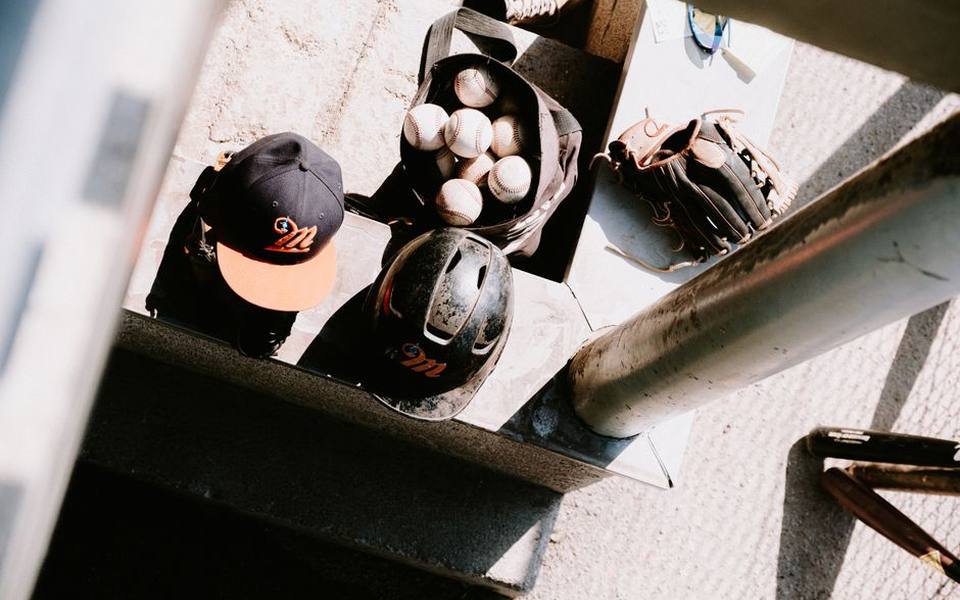
National philanthropic partnerships provide structured grant programs that directly cover player participation fees and personal gear costs. Family-level sports grants provide funding loaded onto electronic payment cards to pay registration costs directly to local chartered organizations. Families experiencing economic hardship can apply through simple online verification portals prior to the opening of their local program's spring registration period.
On the administrative side, community leagues can apply for municipal field improvement grants, corporate equipment donations, and safety gear endowments. These capital grants fund dugout repairs, outfield safety fence installations, modern catcher gear sets, and certified automated external defibrillator units for concession stands. Investing in upgraded park amenities protects young players while keeping local team registration dues reasonable for neighborhood families.
Key Pitch Counts, Bat Regulations, and Rest Rules
Youth safety regulations are centered around strictly enforced pitch count limits and mandatory rest days. Unlike older scholastic baseball where pitch tracking can be informal, youth division rules establish hard daily ceiling thresholds based on league age. Pitchers aged eleven and twelve are typically capped at eighty-five pitches in a single day, while nine and ten-year-old athletes face a seventy-five pitch ceiling to guard developing elbow ligaments against overuse.
Rest requirements mandate specific calendar recovery windows following pitching outings. Throwing sixty-six or more pitches in a single game requires four full calendar days of rest before an athlete can pitch again. Furthermore, the rules enforce pitching-to-catching restrictions: a player who delivers more than forty pitches cannot move behind the plate to play catcher for the remainder of that calendar day, preventing high cumulative arm stress across consecutive innings.
Bat equipment guidelines require adherence to strict certification standards across all non-wood bats. Tee ball, minor, and major divisions mandate bats carrying the certified youth performance stamp, which mimics the exit velocity of traditional solid wood barrels. Senior divisions transition into drop-three BBCOR certified bats that align with high school equipment standards, ensuring competitive fairness and defensive safety across every diamond.
Published 2026-09-21 · reviewed with each rebuild, last October 2026.
Find batting cages & baseball training near you
The directory lists 7,750 batting cages & baseball training by state and city — pick your state or use the “Near me” button in the header.
More guides
-
 Owning
Mastering Softball Mechanics: From Cage Drills to Game-Day Power
-
 Money
MoneyUnderstanding the Expenses of Renting and Building Batting Cages
-
 Safety
Pitching Mechanics: How to Throw Breaking Balls and Build Arm Velocity
-
 Service
Fundamental Swing Mechanics and Handling Breaking Pitches
-
 Owning
Slow Pitch Softball Hitting Guide: Mechanics for Power and Contact
-
 Owning
Building a Consistent Softball Swing: Mechanics, Drills, and Practice Routines
-
 Safety
Pitching Mechanics: Throwing Breaking Pitches and Building Velocity Safely
-
 Owning
Understanding Travel Baseball: Costs, Commitments, and Evaluating the Fit
-
 Buying
Ultimate Guide to Batting Cages and Hitting Nets: Types, Sizing, and Setup
-
 Safety
Youth Baseball Rules: Field Dimensions, Pitch Limits, and Age Brackets
-
 Owning
Batting Practice Essentials: Pitching Machines, Hitting Drills, and Training Equipment
-
 Buying
Baseball & Softball Bat Buying Guide: Sizing, Materials, Certifications, and Custom Options
-
 Owning
Agility Ladder Workouts and Footwork Drills for Baseball and Softball
-
 Safety
Protective Baseball Gear Guide: Catchers Gear, Thumb Guards, and Helmet Sizing
-
 Owning
Baseball & Softball Glove Guide: Sizing, Break-In, Relacing, and Maintenance
-
 Buying
Official MLB and Minor League Team Stores: Buying Authentic Fan Gear
-
 Service
Understanding Baseball Sabermetrics: Core and Advanced Stats Explained
-
 Service
Corporate Team Building Guide: Outings, Events, and Venue Selection
-
 Buying
A Complete Guide to Ordering Custom Baseball Uniforms and Team Apparel
-
 Buying
Custom Sports Jerseys Guide: Outfitting Soccer, Track, Volleyball, and Football Teams
-
 Buying
Local Sporting Goods Stores: Finding Gear, Trade-Ins, and Used Bats
-
 Buying
Baseball Birthday Party Ideas: Decorations, Supplies, and Themes
-
 Service
Youth Baseball and Softball Camps: Showcases, Academies, and Clinics
-
 Buying
Custom Fan Apparel and Varsity Jackets: Customization and Sizing
-
 Safety
Youth Pitching Arm Safety: Treating Little League Elbow and Shoulder Injuries
-
 Buying
Custom Baseball and Softball Uniforms: Design, Sublimation, and Ordering Guide
-
 Owning
Youth Baseball and T-Ball Drills: Practice Plans for Coaches and Parents
-
 Safety
Youth Baseball Sizing Guide: Batting Helmets, Gloves, and Protective Gear
-
 Buying
Commercial and Backyard Pitching Machines: Buyer's Guide and Field Maintenance
-
 Service
How to Choose and Enroll in Baseball and Softball Training Camps
-
 Service
Baseball & Softball Hitting Instruction, Swing Tech & Private Coaching Guide
-
 Safety
Baseball & Softball Helmet Sizing and Fit Guide
-
 Owning
How to Build and Outfit a Batting Cage and Hitting Facility
-
 Service
Baseball & Softball Glove Relacing, Restringing, and Care Guide
-
 Safety
Catcher's Gear Sizing, Protection, and Defensive Blocking Mechanics
-
 Service
Baseball Camps, Youth Academies, and Showcase Tryouts Guide
-
 Owning
Adult Baseball, Softball, and Backyard Leagues: A Complete Guide to Modern Formats
-
 Service
Planning Team Building Events, Parties, and Fundraisers at Sports Venues
-
 Service
Softball Mechanics, Pitch Grips, and Gear Sizing Guide