Finding the Right Camp Format for Your Playing Level
Enrolling in a baseball or softball camp should start with an honest look at your current goals, whether that means developing fundamental mechanics or getting evaluated by college scouts. General youth day camps usually emphasize recreational fundamentals, teamwork, and high-repetition skill stations across hitting and fielding. Specialized academies and high school development programs focus far more on measurable athletic outputs, positional footwork, and live situational reads.
Choosing between an elite baseball performance academy and an introductory youth clinic comes down to maturity, skill floor, and athletic ambition. High-end performance centers typically incorporate high-speed video capture, velocity tracking, and structured mechanical feedback into daily routines. If an athlete struggles with routine catch play or basic swing paths, an intensive data-driven clinic can cause frustration, whereas a high school athlete preparing for varsity competition will gain actionable benchmarks for their off-season progression.
Local private complexes often serve as the bridge between recreational sandlot play and high-level travel competition. Families looking to sharpen mechanics before committing to expensive multi-day travel events often begin at local Baseball & Softball Training Facilities to get an objective baseline on where the player stands mechanically.
Take time to assess camper-to-coach ratios before submitting non-refundable deposits. Clinics advertising massive enrollments can sometimes leave developing athletes standing in lines rather than taking active reps. High-caliber instruction typically guarantees eight to ten athletes per instructor at most, ensuring direct technical corrections rather than generic encouragement from student volunteers.
What to Expect at Major Southern College Softball Programs
Southern powerhouses across the Southeastern Conference and regional athletic conferences set the standard for competitive fastpitch camps. When families look toward established programs like an elite softball camp in Texas A&M territory or a flagship clinic hosted by coaches at Alabama, the environment reflects collegiate intensity. These sessions are fast-paced, highly competitive, and strictly scheduled, demanding that attendees arrive in mid-season physical conditioning.
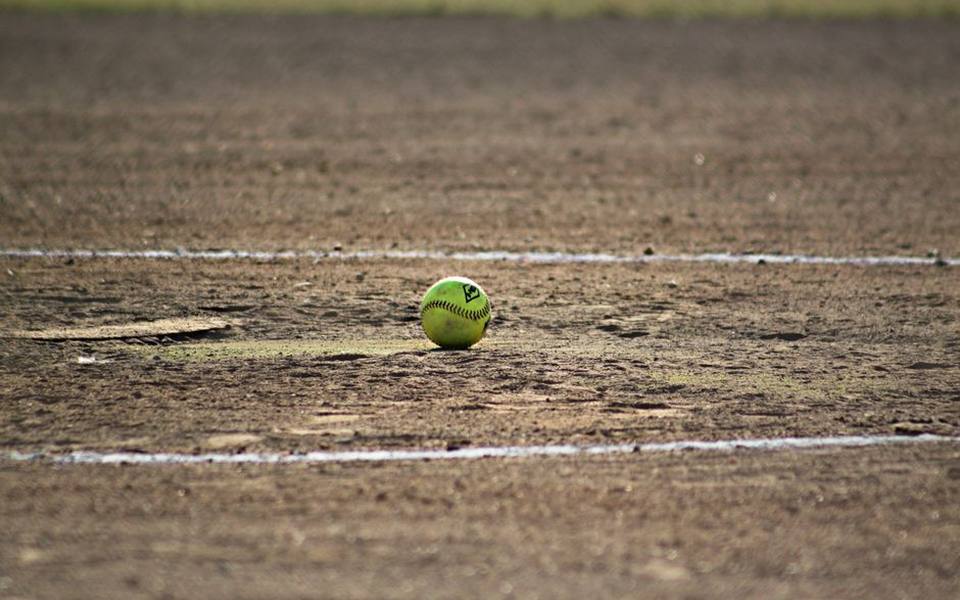
Clinics hosted near major university athletic grounds, such as a premier softball camp in Arkansas or Crimson Tide territory, typically divide into two categories: skill-building camps and elite prospect showcases. Skill camps run players through specific infield transfers, pitch recognition drills, slap-hitting techniques, and catcher pop-time training led by active collegiate coaches. Showcase camps shift the priority to verified athletic metrics, 20-yard sprints, overhand throwing velocity, and live controlled scrimmages.
Parents should understand that SEC-level clinics attract national talent, drawing players from across the country competing for limited coach attention. While coaches cannot hold recruiting conversations outside designated NCAA contact windows, they use these field sessions to cross-reference their recruiting boards. Showing up early, handling defensive mistakes with poise, and hustling through every drill station often matters just as much as raw arm strength.
Travel planning requires early coordination because campus athletic dorms or host hotels fill up quickly during peak camp weekends. Many families combine university visits with off-campus preparation, using nearby Batting Cages in Texas to shake off road stiffness and take live rounds before stepping onto collegiate dirt.
Navigating Midwest and Northern Development Clinics
Player development in the Upper Midwest and Great Lakes regions contends with distinct seasonal rhythms, making clinic structures look somewhat different from warm-weather programs. Attending a competitive softball camp in Michigan or a baseball camp in Iowa often means transitioning between large municipal fieldhouses and outdoor turf complexes. Big Ten coaching staffs build their programs to address specific cold-weather developmental gaps that northern athletes experience.
Clinics in these states excel at teaching indoor efficiency, maximizing confined fieldhouse spaces with intense small-group work, rapid-fire soft toss, and turf-specific footwork. Because outdoor game seasons are compressed in northern states, these camps dedicate substantial time to dynamic indoor throwing progressions, arm care, and quick-release infield drills. Pitchers and catchers receive targeted instruction on bullpen management, spin rates, and pitch calling inside specialized training wings.
Midwestern university programs often draw heavily from regional travel ball circuits, making them excellent venues for players looking to stay closer to home for their collegiate careers. You will find that staff members emphasize academic balance, physical strength development, and resilience against unpredictable spring weather conditions.
To stay sharp ahead of competitive summer and fall clinic weekends, players throughout the region spend substantial off-season hours working inside local Batting Cages in Michigan to maintain swing timing and exit velocity without relying on clear skies.
Collegiate Baseball Camps Across the SEC and Deep South
Collegiate baseball camps in the South feature some of the deepest talent pools in the country, attracting varsity starters, travel ball standouts, and junior college transfers. When stepping onto the field for a marquee baseball camp in Alabama or similar high-profile southern programs, participants should anticipate an unvarnished look at high-level baseball culture. Coaches run drills at game speed, expecting players to know complex cut-off assignments and base-running reads instinctively.
Instructional camps generally split into morning fundamental circuits and afternoon game simulations. During morning segments, pitching coaches analyze delivery tempo, hip-to-shoulder separation, and secondary pitch command, while hitting coordinators emphasize barrel control and situational execution against high-velocity pitching machines. These repetitions provide players with tangible feedback they can bring back to their club teams.
Prospect camps, by contrast, focus almost entirely on measurement and talent identification. Roster spots at top-tier programs are fiercely contested, so coaches closely monitor how athletes respond to physical failure, such as striking out with runners on base or mishandling an in-between hop. Your body language between innings is evaluated just as rigorously as your sixty-yard dash time.
Because summer heat in the Deep South can be physically draining, hydration and recovery strategies must start well before the first whistle. Athletes traveling in from northern states often need a day or two to acclimate to humidity and high-intensity repetitions under the sun.
Pacific Northwest and West Coast Camp Experiences
West Coast baseball programs bring a unique developmental philosophy shaped by year-round outdoor play, sophisticated tracking technology, and high-tempo execution. Participating in an established Pacific Northwest event like the UW Husky baseball camp introduces athletes to elite Pac-12 coaching principles, modern motion analysis, and advanced defensive positioning. Campers practice on modern synthetic turf surfaces built to handle brisk coastal climates and variable weather.
Clinics in this region frequently partner with specialized biomechanics experts to provide players with concrete swing-plane and ball-flight data. Hitters spend time evaluating launch angles, point of contact, and visual tracking routines against varied pitching deliveries. Fielders are taught agile footwork patterns designed for true, fast hops on artificial turf, preparing them for modern collegiate stadiums.
For out-of-region players, traveling to West Coast camps offers valuable perspective on regional playing styles, which often emphasize plate discipline, small ball execution, and aggressive base running. Interacting directly with collegiate coaching staffs gives high schoolers a realistic understanding of what West Coast recruiting coordinators prioritize during evaluation periods.
Before traveling across time zones for a multi-day university clinic, players should lock in regular cage work at high-quality Batting Cages and Hitting Facilities to keep timing crisp, ensuring they arrive ready to swing with confidence on day one.
How High School Athletes Should Approach Camp Selection
Navigating baseball camps for high schoolers requires a sharp distinction between developmental clinics and unpadded exposure events. A freshman or sophomore typically benefits far more from positional skill camps where college assistants provide hands-on mechanical coaching. In contrast, an uncommitted junior or senior should primarily target smaller prospect camps where the coaching staff has an active roster need at their specific position.
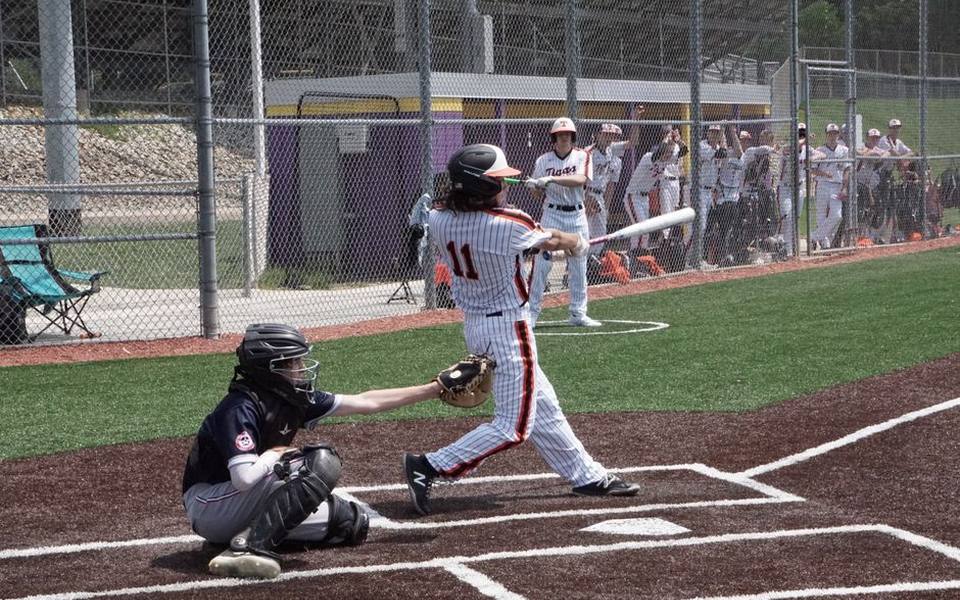
Before spending hundreds of dollars on college prospect showcases, research the program's current roster balance and graduating classes. If a university already has multiple underclassmen shortstops on scholarship, their recruiting priorities for upcoming cycles will likely lean toward left-handed pitching, catching depth, or power-hitting outfielders. Targeting a baseball camp for high schoolers where your profile matches the program's structural needs makes financial and athletic sense.
Communication ahead of the event can dramatically alter your camp experience. Sending a polite, concise email to the recruiting coordinator two weeks prior with your travel schedule, GPA, verified metrics, and a short video link puts your name on their radar. College coaches rarely have time to evaluate every unknown player among eighty attendees without prior context.
Do not overlook regional mid-major Division I, Division II, Division III, and NAIA camps. High school athletes frequently fixate on Power Four athletic brands while bypassing excellent academic institutions where they could realistically compete for four years of starting playing time.
Maximizing Development During the Winter Months
Cold-weather training windows present an incredible opportunity for players willing to trade open-air games for focused mechanical overhauls. A winter baseball camp provides a structured environment where athletes can rebuild throwing mechanics, gain rotational power, and adjust batting stances away from the weekly pressure of box scores. Without regular weekend games, the body can adapt to higher mechanical workloads and strength building.
Winter sessions hosted by indoor facilities generally emphasize arm care protocols, shoulder stability, and weighted ball progressions under strict supervision. Pitchers can refine off-speed grips and release points inside covered bullpens, while hitters work against pitching machines set up for breaking balls and elevated fastballs. It is an ideal window for addressing swing flaws that are difficult to tweak during the competitive spring schedule.
Indoor camp sessions also serve as critical readiness checkpoints for players preparing for early spring tryouts. Athletes who remain active through December and January enter February practices with developed arm strength and sharp hand-eye coordination, dramatically reducing their risk of early-season muscle strains and elbow soreness.
Between organized clinic dates, spending steady off-season hours inside dedicated Indoor Batting Cages allows hitters to log hundreds of quality swings each week regardless of freezing exterior temperatures or rain.
Planning Forward for Upcoming Camp Cycles
Securing spots in premier softball camps in 2026 and subsequent cycles requires early calendar planning and strict attention to registration timelines. High-demand collegiate clinics often sell out within hours of opening online registration, especially for high-leverage defensive positions like catchers and middle infielders where slot limits are strictly capped.
Building a two-year camp roadmap prevents athletic burnout and financial waste. A practical approach places broader developmental camps in the early high school years, followed by highly targeted showcase clinics once physical metrics such as exit velocity, throwing arm speed, and foot speed reach competitive thresholds. Attending high-level exposure clinics before your metrics are varsity-ready rarely yields recruiting returns.
Track registration release dates by signing up for university athletic email lists or following team operations accounts on social platforms. Many athletic departments release their winter holiday clinics in early autumn and their summer sessions during late spring, offering limited early-bird registration windows for returning attendees.
Complementing multi-day summer camps with weekly instruction from trusted local coaches at Batting Cages with Hitting Lessons ensures that the technical adjustments learned during summer clinics become permanent muscle memory rather than short-term experiments.
Evaluating Facility Standards, Safety, and Return on Investment
Before registering for any multi-day training program, inspect the hosting venue's overall safety measures, equipment standards, and coaching credentials. Whether the clinic operates out of an independent sports complex or a collegiate stadium, the facility should feature secure, well-maintained protective netting, clean turf or leveled clay surfaces, and certified athletic trainers on site during every active session.
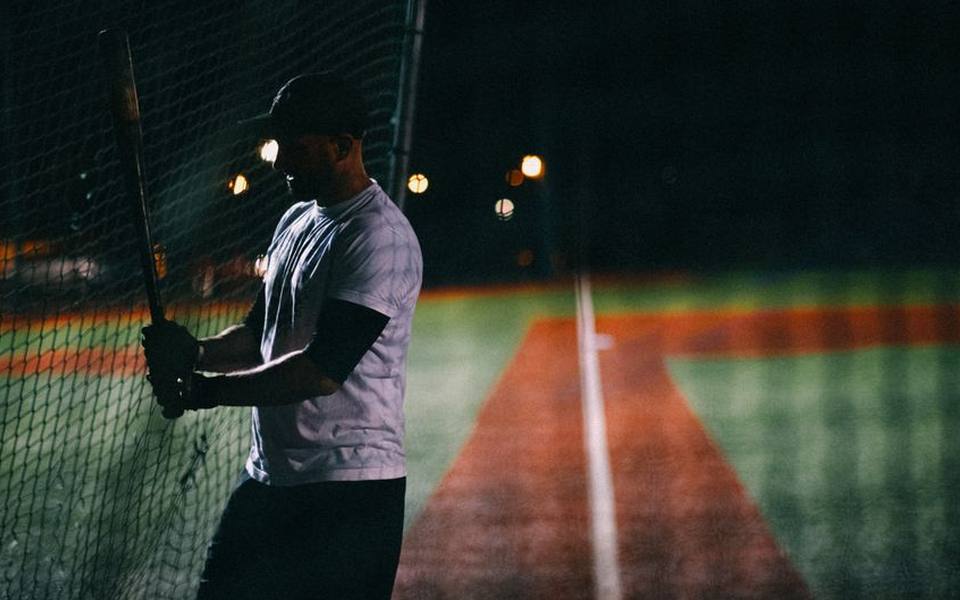
Camp expenses vary widely depending on the region, host institution, and whether the program includes overnight dorm lodging or day-only sessions. Tuition typically covers field access, coaching instruction, and camp t-shirts, but travel, meals, and specialized metric reports may incur additional out-of-pocket costs. Weigh the total financial investment against the quality of coach access and actual developmental rep volume promised in the itinerary.
Look into the background of the instructional staff beyond the head coach whose name appears on the camp banner. Top-tier camps employ seasoned assistant coaches, current collegiate athletes, and dedicated position instructors who actively run drills, deliver feedback, and handle individual questions. If the primary coaching staff merely watches from the dugouts while high school volunteers direct stations, the camp may not deliver the value you expect.
Take the time to read participant reviews, ask club coaches for recommendations, and review refund or injury credit policies. Reputable camps maintain transparent cancellation terms in the event of unexpected travel disruptions, illness, or minor injuries, protecting your investment while you focus on athlete preparation.
Published 2026-09-21 · reviewed with each rebuild, last October 2026.
Find batting cages & baseball training near you
The directory lists 7,750 batting cages & baseball training by state and city — pick your state or use the “Near me” button in the header.
More guides
-
 Owning
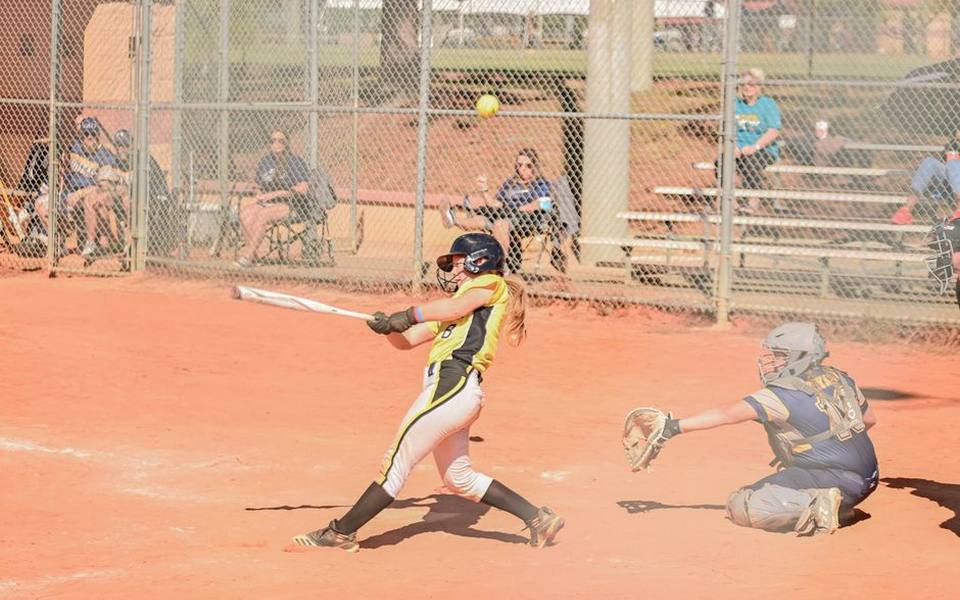
Mastering Softball Mechanics: From Cage Drills to Game-Day Power
-
 Money
MoneyUnderstanding the Expenses of Renting and Building Batting Cages
-
 Safety
Pitching Mechanics: How to Throw Breaking Balls and Build Arm Velocity
-
 Service
Fundamental Swing Mechanics and Handling Breaking Pitches
-
 Owning
Slow Pitch Softball Hitting Guide: Mechanics for Power and Contact
-
 Owning
Building a Consistent Softball Swing: Mechanics, Drills, and Practice Routines
-
 Safety
Pitching Mechanics: Throwing Breaking Pitches and Building Velocity Safely
-
 Owning
Understanding Travel Baseball: Costs, Commitments, and Evaluating the Fit
-
 Buying
Ultimate Guide to Batting Cages and Hitting Nets: Types, Sizing, and Setup
-
 Safety
Youth Baseball Rules: Field Dimensions, Pitch Limits, and Age Brackets
-
 Owning
Batting Practice Essentials: Pitching Machines, Hitting Drills, and Training Equipment
-
 Buying
Baseball & Softball Bat Buying Guide: Sizing, Materials, Certifications, and Custom Options
-
 Owning
Agility Ladder Workouts and Footwork Drills for Baseball and Softball
-
 Safety
Protective Baseball Gear Guide: Catchers Gear, Thumb Guards, and Helmet Sizing
-
 Owning
Baseball & Softball Glove Guide: Sizing, Break-In, Relacing, and Maintenance
-
 Buying
Official MLB and Minor League Team Stores: Buying Authentic Fan Gear
-
 Service
Understanding Baseball Sabermetrics: Core and Advanced Stats Explained
-
 Service
Corporate Team Building Guide: Outings, Events, and Venue Selection
-
 Buying
A Complete Guide to Ordering Custom Baseball Uniforms and Team Apparel
-
 Buying
Custom Sports Jerseys Guide: Outfitting Soccer, Track, Volleyball, and Football Teams
-
 Owning
Complete Little League Guide: Schedules, Divisions, Rules, and Grants
-
 Buying
Local Sporting Goods Stores: Finding Gear, Trade-Ins, and Used Bats
-
 Buying
Baseball Birthday Party Ideas: Decorations, Supplies, and Themes
-
 Service
Youth Baseball and Softball Camps: Showcases, Academies, and Clinics
-
 Buying
Custom Fan Apparel and Varsity Jackets: Customization and Sizing
-
 Safety
Youth Pitching Arm Safety: Treating Little League Elbow and Shoulder Injuries
-
 Buying
Custom Baseball and Softball Uniforms: Design, Sublimation, and Ordering Guide
-
 Owning
Youth Baseball and T-Ball Drills: Practice Plans for Coaches and Parents
-
 Safety
Youth Baseball Sizing Guide: Batting Helmets, Gloves, and Protective Gear
-
 Buying
Commercial and Backyard Pitching Machines: Buyer's Guide and Field Maintenance
-
 Service
Baseball & Softball Hitting Instruction, Swing Tech & Private Coaching Guide
-
 Safety
Baseball & Softball Helmet Sizing and Fit Guide
-
 Owning
How to Build and Outfit a Batting Cage and Hitting Facility
-
 Service
Baseball & Softball Glove Relacing, Restringing, and Care Guide
-
 Safety
Catcher's Gear Sizing, Protection, and Defensive Blocking Mechanics
-
 Service
Baseball Camps, Youth Academies, and Showcase Tryouts Guide
-
 Owning
Adult Baseball, Softball, and Backyard Leagues: A Complete Guide to Modern Formats
-
 Service
Planning Team Building Events, Parties, and Fundraisers at Sports Venues
-
 Service
Softball Mechanics, Pitch Grips, and Gear Sizing Guide