Why Sports Venues Transform Group Dynamics
Booking an athletic complex for an off-site event cuts straight through the awkwardness that often plagues standard conference room gatherings. When people step into an active environment, standard office hierarchies tend to soften because everyone is dealing with motion, coordination, and shared physical novelty. Instead of staring at presentation decks or participating in forced icebreakers, participants naturally interact while observing drills, picking up equipment, or watching a teammate take swings in a batting tunnel.
Modern sports facilities are built to handle high foot traffic and provide open floor plans that traditional banquet halls simply cannot match. High ceilings, wide synthetic turf expanses, and perimeter spectator zones create an atmosphere where groups can move freely without feeling confined. Whether you are hosting twenty office colleagues or a hundred youth league supporters, athletic facilities offer a dynamic backdrop that keeps people engaged and attentive throughout the itinerary.
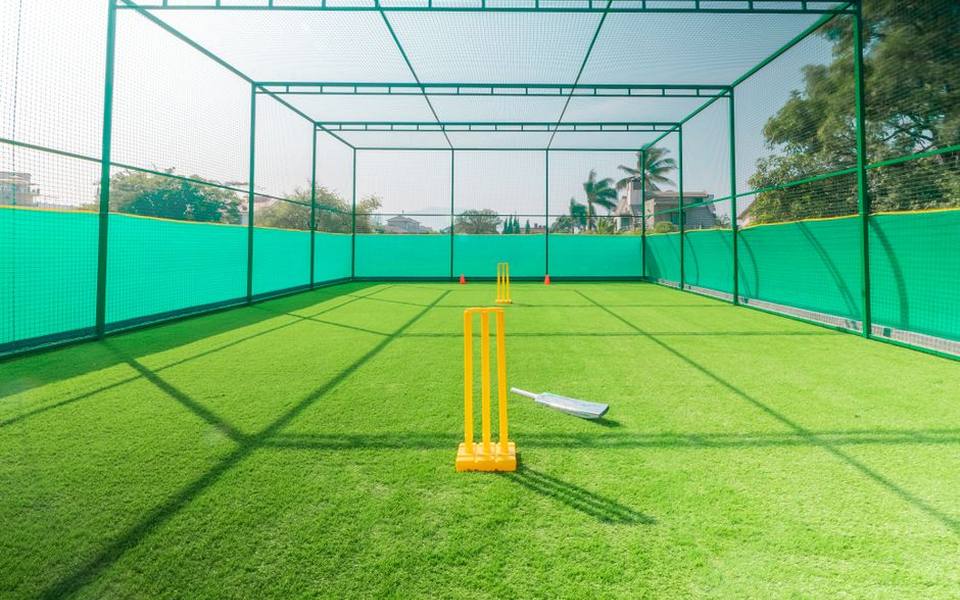
Choosing an established sports center also eliminates the need to rent specialized gear or figure out large-scale crowd safety from scratch. Most established batting cages and hitting facilities provide the safety netting, balls, batting helmets, and pitching machinery needed to run structured activities smoothly. Facility staff members are typically on hand to operate automated machines, supervise flow, and make sure that every guest remains secure while having fun.
Evaluating Layouts and Choosing the Right Area
Before locking in a reservation, you must examine how the facility separates active turf zones from stationary gathering spaces. A successful group event requires a functional team building area where participants can comfortably set down personal belongings, grab water, and converse without dodging errant balls. Look for venues with mezzanine decks, designated party rooms, or wide perimeter turf walkways located safely behind protective divider netting.
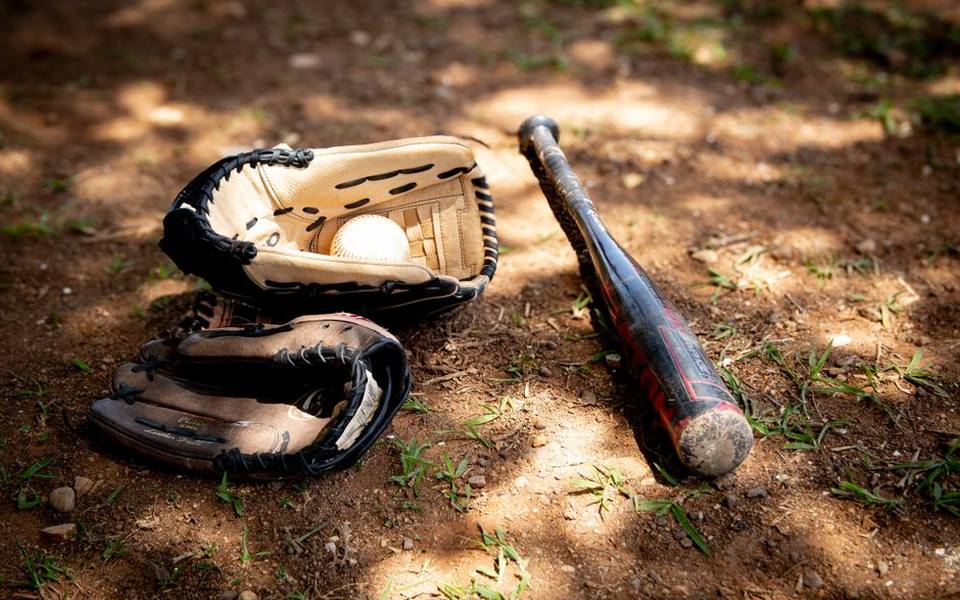
Traffic flow inside the building dictates how smoothly your event will run, especially if you have groups rotating between different stations. If participants must squeeze past live cages to reach a restroom or seating bench, safety risks rise and schedules stall. You will want clear boundary lines between the live swinging bays and the social staging spots so that non-hitting guests can cheer on colleagues without crowding the active batter.
Year-round weather protection is another primary consideration, making climate-controlled indoor batting cages the preferred option for corporate planning committees that cannot risk a rainout. Indoor venues maintain predictable lighting and temperature conditions, which is essential if you plan to plug in sound systems, set up presentation easels, or lay out buffet tables for an extended gathering.
Take note of sound dynamics when doing an initial walk-through. Metal bats striking leather balls inside an enclosed metal building create sharp acoustic spikes that can overpower normal speaking voices. If your itinerary involves spoken announcements or group instructions, ensure the facility offers an isolated briefing room or has a reliable public address system that cuts clearly across the turf.
Dynamic Activity Formats That Get Everyone Moving
Designing productive group sessions means avoiding repetitive drills that cater only to experienced athletes while leaving beginners on the sidelines. Effective activity ideas for team building focus on collective scoring systems, cooperative targets, and low-pressure mechanics that reward effort over skill. When colleagues rally around a shared score rather than individual batting prowess, the energy of the entire room lifts immediately.
One proven approach is setting up zone-based target competitions inside the cages. By hanging hanging vinyl banners or placing large target buckets throughout the netting, you turn standard hitting into an arcade-style points challenge. Each participant takes a set number of pitches, attempting to direct grounders or soft line drives toward specific scoring zones that add points to their squad's cumulative tally.
Relay-style challenges also work exceptionally well for mixed-ability groups because they incorporate non-swinging roles like ball retrieval, pitch selection, and strategy tracking. Teams can compete to see who can cleanly field rolling balls, coordinate rapid ball returns, or solve brief mental puzzles between cage rotations. This structure guarantees that every team member contributes to victory, regardless of athletic background.
Blending Business Agendas into Meeting Exercises
Bridging corporate objectives with physical activity requires thoughtful timing rather than an abrupt switch between work and play. Instead of running a full-day seminar followed by an exhausted hour in the cages, consider interspersing team building meeting ideas throughout the day. Breaking complex operational discussions into shorter segments separated by physical movement helps people retain focus and prevents mental fatigue from settling in.
You can introduce simple team building meeting exercises right on the turf to illustrate specific business communication points. For example, have two-person pairs work together where one partner describes a visual target in the batting tunnel while the other, wearing blindfolded goggles before stepping into the cage, attempts a stationary tee swing guided solely by verbal cues. This exercise vividly highlights clarity of instruction and cross-departmental trust.
Another effective format involves small-group breakout discussions held directly in open team bays. Give each squad ten minutes to resolve a specific operational question or brainstorm workflow improvements, then have them present their takeaway before taking their round in the tunnel. Physical movement releases tension, leading to more candid, authentic conversations than those typically heard in sterile boardroom environments.
Designing Challenges for Management Teams
Mid-level managers face unique pressures related to resource allocation, task delegation, and conflict mediation between frontline staff and senior leadership. When curating management team building ideas, focus on scenarios that mimic these real-world organizational constraints in a controlled athletic setting. The goal is to highlight how managers handle unexpected variables and support their peers under clear time restrictions.
Effective management team building activities often involve asymmetric resource challenges inside the cages. For example, give management squads a limited pool of swings or pitches and task them with distributing these resources across members based on individual strengths and target difficulty. Forcing leaders to assign roles, evaluate real-time capability, and adapt their plan after missed targets mirrors project management trade-offs.
Peer-coaching exercises also offer deep managerial value. Pair leaders up and task one with observing a peer taking swings, focusing on offering constructive, real-time adjustments without micromanaging. Analyzing performance from the sidelines builds patience and improves active listening skills, which managers can immediately apply when coaching their direct reports back at the office.
High-Impact Retreat Exercises for Executives
Executive teams require an event format that respects their time while delivering intellectual depth alongside physical activity. Generic party games often fall flat with senior leadership, so executive team building ideas should prioritize strategic analysis, high-level alignment, and low-friction engagement. Reserving a private wing of a facility allows leaders to speak candidly about company direction in total privacy.

Modern sports technology offers remarkable tools for executive team building exercises. Advanced tracking systems, pitch-tracking monitors, and high-speed video analysis available at top-tier baseball and softball training facilities allow executives to interact with performance metrics in real time. Analyzing swing data or pitch trajectories provides a fascinating, tangible case study on how measurement, feedback loops, and incremental adjustments drive overall output.
Tailored executive team building activities can also incorporate private coaching sessions led by facility staff. Working with professional instructors who specialize in hitting lessons lets executives step out of their customary leadership roles and adopt a learner's mindset. Experiencing the vulnerability of learning a technical skill alongside peers reinforces mutual respect and creates shared memories that last well beyond the off-site.
Organizing a Profitable Hit-a-Thon Fundraiser
Running a sports-centered charity challenge provides local leagues, schools, and non-profits with an engaging alternative to traditional bake sales or car washes. A baseball hit a thon fundraiser works by having participants solicit monetary pledges from family, friends, and neighborhood businesses based on their performance at the plate. Because it ties financial contributions directly to action, donor excitement stays high from start to finish.
To structure a smooth hit a thon fundraiser, establish clear pledge categories well in advance of the event date. Donors can pledge a flat donation or commit a specific dollar amount per foot of ball travel, per target hit, or per fair ball put in play over ten pitches. Providing online pledge forms allows participants to collect donations digitally, drastically cutting down on the manual paperwork required from event volunteers.
Managing the physical flow during the fundraiser is vital to keeping energy high and lines moving. Schedule age groups or teams in dedicated time slots, giving each hitter two practice cuts followed by five scored swings. Appoint neutral judges armed with measuring wheels or laser distance finders to record scores accurately, and maintain a visible leaderboard near the concession stand to spur friendly competition.
Adult Team Parties and Social Game Formats
Planning an adult birthday, department social, or recreational club party at an athletic facility requires a balance between competitive games and relaxed downtime. People want to participate at their own comfort level without feeling obligated to perform. Choosing engaging team party games for adults ensures that casual attendees have as much fun cheering from the sidelines as competitive players have in the cage.
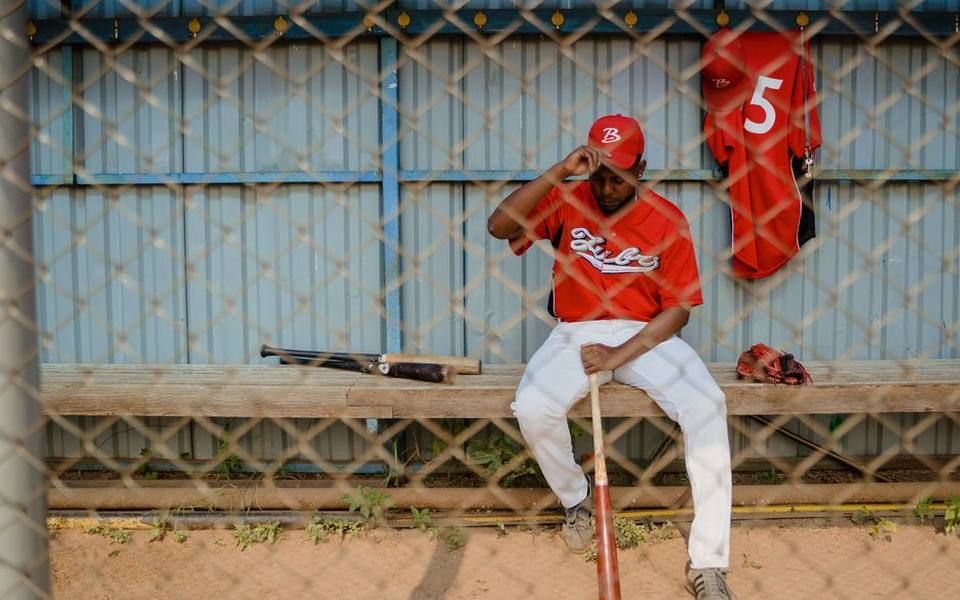
Slow-pitch softball cages and oversized foam ball games are universal crowd-pleasers because they minimize the hand-sting and intimidating velocity associated with standard hardballs. You can set up a modified home run derby where batters swing at slow-moving pitches, attempting to hit designated backstop banners. Pairing this with lighthearted background music keeps the atmosphere social and upbeat rather than intensely cutthroat.
Another crowd favorite is baseball trivia relay, where participants answer sports or pop-culture questions before earning their turn in the tunnel. Combining mental challenges with physical swings levels the playing field, allowing non-athletic participants to earn valuable points for their team. Always ensure there are plenty of folding chairs, high-top tables, and refreshment zones adjacent to the cages so non-batters can mingle easily.
Navigating Venue Booking, Logistics, and Catering
Securing an athletic venue requires earlier outreach than booking a standard dining room, particularly during peak spring and winter training months. Facilities typically reserve their prime evening and weekend hours for travel teams, so corporate planners should consider weekday mornings or early afternoons for better rates and total facility exclusivity. Ask management if they offer discounted full-facility buyout packages for corporate functions.
Review the facility's outside food and beverage policies before signing any rental agreement. While some venues allow open catering, pizza deliveries, or on-site food trucks in their parking lots, others partner exclusively with specific vendors or limit alcohol consumption entirely. Clarifying these rules upfront ensures you can plan a menu that matches your event's casual tone without encountering unexpected cleanup surcharges.
Insurance and liability waivers represent a crucial administrative step when organizing physical group events. Most commercial facilities require every attending adult to sign an individual waiver before stepping onto the synthetic turf or entering a batting tunnel. Streamline your arrival process by requesting digital waiver links ahead of time so attendees can complete them on their smartphones before arriving at the venue.
Safety Standards and Inclusivity for All Skill Levels
Safety is paramount whenever a group includes individuals who have not picked up a bat since childhood. Every event should begin with a mandatory five-minute safety briefing led by facility staff or the event coordinator. Reiterate basic guidelines clearly: helmets must stay on inside the cages at all times, only one person is permitted in a batting tunnel while the machine is live, and observers must remain behind protective netting.
Accommodating participants of all athletic levels requires offering adjustable machine speeds and alternative equipment options. Ensure the facility provides soft-core balls, lightweight composite or plastic bats, and slow-pitch machine settings alongside standard hardball tunnels. When guests realize they can take gentle swings without worrying about high-velocity pitches or painful bat vibration, participation rates soar across the board.
Create structured non-swinging roles so that everyone feels integral to the group's success regardless of physical comfort. Attendees who prefer not to bat can act as official scorekeepers, pitch-speed radar operators, team photographers, or target spotters. Emphasizing that celebration and peer support are just as valuable as hitting home runs ensures an inclusive, morale-boosting day for the entire organization.
Published 2026-09-21 · reviewed with each rebuild, last October 2026.
Find batting cages & baseball training near you
The directory lists 7,750 batting cages & baseball training by state and city — pick your state or use the “Near me” button in the header.
More guides
-
 Owning
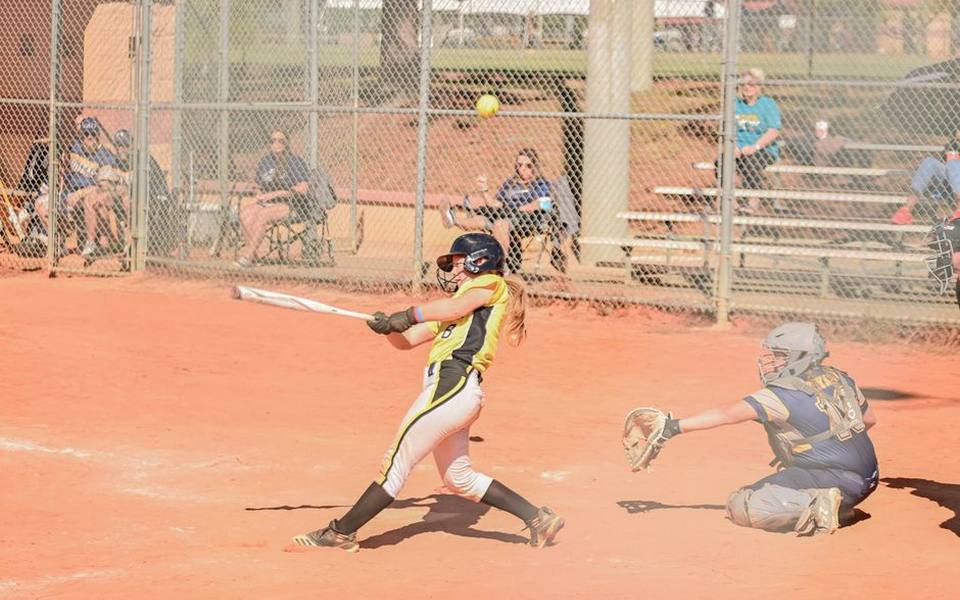
Mastering Softball Mechanics: From Cage Drills to Game-Day Power
-
 Money
MoneyUnderstanding the Expenses of Renting and Building Batting Cages
-
 Safety
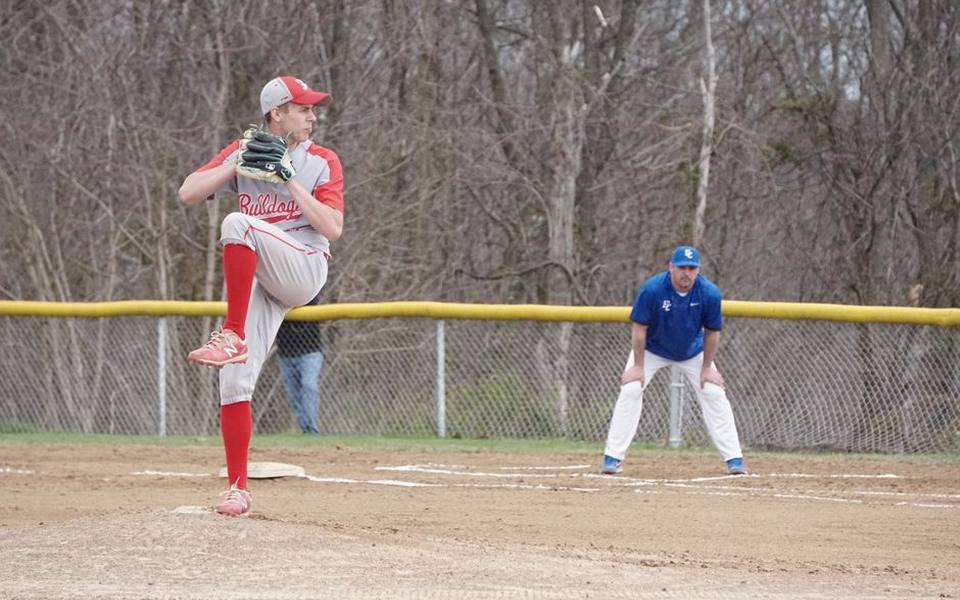
Pitching Mechanics: How to Throw Breaking Balls and Build Arm Velocity
-
 Service
Fundamental Swing Mechanics and Handling Breaking Pitches
-
 Owning
Slow Pitch Softball Hitting Guide: Mechanics for Power and Contact
-
 Owning
Building a Consistent Softball Swing: Mechanics, Drills, and Practice Routines
-
 Safety
Pitching Mechanics: Throwing Breaking Pitches and Building Velocity Safely
-
 Owning
Understanding Travel Baseball: Costs, Commitments, and Evaluating the Fit
-
 Buying
Ultimate Guide to Batting Cages and Hitting Nets: Types, Sizing, and Setup
-
 Safety
Youth Baseball Rules: Field Dimensions, Pitch Limits, and Age Brackets
-
 Owning
Batting Practice Essentials: Pitching Machines, Hitting Drills, and Training Equipment
-
 Buying
Baseball & Softball Bat Buying Guide: Sizing, Materials, Certifications, and Custom Options
-
 Owning
Agility Ladder Workouts and Footwork Drills for Baseball and Softball
-
 Safety
Protective Baseball Gear Guide: Catchers Gear, Thumb Guards, and Helmet Sizing
-
 Owning
Baseball & Softball Glove Guide: Sizing, Break-In, Relacing, and Maintenance
-
 Buying
Official MLB and Minor League Team Stores: Buying Authentic Fan Gear
-
 Service
Understanding Baseball Sabermetrics: Core and Advanced Stats Explained
-
 Service
Corporate Team Building Guide: Outings, Events, and Venue Selection
-
 Buying
A Complete Guide to Ordering Custom Baseball Uniforms and Team Apparel
-
 Buying
Custom Sports Jerseys Guide: Outfitting Soccer, Track, Volleyball, and Football Teams
-
 Owning
Complete Little League Guide: Schedules, Divisions, Rules, and Grants
-
 Buying
Local Sporting Goods Stores: Finding Gear, Trade-Ins, and Used Bats
-
 Buying
Baseball Birthday Party Ideas: Decorations, Supplies, and Themes
-
 Service
Youth Baseball and Softball Camps: Showcases, Academies, and Clinics
-
 Buying
Custom Fan Apparel and Varsity Jackets: Customization and Sizing
-
 Safety
Youth Pitching Arm Safety: Treating Little League Elbow and Shoulder Injuries
-
 Buying
Custom Baseball and Softball Uniforms: Design, Sublimation, and Ordering Guide
-
 Owning
Youth Baseball and T-Ball Drills: Practice Plans for Coaches and Parents
-
 Safety
Youth Baseball Sizing Guide: Batting Helmets, Gloves, and Protective Gear
-
 Buying
Commercial and Backyard Pitching Machines: Buyer's Guide and Field Maintenance
-
 Service
How to Choose and Enroll in Baseball and Softball Training Camps
-
 Service
Baseball & Softball Hitting Instruction, Swing Tech & Private Coaching Guide
-
 Safety
Baseball & Softball Helmet Sizing and Fit Guide
-
 Owning
How to Build and Outfit a Batting Cage and Hitting Facility
-
 Service
Baseball & Softball Glove Relacing, Restringing, and Care Guide
-
 Safety
Catcher's Gear Sizing, Protection, and Defensive Blocking Mechanics
-
 Service
Baseball Camps, Youth Academies, and Showcase Tryouts Guide
-
 Owning
Adult Baseball, Softball, and Backyard Leagues: A Complete Guide to Modern Formats
-
 Service
Softball Mechanics, Pitch Grips, and Gear Sizing Guide