Understanding Athletic Cut Versus Streetwear Sizing
Finding the correct size in customized apparel begins with recognizing that authentic sportswear is patterned around athletic padding and extreme physical movement. Unlike everyday casual wear, an athletic top or letterman piece often features tailored shoulders, drop-tail hemlines, or oversized chest measurements designed to accommodate gear beneath the fabric. When you add custom names and numbers to these pieces, the fabric stiffens slightly around the application zones, which reduces natural stretch across the back and chest.
Pro cut garments generally run larger through the chest and armholes than off-the-rack tees, though modern streamlined cuts have begun narrowing this gap over recent seasons. If you plan to wear your garment over a heavy hoodie during late autumn tailgates, you typically need to size up by at least one full grade. Conversely, modern fashion-focused fan gear tends to feature a true-to-size or slightly tapered silhouette that mirrors standard retail jackets and shirts.
Customized apparel is rarely returnable once personal names, retired player designations, or custom digits are permanently stitched or heat-pressed onto the shell. Because custom production runs are definitive, measuring an existing well-fitting piece from armpit to armpit and down the back collar gives you the most reliable baseline before placing an order.
Classic Letterman Cuts and Varsity Outerwear Construction
Traditional varsity custom jackets rely on heavy melton wool bodies paired with genuine or synthetic leather sleeves, creating a rigid structure that demands precise sizing. Men's custom varsity jackets typically feature broad, dropped shoulders and heavy knit ribbing at the collar, cuffs, and waistband. The waistband knit is designed to sit snugly against the hip, which can cause the wool body to blouse upward if the torso length is selected too short.
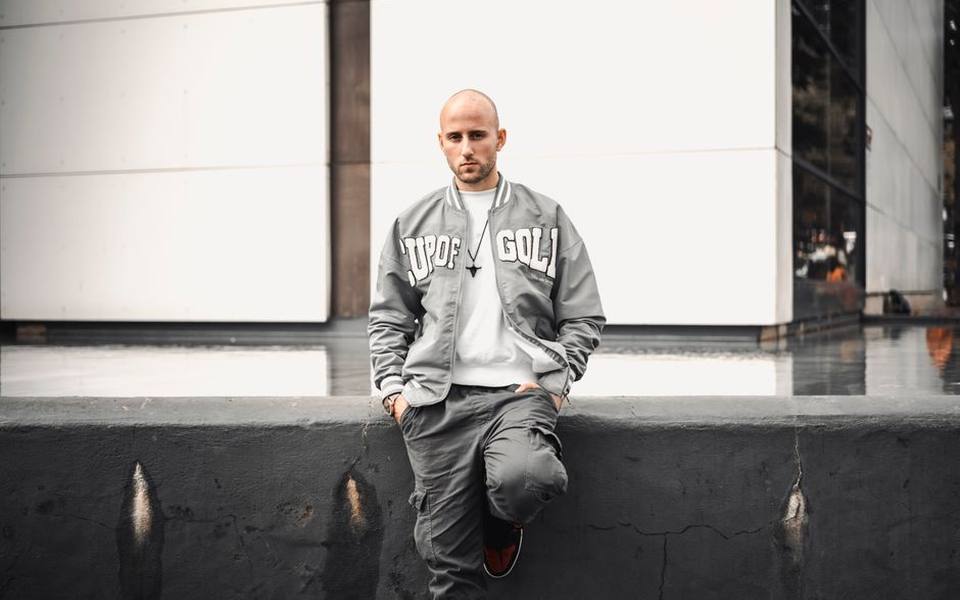
When customizing a letterman piece, weight distribution plays a substantial role in long-term comfort. Melton wool is naturally dense, often weighing between twenty-four and twenty-six ounces per yard, which provides warmth but limits mechanical flexibility around the armscye. Adding chenille chest initials, embroidered back arched lettering, and leather pocket welts adds localized stiffness, meaning the garment will feel noticeably firmer than an unadorned casual bomber.
Sleeve length requires special attention because leather sleeves cannot be easily hemmed without disassembling the knit cuffs and interior lining. Sizing up for sleeve length often results in an overly baggy chest, whereas sizing down can restrict wrist movement when reaching forward. Taking a sleeve measurement from the base of the neck across the shoulder point down to the wrist bone ensures the cuff sits cleanly without bunching.
Custom Football Tops and Gridiron Nameplate Standards
Gridiron apparel spans several construction tiers, ranging from lightweight polyester fan tops to elite hand-stitched field editions. Those seeking a custom cowboys jersey often encounter traditional navy, royal, and white fabric bases that use contrasting shoulder star patterns and distinct screen-printed or twill numbers. Dallas styles frequently utilize a tailored fit through the torso, meaning fans who prefer an airy feel often step up a size.
For supporters ordering custom philadelphia eagles jerseys, the midnight green hue presents unique textile challenges that require careful color matching across sewn nameplates and sleeve graphics. The shoulder yokes on these pieces are cut wide to mimic real pads, while modern fan iterations taper sharply near the waist. Depending on the manufacturer tier, the numerals may be single-layer screen printed or dual-layer tackle twill sewn directly through the front panel.
Nameplate conventions on pro football gear are subject to strict league licensing regulations and character length caps. Most production houses cap back names between ten and fourteen characters, with spaces and hyphens counting against your total limit. Choosing an obscure nickname or longer family surname may cause letters to be condensed horizontally, which changes the visual balance of the back yoke.
Northern and Southern Gridiron Fits and Detailing
Regional weather patterns frequently dictate how fans choose to size their customized tops. Ordering a minnesota vikings custom jersey usually means planning for cold indoor-outdoor transitions, where purple and gold tops are frequently worn over heavy thermals or winter parkas. A proper vikings custom jersey typically features distinct matte numbering with vivid yellow accents, and choosing a roomier chest cut prevents the twill from puckering when layered over fleece.
Down south, where humidity dominates early-season matchups, fabrics demand superior breathability and moisture-wicking synthetic fibers. A custom new orleans saints jersey relies on deep black, metallic old gold, and crisp white panels, often utilizing open mesh side inserts to keep air circulating. The metallic gold thread used in customized Saints numbering is slightly denser than standard poly twill, which means the chest graphic holds its shape firmly during warm-weather wears.
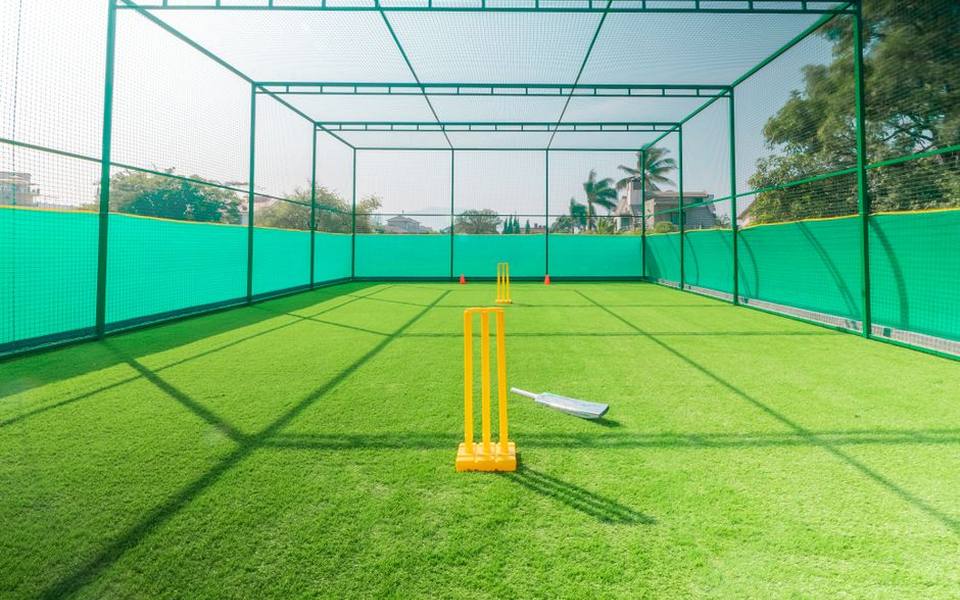
When training or gearing up for the season at local recreational parks or nearby batting cages in Texas, choosing breathable, lighter-weight jerseys makes athletic drills much more manageable. Selecting the right fit depends largely on your intended use: casual game viewing allows for a standard cut, whereas active practice demands unhindered arm mobility.
Diamond Button-Down Tailoring and Baseball Fabrics
Baseball tops bring a distinctly different fit profile due to full button fronts and set-in sleeves that allow a complete overhead throwing motion. A custom cubs jerseys project usually centers on the iconic blue pinstripes or the clean road gray template, complete with the circular walking bear sleeve emblem. Because the button placket runs the entire length of the chest, a jersey that is too small will gap between the buttons, exposing your undershirt.
Along the Pacific coast, fans ordering a seattle mariners custom jersey often balance the historic northwest green, navy, and metallic silver color scheme against modern breathable mesh weaves. Mariners lettering frequently utilizes a dual-color bevel stitch that adds weight down the center chest. Sizing should account for torso length, as traditional baseball shirts feature a scooped tail designed to be tucked into athletic pants or worn loose over jeans.
Visiting professional training complexes or regional batting cages in Illinois gives athletes and fans alike a hands-on perspective on how these performance fabrics stretch under load. Moisture-wicking engineered knits have largely replaced rigid double-knit polyesters, providing greater stretch across the ribs while maintaining structural stability for stitched nameplates.
Casual Jersey Shirts and Hybrid Fan Tops
For daily casual wear, heavy wool jackets and expensive game-day tops can feel impractical, driving demand toward lightweight hybrid alternatives. Selecting custom jersey shirts gives you the graphic appeal of a traditional sports uniform with the easy-care convenience of a soft ringspun cotton or blended poly tee. These tops eliminate button gaps, heavy stitching, and stiff collars in favor of clean neckbands and screen-printed player graphics.
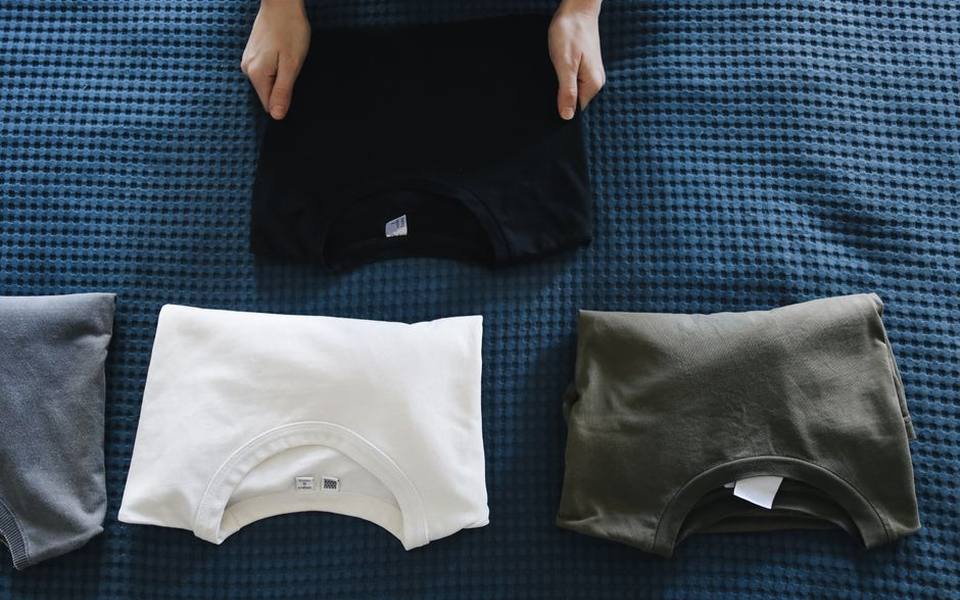
Fans designing custom lakers shirts often choose breathable mesh sleeveless tees or heavyweight purple-and-gold crewnecks featuring custom back names and drop-shadow numerals. Unlike stitched garments, shirt graphics are applied using water-based inks, vinyl transfers, or direct-to-garment printing, allowing the garment to drape naturally around the body without pulling or puckering.
Whether you are heading out for shooting practice or hitting an hour of swings at batting cages in California, hybrid shirts hold up well against sweat and repeated washing. They are typically cut with standard streetwear measurements, meaning you can comfortably buy your usual daily t-shirt size without adjusting for under-layers.
Budget Considerations and Affordable Customization Methods
Building a personalized wardrobe can quickly become costly, prompting many fans to seek out the cheapest custom jerseys available across online outlets. The total cost of custom fan apparel depends on several clear factors: the base garment's material weight, whether graphics are pressed or sewn, and whether the blank is officially licensed or unbranded. Knowing where manufacturers trim production expenses helps you avoid fragile pieces that fall apart in the wash.
The most economical customized sports tops typically use heat-applied vinyl lettering rather than individually sewn tackle-twill patches. While heat-pressed graphics dramatically lower the purchase price, they are more vulnerable to creasing, edge-lifting, and drying-machine heat damage over time. Conversely, fully embroidered pieces carry higher price tags up front but survive years of tailgate wear and routine laundry cycles without degrading.
Budget-friendly blanks often compromise on stitch density around the collar and sleeve hems, which can cause twisting after a few washes. If you are ordering multiple tops for an amateur recreational club or family tournament, opting for blank athletic mesh bases customized via single-color sublimation generally provides the best intersection of low cost, long-term durability, and wash fastness.
Body Measurements and Size Chart Verification
To guarantee an accurate fit on customized orders, never rely strictly on generic sizing tags like Medium or Extra Large across different apparel categories. Use a soft tailor's tape to take three core measurements: chest circumference under the armpits, center back length from neck seam to hem, and sleeve length from the center collar to the cuff edge. Write these down in both inches and centimeters before comparing them against an online size guide.
When reading manufacturer charts, verify whether the measurements listed represent actual human body dimensions or flat-lay garment dimensions. Flat-lay numbers reflect the garment resting smooth on a table; doubling the armpit-to-armpit measurement gives you the total chest allowance of the clothing. A garment typically needs two to three inches of ease beyond your physical chest size to allow normal breathing, sitting, and arm rotation.
Torso length is another critical dimension that varies dramatically between brands and apparel types. Baseball button-downs and football fan shirts are cut long to prevent untucking during movement, whereas men's varsity custom jackets sit directly on or slightly above the belt line. If you have a longer torso, looking for dedicated tall sizing prevents the jacket waistband from riding uncomfortably high.
Application Techniques for Patches and Lettering
The visual character and tactile feel of customized outerwear depend heavily on the application technique used for typography and team iconography. Traditional varsity jackets utilize chenille patches, which feature raised, wool-loop yarn designs stitched onto a stiff felt backing. These patches give jackets their signature vintage texture, but their density prevents the wool chest fabric from stretching, necessitating a roomy cut through the front panels.
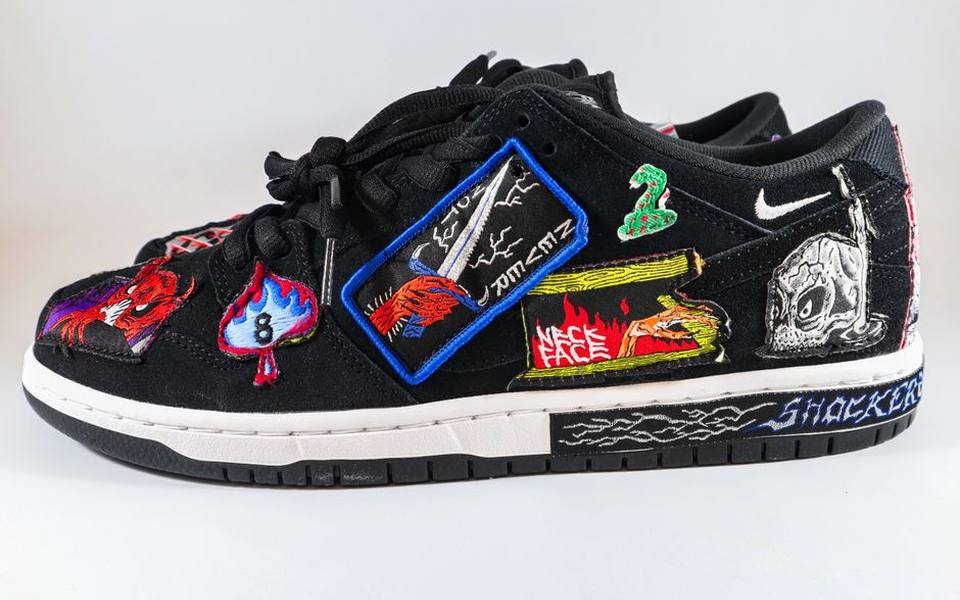
Professional field jerseys generally rely on tackle twill lettering, where woven polyester fabric is laser-cut into letters and stitched around the borders using a tight zigzag or satin stitch. Tackle twill resists fraying, holds up against moisture, and keeps crisp lines across hundreds of wears. Budget tops, by contrast, frequently employ screen-print transfers or single-layer polyurethane film that can crack if pulled tight across a broad chest.
Those inspecting gear after practice sessions at sports centers or batting cages in Pennsylvania will notice that higher-tier garments reinforce lettering borders with heavy thread anchoring. Checking whether numbers are single-stitched or dual-color layered helps you evaluate whether the customization will remain flat or curl at the edges after cleaning.
Long-Term Care and Preservation of Custom Fan Apparel
Maintaining custom sports apparel requires distinct cleaning routines based on the shell composition and graphic application methods. Wool and leather varsity jackets should never be placed in household washing machines or home tumble dryers. The agitation shrinks woven wool fibers and strips essential natural oils from leather sleeves, causing them to stiffen and crack; localized spot cleaning and professional leather-specialist dry cleaning are required.
Polyester mesh tops, including football, baseball, and basketball replicas, should always be washed inside out in cold water on a gentle cycle. Turning the shirt inside out protects twill numbers and vinyl graphics from rubbing against the metal zippers, buttons, or rough textures of other items in the load. Avoid chlorine bleach and heavy liquid fabric softeners, as softeners break down synthetic moisture-wicking coatings and loosen heat-activated adhesives.
Air drying is mandatory for almost all customized jerseys and athletic shirts. The extreme heat generated by standard commercial and home drying machines causes heat-pressed vinyl to warp and tackle-twill stitching to shrink faster than the base mesh, producing unsightly wrinkles around numbers. Hanging your gear on wide wooden or plastic hangers away from direct sunlight preserves fabric color and keeps lettering smooth.
Published 2026-09-21 · reviewed with each rebuild, last October 2026.
Find batting cages & baseball training near you
The directory lists 7,750 batting cages & baseball training by state and city — pick your state or use the “Near me” button in the header.
More guides
-
 Owning
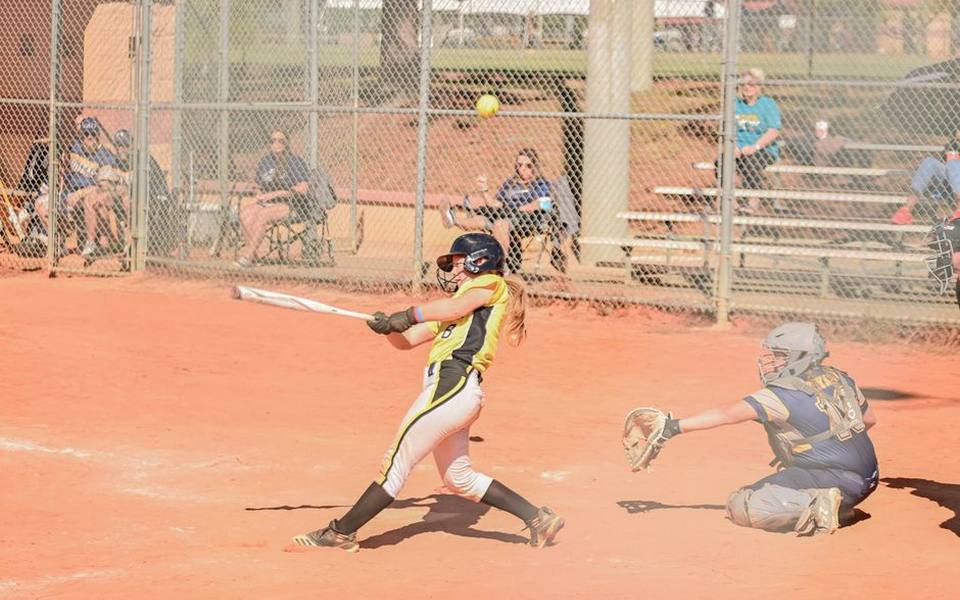
Mastering Softball Mechanics: From Cage Drills to Game-Day Power
-
 Money
MoneyUnderstanding the Expenses of Renting and Building Batting Cages
-
 Safety
Pitching Mechanics: How to Throw Breaking Balls and Build Arm Velocity
-
 Service
Fundamental Swing Mechanics and Handling Breaking Pitches
-
 Owning
Slow Pitch Softball Hitting Guide: Mechanics for Power and Contact
-
 Owning
Building a Consistent Softball Swing: Mechanics, Drills, and Practice Routines
-
 Safety
Pitching Mechanics: Throwing Breaking Pitches and Building Velocity Safely
-
 Owning
Understanding Travel Baseball: Costs, Commitments, and Evaluating the Fit
-
 Buying
Ultimate Guide to Batting Cages and Hitting Nets: Types, Sizing, and Setup
-
 Safety
Youth Baseball Rules: Field Dimensions, Pitch Limits, and Age Brackets
-
 Owning
Batting Practice Essentials: Pitching Machines, Hitting Drills, and Training Equipment
-
 Buying
Baseball & Softball Bat Buying Guide: Sizing, Materials, Certifications, and Custom Options
-
 Owning
Agility Ladder Workouts and Footwork Drills for Baseball and Softball
-
 Safety
Protective Baseball Gear Guide: Catchers Gear, Thumb Guards, and Helmet Sizing
-
 Owning
Baseball & Softball Glove Guide: Sizing, Break-In, Relacing, and Maintenance
-
 Buying
Official MLB and Minor League Team Stores: Buying Authentic Fan Gear
-
 Service
Understanding Baseball Sabermetrics: Core and Advanced Stats Explained
-
 Service
Corporate Team Building Guide: Outings, Events, and Venue Selection
-
 Buying
A Complete Guide to Ordering Custom Baseball Uniforms and Team Apparel
-
 Buying
Custom Sports Jerseys Guide: Outfitting Soccer, Track, Volleyball, and Football Teams
-
 Owning
Complete Little League Guide: Schedules, Divisions, Rules, and Grants
-
 Buying
Local Sporting Goods Stores: Finding Gear, Trade-Ins, and Used Bats
-
 Buying
Baseball Birthday Party Ideas: Decorations, Supplies, and Themes
-
 Service
Youth Baseball and Softball Camps: Showcases, Academies, and Clinics
-
 Safety
Youth Pitching Arm Safety: Treating Little League Elbow and Shoulder Injuries
-
 Buying
Custom Baseball and Softball Uniforms: Design, Sublimation, and Ordering Guide
-
 Owning
Youth Baseball and T-Ball Drills: Practice Plans for Coaches and Parents
-
 Safety
Youth Baseball Sizing Guide: Batting Helmets, Gloves, and Protective Gear
-
 Buying
Commercial and Backyard Pitching Machines: Buyer's Guide and Field Maintenance
-
 Service
How to Choose and Enroll in Baseball and Softball Training Camps
-
 Service
Baseball & Softball Hitting Instruction, Swing Tech & Private Coaching Guide
-
 Safety
Baseball & Softball Helmet Sizing and Fit Guide
-
 Owning
How to Build and Outfit a Batting Cage and Hitting Facility
-
 Service
Baseball & Softball Glove Relacing, Restringing, and Care Guide
-
 Safety
Catcher's Gear Sizing, Protection, and Defensive Blocking Mechanics
-
 Service
Baseball Camps, Youth Academies, and Showcase Tryouts Guide
-
 Owning
Adult Baseball, Softball, and Backyard Leagues: A Complete Guide to Modern Formats
-
 Service
Planning Team Building Events, Parties, and Fundraisers at Sports Venues
-
 Service
Softball Mechanics, Pitch Grips, and Gear Sizing Guide