Finding the Right Adult Recreational Diamond
Stepping into an adult softball league gives former scholastic athletes and complete beginners a reliable way to stay active, socialize, and enjoy organized team competition. Local park districts and private sports complexes organize dozens of formats each season, ranging from ultra-competitive upper-division wood bat leagues to coed weeknight slow pitch brackets. Selecting the right fit depends largely on your current physical conditioning, how much time you can commit to travel, and whether you want a laid-back atmosphere or a postseason tournament push.
Most municipal programs group adult divisions into clearly designated tiers such as competitive, intermediate, and purely social brackets. In an upper bracket, pitchers often throw with pinpoint accuracy, fielders possess college-level defensive range, and teams bring matching jerseys with dedicated sponsor support. Lower divisions focus far more on participation, rotating everyone into the batting lineup and encouraging equal defensive playing time regardless of previous experience.
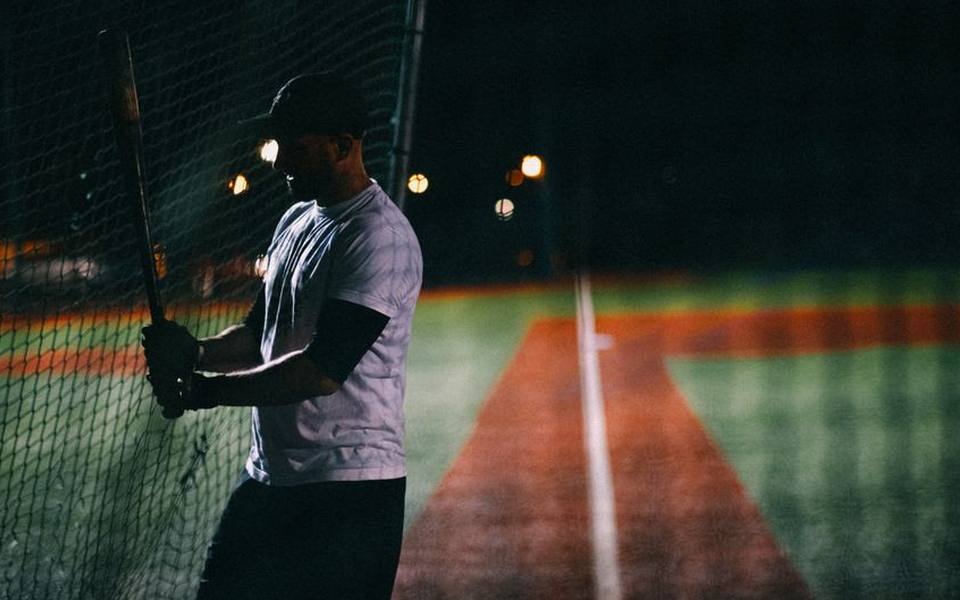
Before registering as an individual free agent or paying a full team entry fee, check the facility ground rules and seasonal schedules. Some leagues play doubleheaders on weeknights under municipal lights, while others reserve Sunday afternoons for full nine-inning baseball fixtures. Touring local complexes or taking batting practice at regional batting cages and hitting facilities before opening day will give you a clear sense of local diamond conditions and typical competition levels.
The Culture and Reality of Beer League Play
The traditional softball beer league occupies a unique cultural corner in adult amateur sports, blending genuine athletic effort with a relaxed, social post-game atmosphere. These circuits often prioritize team camaraderie over box-score precision, drawing co-workers, neighborhood groups, and old friends who want an evening away from their routine. While games can certainly get intense during tight late-inning situations, the prevailing expectation is good sportsmanship and a shared cooler in the parking lot once the final out is recorded.
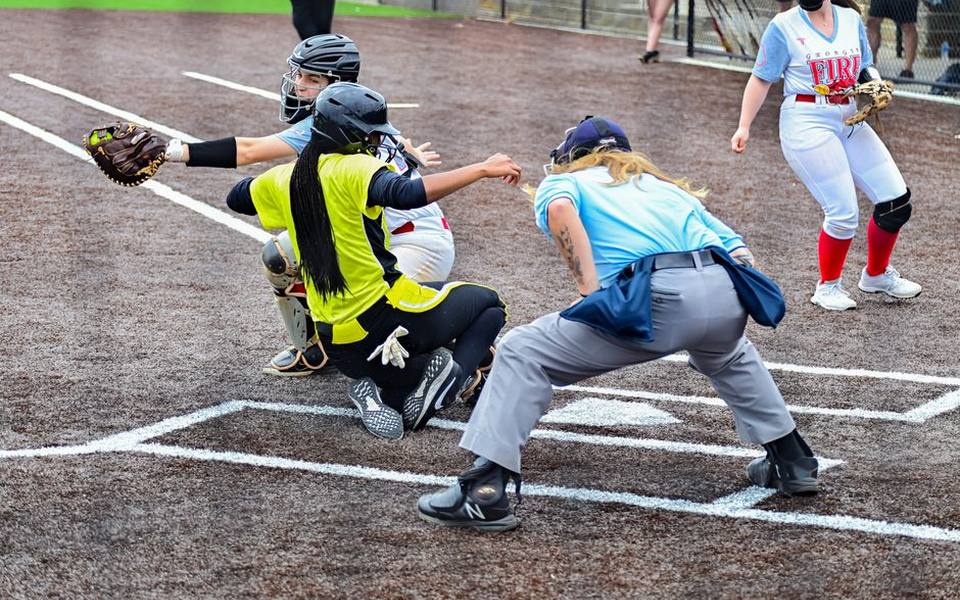
Park ordinances typically dictate how alcohol and refreshments are handled around the diamond. In many municipal facilities, local statutes strictly forbid open containers in the dugout or along the foul lines, requiring teams to keep social gatherings confined to designated picnic areas or off-site sponsor bars. Violating local complex rules can risk team forfeits or field permit revocations, so managers typically review city park codes thoroughly before setting up their post-game tailgates.
Field etiquette in casual adult groups is centered on mutual safety and respect for everyone who has to work the next morning. Sliding hard into second base, colliding with defensive players on bang-bang plays, or arguing aggressively with solo umpires is generally frowned upon. A healthy social squad keeps the dugout lighthearted, cheers solid plays on both sides of the ball, and recognizes that a dropped fly ball is just part of recreational evening recreation.
Core Slow Pitch Regulations and Field Setups
Understanding slow pitch rules is essential for any player transitioning from baseball or fastpitch softball. The defining element of slow pitch is the mandated pitching arc, which typically requires the delivered ball to reach a minimum height of around six feet and an apex usually capped between ten and twelve feet, depending on the sanctioning body. Flat pitches that do not meet the minimum arc or high trajectories that exceed the ceiling are immediately called illegal balls by the home plate umpire.
Strike zones in adult recreation are frequently modified to speed up game pace and reduce disputes between pitchers and hitters. Many casual circuits utilize a rubber plate extension mat placed directly behind home plate; if a legally delivered pitch with proper arc hits either the white plate or the rubber extension, it counts as an automatic strike. Additionally, leagues often enforce starting counts such as one ball and one strike on every batter, with a courtesy foul permitted after reaching two strikes before an out is assessed.
Base distances in slow pitch diamonds are typically set at sixty or sixty-five feet, creating very fast reaction windows for the infielders. Because base runners are not permitted to lead off or steal bases until the pitched ball crosses the plate or contacts the bat, the focus stays squarely on ball-in-play contact and defensive throwing accuracy. Roster rules also mandate an extra fielder, known as the short fielder or fourth outfielder, giving defenses greater coverage against gap line drives.
Safety Adaptations and Senior Division Guidelines
Senior softball rules introduce vital safety modifications designed to keep older athletes playing well into their fifties, sixties, and seventies without unnecessary injury. As natural sprint speeds decrease and joint concerns arise, leagues overseen by national senior associations alter the field layout to eliminate collisions at crucial bases. A second home plate is installed adjacent to the primary plate, requiring base runners to cross the scoring line while catchers tag only the original plate to register an out.
Commitment lines are another hallmark of senior diamond configurations, usually painted across the third-base baseline roughly twenty to thirty feet before home. Once a runner crosses this intermediate mark, they are entirely committed to advancing to the scoring plate and can no longer retreat to third base, transforming the play at home into a pure force out. Double first bases are also mandatory, providing an orange runner bag in foul territory to prevent defensive stepping collisions.
Pitching safety receives equal attention in modern senior leagues, with many organizations requiring pitchers to throw from behind a portable safety screen placed a few feet in front of the rubber. Bat restrictions are also heavily regulated; while senior-stamped composite bats offer tremendous pop, balls with specific lower compression ratings are often introduced to keep exit velocities at manageable levels for infielders reacting at sixty feet.
Youth Transitions and Intermediate Field Dimensions
The bridge between youth baseball and full adult dimensions is one of the most critical phases in athletic development. In traditional youth baseball, the standard diamond features forty-six-foot pitching distances and sixty-foot base paths, which can suddenly feel claustrophobic for rapidly growing twelve- and thirteen-year-olds. Addressing this physical leap, the little league intermediate division introduces a fifty-foot pitching mound and seventy-foot base paths, widely known throughout the country as the 50/70 transition format.
This intermediate format exposes rising players to true baseball fundamentals that were restricted on smaller fields, including leading off bases, pitcher pickoff attempts, dropped third strikes, and balk rules. Athletes learn how to read pitcher delivery motions from first base, calculate secondary leads, and adjust their defensive footwork for longer cross-diamond throws from third to first. It serves as an essential stepping stone before players transition to high school diamonds with standard sixty-foot-six-inch pitching mounts and ninety-foot base paths.
Communities often run summer baseball little league schedules that incorporate these intermediate dimensions alongside traditional recreation leagues. The warmer months provide ample daylight for extended doubleheaders and tournament showcases that test player conditioning. Parents and coaches looking to support players through this mechanical transition frequently schedule sessions at dedicated batting cages with hitting lessons so that young hitters can adapt their timing to faster pitching velocities and wider strike zones.
Backyard and Small-Sided Wiffle Ball Competitions
What started decades ago as an informal driveway pastime has matured into the modern, highly competitive wiffle ball league scene. Today, backyard enthusiasts and national tournament organizers build intricate, scaled-down stadiums complete with outfield fencing, yellow foul poles, and custom backstops. Because the perforated plastic ball drastically limits distance and exit speeds, competitive games can take place in small neighborhood parks, gymnasium floors, or standard suburban backyards without breaking windows or requiring expensive safety netting.
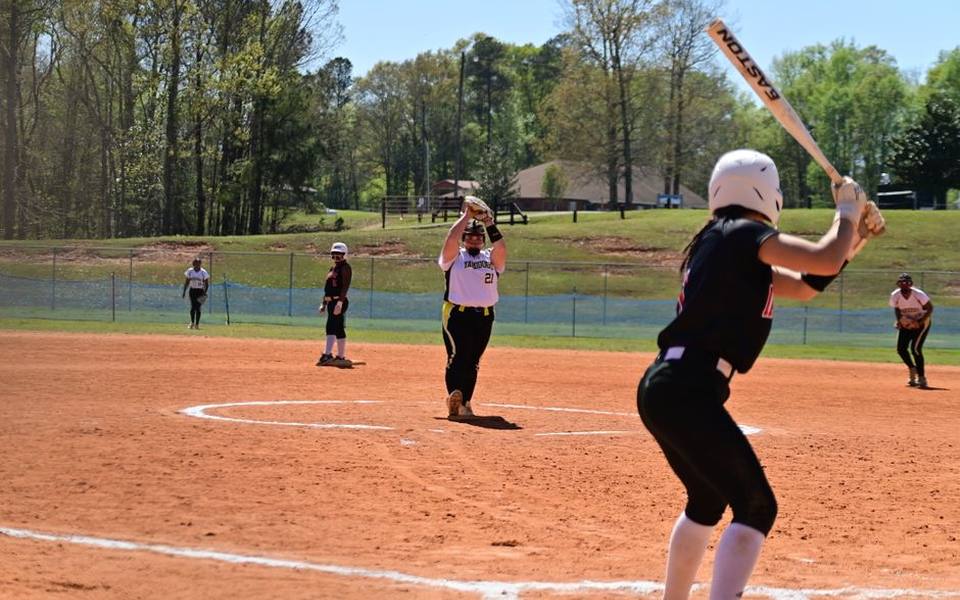
The ball’s unique aerodynamic properties allow throwers to generate severe movement that rivals professional breaking balls. Pitchers who learn proper grip pressure and slot release points can produce sharp screwballs, rising fastballs, and sweeping sliders that cross multiple feet of horizontal plane over a short thirty-five-foot distance. This creates an intense duel between batter and pitcher, forcing hitters to shorten their swings, look for pitch patterns, and make contact with lightweight plastic barrels.
League structures vary from casual three-on-three social gatherings to high-stakes weekend Invitationals featuring cash prizes and custom trophies. Field rules typically employ the classic ghost runner system when team sizes are small, awarding imaginary baserunners based on how far a batted ball travels past marked zones in the grass. A grounder past the pitcher might yield a single, while an untouched fly ball hitting the outfield perimeter fence is counted as a double or triple.
Dialing In the Wiffle Strike Zone Target
In competitive plastic ball games, the wiffle ball strike zone target eliminates the need for an umpire crouched behind the plate. This target is typically constructed from sheet metal, heavy plastic, or painted plywood mounted directly behind the batter on a durable frame of PVC pipe or welded conduit. Whenever a legal pitch makes contact with the target plate—producing a distinct metallic clang or plastic thump—the delivery is officially recorded as an automatic strike.
Standard dimensions for strike zone targets generally range between twenty and twenty-two inches wide and thirty to thirty-two inches tall, mounted roughly twelve to fourteen inches off the ground to emulate a standard knee-to-chest hitting window. Because a target can register strikes on grazing blows along the outer edges, pitchers frequently target the corners with breaking balls that break inward just late enough to clip the metal rim.
Building a reliable strike target requires sturdy ground anchoring, especially on windy afternoons when large flat surfaces can act like sails. Many competitive leagues weight the PVC bases with sandbags or drive rebar stakes into the dirt to keep the target perfectly perpendicular to home plate throughout all seven innings. Consistent target height ensures that every batter in the lineup receives an identical zone, reducing dugout debates over close calls.
High-Spin Plastic Games and Blitzball Tournaments
Over the past decade, alternative plastic ball designs have created an explosive subculture, headlined by the rapid rise of the organized blitzball tournament. Blitzball features a distinct geometric surface with patent-pending ridges rather than oblong holes, allowing the ball to achieve incredible rotational spin rates off a pitcher's fingers. When thrown with arm speed, the ball exhibits dramatic break, massive late sinking action, and curving trajectories that test even the sharpest adult athletic reflexes.
Tournaments are generally played on compact diamonds with outfield fences placed between ninety and one hundred and twenty feet from home plate. Batters swing specially engineered, lightweight composite or rigid plastic bats designed to withstand the higher velocities of blitzball deliveries without cracking. Because defensive fielding with slick plastic can be tricky, most tournament rules rely on marked fielding zones and pitcher-poison rules, where throwing the ball to the pitcher before a runner advances records a force out.
Preparing for competitive high-spin tournaments requires specific batting approaches that differ significantly from standard slow pitch softball or regulation baseball. Hitters must remain exceptionally patient, tracking the heavy spin axis as the ball leaves the hand and avoiding chases at pitches that start well outside the zone before breaking toward the plate. Many teams take preliminary batting reps inside indoor batting cages with pitching machines adjusted for short-distance hand-eye drills to hone their tracking skills.
Organizing Derbies and Selecting the Right Ball
Nothing draws a crowd at a summer tournament or company outing quite like an organized long-ball competition, where choosing the right homerun derby ball dictates both excitement and participant safety. In standard softball derbies, tournament directors select balls based on specific coefficient of restitution (COR) and compression specifications. A ball with a .44 COR and 375-pound compression will jump off high-performance bats with remarkable velocity, while lower-spec balls keep drives safely inside standard municipal fence lines.
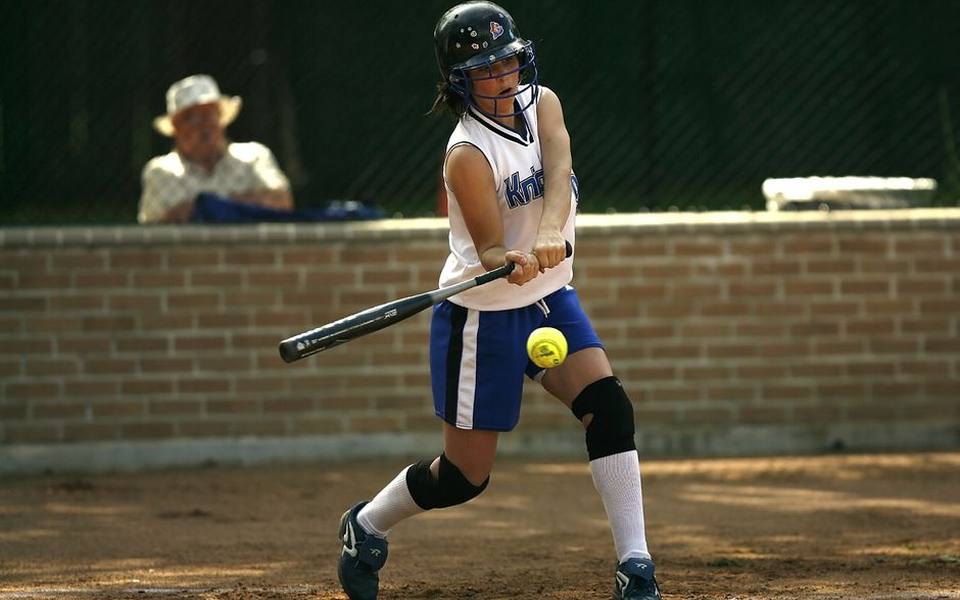
For baseball derbies, balls with raised seams give batting practice throwers greater grip and control, ensuring hitters receive predictable, flat pitches in their preferred hitting zones. Some adult events use poly-core balls with synthetic leather covers that retain their firm shape through hundreds of consecutive high-impact collisions, whereas standard wound wool balls can soften up quickly when repeatedly hammered with heavy adult composite and aluminum bats.
Event directors must carefully calibrate field boundaries against player power levels to ensure balls do not strike parked vehicles or neighboring recreational facilities. If your diamond lacks high outfield netting, restricting contestants to specific bat models or using slightly heavier, restricted-flight softballs keeps the contest competitive without risking damage outside the park perimeter. Clear scoring rules, such as awarding bonus points for hitting designated outfield targets, keep the contest entertaining for spectators.
Pre-Season Tuning and Off-Diamond Practice
Succeeding across any recreational baseball, adult softball, or competitive plastic ball format requires consistent muscle memory and regular bat speed maintenance. Adult players often struggle with timing during the early weeks of spring because their visual recognition has been dormant over the winter months. Incorporating dedicated cage work helps shake off offseason rust, rebuilds rotational core power, and prevents early-season shoulder and oblique strains that can sideline players for weeks.
Across the country, local ballplayers have extensive access to specialized training hubs. Directory listings highlight over 3,392 facilities across top states, giving players plentiful choices for self-service tunnels, pitch tracking, and tee-work stations. Booking cage time at commercial baseball and softball training facilities allows your squad to take game-speed cuts against machine pitching, dial in your swing path, and test newly purchased bats before stepping onto the diamond.
Consistent off-diamond practice also gives teams an opportunity to solidify their batting orders and establish baseline safety habits. Taking time to stretch, warm up throwing shoulders progressively, and review base-running signals transforms a disorganized group of weekend athletes into a cohesive, competitive unit. Whether your goal is a park district championship ring or simply sharing laughs with coworkers under the lights, thoughtful preparation ensures a rewarding, injury-free season.
Published 2026-09-21 · reviewed with each rebuild, last October 2026.
Find batting cages & baseball training near you
The directory lists 7,750 batting cages & baseball training by state and city — pick your state or use the “Near me” button in the header.
More guides
-
 Owning
Mastering Softball Mechanics: From Cage Drills to Game-Day Power
-
 Money
MoneyUnderstanding the Expenses of Renting and Building Batting Cages
-
 Safety
Pitching Mechanics: How to Throw Breaking Balls and Build Arm Velocity
-
 Service
Fundamental Swing Mechanics and Handling Breaking Pitches
-
 Owning
Slow Pitch Softball Hitting Guide: Mechanics for Power and Contact
-
 Owning
Building a Consistent Softball Swing: Mechanics, Drills, and Practice Routines
-
 Safety
Pitching Mechanics: Throwing Breaking Pitches and Building Velocity Safely
-
 Owning
Understanding Travel Baseball: Costs, Commitments, and Evaluating the Fit
-
 Buying
Ultimate Guide to Batting Cages and Hitting Nets: Types, Sizing, and Setup
-
 Safety
Youth Baseball Rules: Field Dimensions, Pitch Limits, and Age Brackets
-
 Owning
Batting Practice Essentials: Pitching Machines, Hitting Drills, and Training Equipment
-
 Buying
Baseball & Softball Bat Buying Guide: Sizing, Materials, Certifications, and Custom Options
-
 Owning
Agility Ladder Workouts and Footwork Drills for Baseball and Softball
-
 Safety
Protective Baseball Gear Guide: Catchers Gear, Thumb Guards, and Helmet Sizing
-
 Owning
Baseball & Softball Glove Guide: Sizing, Break-In, Relacing, and Maintenance
-
 Buying
Official MLB and Minor League Team Stores: Buying Authentic Fan Gear
-
 Service
Understanding Baseball Sabermetrics: Core and Advanced Stats Explained
-
 Service
Corporate Team Building Guide: Outings, Events, and Venue Selection
-
 Buying
A Complete Guide to Ordering Custom Baseball Uniforms and Team Apparel
-
 Buying
Custom Sports Jerseys Guide: Outfitting Soccer, Track, Volleyball, and Football Teams
-
 Owning
Complete Little League Guide: Schedules, Divisions, Rules, and Grants
-
 Buying
Local Sporting Goods Stores: Finding Gear, Trade-Ins, and Used Bats
-
 Buying
Baseball Birthday Party Ideas: Decorations, Supplies, and Themes
-
 Service
Youth Baseball and Softball Camps: Showcases, Academies, and Clinics
-
 Buying
Custom Fan Apparel and Varsity Jackets: Customization and Sizing
-
 Safety
Youth Pitching Arm Safety: Treating Little League Elbow and Shoulder Injuries
-
 Buying
Custom Baseball and Softball Uniforms: Design, Sublimation, and Ordering Guide
-
 Owning
Youth Baseball and T-Ball Drills: Practice Plans for Coaches and Parents
-
 Safety
Youth Baseball Sizing Guide: Batting Helmets, Gloves, and Protective Gear
-
 Buying
Commercial and Backyard Pitching Machines: Buyer's Guide and Field Maintenance
-
 Service
How to Choose and Enroll in Baseball and Softball Training Camps
-
 Service
Baseball & Softball Hitting Instruction, Swing Tech & Private Coaching Guide
-
 Safety
Baseball & Softball Helmet Sizing and Fit Guide
-
 Owning
How to Build and Outfit a Batting Cage and Hitting Facility
-
 Service
Baseball & Softball Glove Relacing, Restringing, and Care Guide
-
 Safety
Catcher's Gear Sizing, Protection, and Defensive Blocking Mechanics
-
 Service
Baseball Camps, Youth Academies, and Showcase Tryouts Guide
-
 Service
Planning Team Building Events, Parties, and Fundraisers at Sports Venues
-
 Service
Softball Mechanics, Pitch Grips, and Gear Sizing Guide