Planning Facility Footprint and Ceiling Clearances
Building a functional hitting tunnel begins with accurate measurements of your usable interior envelope. A full-length baseball tunnel designed for live throwing and realistic ball flight typically requires an enclosure roughly seventy feet long, fourteen feet wide, and at least twelve feet high. While high-arcing softball swings or high school fastballs can squeeze into shorter sixty-foot tunnels, reducing ceiling height below twelve feet severely limits swing trajectory and increases the likelihood of balls deflecting sharply off overhead fixtures or lighting conduit.
Clearance around the perimeter of the netting is just as critical as the space inside it. Heavy batted balls stretch nylon and polyethylene mesh outward upon impact, meaning nets must hang at least one to two feet away from structural warehouse walls, drywall, or steel columns. Leaving insufficient buffer space creates severe hazards, as balls punch through loose sag into rigid drywall or metal framing, causing immediate structural damage and violent ricochets back toward hitters and coaches.
When planning dedicated pitching lanes alongside hitting bays, consider how traffic flows between stations. Dividing a wide open footprint into multiple batting zones requires clear walkways behind the backstops so players can move without crossing active swing paths. Whether you are transforming a barn or outfitting modern indoor batting cages, establishing clear boundaries between observation zones, equipment staging, and active swinging lanes dictates long-term safety and daily workflow.
Selecting Netting Grades and Structural Cable Rigging
Choosing netting for a baseball net practice area involves balancing material composition, twine gauge, and ultraviolet resistance. High-density twisted knotted nylon remains the commercial standard because of its high tensile strength and abrasion resistance when subjected to thousands of daily impacts. Polyethylene netting serves well for youth applications or dry residential settings, but high-velocity batted balls will stretch and degrade lighter poly materials far faster than treated commercial nylon.
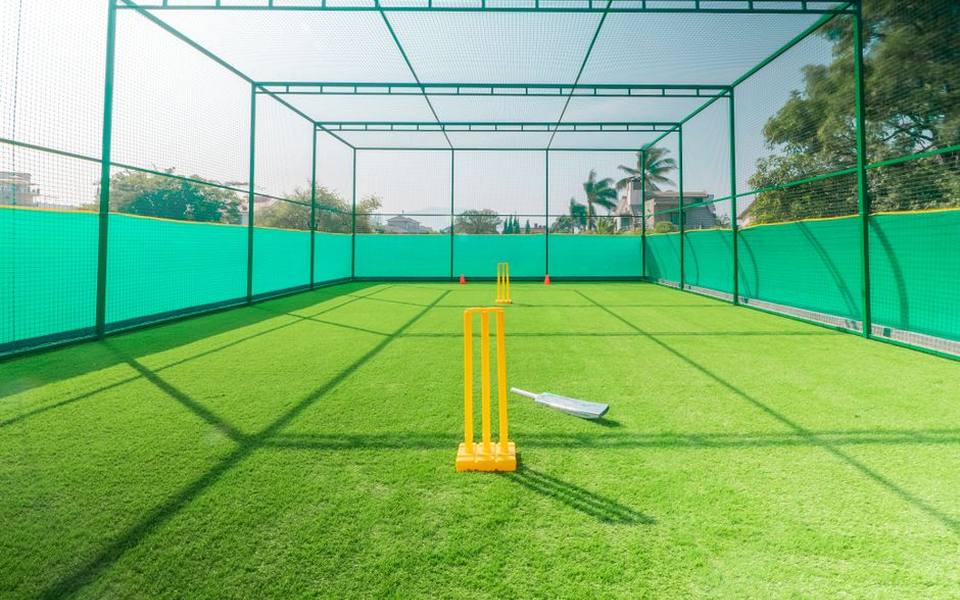
Twine size directly determines durability and cage longevity under heavy team use. Common youth cages often utilize number thirty-six netting, but standard high school, collegiate, and commercial tunnels typically mandate number forty-two or number sixty twine for primary backstops and direct impact zones. Installing a secondary high-density baffle net directly behind the batter's box takes the brunt of foul tips and miss-hits, saving your primary perimeter enclosure from premature wear and costly full-net replacements.
Rigging your netting requires heavy-duty aircraft cable rather than rigid pipe framing whenever ceiling height allows. Running three parallel overhead lines of quarter-inch galvanized steel cable—tightened with heavy-duty drop-forged turnbuckles anchored to structural building columns—creates a clean suspension grid. Netting clips or carabiners spaced every twelve inches along the top cables keep the mesh suspended uniformly, while allowing operators to slide nets aside like curtains to convert batting tunnels into open fielding turf.
Multi-Lane Commercial Layouts and Retractable Dividers
Designing a commercial baseball hitting facility requires spatial adaptability to maximize revenue per square foot. High-volume training centers, similar to setups seen in large regional venues like batting cages in Texas, often utilize motorized or manual retractable divider nets on ceiling-mounted trolley tracks. This flexibility allows operators to host individual hitting instruction during afternoon hours and push the dividers aside for full-team defensive drills or agility circuits during evening practices.
The spatial transition between adjacent tunnels requires careful overlap to prevent stray balls from migrating between active zones. Suspended dividers should include at least twelve to eighteen inches of extra netting pooling on the floor, commonly referred to as net sag. When a driven line drive strikes the bottom edge of a taut net, it can snap upward or skip underneath into an adjoining cage; loose netting absorbs kinetic energy instantly and drops the ball dead to the turf.
In facilities featuring automated pitching machinery or commercial coin-operated lanes, physical separation must be even more robust. Steel chain-link enclosures or heavy vinyl containment skirts along the lower three feet of the net prevent baseballs from rolling underfoot where players are swinging. Maintaining safe lane spacing ensures that coaches standing behind protective screens inside one lane are never vulnerable to foul balls generated by the adjacent hitter.
Flooring, Sub-Base Preparation, and Batter's Box Matting
The foundation under every batting zone influences ball bounce, player joints, and overall facility acoustics. Laying commercial turf directly over bare concrete is a common mistake that leads to premature turf tearing, deadened footing, and sharp, unpredictable ball skips. Installing a closed-cell foam shock pad underneath commercial sports turf softens the impact on players' knees and ankles during repetitive batting reps while deadening the sharp crack of balls impacting the ground.
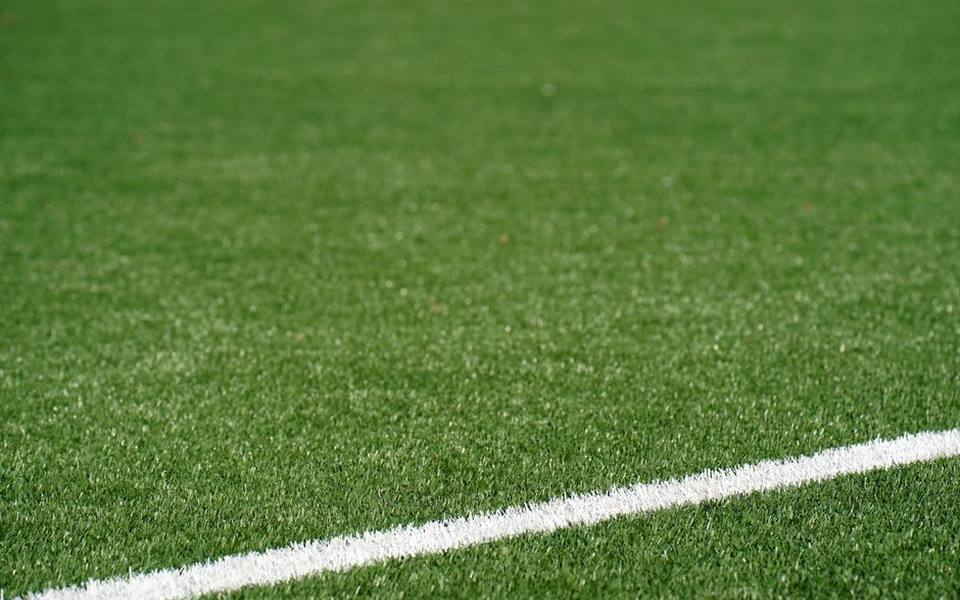
Turf selection should focus on short-pile, unpadded or padded nylon face weight ranging from thirty-six to forty-two ounces per square yard. Short-pile turf resists the gouging action of molded cleats and athletic turf shoes far better than plush landscape turf. For high-wear points, especially the batter's box and pitching landing zones, high-density drop-down hitting mats with inlaid white chalk lines provide replaceable sacrificial surfaces that protect the primary turf floor beneath.
Securing the sub-floor involves either fully glued seams or heavy double-sided seaming tape depending on whether the building is leased or owned. In facilities that rent space season-to-season, modular interlocking athletic flooring or taped carpet edges allow easy removal. Regardless of the fastening method, keeping the turf completely flat and free of wrinkles prevents tripping hazards for players tracking fly balls or shagging grounders inside the tunnel.
Protective Screens and Essential Safety Barriers
A hitting facility cannot function safely without an array of specialized batting screens designed to protect instructors, pitchers, and automated equipment. The classic L-screen remains the centerpiece of live pitching safety, featuring a cutout that shields the thrower's body while offering an open window for the release arm. Selecting an L-screen with a heavy-gauge steel frame—typically at least one-and-a-half to two inches in diameter—and a double-layer pillowcase net ensures maximum protection against direct line drives.
Beyond standard L-shaped barriers, modern facilities utilize compact front-toss screens and softball C-screens for specialized close-range drill work. Front-toss screens typically stand roughly seven feet tall by five feet wide, allowing a coach seated behind protective padding to deliver underhand or short overhand flips without exposure to comebacks. Equipping these screens with wheel kits saves time and back strain when reconfiguring tunnels between hitting groups.
Sock nets and square collection screens are equally valuable for station work and pitching practice net arrangements. These screens feature a built-in catchment pouch that collects balls thrown into the target rather than allowing them to rebound across the tunnel floor. Placing multiple sock screens along an open turf area creates independent throwing and tee-work stations where youth players can work on swing mechanics simultaneously without scattering equipment across the walkway.
Building a Regulation Portable Pitching Mound
Constructing a portable pitching mound provides pitchers with realistic mound slope without permanently altering a flat turf floor. Standard portable pitching mound plans for high school and adult players mandate a ten-inch elevation dropping gradually toward the front landing area at a slope of one inch per linear foot. Youth divisions typically require a six-inch or eight-inch height depending on age bracket, demanding precise framing cuts so young pitchers develop correct mechanics on standard slopes.
Framing the mound starts with sturdy two-by-four or two-by-six dimensional lumber ribs reinforced by exterior-grade three-quarter-inch plywood decking. Cutting the gradual slope into the lateral stringers requires precise jigsaw work; any dips or crowning in the plywood sub-deck will cause instability and player ankle roll upon landing. Bracing the interior frame with center joists spaced twelve inches apart prevents the platform from flexing under the full body weight of a driving pitcher.
Once the wooden shell is assembled, finishing requires gluing heavy outdoor athletic turf to the top deck using polyurethane adhesive. Inset a regulation four-sided or step-down rubber securely into the deck using carriage bolts countersunk beneath the turf surface. Beveled edges along the perimeter of the mound prevent tripping when athletes step off the platform and allow the entire wooden unit to sit flush against the facility turf without rocking.
Pitching Lanes and Arm Development Stations
Designing a dedicated pitching cage demands a different set of visual cues and physical safeguards than a standard batting tunnel. Pitchers require a clean background behind the target zone to simulate a game mound, free from visual clutter, equipment racks, or glaring backlights. Running a narrow ten-foot by fifty-foot pitching lane separates bullpens from batting areas, ensuring that thrown balls do not interrupt hitters working on their timing in adjacent cages.
Integrating a pitching practice net equipped with a vinyl strike zone target or catcher silhouette allows pitchers to train independently without requiring a human partner behind the plate. High-density vinyl target backdrops absorb repeated high-velocity throws, protecting the rear perimeter mesh from focal stress while deadening sound in enclosed metal buildings. Incorporating radar mounts or digital ball-tracking units behind the net gives athletes real-time feedback on velocity, spin rate, and pitch location.
Modern baseball and softball training facilities routinely build dedicated arm-care stations right outside the primary pitching lanes. Wall-mounted anchor points secured to structural studs support resistance tubing, weighted-ball plyometric throwing walls, and recovery bands. Dedicating this auxiliary wall space to structured warm-ups prevents pitchers from throwing cold inside the cages, directly reducing injury risks across all competitive age groups.
Acoustic Management, Lighting, and Ball Containment
Indoor hitting facilities built inside commercial steel warehouses face significant acoustic challenges from repetitive bat impacts and high-decibel pitching machines. Bare metal walls and concrete surfaces amplify sound waves, creating an echo-filled environment that makes coach-to-player communication difficult and causes auditory fatigue. Hanging vinyl baffles, acoustic wall panels, or heavy sound-dampening drapery along exterior walls absorbs reverberation and significantly improves indoor voice clarity.
Lighting inside a batting tunnel requires high-lumen, flicker-free LED fixtures positioned strategically above or just outside the tunnel envelope. Lights should never be mounted directly in the batter's eye or along the pitcher's direct line of sight where glare can blind a player tracking a ninety-mile-per-hour ball. Fixtures must feature shatterproof polycarbonate lenses or protective wire cages to withstand direct hits from misdirected foul balls and wild pitches.
Ball containment at the cage perimeter requires vigilant attention to base gaps and entrance points. Installing weighted rope borders or chain sewn directly into the bottom hem of the netting holds the mesh down against the turf. For cage doors, overlapping flap entrances that extend three feet past the opening prevent balls from escaping into public viewing corridors, keeping spectators and waiting athletes completely safe from errant line drives.
Pitching Machines, Feeder Systems, and Power Outfitting
Outfitting a tunnel for automated batting requires matching the pitching machine type to your training objectives. Traditional two-wheel and three-wheel variable speed machines offer precise spin control, throwing fastballs, sliders, and changeups for advanced hitters. Arm-style mechanical machines simulate a more traditional overhand release motion, making them popular in commercial rental facilities where hitters prefer natural timing cues over wheel feeder chutes.
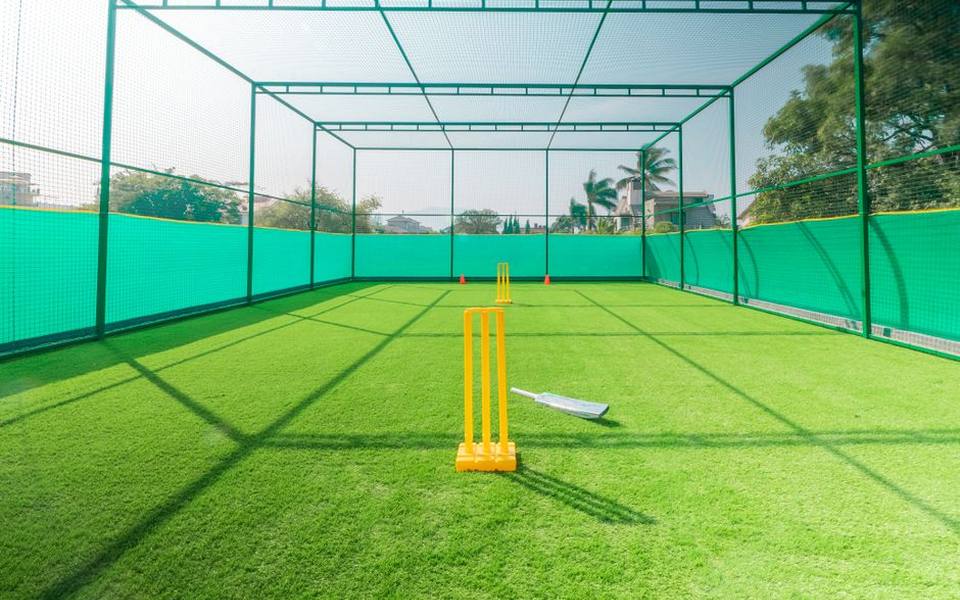
Power delivery inside hitting tunnels must follow strict electrical safety standards to eliminate exposed cords across high-traffic walkways. Dedicated twenty-amp grounded circuits should feed drop-down ceiling cord reels or flush floor boxes positioned near the pitching station. Using ceiling-hung retractable extension cords keeps electrical wires elevated off the ground where errant balls, foot traffic, and rolling equipment carts cannot pinch or abrade rubber insulation.
Automated ball feeders and hopper systems streamline solo practice and high-repetition team workouts. Commercial setups often feature remote controls or foot switches, enabling a coach standing behind an L-screen to trigger pitches with controlled intervals. If you manage an open commercial space, look into token-operated or magnetic card consoles that let players purchase set pitch counts independently, a business model widely utilized across commercial batting cages and hitting facilities.
Routine Inspection, Net Repair, and Long-Term Upkeep
A rigorous maintenance schedule keeps hitting tunnels safe and prevents small structural flaws from turning into catastrophic failures. Daily operational checks should focus on cable tension, turnbuckle locking nuts, and high-impact net sections directly behind the batter and pitcher. When suspension cables lose tension, nets sag into the hitting zone, catching bats on follow-throughs and dramatically increasing the risk of mesh tears during practice.
Repairing small mesh breaks immediately prevents small gaps from expanding into dangerous ball-sized holes. Keep a supply of matching braided twine, heavy zip ties, and net mending needles on hand in the facility tool room. Rather than pulling broken squares together and distorting the mesh grid, weave replacement twine through adjoining undamaged bars using a sheet bend or square knot to preserve uniform tension across the panel.
Turf cleaning and hardware lubrication represent the final pillars of long-term facility preservation. Vacuuming turf surfaces weekly removes dirt, rubber infill dust, and stray stitching fibers that break down mat backing over time. Regularly inspecting pulley tracks, machine motors, and carabiners ensures that every training station operates smoothly, whether you host casual weekend rentals or intensive hitting lessons with seasoned competitive players.
Published 2026-09-21 · reviewed with each rebuild, last October 2026.
Find batting cages & baseball training near you
The directory lists 7,750 batting cages & baseball training by state and city — pick your state or use the “Near me” button in the header.
More guides
-
 Owning
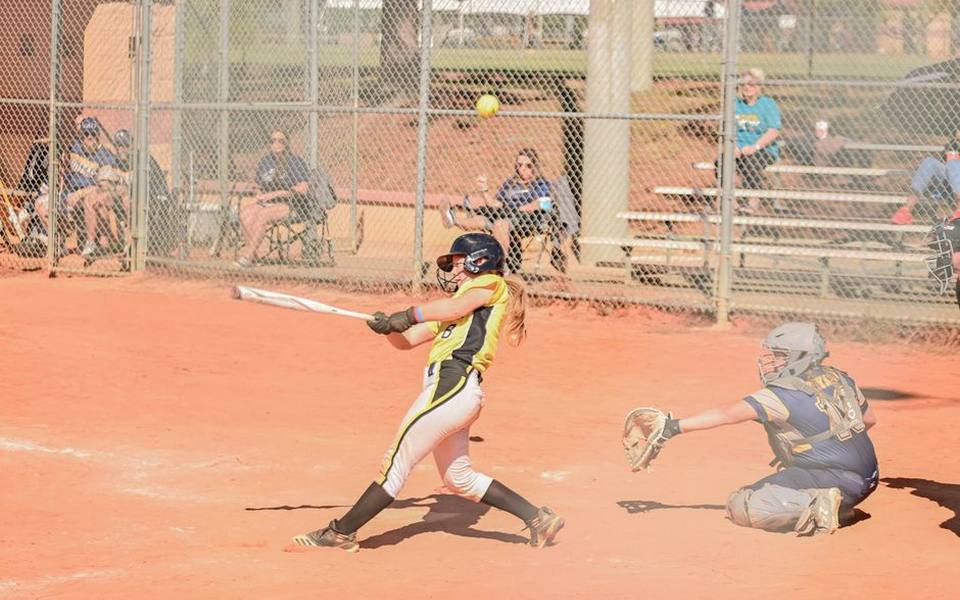
Mastering Softball Mechanics: From Cage Drills to Game-Day Power
-
 Money
MoneyUnderstanding the Expenses of Renting and Building Batting Cages
-
 Safety
Pitching Mechanics: How to Throw Breaking Balls and Build Arm Velocity
-
 Service
Fundamental Swing Mechanics and Handling Breaking Pitches
-
 Owning
Slow Pitch Softball Hitting Guide: Mechanics for Power and Contact
-
 Owning
Building a Consistent Softball Swing: Mechanics, Drills, and Practice Routines
-
 Safety
Pitching Mechanics: Throwing Breaking Pitches and Building Velocity Safely
-
 Owning
Understanding Travel Baseball: Costs, Commitments, and Evaluating the Fit
-
 Buying
Ultimate Guide to Batting Cages and Hitting Nets: Types, Sizing, and Setup
-
 Safety
Youth Baseball Rules: Field Dimensions, Pitch Limits, and Age Brackets
-
 Owning
Batting Practice Essentials: Pitching Machines, Hitting Drills, and Training Equipment
-
 Buying
Baseball & Softball Bat Buying Guide: Sizing, Materials, Certifications, and Custom Options
-
 Owning
Agility Ladder Workouts and Footwork Drills for Baseball and Softball
-
 Safety
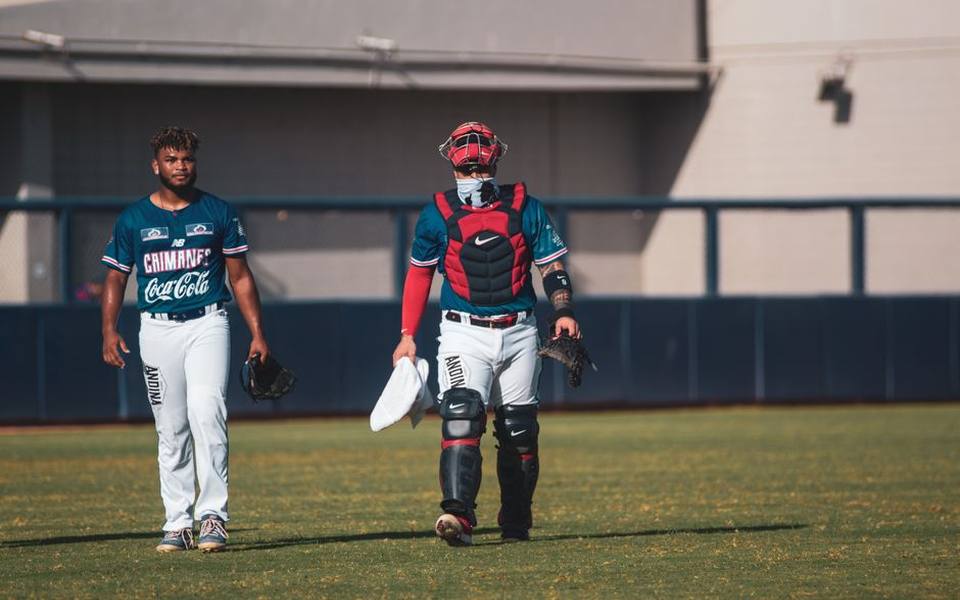
Protective Baseball Gear Guide: Catchers Gear, Thumb Guards, and Helmet Sizing
-
 Owning
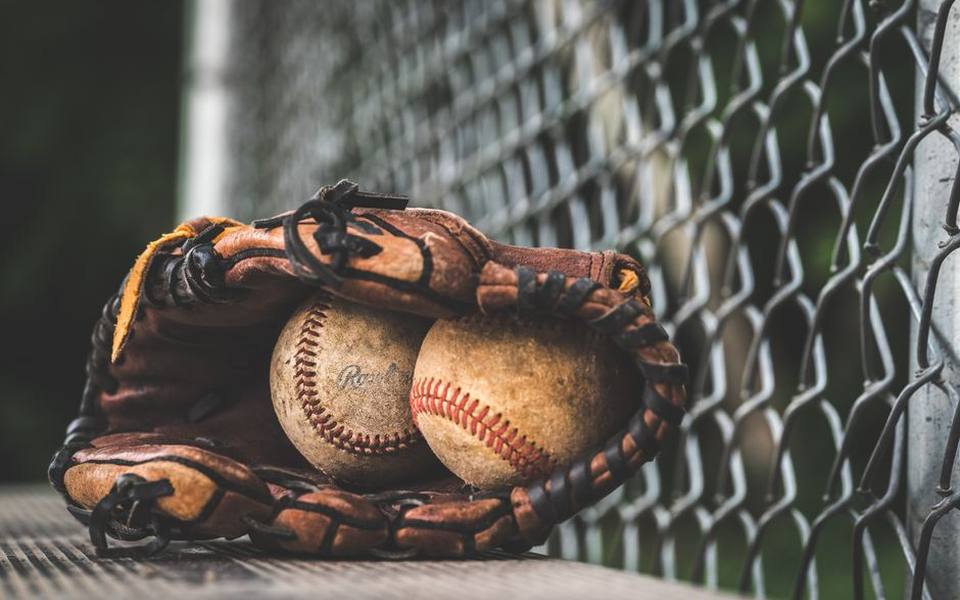
Baseball & Softball Glove Guide: Sizing, Break-In, Relacing, and Maintenance
-
 Buying
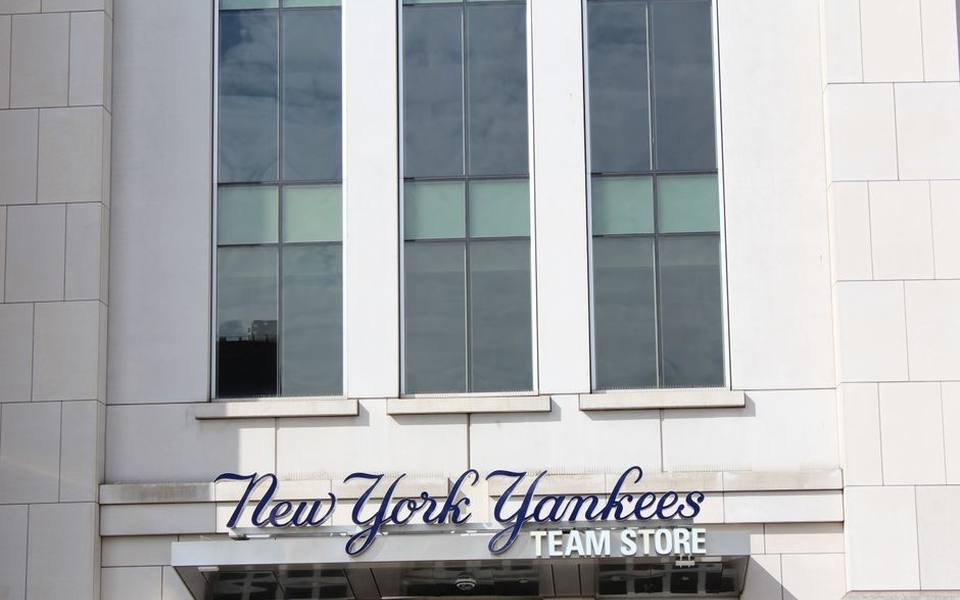
Official MLB and Minor League Team Stores: Buying Authentic Fan Gear
-
 Service
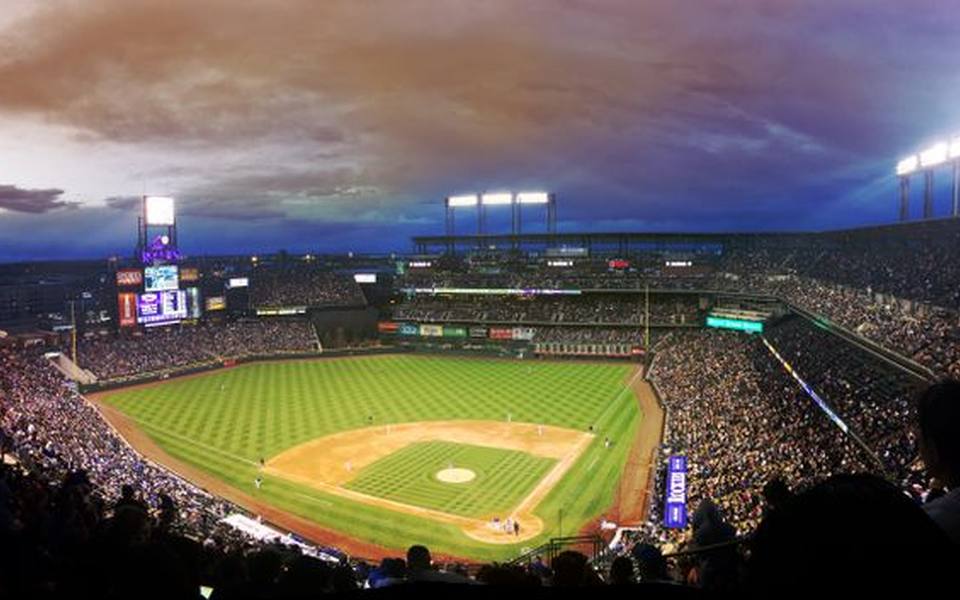
Understanding Baseball Sabermetrics: Core and Advanced Stats Explained
-
 Service
Corporate Team Building Guide: Outings, Events, and Venue Selection
-
 Buying
A Complete Guide to Ordering Custom Baseball Uniforms and Team Apparel
-
 Buying
Custom Sports Jerseys Guide: Outfitting Soccer, Track, Volleyball, and Football Teams
-
 Owning
Complete Little League Guide: Schedules, Divisions, Rules, and Grants
-
 Buying
Local Sporting Goods Stores: Finding Gear, Trade-Ins, and Used Bats
-
 Buying
Baseball Birthday Party Ideas: Decorations, Supplies, and Themes
-
 Service
Youth Baseball and Softball Camps: Showcases, Academies, and Clinics
-
 Buying
Custom Fan Apparel and Varsity Jackets: Customization and Sizing
-
 Safety
Youth Pitching Arm Safety: Treating Little League Elbow and Shoulder Injuries
-
 Buying
Custom Baseball and Softball Uniforms: Design, Sublimation, and Ordering Guide
-
 Owning
Youth Baseball and T-Ball Drills: Practice Plans for Coaches and Parents
-
 Safety
Youth Baseball Sizing Guide: Batting Helmets, Gloves, and Protective Gear
-
 Buying
Commercial and Backyard Pitching Machines: Buyer's Guide and Field Maintenance
-
 Service
How to Choose and Enroll in Baseball and Softball Training Camps
-
 Service
Baseball & Softball Hitting Instruction, Swing Tech & Private Coaching Guide
-
 Safety
Baseball & Softball Helmet Sizing and Fit Guide
-
 Service
Baseball & Softball Glove Relacing, Restringing, and Care Guide
-
 Safety
Catcher's Gear Sizing, Protection, and Defensive Blocking Mechanics
-
 Service
Baseball Camps, Youth Academies, and Showcase Tryouts Guide
-
 Owning
Adult Baseball, Softball, and Backyard Leagues: A Complete Guide to Modern Formats
-
 Service
Planning Team Building Events, Parties, and Fundraisers at Sports Venues
-
 Service
Softball Mechanics, Pitch Grips, and Gear Sizing Guide