How Youth Baseball Organizations Structure Their Divisions
Youth baseball operates under standardized national frameworks designed to match physical development with appropriate competitive play. The traditional charter organization divides players into distinct tiers ranging from introductory Tee Ball for four- to seven-year-olds up through the Senior League for teenagers up to age sixteen. The core competitive division, historically referred to as the Majors, serves players between ten and twelve years old. Below that sits the Minor League system, which generally includes machine-pitch, coach-pitch, and player-pitch programs customized to develop baseline mechanics before competitive tournament play begins.
Local leagues affiliated with national bodies must follow strict charter bylaws regarding roster sizes, boundaries, and balanced talent distribution. Teams generally draft players after formal evaluations, ensuring that no single squad monopolizes advanced pitching or hitting. Community boards administer volunteer coaching pools, schedule regular-season games, and enforce mandatory playing-time rules so every child receives minimum defensive innings and batting opportunities. These community charters operate in nearly every county across the country, providing structured recreation from early spring through midsummer all-star tournaments.
Beyond recreational community charters, travel baseball clubs offer parallel competitive options for families seeking advanced tournament competition. While independent travel circuits often adapt their own specialized weekend tournament rulebooks, the majority align closely with established youth governing bodies to maintain consistency. When young players prepare for evaluations or transition to higher divisions, spending time in indoor batting cages helps them adjust to the faster ball delivery and increased defensive demands required at each successive competitive bracket.
Calculating League Age and Navigating the 2026 Cutoff Charts
Determining a player's official eligibility relies on an established cutoff date rather than the player's chronological age on opening day. Under the standard youth baseball age chart, a player's official league age is determined by how old they are or will become by August 31 of the current calendar year. This August 31 benchmark aligns the baseball season directly with typical academic school years, ensuring that children born in autumn months generally play alongside their same-grade classmates rather than older peer groups.
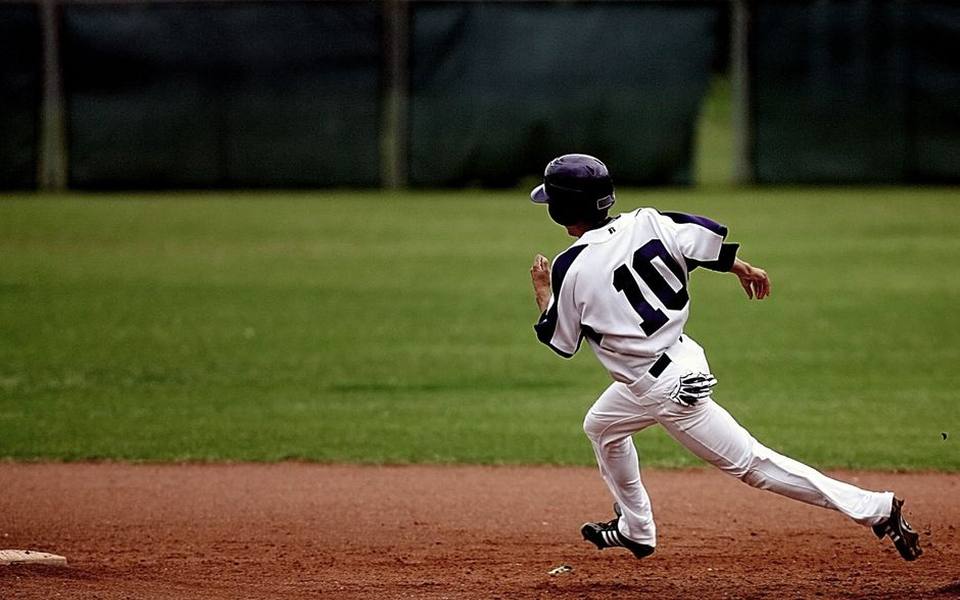
For upcoming seasons, including the 2026 tournament calendar, parents can determine their child's exact standing using simple birth-month matrices. For example, a child born between September 1, 2013, and August 31, 2014, holds a designated league age of twelve for the 2026 season. Those born between September 1, 2014, and August 31, 2015, compete as league-age elevens. Many recreational websites provide an interactive age calculator tool where entering month and birth year instantly reveals eligible division brackets without cross-referencing complex physical charts.
Understanding these dates prevents registration confusion and helps parents plan long-term developmental milestones. Children who share the same birth year might occupy different baseball age classifications if one was born in July and another in October. When children prepare to play up in a division or adjust their hitting timing ahead of tryouts, working with coaches at dedicated baseball and softball training facilities ensures they master the mechanics necessary to face pitchers throwing from advanced distances.
Standard Field Dimensions Across Age Classifications
The standard youth diamond for players twelve and under is built on a scaled-down grid that fits developing physical strength. Traditional Little League diamonds feature 60-foot base paths, measuring the exact straight-line distance from the back point of home plate to the rear outside edge of first or third base. Second base is centered precisely at the intersection of lines drawn from first and third, placing it approximately 84 feet and 10 inches from home plate along the center of the diamond.
Outfield boundaries are equally proportioned to keep home runs attainable while rewarding sound defensive positioning. The standard outfield fence distance for intermediate youth fields typically sits between 200 and 225 feet along both the foul lines and straightaway center field. The outfield grass perimeter creates an enclosed park feel, while smaller infield cutouts help young infielders field ground balls without navigating the vast expanse of high school or collegiate playing surfaces.
As players grow into the Intermediate 50/70 division at ages eleven to thirteen, the diamond expands to 70-foot base paths, providing a crucial bridge before full-sized competition. Junior and Senior divisions transition entirely to regulation professional diamond standards, utilizing 90-foot baselines. This incremental progression protects growing joints, preserves defensive reaction times, and allows players to gradually adapt their fielding footwork and throwing accuracy over several seasons.
Pitching Distances and Mound Elevations by Division
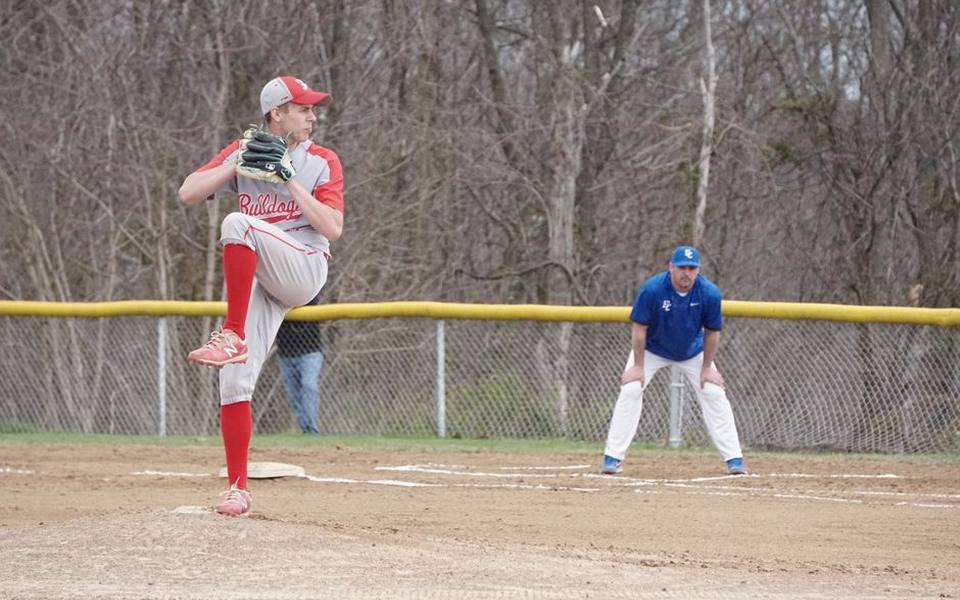
Mound distance directly impacts arm health, reaction time, and hitting difficulty across youth programs. In standard divisions for ages nine through twelve, the rubber sits exactly 46 feet from the rear point of home plate. Pitchers throw from either a flat surface or a slight elevated mound that rises no more than six inches above home plate level. This 46-foot distance allows fielders sufficient reaction time against batted balls while giving young pitchers realistic throwing leverage.
Once athletes graduate to the Intermediate 50/70 bracket, the pitching rubber pushes back to 50 feet, mounted on an eight-inch dirt mound. Full-sized Junior and Senior diamonds increase the distance to the traditional 60 feet, 6 inches, with a regulation ten-inch mound height. Rushing young arms to the 60-foot distance too early frequently leads to poor arm mechanics, as throwers drop their elbows to generate artificial velocity across the longer flight path.
Adapting to shifts in throwing distance requires focused mechanical adjustments rather than brute force. Pitchers who abruptly change distances often struggle with release points, causing pitches to sail high or skip into the dirt. Booking individual instruction through batting cages with hitting lessons and pitching tunnels helps athletes master lower-half engagement, ensuring their throwing motion remains fluid and mechanically sound as the rubber moves back.
Regulation Inning Counts and Time Limit Procedures
A regulation game in youth baseball for players twelve and under consists of six scheduled innings, in contrast to the seven innings played in high school or the nine innings typical of professional baseball. A game becomes an official contest if weather or daylight halts play after four innings, or three and a half innings if the home team is currently leading. For Junior, Senior, and Big League divisions, standard regulation contests expand to seven full innings, reflecting older players' endurance.
Recreational weekend and weeknight regular-season games almost always operate under local time limits to accommodate shared municipal park schedules. A standard regular-season matchup typically imposes a no-new-inning rule after one hour and forty-five minutes or two hours from the first pitch. Once that time window expires, the current inning must be completed, but no subsequent frame can begin, regardless of whether six complete innings have been played.
Tournament play and post-season tournaments generally waive regular-season time limits, requiring full regulation innings to determine a winner unless the mercy rule takes effect. Under standard youth mercy rules, a game concludes early if a team leads by ten runs after four completed innings, or fifteen runs after three innings. These rules maintain competitive dignity, prevent excessive arm fatigue for losing pitching staffs, and keep tournament schedules flowing smoothly.
Daily Pitch Counts and Rest Requirements
Modern youth baseball rules enforce strict daily pitch ceilings to prevent overuse injuries and chronic elbow and shoulder strain. These restrictions depend strictly on a player's official league age on the day of the game. Pitchers aged thirteen to sixteen are capped at ninety-five pitches per day. Twelve- and eleven-year-old pitchers may throw a maximum of eighty-five pitches in a single day, while nine- and ten-year-olds face a seventy-five pitch ceiling. Seven- and eight-year-olds cannot exceed fifty pitches.
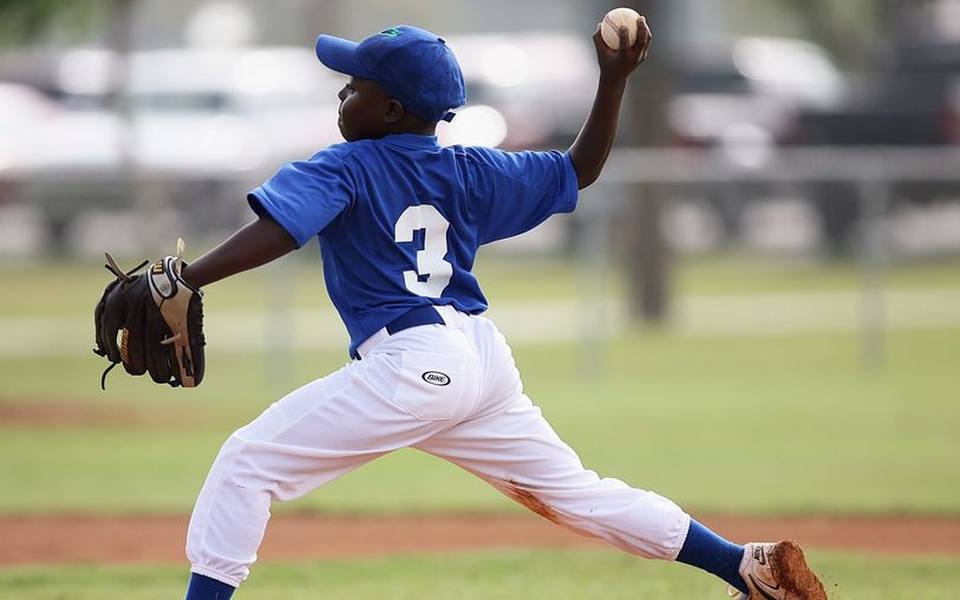
Each pitcher's daily workload directly dictates the mandatory calendar days of rest required before they can return to the mound. Under standard regulations, throwing sixty-six or more pitches in a single day demands four full calendar days of rest. Throwing fifty-one to sixty-five pitches requires three days of rest, while thirty-six to fifty pitches requires two days. Pitchers who deliver twenty-one to thirty-five pitches must observe one day of rest, whereas those throwing twenty or fewer can pitch the following day without mandatory downtime.
Coaches must assign an official pitch-count tracker in the dugout who records every pitch thrown to each batter. Tracking every delivery in an official logbook ensures transparency between opposing managers and league scorekeepers. Adhering to these safety caps remains the primary defense against repetitive microtrauma in developing growth plates, allowing young athletes to cultivate competitive skills across long seasons without sustaining chronic arm damage.
Across the nationwide directory on Batting Cage Atlas, facilities in high-participation markets regularly host clinics emphasizing arm care and pitch economy to help young throwers stay well within these critical health parameters.
The Threshold Rule and the Pitcher-to-Catcher Transition
A critical nuance within pitch count oversight is the threshold rule, which permits a pitcher to finish facing their current batter without incurring higher rest penalties. If a pitcher reaches a specific rest threshold—such as thirty-five or fifty pitches—during an ongoing plate appearance, the pitcher may finish that batter without advancing to the next rest tier. The official pitch count for rest purposes reverts back to the first pitch thrown to that final batter, provided the pitcher exits immediately afterward.
Youth regulations also place stringent limits on switching between the pitcher and catcher positions within the same game. A player who delivers forty-one or more pitches in an outing is legally ineligible to play catcher for the remainder of that calendar day. Because catching demands high-volume throwing back to the pitcher on every single pitch, combining extensive pitching workloads with catching duties places extreme, unacceptable stress on an adolescent throwing arm.
The rule also operates in reverse to protect young players behind the plate. A player who catches in four or more innings in a single contest cannot transition to the mound to pitch on that same calendar day. Even receiving one pitch in a fourth inning constitutes catching four innings under the rulebook. These complementary boundaries protect multi-position players, who are often the most athletic team members, from hidden physical overuse that simple pitching-only pitch counts might fail to capture.
Base Running, Stealing, and the Dropped Third Strike
Base running mechanics in standard youth divisions differ substantially from major league standards. In the standard Major division and below on 60-foot diamonds, baserunners must keep contact with their base until the pitched ball crosses home plate. Leading off is strictly prohibited; leaving early results in the umpire signaling a delayed dead ball, which voids stolen bases and forces runners back to their original bases once the play finishes.
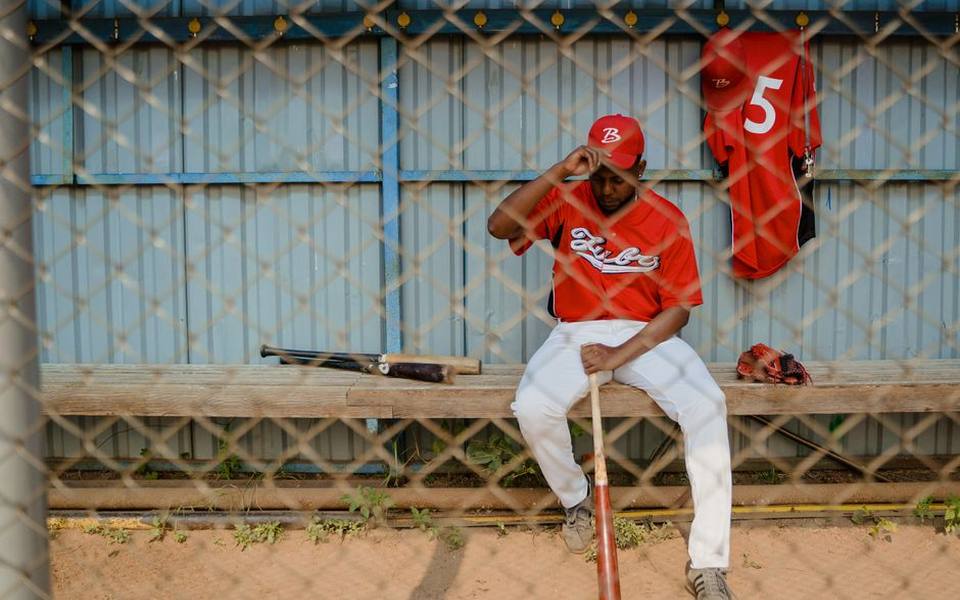
Stealing home, double steals, and wild pitch advancements are standard in competitive player-pitch divisions once the pitch reaches home plate, but machine-pitch and coach-pitch minor divisions typically limit runner advancement. In lower tiers, runners may only advance on clean hits or balls driven into the outfield grass, preventing aggressive base running from overshadowing fundamental defensive learning.
The dropped third strike rule is another rule that depends on division level. In the traditional Major division, if the catcher drops strike three and first base is open—or if there are two outs regardless of base runners—the batter becomes an active baserunner and may sprint to first base. In Minor divisions, strike three immediately retires the batter regardless of whether the catcher cleanly secures the pitch, simplifying game flow while young catchers still master basic receiving mechanics.
Bat Certifications and Diamond Safety Standards
Equipment guidelines in youth baseball are heavily regulated to protect infielders from dangerous batted-ball exit velocities. Most governing youth organizations mandate that all non-wood bats bear the official USA Baseball certification stamp. These approved bats feature a 2 5/8-inch maximum barrel diameter and are engineered to produce a wood-like bounce off the barrel, limiting trampoline effects and keeping batted ball speeds within manageable reaction times for young fielders.
Bats certified under the USSSA banner, which feature a higher 1.15 BPF exit performance rating, are generally barred from standard chartered league competition, although independent travel ball tournaments frequently permit them. Using an unapproved bat during an official league game results in the batter being called out, ejection of the manager, and potential forfeiture of the contest upon discovery. Parents must verify barrel stamps before purchasing new gear.
Safety gear on the field is strictly enforced across every age tier. Batters, baserunners, and on-deck hitters must wear protective helmets with full double-ear coverage, and catchers must use continuous-throat helmets, chest protectors, and shin guards during all games, practices, and informal bullpen warmups. By combining approved bats, complete protective gear, and sensible diamond dimensions, youth leagues maintain an environment where developing athletes can build confidence while staying safe.
Published 2026-09-21 · reviewed with each rebuild, last October 2026.
Find batting cages & baseball training near you
The directory lists 7,750 batting cages & baseball training by state and city — pick your state or use the “Near me” button in the header.
More guides
-
 Owning
Mastering Softball Mechanics: From Cage Drills to Game-Day Power
-
 Money
MoneyUnderstanding the Expenses of Renting and Building Batting Cages
-
 Safety
Pitching Mechanics: How to Throw Breaking Balls and Build Arm Velocity
-
 Service
Fundamental Swing Mechanics and Handling Breaking Pitches
-
 Owning
Slow Pitch Softball Hitting Guide: Mechanics for Power and Contact
-
 Owning
Building a Consistent Softball Swing: Mechanics, Drills, and Practice Routines
-
 Safety
Pitching Mechanics: Throwing Breaking Pitches and Building Velocity Safely
-
 Owning
Understanding Travel Baseball: Costs, Commitments, and Evaluating the Fit
-
 Buying
Ultimate Guide to Batting Cages and Hitting Nets: Types, Sizing, and Setup
-
 Owning
Batting Practice Essentials: Pitching Machines, Hitting Drills, and Training Equipment
-
 Buying
Baseball & Softball Bat Buying Guide: Sizing, Materials, Certifications, and Custom Options
-
 Owning
Agility Ladder Workouts and Footwork Drills for Baseball and Softball
-
 Safety
Protective Baseball Gear Guide: Catchers Gear, Thumb Guards, and Helmet Sizing
-
 Owning
Baseball & Softball Glove Guide: Sizing, Break-In, Relacing, and Maintenance
-
 Buying
Official MLB and Minor League Team Stores: Buying Authentic Fan Gear
-
 Service
Understanding Baseball Sabermetrics: Core and Advanced Stats Explained
-
 Service
Corporate Team Building Guide: Outings, Events, and Venue Selection
-
 Buying
A Complete Guide to Ordering Custom Baseball Uniforms and Team Apparel
-
 Buying
Custom Sports Jerseys Guide: Outfitting Soccer, Track, Volleyball, and Football Teams
-
 Owning
Complete Little League Guide: Schedules, Divisions, Rules, and Grants
-
 Buying
Local Sporting Goods Stores: Finding Gear, Trade-Ins, and Used Bats
-
 Buying
Baseball Birthday Party Ideas: Decorations, Supplies, and Themes
-
 Service
Youth Baseball and Softball Camps: Showcases, Academies, and Clinics
-
 Buying
Custom Fan Apparel and Varsity Jackets: Customization and Sizing
-
 Safety
Youth Pitching Arm Safety: Treating Little League Elbow and Shoulder Injuries
-
 Buying
Custom Baseball and Softball Uniforms: Design, Sublimation, and Ordering Guide
-
 Owning
Youth Baseball and T-Ball Drills: Practice Plans for Coaches and Parents
-
 Safety
Youth Baseball Sizing Guide: Batting Helmets, Gloves, and Protective Gear
-
 Buying
Commercial and Backyard Pitching Machines: Buyer's Guide and Field Maintenance
-
 Service
How to Choose and Enroll in Baseball and Softball Training Camps
-
 Service
Baseball & Softball Hitting Instruction, Swing Tech & Private Coaching Guide
-
 Safety
Baseball & Softball Helmet Sizing and Fit Guide
-
 Owning
How to Build and Outfit a Batting Cage and Hitting Facility
-
 Service
Baseball & Softball Glove Relacing, Restringing, and Care Guide
-
 Safety
Catcher's Gear Sizing, Protection, and Defensive Blocking Mechanics
-
 Service
Baseball Camps, Youth Academies, and Showcase Tryouts Guide
-
 Owning
Adult Baseball, Softball, and Backyard Leagues: A Complete Guide to Modern Formats
-
 Service
Planning Team Building Events, Parties, and Fundraisers at Sports Venues
-
 Service
Softball Mechanics, Pitch Grips, and Gear Sizing Guide