The Value of One-on-One Instruction
Group practices offer valuable team-building and defensive repetition, but hitting remains an intensely individual craft. Working with a dedicated batting instructor provides focused mechanical feedback that team coaches rarely have time to deliver during a two-hour team practice. A private baseball coach can immediately identify kinetic leaks, such as an inconsistent load or poor hip-to-shoulder separation, before those flaws become ingrained muscle memory.
The primary advantage of private baseball coaching lies in customized feedback. Every athlete brings a distinct physical profile, flexibility range, and lever length to the plate. A seasoned coach avoids cookie-cutter swing models, instead tailoring adjustments to the player's natural movement patterns. Finding trusted batting cages offering private hitting lessons gives athletes the structured environment needed to dissect their swing frame by frame.
Quality instruction also builds mental composure alongside physical mechanics. A private batting coach teaches pitch recognition, count management, and how to reset after an unsuccessful plate appearance. This psychological foundation separates players who merely look good during soft toss from those who reliably drive pitches under game conditions.
Deconstructing the Modern Baseball Swing
A repeatable swing relies on an efficient kinetic chain that starts from the ground and finishes through the fingertips. Modern baseball hitting practice focuses heavily on ground-force generation, transferring energy from the rear foot through pelvic rotation and the torso before the hands ever begin moving toward the zone. When this sequence breaks down, hitters usually lose barrel control or develop severe casting issues.

Objective swing analysis baseball methodologies have replaced outdated coaching clichés like chopping down on the ball. Hitters now learn to match the downward plane of the incoming pitch with a slight upward tilt, optimizing their launch window and maximizing contact surface. Understanding this path helps athletes create consistent backspin and higher exit velocity without feeling like they must radically change their natural timing.
Common mechanical flaws usually stem from an unstable lower half. Lunging forward onto the front side drains power and leaves hitters vulnerable to off-speed pitches. Regular technical reviews allow instructors to spot premature hip clearing or head drift, ensuring that the swing rotates around a stable central axis rather than swaying forward through the hitting zone.
Fastpitch Nuances: Softball Hitting Mechanics
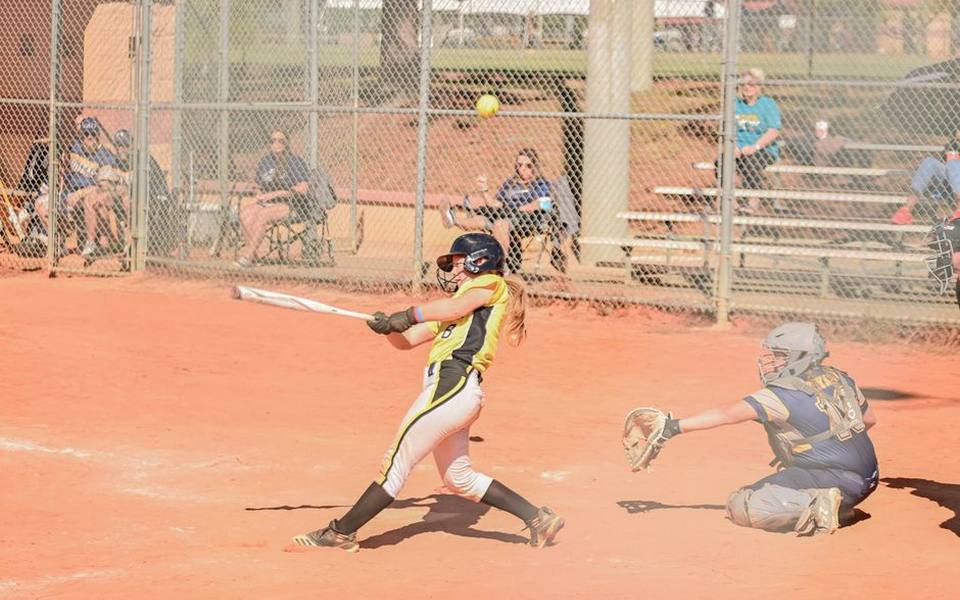
While baseball and softball swings share core biomechanical foundations, distinct differences govern high-level fastpitch play. The shorter release distance of 43 feet compresses reaction windows, demanding a direct and compact hand path. Dedicated softball hitting practice accounts for these compressed timeframes by prioritizing quick trigger mechanisms and eliminating unnecessary pre-swing movement that delays barrel entry.
Pitch trajectory in fastpitch softball creates unique technical requirements. Rise balls enter the zone on an upward path, while drop balls bite sharply downward near the plate. Consequently, softball hitting mechanics must emphasize barrel adjustability. Rather than a flat swipe, the hitter must maintain posture through side bend, allowing the barrel to stay in the plane of the ball for as long as possible regardless of pitch height.
Lower-half discipline is equally critical for softball athletes. Slappers rely on footwork momentum and barrel placement, while power hitters require deep hip coil to generate rotational torque within tight timing windows. Practicing front-toss variations and angled cage drills helps softball players train their eyes to judge spin direction quickly out of the release point.
Foundational Work on the Batting Tee
The baseball practice tee remains the single most important training tool across all developmental levels, from youth travel ball to professional leagues. Because the ball remains stationary, the hitter can isolate specific segments of their swing without the distraction of timing an incoming delivery. Removing pitch speed lets players focus entirely on body control, hand path, and barrel contact point.
Executing a deliberate baseball swing drill on the tee requires strict intention on every rep. Mindless hitting simply grooves bad habits. Hitters should vary tee heights and depths inside the contact zone, practicing contact points deep on the plate for outside pitches and out in front for inside offerings. Setting the tee slightly behind home plate forces players to stay inside the ball and drive line drives to the opposite field.
Complex drill progressions build dynamic balance on a stable base. Step-back drills promote proper weight transfer onto the rear hip during the load, while pause drills test whether a hitter can hold a balanced stride position before committing the hands. Working through these variations sharpens spatial awareness and barrel accuracy far better than unstructured free swinging.
Bat Sensors and Data-Driven Feedback
Wearable swing sensors have transformed how players and instructors measure movement quality inside the cage. Small hardware units mounted to the bat handle, such as a Diamond Kinetics bat sensor or comparable motion tracker, capture precise metrics on every swing. These devices measure barrel speed, hand speed, attack angle, and time to impact, turning subjective coach observations into verifiable quantitative data.
Modern baseball and softball training facilities regularly use these sensors to benchmark development across a full training cycle. When a hitter modifies their stance or load sequence, bat sensors immediately show whether the adjustment increased bat speed or compromised hand efficiency. This immediate objective readout prevents athletes from abandoning beneficial mechanical adjustments prematurely.
The key to using sensor tech lies in avoiding data overload. Young hitters can easily become overwhelmed by dozens of statistical parameters on an app screen. Smart instructors pick one or two target metrics, such as time to contact or attack angle, and design drills around improving those specific figures before introducing secondary analytical data.
High-Speed Video and Swing Analytics
High-frame-rate video capture has made professional-grade biomechanical review accessible on consumer tablets and smartphones. Recording swings at 120 or 240 frames per second lets instructors scrutinize micro-movements that occur in fractions of a second. High-speed analysis exposes barrel flutter, wrist roll, and posture collapse that remain entirely invisible to the naked human eye at full speed.
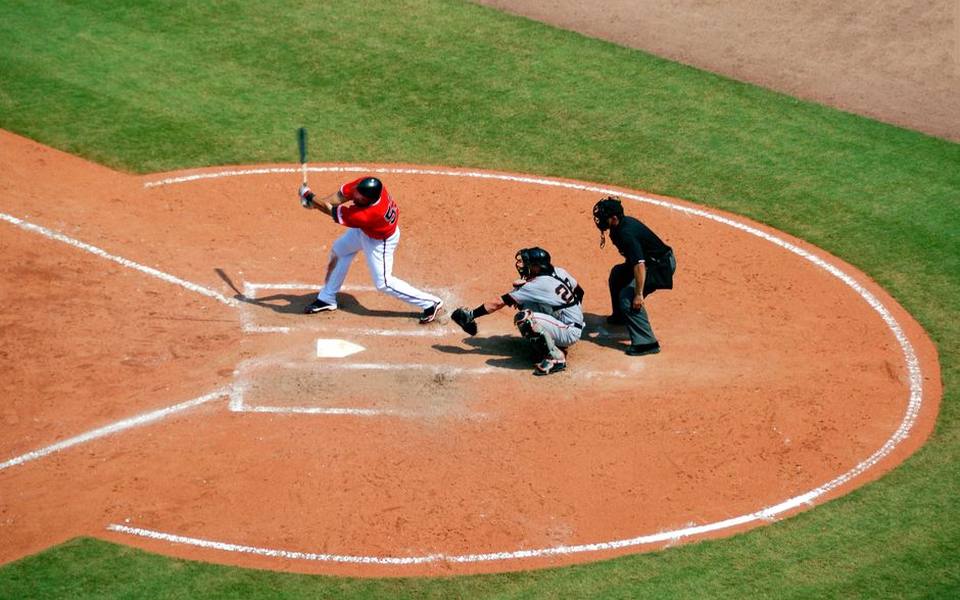
Digital swing analytics apps allow coaches to draw trajectory lines, track head movement, and compare a player's swing side by side with professional models. Hitters frequently possess a disconnect between what they feel their body is doing and what is actually taking place on screen. Video bridges that gap, giving the athlete undeniable visual confirmation of their mechanical flaws.
To get reliable results from video analysis, consistency in camera placement is essential. Filming directly down the barrel line or directly face-on at chest height produces standard angles for comparison. Changing camera heights or angles between sessions distorts visual perception and can lead coaches to diagnose mechanical problems that are merely artifacts of lens perspective.
Designing an Effective Cage Routine
Productive cage time follows a structured sequence that moves from slow, controlled movements to rapid, game-like reaction training. A disciplined session begins with mobility warm-ups, followed by stationary tee drills to establish bat path. From there, players progress to short-range front toss, then machine work, and finally firm live batting practice if an arm is available.
Hitting in climate-controlled indoor batting cages allows players to maintain their developmental schedules year-round regardless of winter weather or summer rain. Indoor environments eliminate wind and field distractions, letting the hitter focus on contact consistency and auditory feedback from the barrel. Hitters should focus on hitting line drives back through the center of the cage netting rather than chasing cheap fly balls.
Pacing inside the cage matters just as much as repetition count. Rushing through sixty swings in ten minutes creates physical exhaustion and promotes compensatory habits like arm-barring or dropping the rear shoulder. Stepping out of the batter's box between swings to take a deep breath and reset mental focus mimics real-game pacing and preserves swing quality.
Power Development and the Derby Mindset
Casual cage sessions often resemble a homerun derby baseball contest, with hitters attempting to launch every ball over the back net with maximum effort. While training pure intent and bat speed is important for exit velocity, swinging at full effort on every single pitch without mechanical control usually ruins plate coverage and timing. Power must be built on a foundation of clean sequencing.
Intentional power development requires training the body to move fast without losing balance. Overload and underload bat training routines help develop fast-twitch muscular response, teaching the central nervous system to accelerate the barrel rapidly through the zone. When paired with medicine ball throws and rotational core work, hitters increase raw output without having to swing violently out of their shoes.
Developing true game power means driving the ball with authority across the entire strike zone. A hitter whose power only appears on belt-high middle-in pitches will struggle as pitching levels improve. Effective coaching teaches hitters how to generate leverage on pitches at the knees or on the outer black by maintaining posture and letting the ball travel.
Evaluating Progress and Setting Benchmarks
Measuring improvement in hitting requires tracking both process markers and outcome numbers over an extended timeline. A hitter undergoing a swing change might experience a temporary dip in batting average while their neurological pathways adapt to the new movement pattern. Tracking exit speed, hard-hit percentage, and chase rate provides a far clearer picture of long-term development than box scores alone.
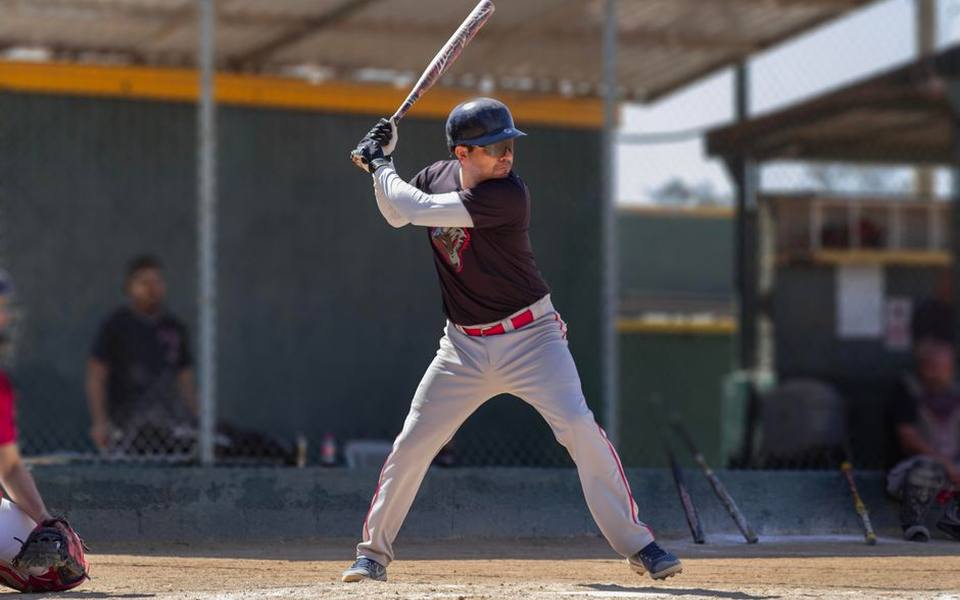
Personal coaches use periodic progress assessments to re-evaluate their training priorities. If a player shows marked improvement in barrel speed on the sensor but continues to miss breaking balls in live situations, the instructional focus shifts from raw mechanics to pitch tracking and vision training. Regular benchmark sessions keep development moving in the right direction.
Parents and athletes should look for incremental, sustainable gains rather than dramatic overnight transformations. Developing an efficient swing is an iterative process that requires hundreds of repetitions across multiple months. Celebrating small milestones, like maintaining barrel plane consistency on low pitches, keeps players motivated through challenging developmental plateaus.
Choosing the Right Training Facility and Coach
Selecting the right instructor can define a young athlete's trajectory in baseball or softball. When interviewing prospective coaches, ask about their instructional philosophy and how they communicate with players. A great coach does not force every student into the exact same swing mold; they assess an athlete's physical strengths and help them build a repeatable, mechanically sound approach.
Facility resources also play a significant role in training quality. Look for local batting cages and hitting facilities that offer modern training tools like high-grade pitching machines, pitching lane turf, video displays, and tracking sensors. A well-equipped training center allows an instructor to combine kinesthetic teaching with instant objective feedback from multiple technological angles.
Finally, observe how the instructor interacts with players during frustrating rounds. Hitting is an exercise in managing failure, as even elite professional hitters fail seven out of ten times. A coach who fosters emotional resilience, explains the biomechanical cause of a miss, and maintains an encouraging tone will build a hitter's confidence far better than someone who simply yells generic instructions.
Published 2026-09-21 · reviewed with each rebuild, last October 2026.
Find batting cages & baseball training near you
The directory lists 7,750 batting cages & baseball training by state and city — pick your state or use the “Near me” button in the header.
More guides
-
 Owning
Mastering Softball Mechanics: From Cage Drills to Game-Day Power
-
 Money
MoneyUnderstanding the Expenses of Renting and Building Batting Cages
-
 Safety
Pitching Mechanics: How to Throw Breaking Balls and Build Arm Velocity
-
 Service
Fundamental Swing Mechanics and Handling Breaking Pitches
-
 Owning
Slow Pitch Softball Hitting Guide: Mechanics for Power and Contact
-
 Owning
Building a Consistent Softball Swing: Mechanics, Drills, and Practice Routines
-
 Safety
Pitching Mechanics: Throwing Breaking Pitches and Building Velocity Safely
-
 Owning
Understanding Travel Baseball: Costs, Commitments, and Evaluating the Fit
-
 Buying
Ultimate Guide to Batting Cages and Hitting Nets: Types, Sizing, and Setup
-
 Safety
Youth Baseball Rules: Field Dimensions, Pitch Limits, and Age Brackets
-
 Owning
Batting Practice Essentials: Pitching Machines, Hitting Drills, and Training Equipment
-
 Buying
Baseball & Softball Bat Buying Guide: Sizing, Materials, Certifications, and Custom Options
-
 Owning
Agility Ladder Workouts and Footwork Drills for Baseball and Softball
-
 Safety
Protective Baseball Gear Guide: Catchers Gear, Thumb Guards, and Helmet Sizing
-
 Owning
Baseball & Softball Glove Guide: Sizing, Break-In, Relacing, and Maintenance
-
 Buying
Official MLB and Minor League Team Stores: Buying Authentic Fan Gear
-
 Service
Understanding Baseball Sabermetrics: Core and Advanced Stats Explained
-
 Service
Corporate Team Building Guide: Outings, Events, and Venue Selection
-
 Buying
A Complete Guide to Ordering Custom Baseball Uniforms and Team Apparel
-
 Buying
Custom Sports Jerseys Guide: Outfitting Soccer, Track, Volleyball, and Football Teams
-
 Owning
Complete Little League Guide: Schedules, Divisions, Rules, and Grants
-
 Buying
Local Sporting Goods Stores: Finding Gear, Trade-Ins, and Used Bats
-
 Buying
Baseball Birthday Party Ideas: Decorations, Supplies, and Themes
-
 Service
Youth Baseball and Softball Camps: Showcases, Academies, and Clinics
-
 Buying
Custom Fan Apparel and Varsity Jackets: Customization and Sizing
-
 Safety
Youth Pitching Arm Safety: Treating Little League Elbow and Shoulder Injuries
-
 Buying
Custom Baseball and Softball Uniforms: Design, Sublimation, and Ordering Guide
-
 Owning
Youth Baseball and T-Ball Drills: Practice Plans for Coaches and Parents
-
 Safety
Youth Baseball Sizing Guide: Batting Helmets, Gloves, and Protective Gear
-
 Buying
Commercial and Backyard Pitching Machines: Buyer's Guide and Field Maintenance
-
 Service
How to Choose and Enroll in Baseball and Softball Training Camps
-
 Safety
Baseball & Softball Helmet Sizing and Fit Guide
-
 Owning
How to Build and Outfit a Batting Cage and Hitting Facility
-
 Service
Baseball & Softball Glove Relacing, Restringing, and Care Guide
-
 Safety
Catcher's Gear Sizing, Protection, and Defensive Blocking Mechanics
-
 Service
Baseball Camps, Youth Academies, and Showcase Tryouts Guide
-
 Owning
Adult Baseball, Softball, and Backyard Leagues: A Complete Guide to Modern Formats
-
 Service
Planning Team Building Events, Parties, and Fundraisers at Sports Venues
-
 Service
Softball Mechanics, Pitch Grips, and Gear Sizing Guide