Where to Look First for Ball Equipment in Your Area
Finding reliable baseball equipment nearby usually comes down to three distinct options: national sporting goods chains, independent ball specialty shops, and pro counters inside training centers. If you need standard game balls, baseline pine tar, or introductory cleat sizes in a hurry, large regional retailers handle the basic volume well. However, when you are looking for specific drop weights, nuanced glove leather, or knowledgeable guidance on youth league bat stamps, general sporting chains often lack the depth that serious ballplayers need.
Specialty baseball and softball stores cater specifically to ballplayers, carrying complete ranges of certification stamps, glove repair lace, and catcher gear sets. While these dedicated shops may require a slightly longer drive depending on your region, their staff usually play or coach locally. They understand regional tournament requirements, local park district ball specifications, and which bat models hold up through humid summers or chilly spring tournaments.
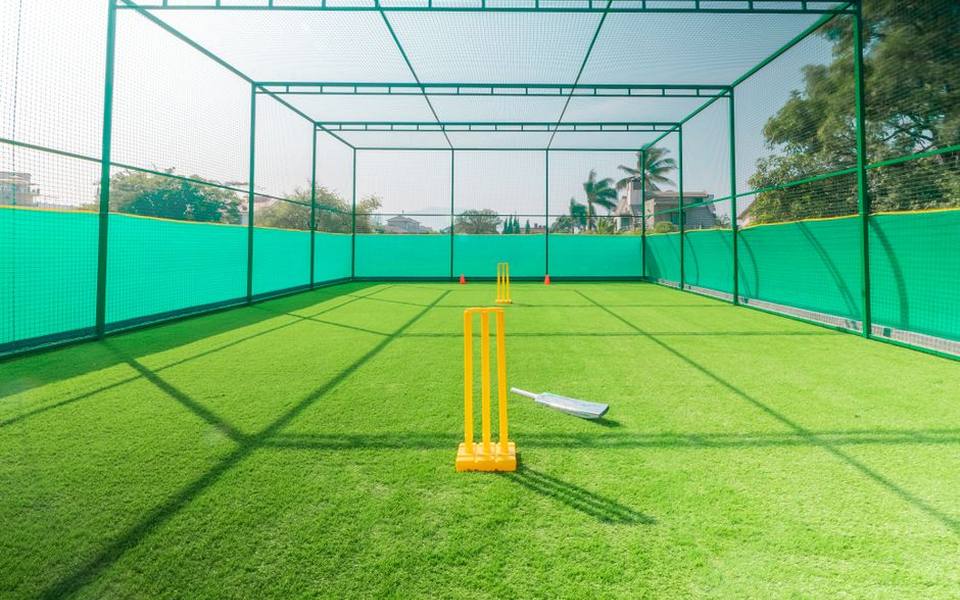
Another frequently overlooked option is the pro shop tucked inside local hitting complexes. Many indoor batting cages and player development hubs stock competitive bats, batting gloves, and catching gear directly on site. These facilities often allow players to handle or even swing demo models before spending top dollar, making them an exceptional alternative to traditional strip mall retail stores.
Navigating the Shifting Second-Hand Retail Market
Buying pre-owned gear is one of the easiest ways to keep youth baseball affordable, especially while kids advance through sudden growth spurts. In many regions, franchised used sporting goods outlets have long served as the default destination for trading in outgrown cleats and picking up gently used infield mitts. Over recent years, however, corporate footprint adjustments and localized franchise closures have left some communities wondering where to turn for affordable secondary gear.
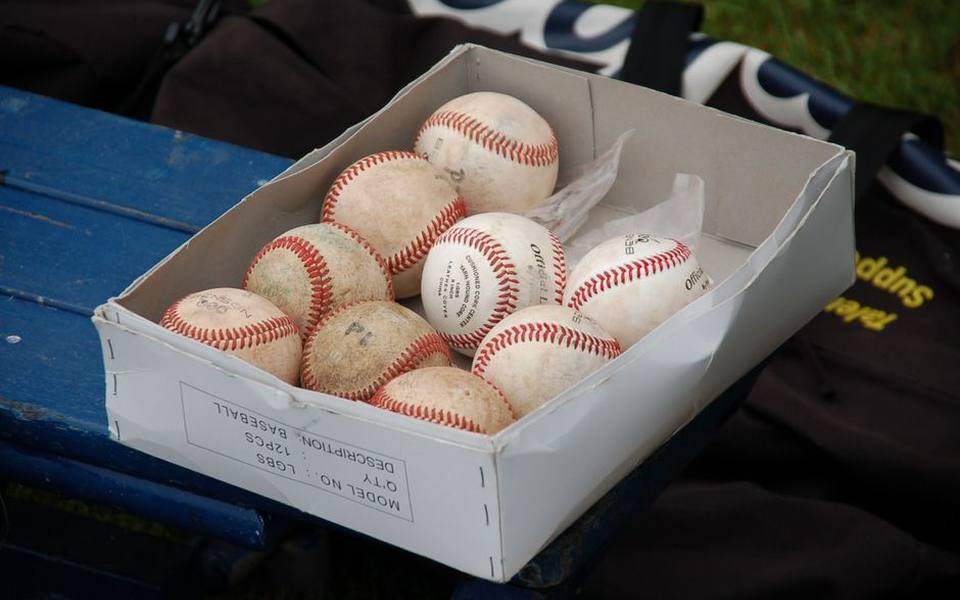
When your nearest dedicated used sports retailer shuts its doors, independent consignment shops and league-run buyback events usually step in to fill the void. Independent sports resale stores operate in many metropolitan suburbs, taking in clean baseball hardware on consignment or paying immediate cash for current-stamp bats. Finding these shops usually requires checking regional youth league message boards or asking team equipment managers who handle gear hand-me-downs every season.
Online neighborhood exchange groups also host vibrant local gear secondary markets, though they require more self-reliance. When buying from an individual seller rather than a brick-and-mortar storefront, you lose the return policies and baseline vetting that a shop owner provides. Still, parents looking to move up from tee-ball to coach pitch often list complete kits—bags, batting helmets, and fielders gloves—at a small fraction of original store pricing.
How Local Bat Trade-In Programs Actually Work
Bat trade-in programs allow players to surrender an outgrown or retiring metal or composite bat in exchange for store credit toward a replacement. These programs are most commonly run by dedicated baseball equipment stores and regional sports resale retailers, though some large training complexes also host seasonal trade-in weekends. The objective for the retailer is replenishing their used inventory rack with high-demand, certified barrels that budget-conscious families will purchase later that week.
Store trade-in evaluations depend on several strict criteria: the current certification stamp, barrel condition, structural integrity, and retail brand demand. A bat bearing an expired certification stamp that can no longer be used in USA Baseball or USSSA sanctioned play typically holds little to no trade-in value, regardless of its original purchase cost. Conversely, a clean, uncracked BBCOR or popular USSSA model from the last two seasons will usually yield reasonable credit toward a current stick.
Payouts typically vary depending on whether you choose direct cash or in-store credit. Retailers almost universally offer twenty to thirty percent more value if you accept credit toward merchandise on their shelves. If your athlete needs a longer, heavier bat for the upcoming tournament season, taking the store credit is almost always the smarter move, effectively discounting your new purchase immediately at checkout.
Inspecting Used Composite and Alloy Bats Before You Pay
A discounted used composite or high-grade alloy bat can be an incredible bargain, but buying blind carries genuine performance risks. Before spending money at a resale shop or meeting an individual seller, you must inspect the barrel carefully for hidden structural fatigue. Run your bare fingers along the entire length of the hitting surface; any flat spots, indentations, or subtle wavy ridges on an alloy barrel indicate metal yield, meaning the bat has lost its uniform trampoline effect.
Composite bats demand an even closer eye because composite materials break down internally before catastrophic failure occurs. Look for fine, spiderweb-like surface lines across the barrel graphics. While light scratches in the clear coat are purely cosmetic, hairline cracks that catch your fingernail signal structural delamination. Give the bat a gentle tap against the heel of your hand or a carpeted floor while listening for unusual rattles, which point to loose internal dampening foam, broken end-cap tabs, or fractured composite rings.
Finally, check the integrity of both the end cap and the connection joint on two-piece bats. If an end cap shows signs of prying, separation, or uneven caulking, the bat could have been tampered with or weakened, making it an automatic disqualification for league play. The connection piece on hybrid models should have zero wobble or creak when you exert torsional pressure with your hands.
Evaluating Second-Hand Leather, Helmets, and Catcher Gear
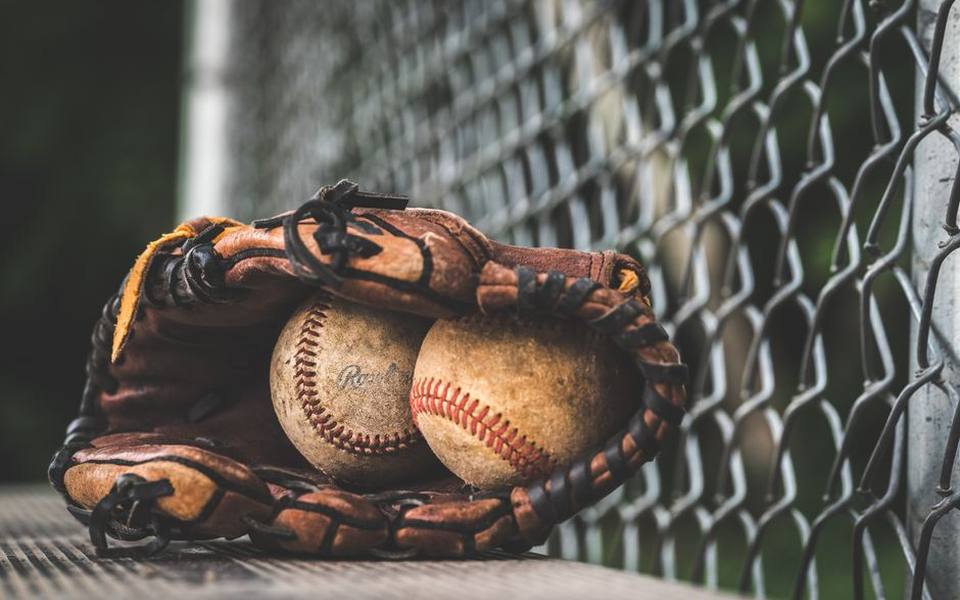
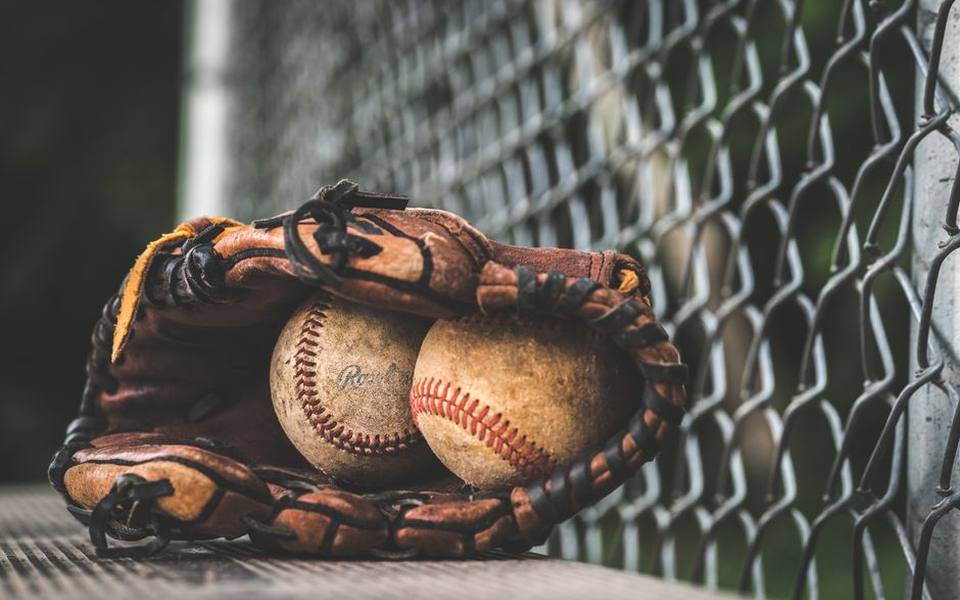
Fielding gloves represent the absolute best value in the secondary market because quality steerhide or kip leather actually improves with proper break-in time. When browsing second-hand glove racks, avoid mitts that have turned floppy, dry, or cracked from poor conditioning or being left in hot car trunks. Look for firm palm padding, tight lacing along the fingers, and leather that still retains enough stiffness in the pinky and thumb stays to form a clean, functional pocket.
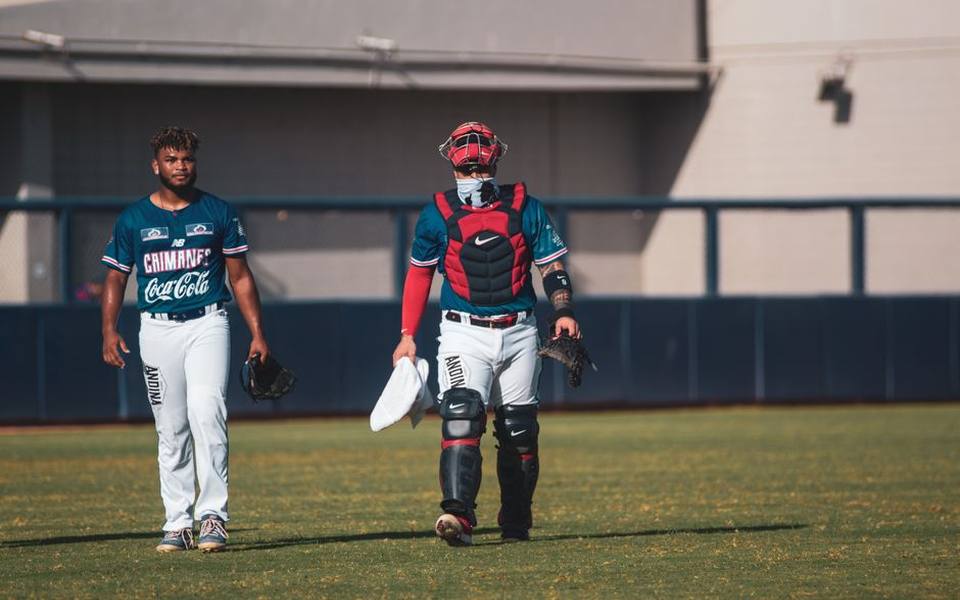
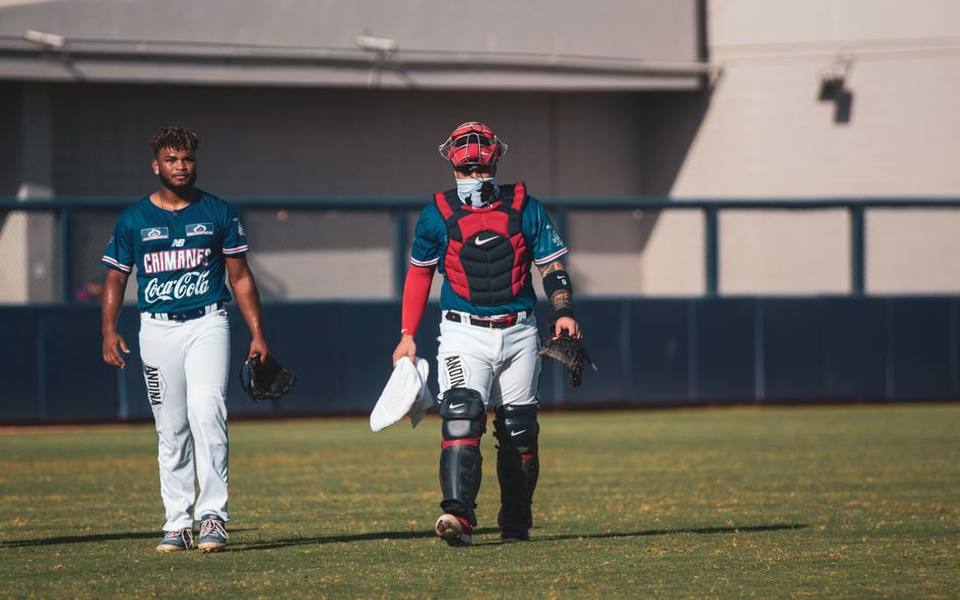
Protective gear requires a far more conservative approach. Used catcher shin guards and chest protectors are generally safe to buy second-hand, provided all buckles latch securely, the harness straps retain elasticity, and internal foam padding remains supple rather than compressed. Clean used gear thoroughly with gentle disinfectant soap to remove dried sweat and dirt before your catcher wears it on the diamond.
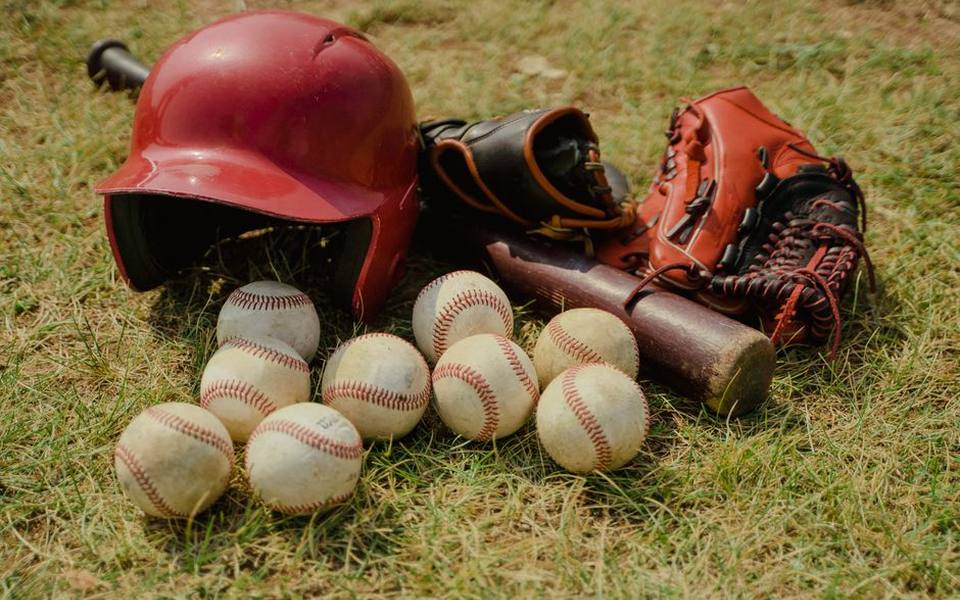
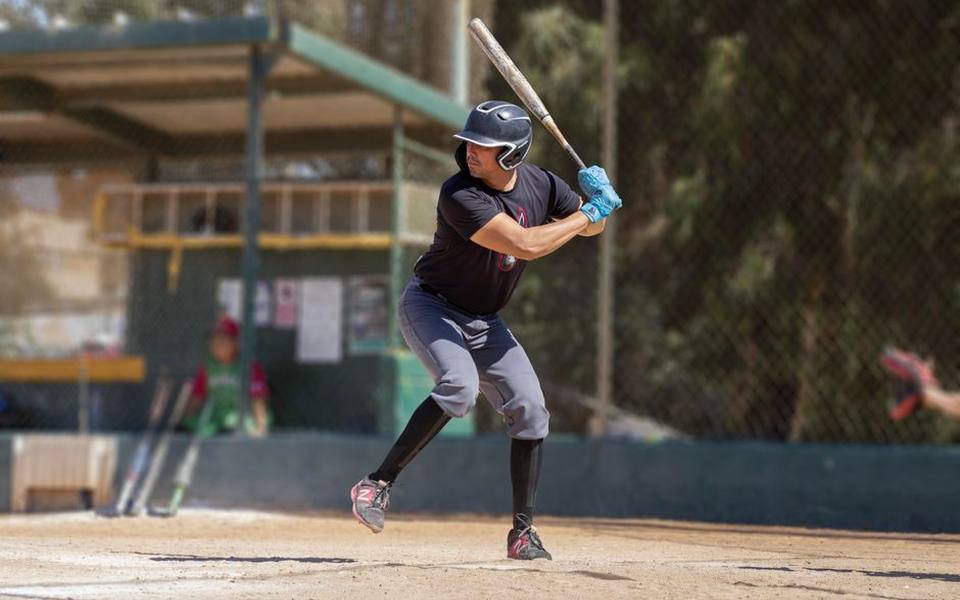
Batting helmets and catcher skull caps, however, require extreme scrutiny. Most leagues mandate certification through safety standard organizations, and helmets with structural cracks, stripped jaw-guard hardware, or hardened interior foam should be rejected immediately. If a helmet looks faded, sun-bleached, or shows heavy deep gouging, buying a brand-new helmet from your closest sporting goods store is a much safer financial choice.
Sourcing Hardware from Training Centers and Pro Counters
Parents often overlook the gear counters located inside regional sports training academies, assuming they only cater to elite travel ball players. In reality, modern baseball & softball training facilities routinely maintain retail relationships with major equipment manufacturers. Because these facilities employ full-time instructors who evaluate swings all day, their equipment shelves are curated specifically for competitive durability rather than generic mass-market sales appeal.
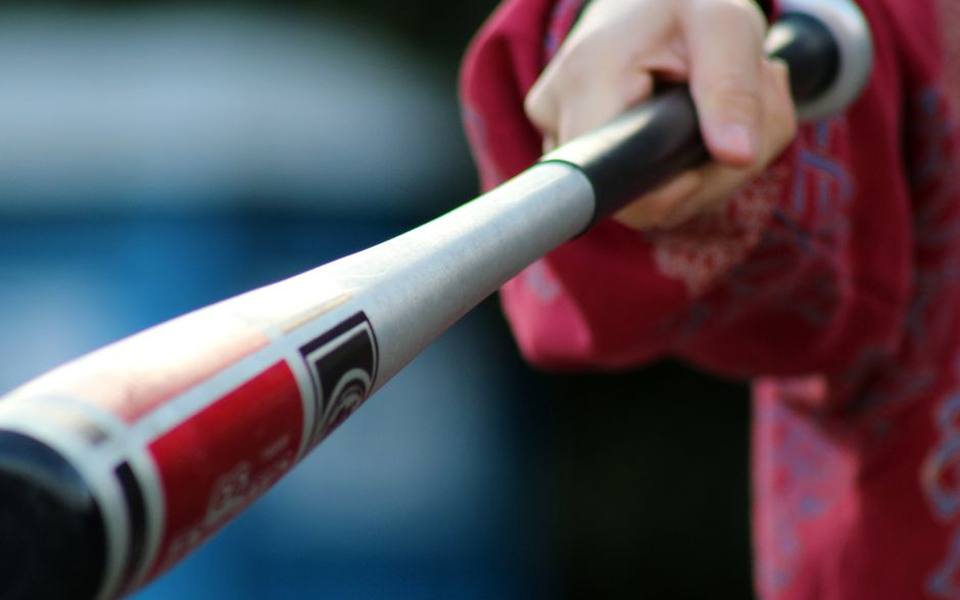
One major advantage of buying through a cage-affiliated pro shop is the ability to test equipment under realistic conditions. General sporting chains will rarely allow you to unpack a bat and take full-speed swings with real baseballs. In contrast, many dedicated hitting facilities keep an extensive library of demo bats for cage rentals or players enrolled in private hitting lessons, letting your player verify weight distribution and swing feel before committing several hundred dollars.
Across the country, our directory includes 3,392 batting cages and hitting complexes in top baseball states alone. Many of these locations operate retail counters stocking high-demand grips, replacement tournament wood, batting tees, and specialized training aids. Stopping by your local academy when searching for hardware gives you direct access to coaching insights that big-box floor employees rarely possess.
Navigating Changing League Equipment Rules and Certifications
A common pitfall when buying second-hand baseball gear is purchasing equipment that no longer meets your league's administrative rules. Sanctioning bodies periodically revise their bat standards to maintain competitive balance and ensure player safety. If you purchase an older model that only carries retired association stamps, local umpires will disqualify the bat during pre-game inspections, leaving your player scrambling for a loaner.
Little League and youth recreation leagues across town almost universally mandate the USA Baseball stamp on metal and composite barrels, designed to mimic wood-bat performance. Meanwhile, middle school travel teams and USSSA tournament circuits generally allow bats with the USSSA 1.15 BPF mark, which provide noticeably more exit velocity. High school baseball rules strictly require BBCOR .50 certification, which regulates barrel drop weight to a minus-three differential.
Before heading to a local sports store or negotiating a trade-in, verify your player's exact division rulebook on bat length-to-weight drops and allowable barrel diameters. A quality independent baseball equipment store will have staff who can look up specific town league parameters on the spot, preventing you from investing in hardware that gets banned at tournament check-in.
Confirming Local Inventory Before You Make the Drive
Few things waste an afternoon like driving across the county to a sporting goods store only to find empty cleat shelves or out-of-stock bat lengths. While major chain stores provide real-time inventory counters on their smartphone apps, those indicators can be delayed by several hours during peak spring stocking periods. A quick phone call directly to the equipment department remains the most reliable confirmation step before you load up the car.
When calling an independent shop or second-hand retailer, be as specific as possible with the retail staff. Instead of asking if they have youth bats in stock, request an associate check for a minus-ten USA-certified bat in either twenty-nine or thirty inches. Specialty shops handle rapid turnover every weekend, and floor associates can quickly glance at the bat rack or put a piece of equipment behind the register for a couple of hours until you arrive.
If you are searching for batting cages or looking to test gear nearby, checking a centralized state directory at battingcageatlas.com helps locate active facilities within short driving distance. Pairing a retail run with a scheduled session at nearby batting cages on site lets you test out newly purchased gloves or fresh bat wraps on the same day.
Leveraging League Swaps and Team Buy-and-Sell Events
Beyond commercial retail storefronts, community baseball leagues host some of the best opportunities to pick up affordable gear through seasonal equipment swaps. These events typically take place during pre-season registration days or early spring evaluations at the town community center. Families whose children have outgrown catcher gear or moved up to middle school field dimensions bring their clean hardware to pass along to younger players entering the program.
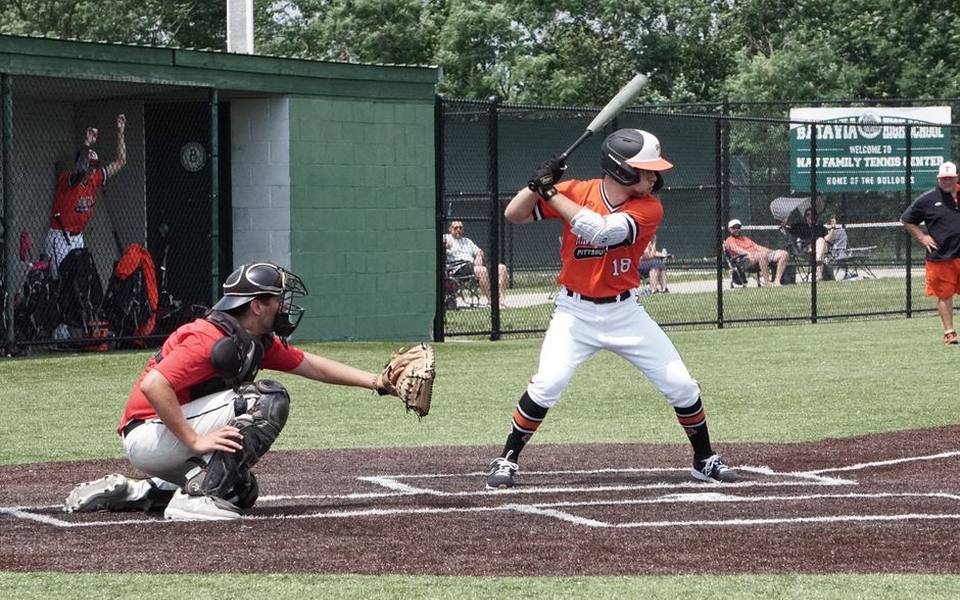
Community swaps often operate on a donation model or nominal cash pricing, allowing parents to assemble complete equipment bags for young beginners without financial strain. Even if your athlete already owns primary game gear, these swaps are fantastic places to pick up secondary backup gloves, cold-weather practice pants, and extra batting helmets for neighborhood practice sessions.
Participating in league swaps also builds strong relationships within your local baseball community. Coaches and board members attending these events can recommend dependable local shops for professional glove restringing, provide guidance on bat sizing, or connect you with older players trading up to high-school grade BBCOR equipment.
Balancing Budget and Long-Term Value in Gear Investments
Equipping a ballplayer across consecutive seasons requires knowing when to save money on second-hand options and when to buy new hardware. Wearable items that endure high friction—such as cleats, game socks, and synthetic sliding shorts—are almost always better purchased new to ensure hygiene, traction integrity, and proper joint support. Footwear with worn-down molded studs increases slip hazards on wet clay diamonds.
Conversely, durable structural hardware like bat bags, hitting tees, heavy-duty ball buckets, and infielder gloves offer exceptional multi-season longevity on the secondary market. A quality leather mitt purchased used for a modest sum can easily serve through multiple league divisions with occasional conditioning, delivering far superior pocket shape compared to cheap synthetic gloves bought new off a discount rack.
If your budget allows for a higher-end bat, balancing the expense by enrolling in structured hitting lessons often yields a much higher performance return than relying on expensive hardware alone. A properly fitted mid-range bat in the hands of a player with confident mechanics will consistently outperform the most expensive high-tech barrel swung with inconsistent timing.
Published 2026-09-21 · reviewed with each rebuild, last October 2026.
Find batting cages & baseball training near you
The directory lists 7,750 batting cages & baseball training by state and city — pick your state or use the “Near me” button in the header.
More guides
-
 Owning
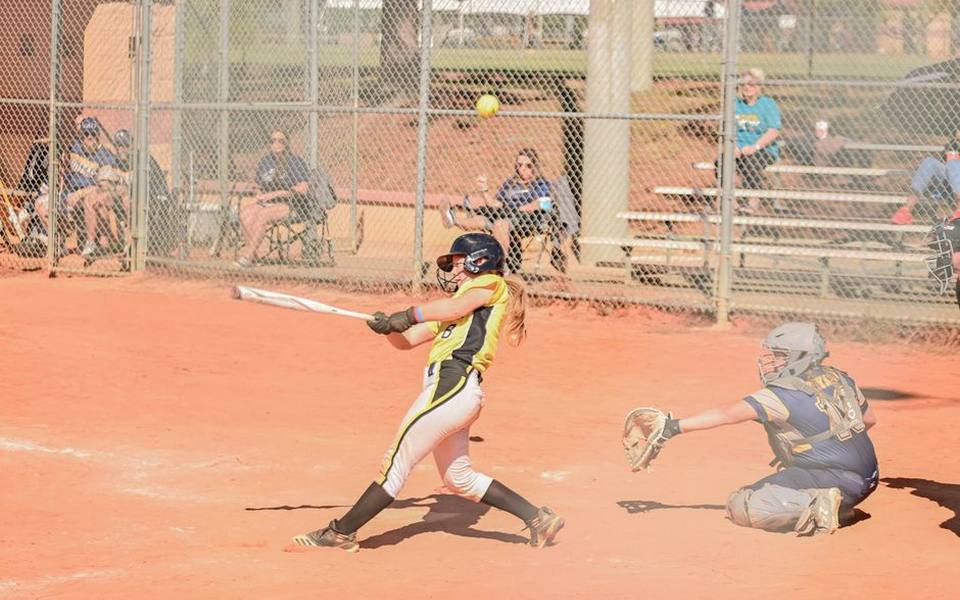
Mastering Softball Mechanics: From Cage Drills to Game-Day Power
-
 Money
MoneyUnderstanding the Expenses of Renting and Building Batting Cages
-
 Safety
Pitching Mechanics: How to Throw Breaking Balls and Build Arm Velocity
-
 Service
Fundamental Swing Mechanics and Handling Breaking Pitches
-
 Owning
Slow Pitch Softball Hitting Guide: Mechanics for Power and Contact
-
 Owning
Building a Consistent Softball Swing: Mechanics, Drills, and Practice Routines
-
 Safety
Pitching Mechanics: Throwing Breaking Pitches and Building Velocity Safely
-
 Owning
Understanding Travel Baseball: Costs, Commitments, and Evaluating the Fit
-
 Buying
Ultimate Guide to Batting Cages and Hitting Nets: Types, Sizing, and Setup
-
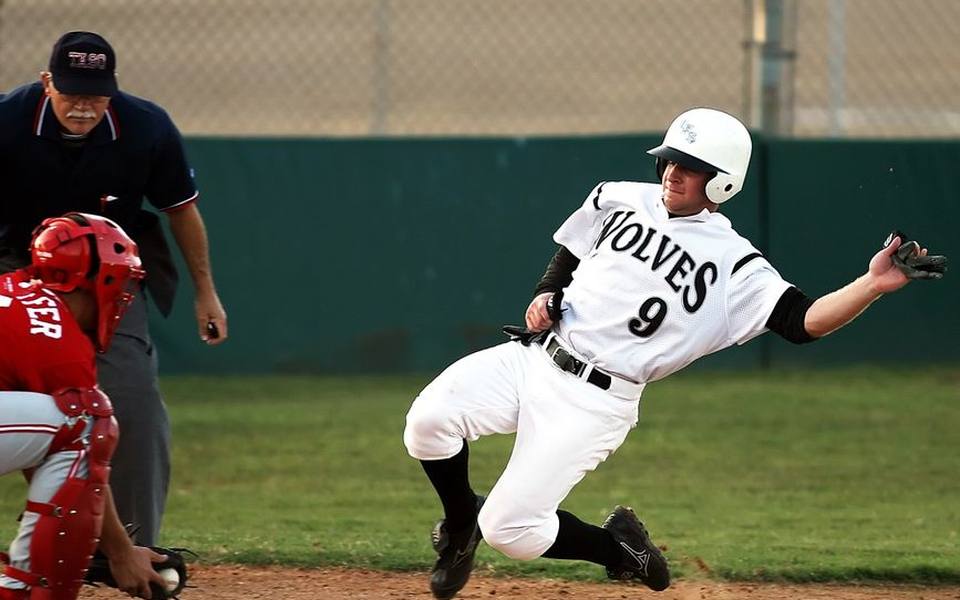 Safety
Youth Baseball Rules: Field Dimensions, Pitch Limits, and Age Brackets
-
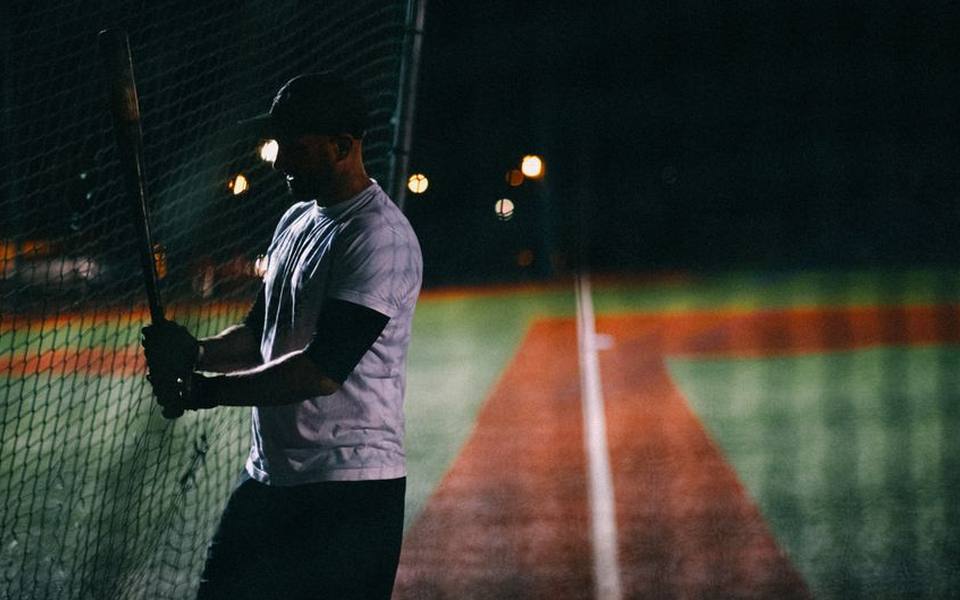 Owning
Batting Practice Essentials: Pitching Machines, Hitting Drills, and Training Equipment
-
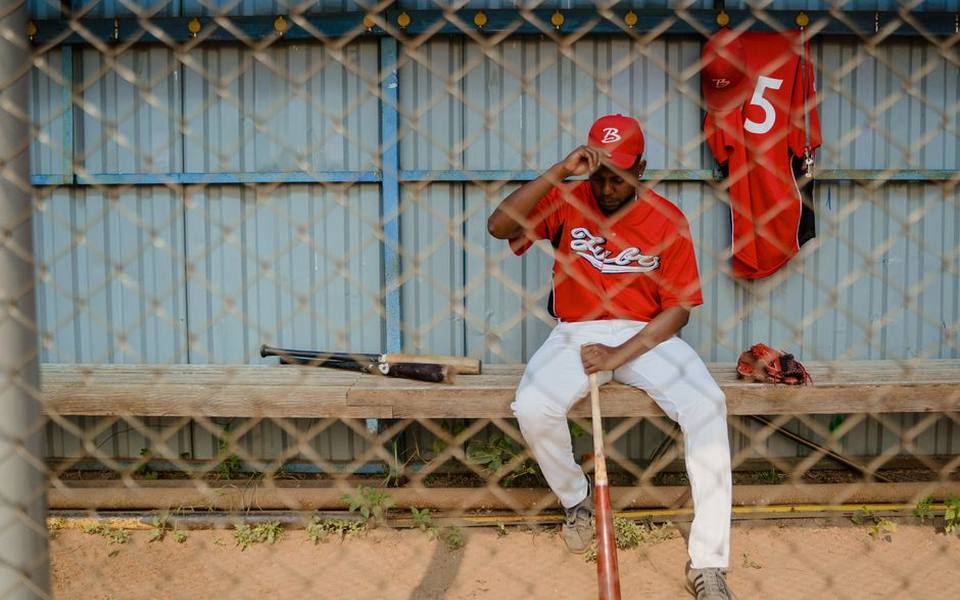 Buying
Baseball & Softball Bat Buying Guide: Sizing, Materials, Certifications, and Custom Options
-
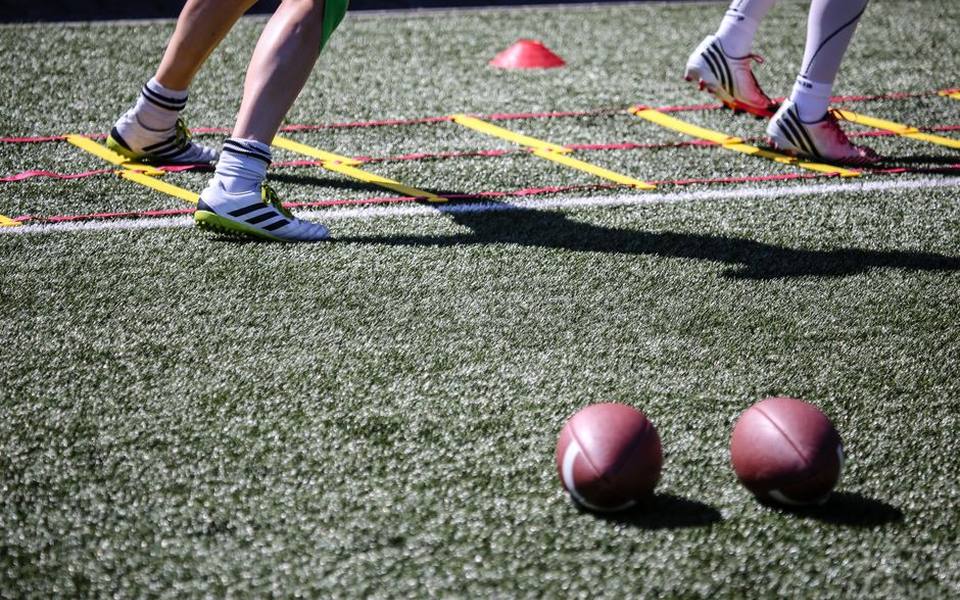 Owning
Agility Ladder Workouts and Footwork Drills for Baseball and Softball
-
 Safety
Protective Baseball Gear Guide: Catchers Gear, Thumb Guards, and Helmet Sizing
-
 Owning
Baseball & Softball Glove Guide: Sizing, Break-In, Relacing, and Maintenance
-
 Buying
Official MLB and Minor League Team Stores: Buying Authentic Fan Gear
-
 Service
Understanding Baseball Sabermetrics: Core and Advanced Stats Explained
-
 Service
Corporate Team Building Guide: Outings, Events, and Venue Selection
-
 Buying
A Complete Guide to Ordering Custom Baseball Uniforms and Team Apparel
-
 Buying
Custom Sports Jerseys Guide: Outfitting Soccer, Track, Volleyball, and Football Teams
-
 Owning
Complete Little League Guide: Schedules, Divisions, Rules, and Grants
-
 Buying
Baseball Birthday Party Ideas: Decorations, Supplies, and Themes
-
 Service
Youth Baseball and Softball Camps: Showcases, Academies, and Clinics
-
 Buying
Custom Fan Apparel and Varsity Jackets: Customization and Sizing
-
 Safety
Youth Pitching Arm Safety: Treating Little League Elbow and Shoulder Injuries
-
 Buying
Custom Baseball and Softball Uniforms: Design, Sublimation, and Ordering Guide
-
 Owning
Youth Baseball and T-Ball Drills: Practice Plans for Coaches and Parents
-
 Safety
Youth Baseball Sizing Guide: Batting Helmets, Gloves, and Protective Gear
-
 Buying
Commercial and Backyard Pitching Machines: Buyer's Guide and Field Maintenance
-
 Service
How to Choose and Enroll in Baseball and Softball Training Camps
-
 Service
Baseball & Softball Hitting Instruction, Swing Tech & Private Coaching Guide
-
 Safety
Baseball & Softball Helmet Sizing and Fit Guide
-
 Owning
How to Build and Outfit a Batting Cage and Hitting Facility
-
 Service
Baseball & Softball Glove Relacing, Restringing, and Care Guide
-
 Safety
Catcher's Gear Sizing, Protection, and Defensive Blocking Mechanics
-
 Service
Baseball Camps, Youth Academies, and Showcase Tryouts Guide
-
 Owning
Adult Baseball, Softball, and Backyard Leagues: A Complete Guide to Modern Formats
-
 Service
Planning Team Building Events, Parties, and Fundraisers at Sports Venues
-
 Service
Softball Mechanics, Pitch Grips, and Gear Sizing Guide