Why Footwork Ladders Belong in Baseball and Softball Training
Baseball and softball are sports defined by brief bursts of multi-directional movement. Whether an infielder is moving through a hop to field a ground ball, a baserunner is reading a pitch in the dirt, or an outfielder is executing a drop step, success depends heavily on foot placement. An agility ladder serves as a tactile framework that trains players to shorten their ground contact time, improve proprioception, and stabilize their center of gravity before initiating a play.
While traditional sprinting builds top-end linear speed, diamond sports demand rapid deceleration, change of direction, and body control within tight spaces. Ladder work helps athletes establish clean motor patterns so their lower bodies react instinctively without conscious hesitation. Players who develop lighter, faster feet can field balls closer to their body, adjust to bad hops, and generate cleaner throwing momentum toward their target.
Coaches and trainers frequently integrate ladder sequences as both dynamic movement prep before throwing and standalone speed-conditioning sessions. Because ladder exercises impose relatively low joint stress compared to heavy plyometric bounding, they can be practiced several times a week without overtaxing an athlete during a demanding tournament schedule. Over time, consistent work directly translates to smoother fielding mechanics and sharper baserunning.
Setting Up Your Equipment and Workout Space
A standard nylon agility ladder with plastic rungs typically measures roughly fifteen feet in length with rungs spaced about eighteen inches apart. For baseball and softball training, flat plastic rungs are preferable to round plastic piping because they minimize tripping hazards and sit flush against dirt, grass, or turf. If you train indoors on polished gym flooring, consider ladders with weighted rubber bases or non-slip backing to prevent the rungs from shifting out of alignment during quick cuts.
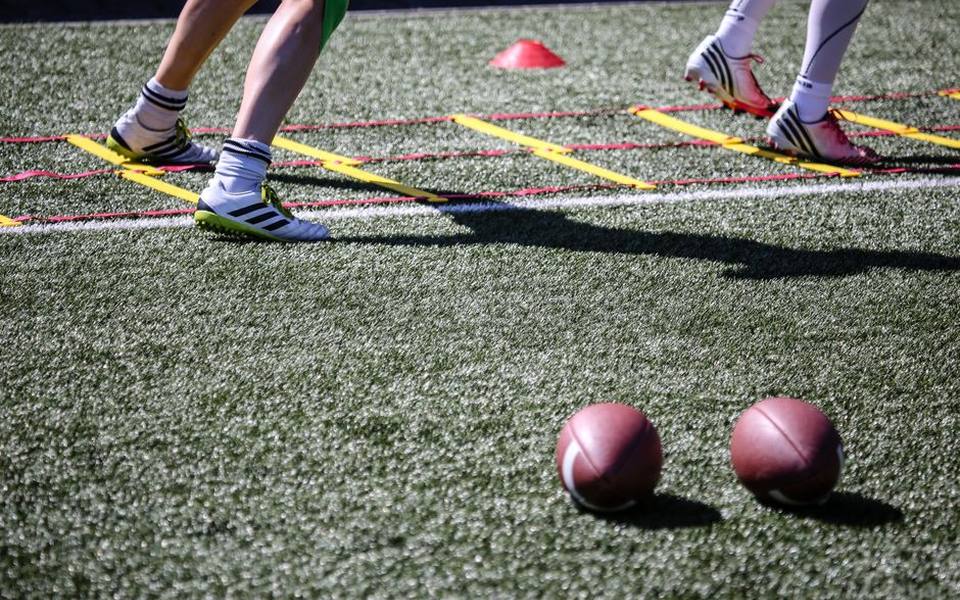
You can lay your ladder down in an open backyard, along a dugout runway, or inside dedicated baseball & softball training facilities where turf surface prevents outdoor weather delays. Ensure you have at least ten feet of clear, unobstructed runway past both ends of the ladder. This open runout zone is critical because the most effective diamond-specific drills do not end at the final rung; they finish with an explosive breakout sprint, a drop step, or a mock fielding posture.
Footwear matters when working through footwork patterns. Athletes should wear supportive turf shoes or cross-trainers rather than molded or metal cleats when running drills on rubberized turf or hard ground. Flat, flexible athletic shoes allow the small stabilizer muscles within the ankles and arches to engage naturally while reducing unnecessary knee torque during lateral directional shifts.
Linear Drills to Sharpen Stride Cadence
Linear footwork patterns train quick turnover, front-side hip flexion, and rhythmic balance. The most fundamental pattern is the single-foot run, where an athlete places exactly one foot in each rung while pumping their arms in sync with their lower half. The objective is not bounding forward with long strides, but rather minimizing the duration each shoe remains stuck to the turf before recycling beneath the hips.
Progressing from single-foot contacts to the two-foot in-and-out drill requires athletes to tap both feet inside each box before driving into the next. This pattern demands a tighter cadence and reinforces posture, requiring players to keep their chest slightly forward over their knees rather than leaning backward onto their heels. A quiet upper body combined with rapid lower-extremity turnover creates the foundation for efficient forward acceleration.
Another essential forward variation is the high-knee ladder drive, which targets explosive hip flexor drive. Players drive each knee upward to parallel while striking the ball of the foot down directly inside the rung opening. In baseball and softball, hip mobility and knee drive dictate how quickly an athlete can exit the batter's box or close the gap on a shallow bloop single into the outfield.
Lateral Patterns for Infield Range and Reaction
Infielders rarely run straight ahead; they shuffle, crossover, and redirect their momentum sideways on almost every contact. Lateral ladder drills force athletes to move across horizontal planes without tangling their feet or allowing their base of support to collapse inward. Moving sideways through the rungs with two quick contacts per box reinforces knee separation and prevents the common flaw of heels clicking together during lateral defense.
The lateral in-and-out pattern begins with the athlete standing sideways alongside the ladder. The lead foot steps into the first square, followed immediately by the trail foot, and then both feet step backward out of the rung before advancing laterally into the next opening. This continuous forward-and-back flutter challenges lateral ankle stability and trains players to remain light on their toes while staying low in a ready position.
Athletes should always perform equal sets facing both directions to maintain balanced development between both hips. In middle infield play, a shortstop moving toward second base uses distinct movement patterns compared to moving toward the third-base hole. Balanced lateral work ensures that a player feels equally comfortable planting and changing directions off either leg.
Complex Footwork and Rhythm Sequences
Once basic linear and lateral movements become second nature, athletes should incorporate multi-directional sequences like the classic Ickey Shuffle. Starting on the outside of the ladder, the player steps laterally into the first box with their inside foot, follows with the outside foot, and then steps outside the next box on the opposite side with their lead foot, pausing momentarily to catch their balance before reversing the pattern.
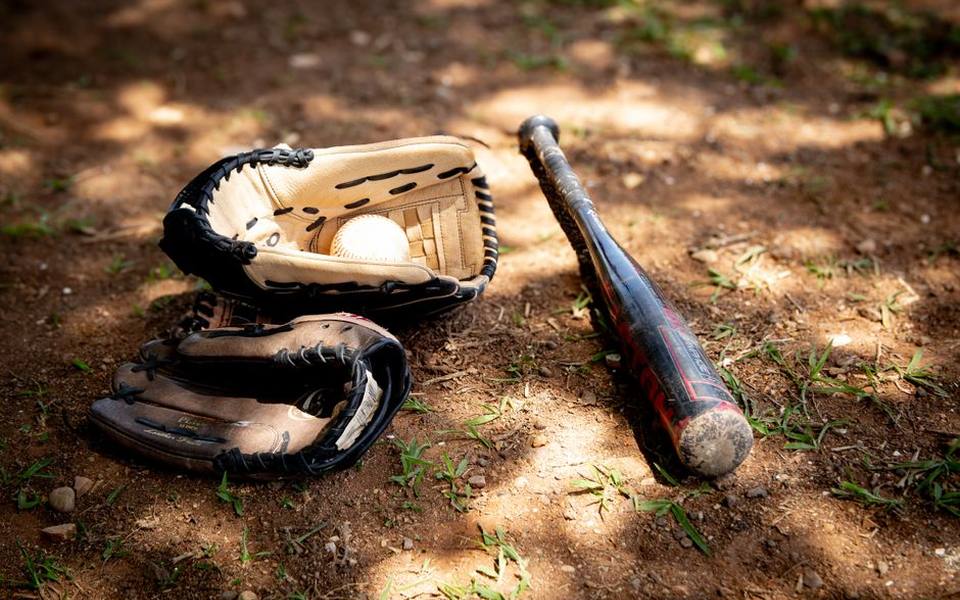
The Ickey Shuffle mirrors the exact breakdown footwork required when an infielder approaches a hit ball. It demands an agile entry, a stable center-of-mass transfer, and an outside plant foot capable of driving power in an opposing direction. For younger players, mastering this cadence often requires slowing down the tempo initially until the step-step-out rhythm becomes clean and automatic.
Another high-value sequence is the hip crossover, or Ali Shuffle, where the athlete straddles the ladder rungs facing sideways and rapidly switches their lead and trail feet within the box. This movement isolates the separation between hip rotation and upper-torso stability. Pitchers, catchers, and hitters all rely on independent hip control to create torque, making this sequence particularly useful across all diamond positions.
Translating Ladder Drills into Fielding Mechanics
An agility ladder is merely a coordination tool until the footwork connects directly to sport-specific actions. To make ladder sessions truly valuable for infielders, coaches should add a fielding finish at the end of each repetition. An athlete can complete an Ickey Shuffle through six rungs, exit the ladder on balance, drop into a low fielding triangle, and secure a rolled ground ball or barehand pickup.
This combination teaches players not to stand up tall as they finish their footwork sequence. One of the most prevalent fielding errors at amateur levels is allowing the chest to drift upward before receiving the ball, which slows down the glove presentation. By positioning a coach with a baseball or softball at the end of the ladder, players learn to transition seamlessly from rapid foot turnover into a grounded, athletic fielding posture.
Outfielders can also benefit by finishing ladder runs with immediate drop-step breakouts. After completing four forward rungs, an outfielder can react to a coach pointing left or right, execute a directional hip turn without false steps, and sprint twenty feet into the open runout zone. This builds the muscle memory needed to track fly balls efficiently off the bat.
Designing a Weekly Agility and Footwork Routine
Agility ladder routines should prioritize movement quality over cardiovascular exhaustion. Because the goal is neural recruitment and rapid neuromuscular firing, performing these exercises in a state of extreme fatigue often leads to sloppy mechanics and bad habits. A standard session typically lasts between ten and twenty minutes, making it ideal as part of a pre-practice dynamic warm-up or a supplement to cage work.
A balanced session generally incorporates four to six distinct drills, running two to three repetitions per drill. Rest intervals between repetitions should be roughly three to four times the duration of the work period, which allows the central nervous system to reset. If a repetition takes five seconds to complete, an athlete should rest about fifteen to twenty seconds before beginning their next pass through the ladder.
Teams can schedule footwork days two to three times per week throughout the preseason and in-season phases. On heavy lifting or high-volume throwing days, ladder sessions should be kept brief, focusing purely on movement fluidity. When training schedules allow, pairing ladder work with regular practice at local indoor batting cages provides a well-rounded balance of athletic movement and skill repetition.
Common Execution Mistakes and How to Correct Them
The single most frequent mistake athletes make on the agility ladder is keeping their eyes glued straight down at their sneakers. While beginners need visual feedback while learning a novel foot sequence, experienced players must train themselves to keep their chin up and eyes scanning forward. In a real game, looking down at your feet means losing track of the baseball, the baserunner, or the third-base coach's signs.
Another common technical error is flat-footed or heavy foot strikes. Ladder work should sound light and crisp, with athletes landing on the balls of their feet with slight knee flexion. Stomping into the boxes creates excessive braking forces, increases joint stress, and prevents the elastic recoil that allows for explosive changes of direction. If an athlete sounds like they are pounding the floor, instruct them to soften their ankles and stay lighter on their feet.
Lastly, many players fail to use their arms properly, letting their hands hang limp at their sides or locking their elbows rigidly. Arm action directly drives leg action; vigorous, controlled arm pumps help stabilize the torso and maintain rhythm through complex patterns. Instruct players to keep their elbows bent around ninety degrees and match their hand turnover to the speed of their feet.
Connecting Footwork Sharpness to Hitting and Cage Work
Hitting power originates from the ground up, and poor foot stability in the batter's box undermines an otherwise sound swing mechanic. Ladder exercises that focus on hip separation and balanced weight distribution teach hitters how to control their lower half during their stride and load phases. Players who possess nimble footwork can adjust more effectively to off-speed pitches and avoid lunging out over their front foot.
Many hitting coaches integrate five minutes of ladder footwork immediately before entering the cage for hitting lessons. Activating the calves, hips, and core through dynamic stepping patterns wakes up the central nervous system, preparing the hitter to rotate with maximum bat speed from their very first swing off the tee or pitching machine.
Facilities that feature indoor turf alongside batting cages on site allow players to alternate between agility drills and live hitting rounds. This combination reinforces the connection between agile lower-body posture and a balanced, powerful swing base, leading to more consistent barrel control during live at-bats.
Progressive Variations for Intermediate and Advanced Athletes
As players gain confidence and mastery over standard ladder patterns, coaches should introduce reactive elements to simulate unpredictability. Instead of running drills to a predictable cadence, have athletes navigate through the ladder while responding to external auditory or visual cues. A coach can call out colors, flash hand signals, or introduce tennis ball tosses that the player must catch while maintaining their foot rhythm.
Another valuable progression involves incorporating resistance bands around the ankles or above the knees during lateral sequences. Light resistance forces the gluteus medius and external hip rotators to fire more aggressively, which directly improves lateral push-off force and helps prevent knee collapse during quick fielding stops.
Finally, athletes can blend ladder patterns with weighted medicine ball throws or resistance cord sprints immediately upon exiting the last box. These contrast training setups develop power by pairing high-frequency neuromuscular firing on the ladder with high-resistance rotational or linear output immediately following the footwork portion.
Published 2026-09-21 · reviewed with each rebuild, last October 2026.
Find batting cages & baseball training near you
The directory lists 7,750 batting cages & baseball training by state and city — pick your state or use the “Near me” button in the header.
More guides
-
 Owning
Mastering Softball Mechanics: From Cage Drills to Game-Day Power
-
 Money
MoneyUnderstanding the Expenses of Renting and Building Batting Cages
-
 Safety
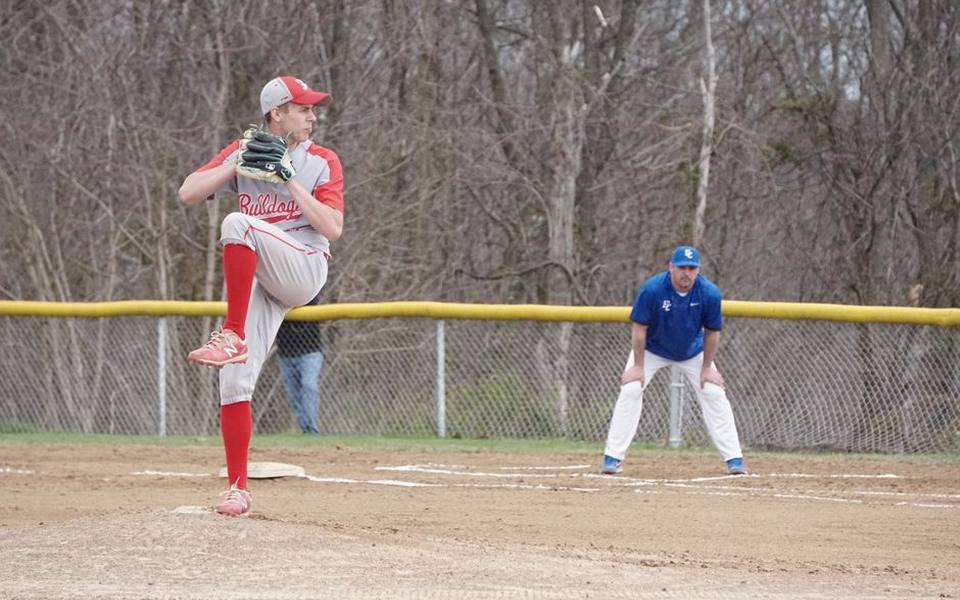
Pitching Mechanics: How to Throw Breaking Balls and Build Arm Velocity
-
 Service
Fundamental Swing Mechanics and Handling Breaking Pitches
-
 Owning
Slow Pitch Softball Hitting Guide: Mechanics for Power and Contact
-
 Owning
Building a Consistent Softball Swing: Mechanics, Drills, and Practice Routines
-
 Safety
Pitching Mechanics: Throwing Breaking Pitches and Building Velocity Safely
-
 Owning
Understanding Travel Baseball: Costs, Commitments, and Evaluating the Fit
-
 Buying
Ultimate Guide to Batting Cages and Hitting Nets: Types, Sizing, and Setup
-
 Safety
Youth Baseball Rules: Field Dimensions, Pitch Limits, and Age Brackets
-
 Owning
Batting Practice Essentials: Pitching Machines, Hitting Drills, and Training Equipment
-
 Buying
Baseball & Softball Bat Buying Guide: Sizing, Materials, Certifications, and Custom Options
-
 Safety
Protective Baseball Gear Guide: Catchers Gear, Thumb Guards, and Helmet Sizing
-
 Owning
Baseball & Softball Glove Guide: Sizing, Break-In, Relacing, and Maintenance
-
 Buying
Official MLB and Minor League Team Stores: Buying Authentic Fan Gear
-
 Service
Understanding Baseball Sabermetrics: Core and Advanced Stats Explained
-
 Service
Corporate Team Building Guide: Outings, Events, and Venue Selection
-
 Buying
A Complete Guide to Ordering Custom Baseball Uniforms and Team Apparel
-
 Buying
Custom Sports Jerseys Guide: Outfitting Soccer, Track, Volleyball, and Football Teams
-
 Owning
Complete Little League Guide: Schedules, Divisions, Rules, and Grants
-
 Buying
Local Sporting Goods Stores: Finding Gear, Trade-Ins, and Used Bats
-
 Buying
Baseball Birthday Party Ideas: Decorations, Supplies, and Themes
-
 Service
Youth Baseball and Softball Camps: Showcases, Academies, and Clinics
-
 Buying
Custom Fan Apparel and Varsity Jackets: Customization and Sizing
-
 Safety
Youth Pitching Arm Safety: Treating Little League Elbow and Shoulder Injuries
-
 Buying
Custom Baseball and Softball Uniforms: Design, Sublimation, and Ordering Guide
-
 Owning
Youth Baseball and T-Ball Drills: Practice Plans for Coaches and Parents
-
 Safety
Youth Baseball Sizing Guide: Batting Helmets, Gloves, and Protective Gear
-
 Buying
Commercial and Backyard Pitching Machines: Buyer's Guide and Field Maintenance
-
 Service
How to Choose and Enroll in Baseball and Softball Training Camps
-
 Service
Baseball & Softball Hitting Instruction, Swing Tech & Private Coaching Guide
-
 Safety
Baseball & Softball Helmet Sizing and Fit Guide
-
 Owning
How to Build and Outfit a Batting Cage and Hitting Facility
-
 Service
Baseball & Softball Glove Relacing, Restringing, and Care Guide
-
 Safety
Catcher's Gear Sizing, Protection, and Defensive Blocking Mechanics
-
 Service
Baseball Camps, Youth Academies, and Showcase Tryouts Guide
-
 Owning
Adult Baseball, Softball, and Backyard Leagues: A Complete Guide to Modern Formats
-
 Service
Planning Team Building Events, Parties, and Fundraisers at Sports Venues
-
 Service
Softball Mechanics, Pitch Grips, and Gear Sizing Guide