Structuring a Productive Cage Session
A productive batting practice session begins with clear objectives rather than simply taking dozens of mindless swings. Stepping directly into a tunnel to hit top-speed pitching rarely builds mechanics; in fact, fatigue and poor timing usually take over within twenty minutes. Hitters develop consistency when their workload moves through deliberate phases, starting from stationary contact and progressing toward game-speed decision making. Breaking down cage time into predictable blocks allows players to address technical flaws before testing their swing under pressure.
Most coaches recommend organizing baseball batting practice into three distinct stages: warm-up tee work, directional toss drills, and machine or live-arm batting. Spending ten to fifteen minutes on a stationary tee allows players to feel their lower-half engagement and bat path without the stress of pitch timing. Transitioning next to front toss or side toss introduces eye tracking and rhythm at manageable speeds. Finally, facing high-velocity feeds or breaking pitches challenges the hitter to apply those mechanical adjustments against realistic reaction windows.
Managing swing volume is just as important as the drills themselves. Taking one hundred unfocused cuts creates diminishing returns and invites blister issues or wrist strain. A disciplined routine of forty to sixty high-intent swings typically yields better retention and motor control than marathon sessions. Hitters should step out between repetitions, reset their stance, take a controlled breath, and visualize their approach just as they would during an official at-bat.
Selecting and Calibrating Pitching Machines
A reliable batting machine serves as the backbone of advanced repetition, but different designs fulfill different training needs. Single-wheel units are portable and budget-friendly, making them popular for basic strike throwing, yet they impart unnatural spin on the ball and struggle to replicate true game trajectory. For collegiate and high-level prep work, multi-wheel machines provide far superior versatility by allowing operators to independently adjust wheel speeds, creating authentic cut, sink, and spin axis changes.
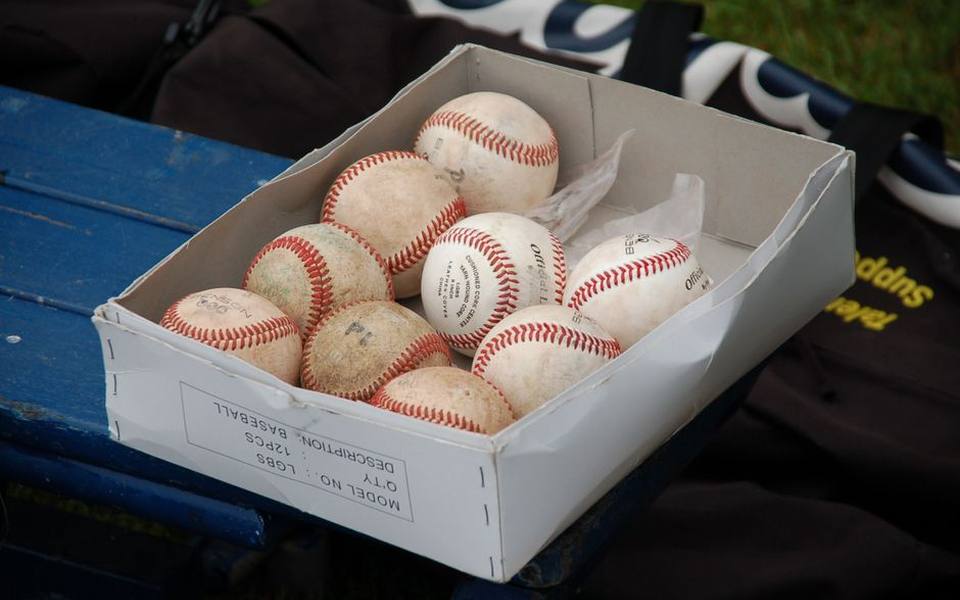
Three-wheel commercial units, such as the Hack Attack Junior and its full-sized counterparts, have become cage standards because they give hitters an unobstructed view of the ball throughout the feeding sequence. Seeing the ball enter the feed chute helps players develop a natural timing trigger, mimicking a pitcher's release point. Meanwhile, dual-wheel workhorses like an ATEC baseball machine are commonly found in training complexes due to their rugged durability and rapid adjustments between fastballs, sweeping sliders, and high-arcing curves.
Calibrating the machine correctly requires attention to safety and realistic plate discipline. Operators must always feed two or three test balls before a batter enters the box, checking that pitches cross within the intended strike zone. Machine wheels also wear down and accumulate dirt over time, which alters velocity and pitch consistency. Regularly wiping down rubber contact surfaces with a damp cloth and checking tire pressure ensures that throws remain predictable and minimize the risk of wild stray balls inside enclosed nets.
Understanding Batter's Box Dimensions and Stance Placement
Stance location inside the batting box significantly alters how a hitter perceives pitch velocity and movement. In baseball, a standard batter's box measures four feet wide by six feet long, positioned six inches away from the edge of home plate. This generous footprint allows hitters to adjust their depth relative to the pitcher, moving forward to intercept breaking pitches before they break sharply, or drifting toward the back corner to gain fractions of a second against elite velocity.
In contrast, softball batter box dimensions are distinctly tailored to the shorter distance of fastpitch pitching rubbers. Regulation fastpitch boxes typically measure three feet wide by seven feet long, extending four feet in front of the center of the plate and three feet behind it. That elongated forward area accommodates slap hitters who take crossover steps toward the pitcher while making contact, an offensive tactic unique to the fastpitch game that demands precise footwork discipline.
When practicing inside local batting cages and hitting facilities, lines on artificial turf often become faint or missing entirely. Hitters should carry chalk or use athletic tape to recreate the outline of the box before starting drills. Practicing without clear boundaries often leads to creeping closer to the plate or standing too far back, which subtly distorts plate coverage habits and disrupts swing mechanics once players return to lined competition fields.
Implementing Weighted Ball Training Safely
Exercises with a weighted ball have transformed modern batting preparation by teaching players how to deliver the barrel with maximum kinetic efficiency. These training implements, often called plyo balls, feature durable synthetic shells filled with sand or micro-bearings and vary widely in weight. By hitting heavier-than-normal balls, players receive immediate sensory feedback; if a hitter cuts across the ball or rolls their wrists prematurely, the weighted ball simply squirts sideways or stops short on the turf.
Overload training using balls weighing between nine and sixteen ounces forces the hitter to recruit larger core muscles rather than relying solely on forearm and hand strength. Solid contact with a heavy ball requires maintaining a palm-up, palm-down wrist orientation through impact, preventing the bat from bouncing backward upon collision. Conversely, underload work with lighter balls trains the central nervous system to accelerate the hands faster, promoting twitch speed and quick bat recovery.
To avoid soft tissue injuries in the wrists, elbows, and shoulders, heavy ball drills should remain low in total volume. A typical program incorporates eight to fifteen swings per session off a stationary tee or gentle side toss before moving to regulation game balls. Players should never hit dense plyo balls off high-speed pitching machines, as the excessive impact energy can crack composite bat barrels and transfer dangerous vibrations into the batter's joints.
Warmup Implements and the Batting Donut Debate
For decades, the classic cast-iron batting donut slipped over the barrel was the universal symbol of an on-deck hitter preparing for battle. The logic seemed simple: swinging a heavily weighted bat before stepping to the plate would make the standard bat feel feather-light in comparison. However, modern sports biomechanics studies have shown that extremely heavy barrel rings actually disrupt the body's motor patterns right before competition, slowing down swing speed for several swings afterward.
When a hitter places a heavy donut near the end of the bat, it shifts the center of mass far out toward the tip, altering the lever mechanics of the swing. The hitter's hands naturally cast outward to counterbalance the excess load, which fosters an elongated swing path rather than a tight, compact turn. For this reason, many contemporary hitting trainers discourage using heavy traditional donuts immediately prior to live at-bats.
Safer alternatives include weighted training sleeves that distribute mass evenly across the entire taper of the bat, or swinging an underloaded stick to prime fast-twitch neuromuscular response. If a player still prefers using an added weight during warmups, keeping the added resistance modest—typically four to eight ounces rather than sixteen or twenty—helps loosen the shoulders and back without compromising the hitter's natural swing sequencing.
Foundational Hitting Drills for Plate Discipline
Consistent offensive production relies on repeatable mechanics, and structured hitting drills remain the most dependable way to reinforce proper movement. One of the most effective routines is the high-and-low tee drill, where two tees are placed side by side at varying heights. The coach or partner calls out which ball to attack just as the hitter initiates their stride, forcing the batter to stay balanced and adjust their barrel angle on the fly rather than guessing beforehand.
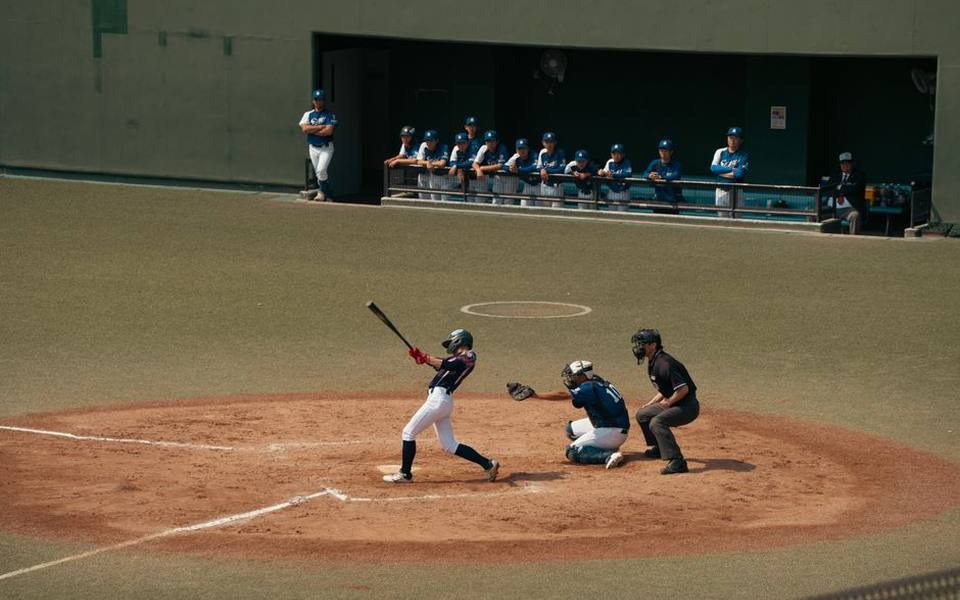
Another cornerstone exercise is the stop-at-contact drill, which eliminates lunging and lunging habits. The batter takes an aggressive, game-speed swing off a front toss but freezes their body precisely at the moment of impact. This allows the player and coach to inspect their kinetic chain: whether the back foot has pivoted properly, if the chest remains centered over the pelvis, and whether the head stays focused on the point of contact without pulling off toward the pull side.
Deep-contact drills teach players to use the entire field rather than pulling everything into foul territory. By positioning the tee slightly deeper in the hitting zone—aligned with the front hip or center of the plate—the hitter is forced to let the ball travel before driving it into the opposite-field gap. Mastering this approach prevents early hip rotation and keeps the hands inside the baseball during live game situations.
Targeted Routines and Drills for Fastpitch Softball
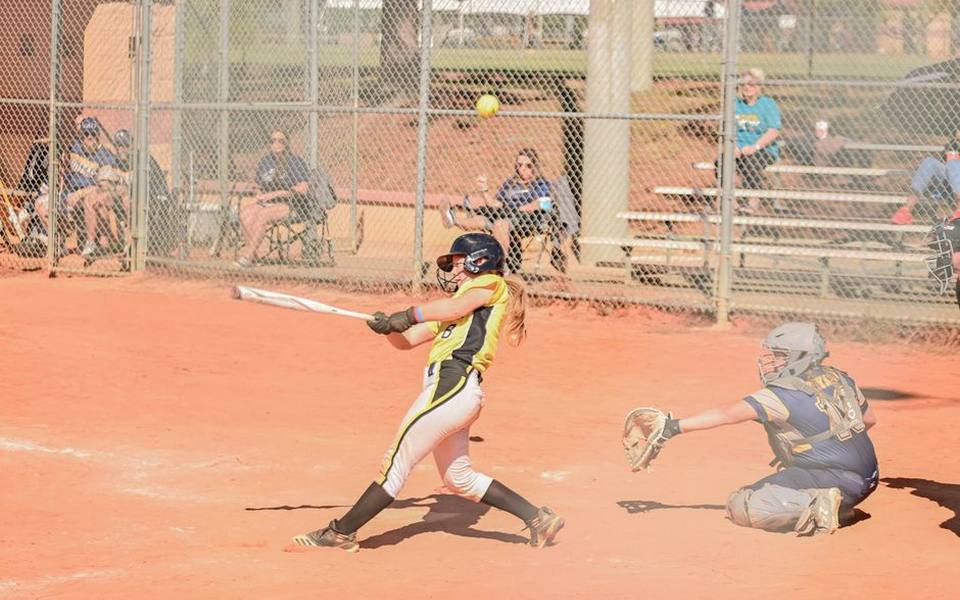
Fastpitch offensive training presents distinct tactical demands due to shorter reaction windows and the unique upward trajectory of rise balls. Hitting drills for softball often prioritize flattening the barrel plane through the upper half of the strike zone. Because underhand pitching enters the hitting zone from a lower release point than overhand baseball throws, hitters must guard against dipping their back shoulder, which leads to weak fly balls and pop-ups against upward-breaking movement.
Front-toss work from behind a protective screen set at thirty-five to forty feet helps softball players adapt to rapid release times. In fastpitch, a sixty-mile-per-hour pitch from forty-three feet offers roughly the same reaction time as an elite ninety-mile-per-hour fastball in baseball. Practicing rapid load-and-fire drills under compact distances forces hitters to shorten their hand path, eliminate unnecessary bat wiggles, and establish early barrel control.
Slap-hitting drills require their own dedicated segment of cage time. Left-handed slap specialists practice crossover footwork while making soft contact on outside pitches, directing ground balls toward the shortstop or third-base gap. Using soft polyurethane balls during slap drills allows players to focus entirely on foot speed, hip orientation, and bat angle without worrying about jamming their hands on mis-hits inside tight batting tunnels.
Managing Machine Angles and Pitch Recognition
A common mistake during machine-based batting practise is setting the unit directly over home plate at excessive velocity. While this looks impressive, it does not prepare hitters for game realities where pitches arrive from distinct angles depending on whether a pitcher throws right- or left-handed. Setting up the machine slightly off-center along the true release corridor creates realistic vision angles, forcing hitters to pick up the ball along an authentic flight line.
To prevent batters from simply timing the mechanical rhythm of the machine's feeder wheel, coaches should introduce visual and tempo variations. Utilizing mixed-pitch sessions—where an operator alternates randomly between fastballs and off-speed pitches—trains plate discipline and pitch recognition. The hitter must identify spin and trajectory out of the chute rather than pre-committing their swing before the ball is released.
When players struggle with contact against fast machine feeds, the best solution is rarely to back out of the cage entirely. Instead, moving the machine back by five to ten feet or reducing the wheel dial slightly restores confidence and rhythm. Gradually stepping up speed as the hitter demonstrates solid barrel control maintains a growth mindset while avoiding the bad habits that arise when batters swing defensively.
Maximizing Work in Dedicated Training Centers
While backyard setups and portable nets are valuable for daily upkeep, regular training in commercial facilities accelerates player development. Visiting climate-controlled indoor batting cages ensures that weather never halts off-season preparation, providing consistent turf surfaces and ample netting height to observe true ball flight. Many advanced complexes also feature high-speed cameras and radar monitors that track exit velocity, launch angle, and spin rate in real time.
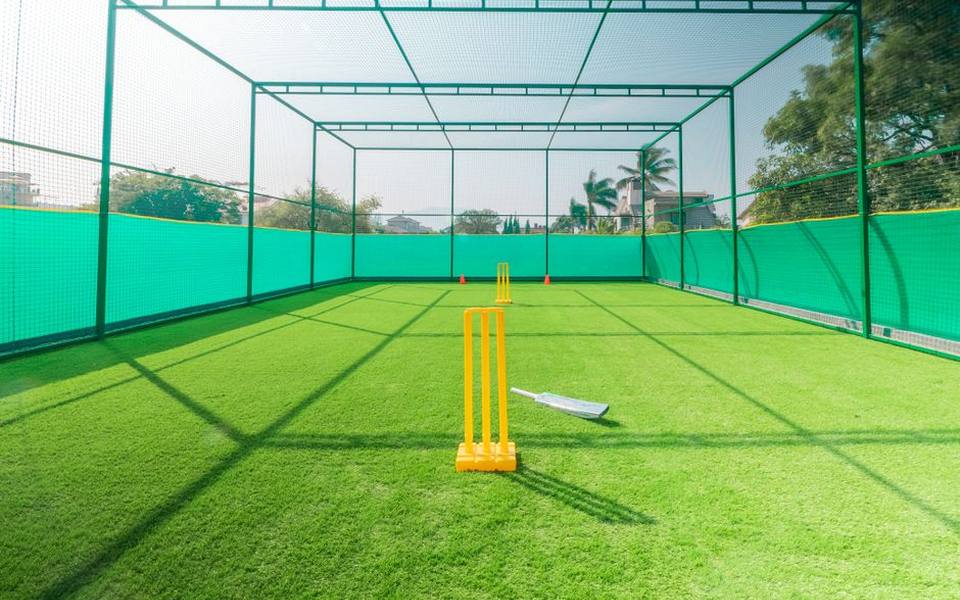
Athletes looking for comprehensive development often turn to full-scale baseball and softball training facilities that offer structured strength conditioning alongside batting practice. These environments allow hitters to pair mechanical cage repetitions with mobility drills, rotational power exercises, and arm care routines under professional guidance. Combining weight room development with cage practice builds durable athletes capable of maintaining bat speed through grueling weekend tournaments.
For hitters experiencing persistent mechanical slumps or mechanical hitching, working with instructors at batting cages with hitting lessons provides individualized feedback that self-guided practice cannot match. Seasoned hitting coaches spot subtle flaws—such as early hip leak, bat wrap, or unbalanced weight transfer—that video replay alone might miss. Investing in periodic private instruction establishes a baseline of correct fundamentals that players can reinforce during independent practice sessions.
Cage Safety and Essential Protective Gear
Safety should remain the top priority throughout any batting practice routine. An enclosed batting tunnel contains tremendous kinetic energy, and ricochets off steel cage frames or tension cables can cause severe injuries in an instant. Every batter must wear a certified batting helmet with face protection at all times inside the enclosure, even during light tee work or warm-up tosses.
The person operating the pitching machine or throwing front toss must stand entirely behind a padded, heavy-duty L-screen. The operator should keep their entire body—including hands, elbows, and feet—tucked behind the protective netting before, during, and after releasing each ball. Netting on L-screens and tunnel walls should be checked regularly for fraying, broken strands, or loose zip ties that could allow high-velocity line drives to pass through.
Maintaining orderly cage hygiene also prevents preventable slips and falls. Baseballs and softballs should never be allowed to accumulate loosely around the batter's feet or near the home plate area. Clear the batter's box and surrounding floor every twenty to thirty swings, sweeping balls toward the back of the net or collecting them in rolling ball caddies before resuming live hitting drills.
Published 2026-09-21 · reviewed with each rebuild, last October 2026.
Find batting cages & baseball training near you
The directory lists 7,750 batting cages & baseball training by state and city — pick your state or use the “Near me” button in the header.
More guides
-
 Owning
Mastering Softball Mechanics: From Cage Drills to Game-Day Power
-
 Money
MoneyUnderstanding the Expenses of Renting and Building Batting Cages
-
 Safety
Pitching Mechanics: How to Throw Breaking Balls and Build Arm Velocity
-
 Service
Fundamental Swing Mechanics and Handling Breaking Pitches
-
 Owning
Slow Pitch Softball Hitting Guide: Mechanics for Power and Contact
-
 Owning
Building a Consistent Softball Swing: Mechanics, Drills, and Practice Routines
-
 Safety
Pitching Mechanics: Throwing Breaking Pitches and Building Velocity Safely
-
 Owning
Understanding Travel Baseball: Costs, Commitments, and Evaluating the Fit
-
 Buying
Ultimate Guide to Batting Cages and Hitting Nets: Types, Sizing, and Setup
-
 Safety
Youth Baseball Rules: Field Dimensions, Pitch Limits, and Age Brackets
-
 Buying
Baseball & Softball Bat Buying Guide: Sizing, Materials, Certifications, and Custom Options
-
 Owning
Agility Ladder Workouts and Footwork Drills for Baseball and Softball
-
 Safety
Protective Baseball Gear Guide: Catchers Gear, Thumb Guards, and Helmet Sizing
-
 Owning
Baseball & Softball Glove Guide: Sizing, Break-In, Relacing, and Maintenance
-
 Buying
Official MLB and Minor League Team Stores: Buying Authentic Fan Gear
-
 Service
Understanding Baseball Sabermetrics: Core and Advanced Stats Explained
-
 Service
Corporate Team Building Guide: Outings, Events, and Venue Selection
-
 Buying
A Complete Guide to Ordering Custom Baseball Uniforms and Team Apparel
-
 Buying
Custom Sports Jerseys Guide: Outfitting Soccer, Track, Volleyball, and Football Teams
-
 Owning
Complete Little League Guide: Schedules, Divisions, Rules, and Grants
-
 Buying
Local Sporting Goods Stores: Finding Gear, Trade-Ins, and Used Bats
-
 Buying
Baseball Birthday Party Ideas: Decorations, Supplies, and Themes
-
 Service
Youth Baseball and Softball Camps: Showcases, Academies, and Clinics
-
 Buying
Custom Fan Apparel and Varsity Jackets: Customization and Sizing
-
 Safety
Youth Pitching Arm Safety: Treating Little League Elbow and Shoulder Injuries
-
 Buying
Custom Baseball and Softball Uniforms: Design, Sublimation, and Ordering Guide
-
 Owning
Youth Baseball and T-Ball Drills: Practice Plans for Coaches and Parents
-
 Safety
Youth Baseball Sizing Guide: Batting Helmets, Gloves, and Protective Gear
-
 Buying
Commercial and Backyard Pitching Machines: Buyer's Guide and Field Maintenance
-
 Service
How to Choose and Enroll in Baseball and Softball Training Camps
-
 Service
Baseball & Softball Hitting Instruction, Swing Tech & Private Coaching Guide
-
 Safety
Baseball & Softball Helmet Sizing and Fit Guide
-
 Owning
How to Build and Outfit a Batting Cage and Hitting Facility
-
 Service
Baseball & Softball Glove Relacing, Restringing, and Care Guide
-
 Safety
Catcher's Gear Sizing, Protection, and Defensive Blocking Mechanics
-
 Service
Baseball Camps, Youth Academies, and Showcase Tryouts Guide
-
 Owning
Adult Baseball, Softball, and Backyard Leagues: A Complete Guide to Modern Formats
-
 Service
Planning Team Building Events, Parties, and Fundraisers at Sports Venues
-
 Service
Softball Mechanics, Pitch Grips, and Gear Sizing Guide