Understanding Growth Plate Vulnerability in Young Arms
Youth pitching arm injuries almost always originate at the developing growth plates rather than in torn ligaments or ruptured tendons. Because immature bones are still growing, the cartilaginous growth plates at the medial elbow and proximal humerus are significantly softer than the surrounding tendons and ligaments. When a young athlete throws repeatedly with high velocity or poor mechanics, repetitive stress concentrates at these weak junctions instead of dissipating evenly across fully ossified bone.
Medial epicondylar apophysitis, commonly known as Little League elbow, develops when repeated valgus tension pulls aggressively on the growth plate along the inside of the elbow joint. Simultaneously, compressive forces pinch the lateral side of the joint, risking cartilage detachment or bone spur formation. Without prompt intervention, minor inflammation can rapidly progress to micro-fractures, partial avulsion fractures, or long-term joint deformity that compromises the athlete's ability to throw permanently.
Similarly, proximal humeral epiphysiolysis, often referred to as Little League shoulder, stems from violent rotational torque across the upper arm growth plate during acceleration and deceleration. Young pitchers experience localized micro-trauma as the arm whips forward into internal rotation. Recognizing that these conditions represent structural growth plate stress rather than ordinary muscle soreness is the first critical step toward protecting young players throughout their amateur careers.
Recognizing Warning Signs and Early Clinical Symptoms
Recognizing an arm injury early often depends on subtle behavioral shifts rather than dramatic complaints of sharp pain on the mound. Many dedicated youth players attempt to mask discomfort out of fear of letting down coaches, parents, or teammates. Coaches typically notice a sudden drop in pitching velocity, declining control, or a noticeable alteration in release point before the player ever admits to feeling discomfort inside the elbow or shoulder joint.
Elbow pathology usually manifests as point tenderness along the bony knob on the inner elbow, persistent stiffness after throwing sessions, and difficulty extending the arm fully. In contrast, shoulder issues tend to produce deep aching pain during the late cocking and follow-through phases of the throw. Athletes often describe shoulder stiffness when reaching behind their back or reaching across the chest to put on clothing the following morning.
Any localized swelling, numbness radiating down the forearm into the fingers, or pain that persists longer than forty-eight hours warrants an immediate cessation of throwing. Pushing through what players describe as tight muscles frequently causes bone separation at the growth plate. Catching these red flags during routine warmups prevents minor irritation from transforming into a season-ending structural injury that requires prolonged clinical management.
Radiology and Diagnostic Imaging Protocols
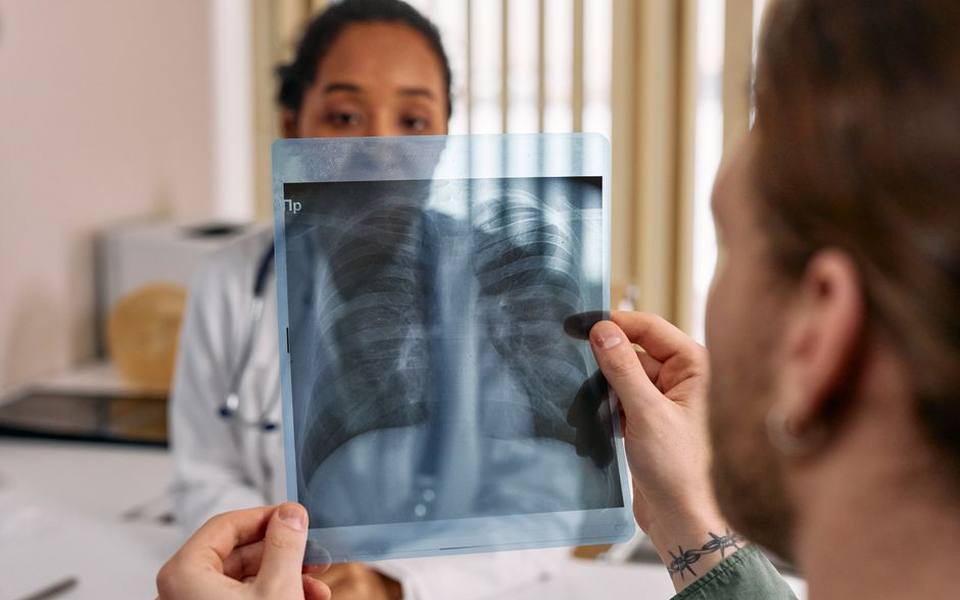
A formal evaluation by an orthopedic specialist or sports medicine physician typically begins with bilateral plain radiography to assess bone integrity. Taking x-rays of both the injured and uninjured arm is essential because pediatric growth plates naturally vary in appearance by age and physical maturity. Comparing views allows the clinician to detect subtle asymmetries that indicate pathology rather than normal adolescent bone development.
In elbow radiology, clinicians search for widening of the medial apophyseal growth plate, irregular bone margins, fragmentation, or avulsion where the flexor-pronator mass attaches. Radiographs of the shoulder generally reveal widening, demineralization, or cystic changes along the proximal humeral growth plate. If the radiographic results are inconclusive but clinical symptoms remain pronounced, advanced imaging may become necessary to rule out deeper joint damage.
Magnetic resonance imaging is reserved for ambiguous cases or when doctors suspect osteochondritis dissecans of the capitellum, labral tears, or occult stress fractures. Magnetic resonance can detect bone marrow edema weeks before architectural changes show up on conventional film. Establishing an accurate baseline through proper medical imaging guarantees that rehabilitation addresses the exact degree of growth plate involvement.
First-Line Medical Treatment and the Rest Phase
The cornerstone of treatment for growth plate irritation in young pitchers is an absolute, non-negotiable shutdown from all overhead throwing activities. Attempting to manage active growth plate inflammation while continuing to play catch, practice infield throws, or hit off tees will consistently derail recovery. The irritated growth plate requires a stable mechanical environment free from tensile strain to heal its cartilaginous matrix.
Initial symptom management focuses on reducing local inflammation through ice application, short courses of physician-approved anti-inflammatory medication, and temporary joint protection. If the athlete exhibits severe point tenderness or structural widening on imaging, orthopedic specialists occasionally recommend a brief period of arm immobilization using a sling or hinged brace. However, total immobilization rarely exceeds ten to fourteen days to prevent excessive capsular stiffness and muscular atrophy.
During this rest window, players should redirect their energy toward lower-body mobility, cardiovascular conditioning, and trunk stability. Maintaining overall physical fitness keeps young athletes mentally engaged while taking zero strain off the affected joint. Completely respecting this quiet healing period creates the biological foundation necessary for safe progressive reloading later in the rehabilitation timeline.
Expected Recovery Timelines and Staged Return to Play
Recovery timelines for pediatric throwing injuries vary substantially depending on the severity of growth plate widening and how quickly the athlete ceased throwing after symptom onset. Mild cases caught during early inflammation typically require six to eight weeks of complete rest from throwing. Moderate to severe cases featuring radiographic widening or bone fragmentation routinely demand twelve to sixteen weeks of strict throwing cessation before clearance.
Return to the diamond must follow a structured, phased throwing protocol supervised by a physical therapist or sports training professional. The initial phase starts with short-distance flat-ground throws using minimal effort, gradually progressing toward full-distance throwing over several weeks. Pitchers should never throw from an elevated mound until they can complete high-volume flat-ground throwing sessions without residual stiffness or post-session pain.
Rushing this recovery window significantly elevates the risk of chronic reinjury and permanent growth plate premature closure. Athletes progressing through off-season work at batting cages and hitting facilities should restrict themselves to non-throwing drill work until clear medical release is granted. Patience during the rehabilitation cycle protects long-term joint health over short-term tournament appearances.
Pitch Counts and Mandatory Rest Day Guidelines
Adhering to strict pitch count regulations represents the single most effective intervention for preventing overuse arm conditions in youth baseball. Major governing bodies establish clear ceiling counts categorized strictly by chronological age to prevent physical exhaustion. For instance, athletes aged nine to ten are generally limited to seventy-five pitches per day, while pitchers aged thirteen to sixteen typically max out between eighty-five and ninety-five pitches.
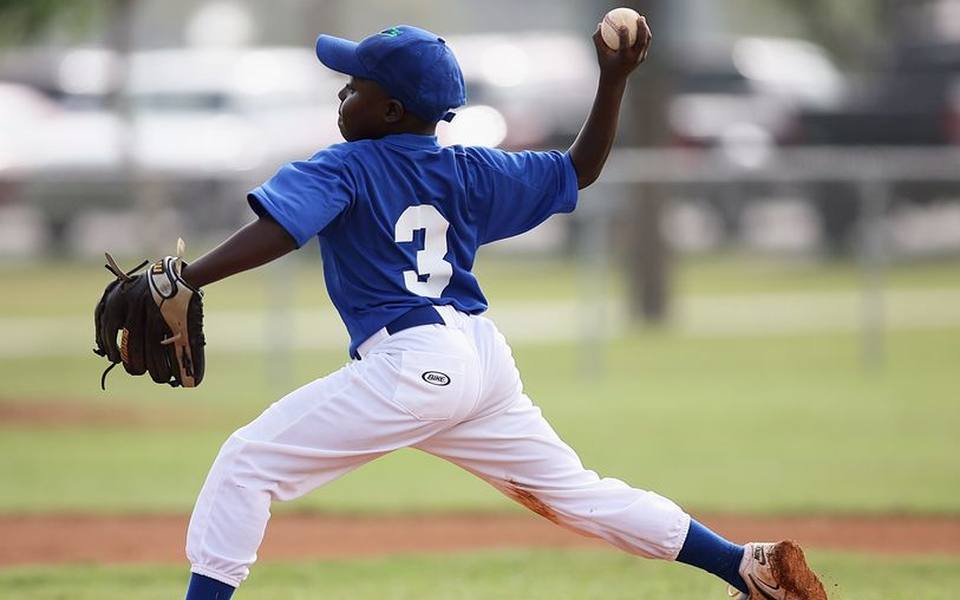
Equally vital is strict compliance with mandatory rest days, which directly correlate with the volume of pitches delivered during an appearance. A pitcher throwing more than sixty-five pitches in an outing typically requires four full calendar days of rest before throwing again in competition. Violations frequently occur when young athletes pitch for multiple teams concurrently, such as a school program and a private travel team, without shared tracking logs.
Coaches and parents must also count warmup pitches, bullpen sessions, and defensive throws made during fielding drills toward cumulative arm volume. Pitching through shoulder fatigue alters throwing biomechanics, forcing the forearm and elbow to absorb kinetic energy that the hips and torso fail to transfer. Vigilant tracking across all practices and games keeps athletes well below dangerous cumulative thresholds.
Shoulder Prehab and Daily Arm Care Routines
A consistent daily arm care regimen prepares the kinetic chain for throwing stress and reinforces the rotator cuff against joint distraction. Prehab exercises should focus on dynamic warmups that raise core body temperature and activate the stabilizing muscles around the shoulder blade. Static stretching prior to throwing has fallen out of favor, replaced by active movements that mimic the natural planes of pitching motion.
Elastic resistance band routines are ideal for waking up the posterior rotator cuff and scapular stabilizers before picking up a baseball. Movements like external rotations, scaption raises, and prone horizontal abductions strengthen the smaller decelerator muscles that brake the arm after release. Establishing these habits early teaches adolescent pitchers to take ownership of their physical readiness before stepping onto the diamond.
Players looking to develop balanced mechanics often integrate prehab drills into their general schedules at specialized baseball & softball training facilities under the guidance of knowledgeable instructors. Arm care routines should take no more than fifteen minutes prior to throwing, serving as a functional transition from everyday activity into sport-specific demands. Consistency across months builds durable, resilient throwing joints.
Strength and Conditioning for the Throwing Kinetic Chain
Pitching velocity and durability do not originate in the arm; they are generated through the legs, pelvis, and core before being transferred through the shoulder to the hand. Youth strength and conditioning should therefore prioritize foundational athletic movements rather than isolated upper-body bodybuilding exercises. Building strong glutes, hamstrings, and trunk rotators allows the pitcher to generate force from the ground up, reducing strain on the arm.
Adolescent athletes should master basic bodyweight movements such as lunges, single-leg hinges, planks, and medicine ball rotational throws before incorporating external weights. Developing thoracic spine mobility and hip internal rotation allows the torso to rotate cleanly during the stride phase without forcing the shoulder into extreme hyper-angulation. A mobile torso and stable pelvis absorb throwing shock far better than an isolated elbow joint.
Strength programs should be periodized to balance the high physical demands of competitive seasons with rebuilding phases in the off-season. Avoiding year-round competitive pitching gives young bodies the recovery window necessary to build genuine musculoskeletal capacity. When young players develop a robust athletic foundation, their throwing arm experiences significantly less mechanical stress during every single pitch.
Supportive Modalities and Recovery Techniques
In addition to active exercise and rest, several supportive modalities are frequently utilized to ease muscular tension and promote soft tissue circulation in throwers. Techniques such as myofascial release using foam rollers or massage balls can alleviate tightness in the latissimus dorsi, pectoralis minor, and forearm flexor compartments. Relieving chronic tension in these secondary movers restores normal joint tracking throughout the throwing arc.

Cupping therapy techniques have gained substantial popularity among overhead athletes seeking to improve localized blood flow and tissue mobility. By creating negative pressure with specialized suction cups on the posterior shoulder and periscapular region, therapists lift the superficial tissue layers to decrease fascial restrictions. While cupping does not cure underlying bone or growth plate stress, it provides symptomatic relief for surrounding musculature compensating for altered throwing patterns.
Modalities like heat therapy, cold therapy, and pneumatic compression should be viewed strictly as complementary tools rather than stand-alone treatments. Heat works well before physical therapy or training to improve tissue extensibility, whereas ice is best reserved for post-activity pain management. Recovery tools can never replace fundamental rest, biomechanical corrections, and balanced throwing workloads in keeping young pitchers healthy.
Safe Transition Back to Competition and Indoor Work
Reintegrating a young pitcher into full competitive play demands careful management of throwing intensity, volume, and environmental conditions. Once medical clearance is achieved, initial bullpen sessions should be thrown at sub-maximal effort under careful mechanical observation. Pitchers must rediscover clean kinetic sequencing on flat ground before facing live batters or working off elevated pitching mounds.
Practicing inside climate-controlled indoor batting cages provides a predictable environment where mechanics can be evaluated without weather variables or competitive pressure. Working closely with coaches or professional trainers offering structured hitting lessons and throwing clinics ensures that the athlete avoids falling back into faulty movement patterns, such as dropping the elbow below the shoulder line or failing to rotate the hips cleanly.
Parental communication with all team coaches remains vital throughout the first season back from an arm injury. Establishing shared pitch logs and setting hard inning limits prevents overuse across travel and scholastic teams. By prioritizing long-term arm health over short-term tournament victories, families ensure that young athletes enjoy baseball safely throughout their developmental years.
Published 2026-09-21 · reviewed with each rebuild, last October 2026.
Find batting cages & baseball training near you
The directory lists 7,750 batting cages & baseball training by state and city — pick your state or use the “Near me” button in the header.
More guides
-
 Owning
Mastering Softball Mechanics: From Cage Drills to Game-Day Power
-
 Money
MoneyUnderstanding the Expenses of Renting and Building Batting Cages
-
 Safety
Pitching Mechanics: How to Throw Breaking Balls and Build Arm Velocity
-
 Service
Fundamental Swing Mechanics and Handling Breaking Pitches
-
 Owning
Slow Pitch Softball Hitting Guide: Mechanics for Power and Contact
-
 Owning
Building a Consistent Softball Swing: Mechanics, Drills, and Practice Routines
-
 Safety
Pitching Mechanics: Throwing Breaking Pitches and Building Velocity Safely
-
 Owning
Understanding Travel Baseball: Costs, Commitments, and Evaluating the Fit
-
 Buying
Ultimate Guide to Batting Cages and Hitting Nets: Types, Sizing, and Setup
-
 Safety
Youth Baseball Rules: Field Dimensions, Pitch Limits, and Age Brackets
-
 Owning
Batting Practice Essentials: Pitching Machines, Hitting Drills, and Training Equipment
-
 Buying
Baseball & Softball Bat Buying Guide: Sizing, Materials, Certifications, and Custom Options
-
 Owning
Agility Ladder Workouts and Footwork Drills for Baseball and Softball
-
 Safety
Protective Baseball Gear Guide: Catchers Gear, Thumb Guards, and Helmet Sizing
-
 Owning
Baseball & Softball Glove Guide: Sizing, Break-In, Relacing, and Maintenance
-
 Buying
Official MLB and Minor League Team Stores: Buying Authentic Fan Gear
-
 Service
Understanding Baseball Sabermetrics: Core and Advanced Stats Explained
-
 Service
Corporate Team Building Guide: Outings, Events, and Venue Selection
-
 Buying
A Complete Guide to Ordering Custom Baseball Uniforms and Team Apparel
-
 Buying
Custom Sports Jerseys Guide: Outfitting Soccer, Track, Volleyball, and Football Teams
-
 Owning
Complete Little League Guide: Schedules, Divisions, Rules, and Grants
-
 Buying
Local Sporting Goods Stores: Finding Gear, Trade-Ins, and Used Bats
-
 Buying
Baseball Birthday Party Ideas: Decorations, Supplies, and Themes
-
 Service
Youth Baseball and Softball Camps: Showcases, Academies, and Clinics
-
 Buying
Custom Fan Apparel and Varsity Jackets: Customization and Sizing
-
 Buying
Custom Baseball and Softball Uniforms: Design, Sublimation, and Ordering Guide
-
 Owning
Youth Baseball and T-Ball Drills: Practice Plans for Coaches and Parents
-
 Safety
Youth Baseball Sizing Guide: Batting Helmets, Gloves, and Protective Gear
-
 Buying
Commercial and Backyard Pitching Machines: Buyer's Guide and Field Maintenance
-
 Service
How to Choose and Enroll in Baseball and Softball Training Camps
-
 Service
Baseball & Softball Hitting Instruction, Swing Tech & Private Coaching Guide
-
 Safety
Baseball & Softball Helmet Sizing and Fit Guide
-
 Owning
How to Build and Outfit a Batting Cage and Hitting Facility
-
 Service
Baseball & Softball Glove Relacing, Restringing, and Care Guide
-
 Safety
Catcher's Gear Sizing, Protection, and Defensive Blocking Mechanics
-
 Service
Baseball Camps, Youth Academies, and Showcase Tryouts Guide
-
 Owning
Adult Baseball, Softball, and Backyard Leagues: A Complete Guide to Modern Formats
-
 Service
Planning Team Building Events, Parties, and Fundraisers at Sports Venues
-
 Service
Softball Mechanics, Pitch Grips, and Gear Sizing Guide